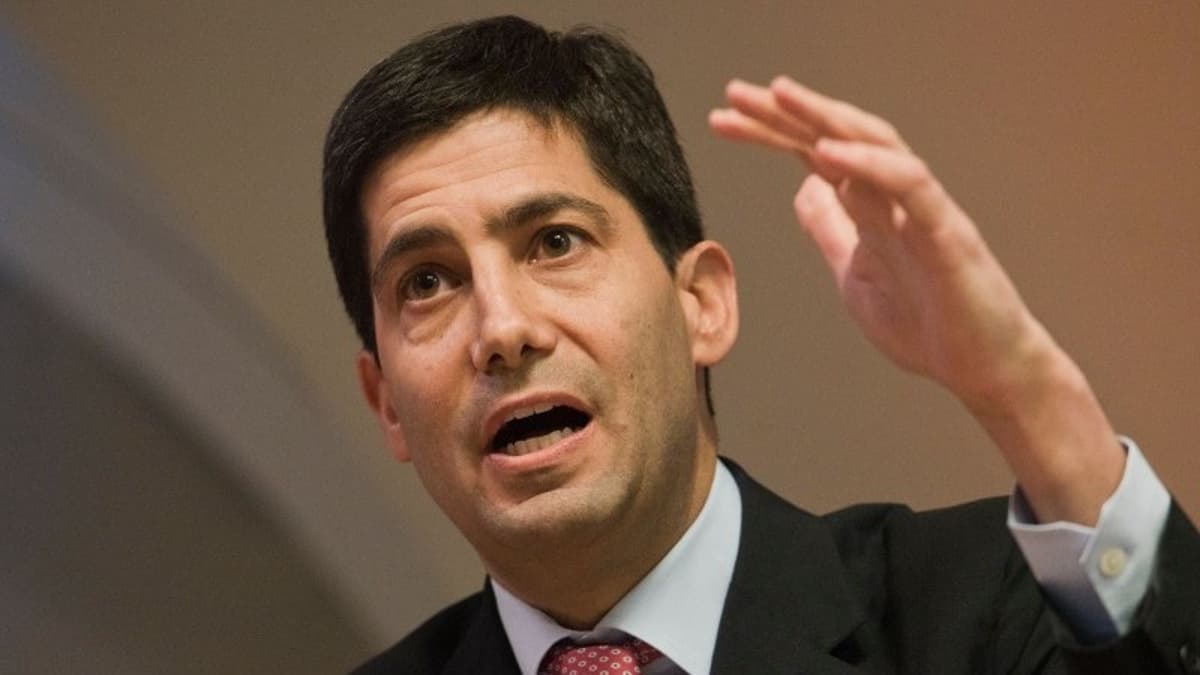
Kevin Warsh’s Fed Confirmation Faces Tough Tests
Why It Matters
The outcome will shape U.S. monetary policy direction, influencing borrowing costs, inflation expectations, and the Fed’s independence from political pressure. A shift toward aggressive balance‑sheet trimming could affect bank reserves and repo market stability.
Key Takeaways
- •Warsh favors aggressive balance‑sheet reduction to enable rate cuts.
- •President Trump pushes for lower rates, testing Fed independence.
- •MBS sales could pressure bank reserves, risking repo market tightness.
- •Higher productivity from AI may justify looser policy without inflation.
- •10‑year Treasury yield remains key gauge for market and policy.
Pulse Analysis
The Senate hearing for Kevin Warsh arrives at a moment when the Federal Reserve is navigating a delicate political tightrope. President Trump has publicly urged faster rate cuts, positioning Warsh as a potential conduit for that agenda. Yet the Fed’s credibility hinges on a clear justification for any policy shift, especially after years of inflation running above the 2% target. Warsh’s testimony will likely highlight the President’s lower‑rate preferences while trying to reassure markets that any dovish tilt is grounded in data, not politics.
Warsh’s most distinctive policy proposal centers on a sizable balance‑sheet contraction. He argues that each $1 trillion of Fed bond holdings translates to roughly 50 basis points of policy rate pressure, suggesting that shedding $2 trillion of Mortgage‑Backed Securities could pave the way for cuts later in the year. However, such sales would shrink bank reserves, a scenario that previously triggered repo‑market strain when reserves fell near 10% of GDP. To mitigate this, Warsh has floated a hybrid approach: targeted MBS sales offset by Treasury‑bill purchases, a maneuver that skirts traditional QE while maintaining liquidity.
Beyond the mechanics, Warsh ties his stance to a broader productivity narrative. He believes advances in AI and technology will boost growth to 2% without stoking inflation, a view echoed in the Fed’s March forecast revision. If policymakers accept this premise, the market could tolerate a more accommodative stance, keeping long‑term yields low and supporting corporate borrowing. Nonetheless, any perception that the Fed is capitulating to political pressure could unanchor inflation expectations, prompting a rise in long‑term rates. The hearing will therefore be a litmus test for how the Fed balances political demands, balance‑sheet strategy, and the evolving macroeconomic landscape.
Kevin Warsh’s Fed confirmation faces tough tests
Comments
Want to join the conversation?
Loading comments...