
Asia Week Ahead: China Releases Data on GDP, Trade, Retail Sales, Housing Prices
China will release a suite of economic data next week, including first‑quarter GDP, trade balances, retail sales, housing prices and industrial production. Analysts expect March exports to rise 8.8% YoY and imports 10.1%, creating a $108.2 bn trade surplus. Q1 GDP is projected at 4.7% YoY, a slowdown from the 5.0% recorded in Q4, while industrial output may grow 5.5% YoY. Retail sales and fixed‑asset investment are likely to stay below 3% YoY, and housing prices remain in negative territory.

China Flashes Additional Signs of Reflation as Iran War Impact Emerges
China’s March CPI eased to 1.0% YoY, reflecting typical post‑Lunar price declines, while the PPI rebounded to 0.5% YoY – the first positive reading since September 2022. Energy‑related subcomponents, especially transportation fuel, surged sharply, with a 10% month‑on‑month jump, indicating...

EUR Money Markets: Stirred, Not Shaken
An oil‑price surge linked to the Iran conflict has pushed the European Central Bank out of its previously comfortable stance, reviving expectations of up to three rate hikes this year. Short‑end money‑market rates have fallen, yet no systemic stress is...

US Money Markets: Slow Calm to Steady State
The Iran conflict has pushed short‑term inflation expectations higher, leaving the 2‑year break‑even rate near 3.1% and raising the risk of actual inflation hitting 4%. The Federal Reserve is expected to keep the policy rate steady for the next few...

GBP Money Markets: Liquidity Holding Amid Turmoil
Rising oil prices triggered by the Iran conflict have pushed up GBP money‑market curves, but the widening has been modest. The 3‑month spread between SONIA OIS and bank deposits rose only a few basis points and remains tighter than levels...

Industrial Data Shows German Economy Was Headed for Contraction Before Middle East War
German industrial production slipped 0.3% in February, ending a revised flat January and leaving year‑on‑year output unchanged. The decline was driven by weaker pharma and electronics output, while automotive rebounded and construction fell over 1% due to cold weather. Exports...

The Commodities Feed: Hormuz Remains Blocked for Now
Oil prices rebounded on Thursday, with ICE Brent climbing over 3% to trade above $97 per barrel as tanker traffic through the Strait of Hormuz remains halted. U.S. crude inventories unexpectedly rose by 3.1 million barrels, the highest level since June...

NBP Preview: Rates on Hold, Rhetoric Turning Neutral/Hawkish
Poland’s Monetary Policy Council is expected to keep its main policy rate at 3.75% through the end of 2024 as global uncertainty and a lingering energy shock persist. Despite a weaker-than-expected pass‑through of oil price hikes to domestic fuel costs...

The US Tariff Shock in 2025 vs 2026 – Same Negative Impact, Different Drivers
New US tariffs implemented in 2025 raised the effective rate by 8.1 percentage points, leading to an estimated 4.2% drop in EU‑US exports after accounting for front‑running effects. While Irish pharmaceutical shipments temporarily boosted trade, the overall impact was a modest...

Webinar: Iran Ceasefire – What Next for Markets and the Economy?
A two‑week ceasefire between the United States and Iran sparked a sharp drop in oil prices and a rally in risk assets, as traders anticipate the reopening of the Strait of Hormuz. The pause in hostilities is expected to ease...

FX Daily: Global FX Comes Back From the Brink
A two‑week cease‑fire between Iran and its adversaries has sparked a broad risk‑on rally, lifting equities, steepening yield curves and prompting a rebound in most currencies against the dollar. The U.S. dollar index, which rose about 3 % in March, slipped...

The Commodities Feed: Oil Slumps Below $100 After US, Iran Agree to Two-Week Ceasefire
Oil prices slipped below $100 per barrel after the United States and Iran announced a two‑week ceasefire, easing fears of prolonged supply disruptions in the Strait of Hormuz. Brent settled around $94/bbl and WTI near $96/bbl, marking the steepest decline...

Rates Spark: A Gift From Pakistan
A two‑week ceasefire proposal from Pakistan aims to defuse the escalating Iran‑US confrontation ahead of an 8 pm deadline that threatens a global recession. The article highlights rising inflation break‑even rates of 3‑5 % and a steepening Treasury curve, signaling heightened bond...

Little Evidence of Increase in USD Hedge Ratios
European investors have not increased their dollar hedges despite early‑year dollar weakness. Danish insurers and pension funds cut their FX hedge ratio to 70.3% in February, the lowest level since before April 2023. Private‑sector foreign demand for U.S. Treasuries has...

US Manufacturing Showing Greater Resilience
U.S. manufacturing showed unexpected strength in March as the ISM Manufacturing index rose to 52.7, the highest level since August 2022 and above consensus forecasts. Production accelerated to 55.1, buoyed by a solid backlog of new orders, while new‑order sentiment...

The Commodities Feed: Oil Falls Below $100 on Optimism over Iran War
Oil prices slipped below $100 per barrel after President Trump signaled a possible end to the Iran conflict, prompting Brent and WTI to trade under the psychological $100 mark. U.S. crude inventories unexpectedly rose 10.3 million barrels, while the API data...

South Korea’s Economy Benefits From Robust Chip Exports and Fiscal Support
South Korea’s March exports surged 48.3% year‑on‑year, driven primarily by a 151% jump in semiconductor shipments and sharp price gains in computers and SSDs. The trade surplus expanded to $25 billion, up from $15 billion a month earlier, while imports rose 13.2%...

CIS Macro and Credit: Commodity Buffers Cushion Middle East Risks
The ongoing Middle East conflict is reverberating through the CIS region via higher oil prices, trade disruptions and imported inflation. Commodity buffers are cushioning the shock: Azerbaijan and Kazakhstan see stronger export prospects, while Armenia’s reliance on fuel imports makes...

Polish Fuel Prices up in March, but There’s Little Heat Elsewhere
Poland’s consumer price index rose to 3.0% year‑on‑year in March, up from 2.1% in February, driven almost entirely by a 15.4% jump in fuel prices. The surge added roughly 0.8 percentage points to headline inflation, while core inflation remained steady...

German Jobs Resilience Offers Scant Support for Private Consumption
German unemployment fell by 48,700 in March, the strongest March performance since 2022, yet the total jobless count stayed above the politically sensitive three‑million threshold for a third consecutive month, a level not seen since 2014. The decline masks deeper...

French Inflation Picks up as the Economy Stalls
French consumer prices jumped 1.7% year‑over‑year in March, driven primarily by a 7.3% surge in energy inflation linked to the Middle‑East conflict. The harmonised inflation rate rose to 1.9%, while core price growth remained modest, with food inflation easing to...

Mild Increase in Dutch Inflation, for Now
Netherlands headline inflation rose to 2.6% YoY in March, up from 2.3% in February, driven by a 6.6% jump in energy and fuel prices. Over half of households are insulated by fixed‑price contracts, limiting immediate cost‑of‑living impacts. Core inflation eased...

Rates Spark: The EUR Curve Is at a Delicate Balance
Eurozone short‑term rates are climbing in lockstep with Brent oil, which has stayed above $100 per barrel, while longer‑dated rates show signs of strain. The 2‑year‑to‑5‑year segment is flattening and could invert if oil breaches $120, suggesting a potential ECB...

Webinar: Europe’s Housing Markets in a Volatile World
ING is hosting a 45‑minute webinar on 1 April to examine Europe’s residential real‑estate landscape amid higher‑for‑longer interest rates, persistent supply shortages, and shifting regulations. The discussion will focus on the Netherlands, Belgium and Germany, while also addressing energy‑price volatility linked...

German Housing Market Likely to Bend, Not Break
German house prices rose 3.2% in 2025, bringing the market back into positive growth after two years of decline, yet they remain about 8% below the 2022 peak. Quarterly price momentum slowed sharply, with only 0.1% growth in Q4 2025,...

National Bank of Hungary Review: No Need to Panic, Unless…
The National Bank of Hungary kept its key policy rate at 6.25% on 24 March, reflecting a hawkish stance amid Middle‑East tensions and an energy‑price shock. Inflation fell to a ten‑year low, but the bank expects it to stabilize around 4%...

Eurozone PMI Drops to 10-Month Low on Middle East Conflict
Eurozone's composite PMI fell to 50.5 in March, the lowest level in ten months, down from 51.9 in February. Manufacturing output remained modestly positive at 51.7, while the services PMI slipped to 50.1, indicating contraction. Input prices rose sharply as...

Japan’s Soft Inflation Is Temporary and Won’t Alter BoJ’s Rate Hike Cycle
Japan’s February consumer‑price inflation slowed to 1.3% YoY, driven by lower fresh‑food and utility costs, while core‑core inflation stayed near 2.5% above the Bank of Japan’s 2% target. Wage negotiations indicate a 5.26% average increase, and PMI readings remain in...

Polish Consumer to Feel Impact of Middle East Conflict in March
Polish retail sales rose 5.0% year‑on‑year in February, outpacing consensus but driven by a low base from 2025. Growth slowed in durable goods and textiles, while car sales rebounded. Analysts warn that the escalating Middle East conflict, which has spiked...

Watch: Why We Still Think EUR/USD Can Reach 1.20
ING’s foreign‑exchange strategists remain bullish on the euro, forecasting EUR/USD could climb to 1.20 by year‑end despite heightened geopolitical risk, rising oil prices and a temporary US inflation spike. They argue the Federal Reserve will treat the oil‑driven price bump...

FX Daily: Hawkish Hangover
European central banks delivered a hawkish surprise, pushing the euro and pound higher while the dollar weakened. The ECB signaled a possible April rate hike, adding 15 basis points to market expectations, and the Bank of England voted unanimously to...
Asia Week Ahead: Japanese Inflation and South Korean Sentiment Data
Japan’s February CPI is expected to slow further thanks to an energy subsidy, but core‑core inflation will stay well above the 2% target, keeping the Bank of Japan cautious about rate hikes. The central bank is likely to postpone an...

The Commodities Feed: LNG Supply Disruptions Now a Long-Term Problem as Iran Hits Qatari Facilities
Iranian missile attacks on Qatar's Ras Laffen LNG complex knocked out roughly 17% of the plant’s export capacity, equivalent to about 17 bcm or 3 % of global LNG trade. The disruption is expected to linger for three to five years, prompting the...

AI Monthly: AI’s Green Thumb Raises Bigger Questions for Agriculture
An autonomous AI system cultivated a tomato plant named Sol from seed to fruit, harvesting eight ripe tomatoes in a 100‑day controlled experiment. The project proves AI can manage plant physiology through sensor‑driven adjustments, yet it relied on a perfectly...

Europe’s Last Chance to Revive Its Pharmaceutical Innovation Power
Europe’s pharmaceutical sector is losing its historic lead in R&D, with its share of global private research dropping from roughly half in 1990 to a third in 2025, while the United States now commands 55% and China is rapidly closing...

Rates Spark: The Impact Is No Longer Transitory
The U.S. 10‑year Treasury yield is projected to climb into a 4.25‑4.5% band before easing back toward 4%, driven by higher nominal and real yields after the war’s shock. Even as the conflict winds down, inflation expectations remain structurally elevated,...

Pulled in Opposite Directions, the Swiss National Bank Is Likely to Keep Rates Steady
The Swiss National Bank (SNB) is expected to keep its policy rate at 0% as inflation remains near‑zero, hovering between 0.1% and 0.3% year‑on‑year. Recent forecasts show a modest rise to 0.2% in 2026 and 0.8% by mid‑2028, supporting a...

FX Talking: Forecast Table
ING’s research team released its latest foreign‑exchange forecast table on 16 March 2026, drawing on Refinitiv data and internal modeling. The outlook covers major pairs such as USD/EUR, GBP/USD, and emerging‑market currencies, highlighting expected rate movements through the year. Analysts attribute the...

The Commodities Feed: Brent Remains Above $100/Bbl as Iran Conflict Develops
Brent crude surged to $106.50 a barrel as strikes on Iran's Kharg Island raised supply fears, while a drone attack temporarily halted loading at Fujairah port. The International Energy Agency announced a coordinated emergency release of just under 412 million barrels,...

Petrol Price Surge Puts Poland’s Low‑inflation Trajectory at Risk
Poland’s inflation outlook has soured as March petrol prices jumped roughly 15%, threatening to push the CPI above the 3% year‑on‑year mark. While core inflation remained modest, the surge in oil and gas prices—driven by the Middle East conflict—creates a...

Italian Industrial Production Started 2026 on a Soft Footing
Italy's industrial production in January 2026 slipped 0.6% month‑on‑month, extending a downturn. Year‑on‑year output also fell 0.6%, reversing a modest 2.7% gain recorded in December. While energy output grew and transport equipment rose, consumer, intermediate and investment goods contracted, and...

Pharma’s Godfather Moment: Pulled Back Into Tariff Uncertainty
The U.S. Supreme Court nullified President Trump’s emergency authority to impose tariffs, reigniting uncertainty for the pharmaceutical sector. Despite the ruling, most‑favored‑nation (MFN) pricing agreements between branded drug makers and the Administration are expected to hold, though new U.S. manufacturing...

Rethinking Transatlantic Power: Why Trade Dependencies Cut Both Ways
The article examines transatlantic trade dependencies, showing that while the United States remains a major market for Europe, the EU actually supplies more strategically important products to the United States than vice‑versa. Data from CEPII indicate the US imports 36...

UK Economy Begins 2026 on a Softer Note Ahead of Energy Price Storm
The UK’s economy started 2026 sluggishly, with January’s GDP unchanged from December as administrative support services and hospitality contracted sharply. While three‑month averages suggest modest growth, the data’s volatility raises uncertainty about the near‑term trajectory. A sustained rise in gas...

Turkish Central Bank Holds Rates and Shifts Away From Easing Bias
The Central Bank of Turkey kept its one‑week repo rate at 37% and left the interest‑rate corridor unchanged at 35.5%‑40%, signaling a pause amid heightened global risk and rising energy prices. In its statement the bank shifted away from an...

Watch: Your Oil Questions Answered
ING commodity strategist Warren Patterson discusses the ongoing oil price volatility, with Brent crude intermittently breaching $100 per barrel despite the International Energy Agency’s announcement of record supply releases. He examines how the conflict with Iran, particularly the strategic choke...

Turkish Current Account Deficit Jumps After Methodological Revision
Turkey's current account posted a $6.8 bn deficit in January, far above the $4.8 bn forecast and analysts' $5.4 bn estimate. The gap was amplified by the Central Bank of Turkey's methodological change, which has retroactively added $8.9 bn to interest‑payment calculations since September 2020....

Eurozone Households Are First to Feel the Pain of the Current Oil Price Shock
Eurozone households are the first to feel the impact of the latest oil price shock as retail fuel prices surge across the region. A 50‑litre tank now costs €4.5‑€13 more for petrol and €8.4‑€21.5 more for diesel, with Germany seeing...

The Commodities Feed: Record Oil Release Fails to Rein in Prices
The International Energy Agency announced a coordinated emergency release of up to 400 million barrels of crude oil, the largest ever, yet Brent futures surged to near $100 per barrel. Market analysts attribute the rally to ongoing disruptions in the Persian...
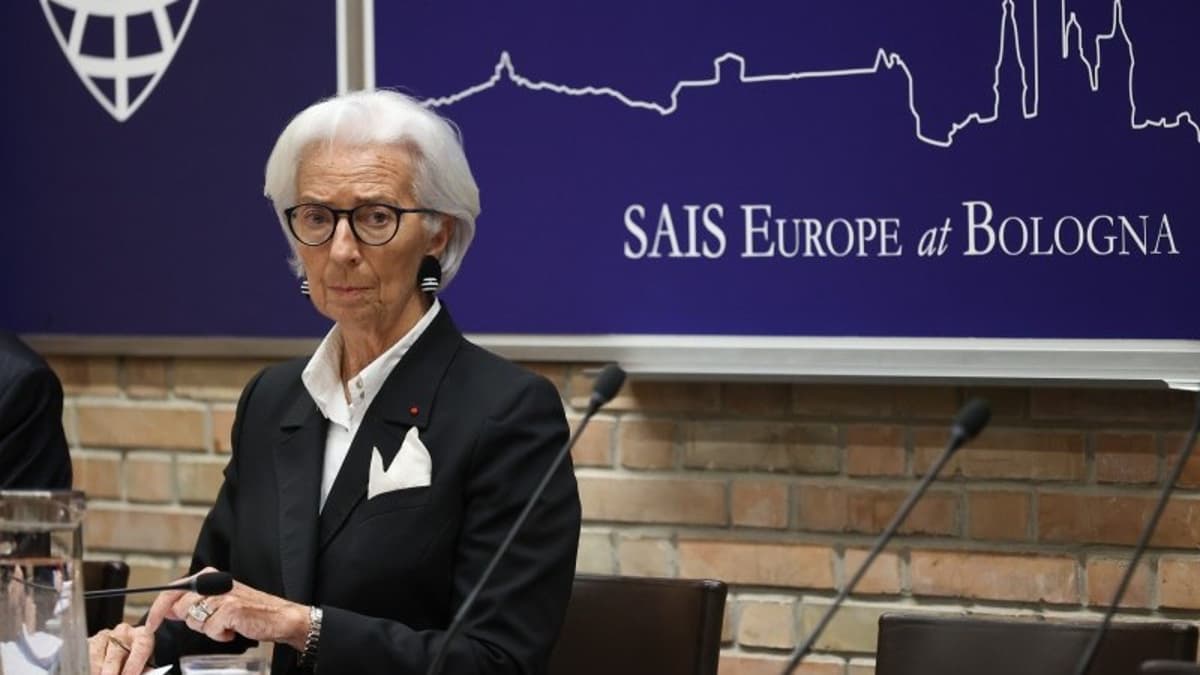
ECB Preview: Time for a Panic Room in the ECB’s ‘Good Place’
The European Central Bank heads into its March 18 meeting facing a sharp shift in the macro backdrop as the Middle East war drives oil prices higher, removing any realistic chance of further rate cuts. Instead of fine‑tuning inflation forecasts,...