
Can Trump’s Iran War Be Ended? Not If Congress Does Nothing
President Trump’s push for a swift, pro‑US regime change in Iran has spiraled into a regional conflict, with U.S. and Israeli strikes prompting ground deployments and a costly war of attrition. The administration seeks a $200 billion supplemental appropriation for the Iran campaign and an additional $500 billion boost to the Pentagon’s base budget, despite mounting opposition. Anti‑war lawmakers from both parties, including Bernie Sanders and Rand Paul, warn that without congressional defunding the conflict will continue unchecked. The first week of fighting has already cost at least $11.6 billion, surpassing the combined annual budgets of the CDC and EPA.

As US and Israeli Bombs Fall on Iran, Echoes of the War on Iraq
The piece draws a stark parallel between the current U.S. and Israeli bombing campaign in Iran and the 2003 Iraq invasion, noting more than 2,000 civilian deaths, 3.2 million displaced, and a cost of roughly $1 billion per day for the U.S....

Imperial Blowback Will Last Long After the US-Israeli War on Iran
The United States and Israel have launched an illegal war against Iran, spending over $100 billion and causing more than 3,000 civilian deaths, including 200 children, while destroying 10,000 cultural sites. The campaign lacks congressional authorization and public support, deepening democratic...

Can France Expand Nuclear Deterrence While Ignoring Its Legacy of Nuclear Tests in Algeria?
President Emmanuel Macron is advancing a plan to extend France’s nuclear deterrence to seven European nations and the United Kingdom, proposing an “advanced deterrence” framework while aiming to increase its arsenal toward roughly 300 warheads. The initiative excludes shared decision‑making...

Deep Dive: Strait of Hormuz’s Closure Will Hit Every Economy
The United States and Israel’s conflict with Iran has effectively shut the Strait of Hormuz, halting roughly 20% of global oil shipments and disrupting a wide array of petrochemical, industrial gas, and refined product flows. Prices for key commodities such...

Fukushima 15 Years On — and the Nuclear Disasters to Come
Fifteen years after the 2011 earthquake‑triggered tsunami, the Fukushima Daiichi disaster still haunts Japan with unresolved health studies, lingering ocean contamination, and a cleanup bill estimated at $500 billion. The plant’s design‑basis assumptions failed when all three operating reactors lost power,...

If Donald Trump Offers Help, It Just Might Get You Killed
President Donald Trump pledged "help" to Iranians amid January protests, then ordered a joint U.S.-Israeli air campaign that devastated civilian sites, including an elementary school in Minab that killed over 165 people. The strikes also targeted hospitals and historic locations,...

Deep Dive: Ditching US-China Science Cooperation May Backfire
A new Quincy Institute paper warns that Washington's push to isolate American science from China could erode a core strategic asset. It documents how Chinese students and scholars have historically powered U.S. research, contributing billions in tuition, high retention rates...

Why the US Is Ramping Up Attacks on Cuba’s Medical Brigades
President Trump’s administration is intensifying a campaign to dismantle Cuba’s overseas medical brigades, issuing a State Department memo that offers infrastructure aid in return for evicting Cuban doctors from 16 countries. The plan, dubbed the “Freedom Framework for Self‑Sufficient Healthcare,”...

Letter From Munich: Militarism in a Post-American World
The 2026 Munich Security Conference unfolded amid heightened U.S. aggression, including threats to Greenland and a looming war with Iran, while the Trump administration mocked its own foreign policy. Inside the conference, officials like Secretary of State Marco Rubio pledged...
Deep Dive: Are Gulf States Reconsidering Their US Alliance?
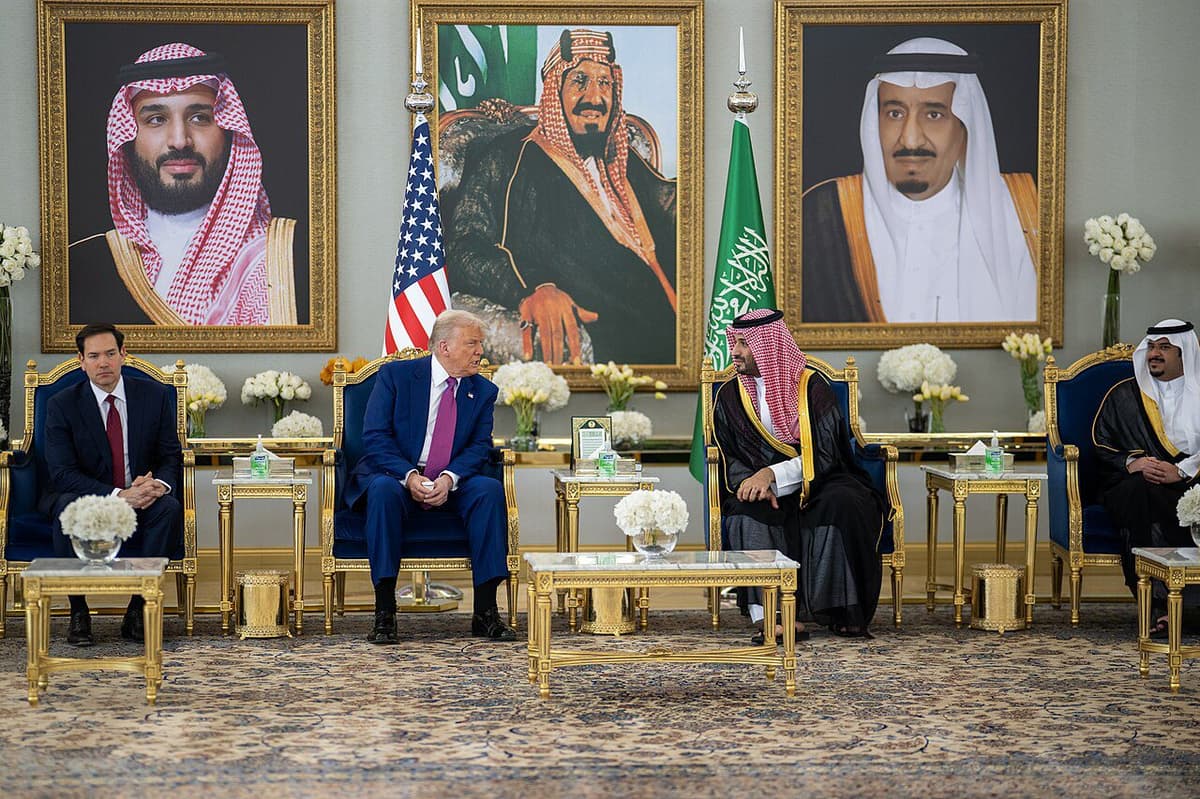
A Quincy Institute report finds Qatar and Saudi Arabia are reevaluating their decades‑long security reliance on the United States amid rising regional violence and doubts about Washington’s reliability. A 2026 Arab Opinion Index shows 77% of Gulf respondents view US...

For Kurds, Tom Barrack Becomes the Latest Face of US Betrayal
Tom Barrack, the Trump administration’s special envoy to Syria and Turkey, announced on Jan. 20 that the Syrian Democratic Forces’ anti‑ISIS mission had largely expired, signalling a pivot toward Damascus and a centralized Syrian state. The shift sparked protests among Kurds...

After Israel’s Recognition of Somaliland, Will Trump Follow?
On Dec. 26, 2025 Israel became the first nation to recognize Somaliland’s independence, prompting an emergency UN Security Council session where 14 members condemned the move. Israel cited cooperation in agriculture, health, technology and mineral access, while the United Nations...
Deep Dive: The US Air Force’s Costly ‘Box Cutters’
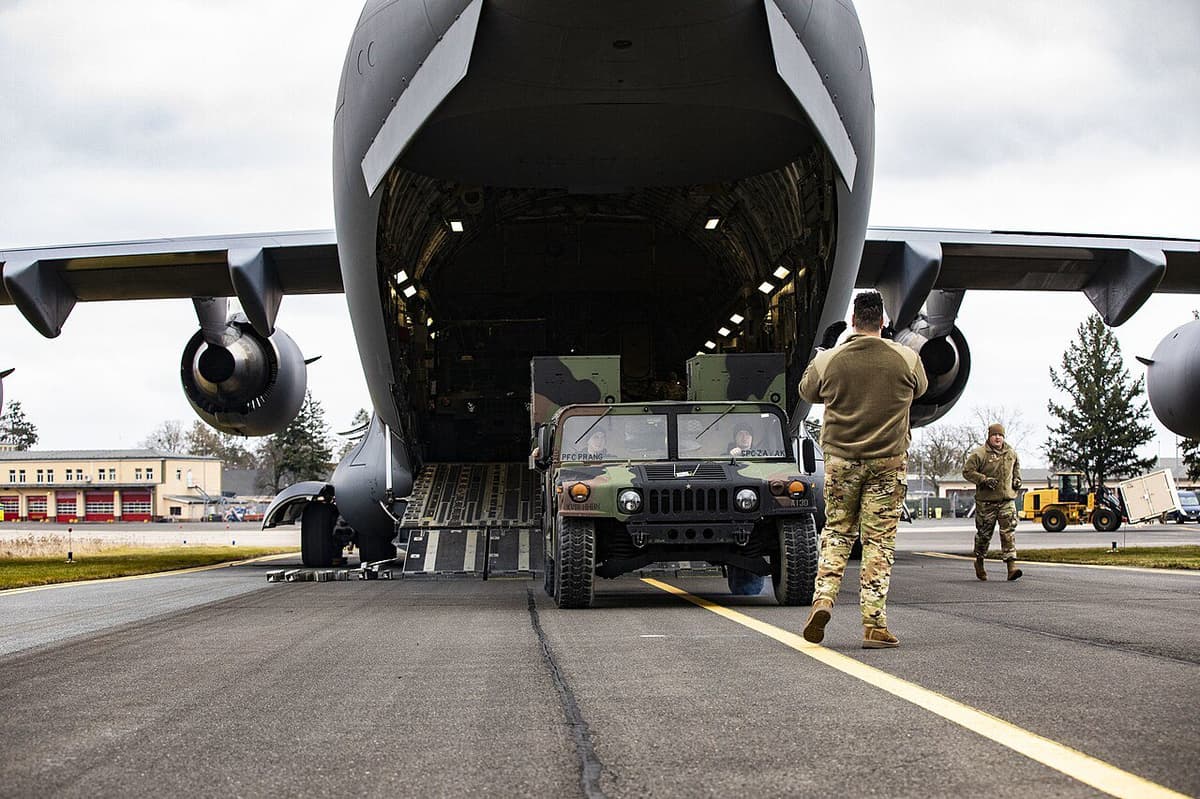
Air Force maintenance units have spent $1.79 million on 5,166 high‑end combat knives—dubbed “box cutters”—between 2017 and June 2025, despite chronic shortages of essential supplies. The knives were ordered through misclassification that sidestepped normal procurement scrutiny, allowing rapid acquisition across multiple...