Safe Enough? East Palestine, Emergency Spending, and Who Gets Protected
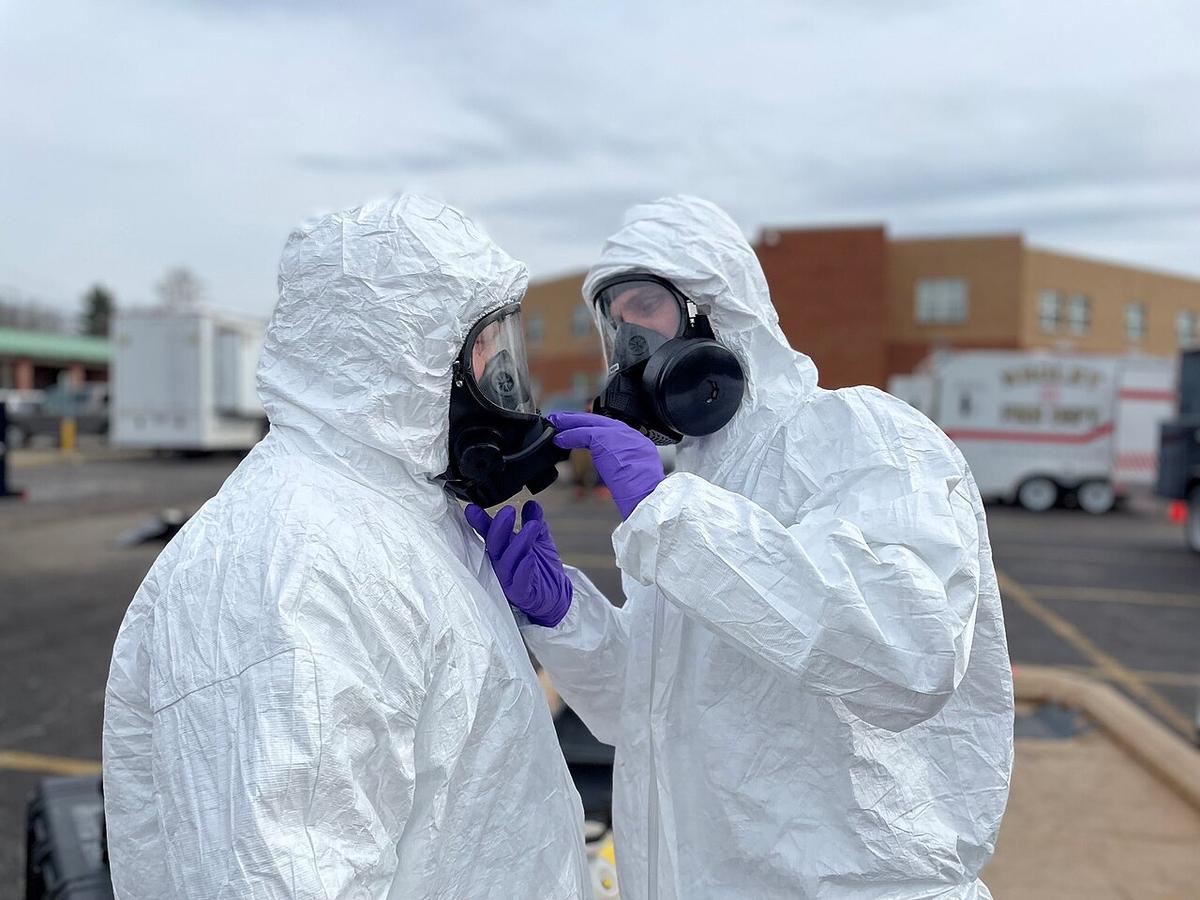
A Norfolk Southern train carrying toxic chemicals derailed in East Palestine, Ohio, in 2023, prompting officials to claim the air was safe. Residents faced shifting evacuation zones, lingering odors, chronic health issues, and difficulty obtaining compensation. The episode examines how federal emergency designations unlock rapid war‑budget style spending, while industrial disaster victims often lack long‑term aid. Guests discuss the disparity between emergency funding for national security and for community health.
Deep Dive: The Ever-Growing Cost of Trump’s Military Operations
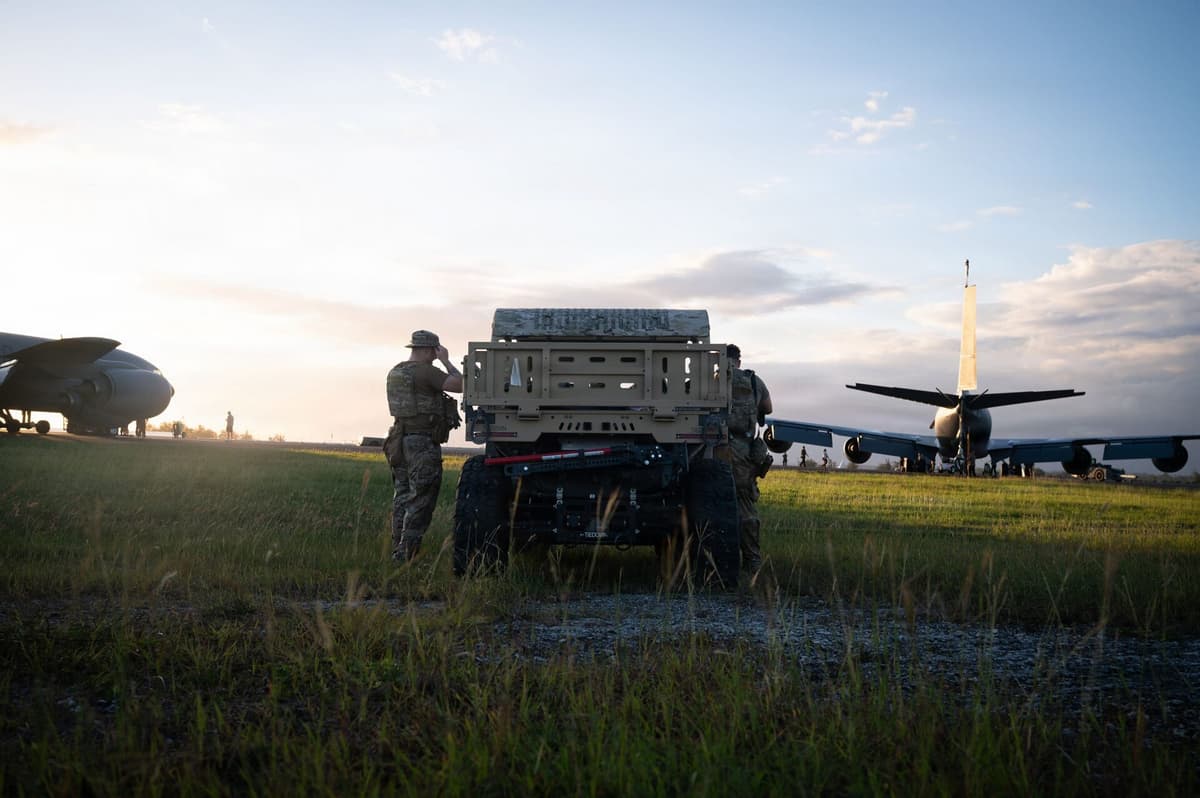
A Brown University Cost of War report estimates that the Trump administration’s military actions in Venezuela, the Caribbean and the Eastern Pacific from August 2025 to March 2026 cost U.S. taxpayers at least $4.7 billion. The tally breaks down to more than $3.8 billion...
Rare Referendum on Nuclear Warheads Begins in South Carolina
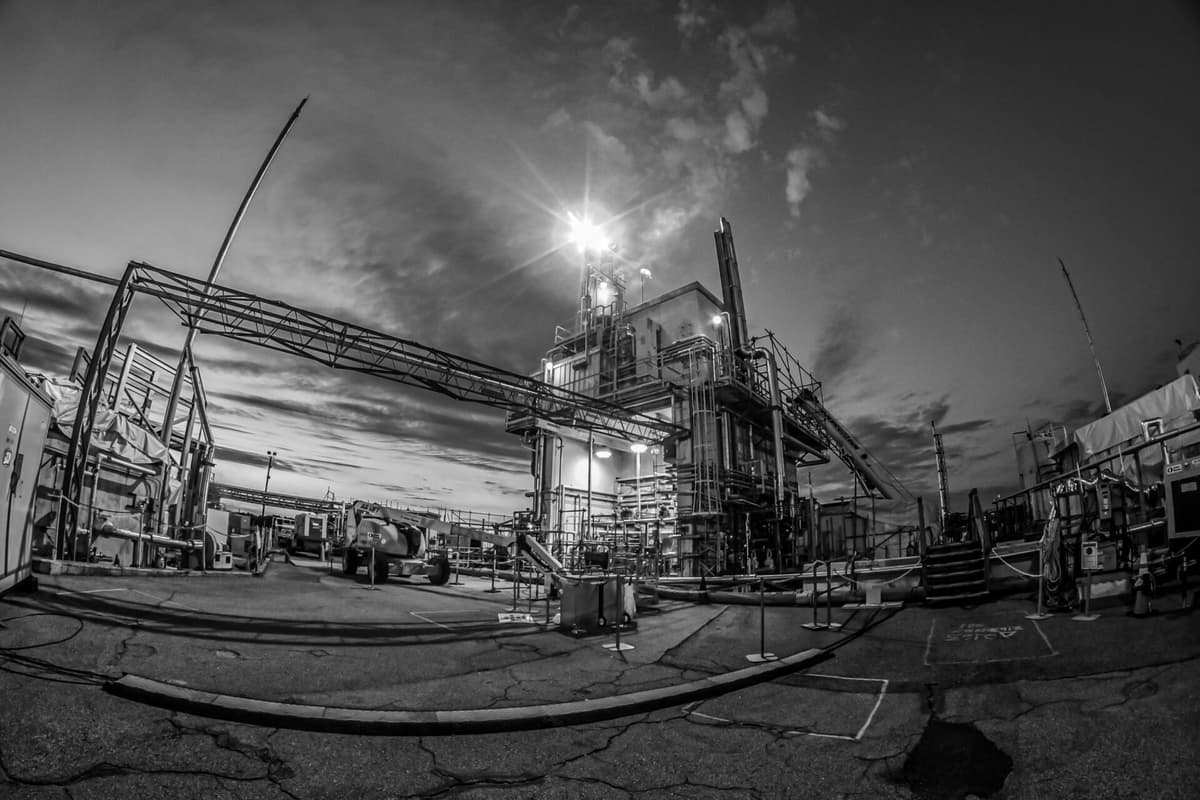
Nearly 100 residents attended the first court‑ordered public hearing in North Augusta, South Carolina, to weigh the Department of Energy’s plan to convert the Savannah River Site into a plutonium‑pit production plant. The proposal follows the abandonment of a $5.4 billion...

Betting on War: The Legality and Lethality of Prediction Markets
Prediction‑market platforms such as Kalshi and Polymarket have surged, drawing tens of billions in venture funding and enabling users to wager on geopolitical events, including a $54 million pool on the succession of Iran’s supreme leader. When the leader was killed...

Deep Dive: What Mali’s Collapse Tells the US About the Sahel
A coordinated April 25‑26 assault by al‑Qaeda‑linked JNIM and Tuareg separatists killed Mali’s defense minister and forced Russia’s Wagner forces to abandon the strategic northern city of Kidal. The attacks represent the largest joint insurgent‑separatist offensive in Mali since 2012,...

After New START, How Many Nuclear Weapons Is Enough?
The New START treaty lapsed at the start of 2024, leaving the United States, Russia and China without the cornerstone of bilateral arms control. A roundtable of foreign‑policy experts examined whether the U.S. needs more nuclear weapons to counter a...

Deep Dive: AI Is Reshaping Military Decisions on the Battlefield
A new study proposes an AI‑driven decision‑support system that automates battlefield image classification, dramatically cutting the lag between data collection and actionable intelligence. Researchers built a hybrid CNN‑LSTM model that fuses spatial and temporal cues, training it on 7,747 images...

Gaza’s Medical Evacuation Crisis Is Leaving Thousands Without Care
The health system in Gaza remains crippled after two years of conflict, leaving thousands of patients without essential care. The UN Health Cluster reports over 18,500 critical patients—4,000 of them children—still awaiting medical evacuation. From October 2023 to September 2025, only 7,802...
Reagan’s Preemptive Strikes Doctrine: The Directive That Changed US War
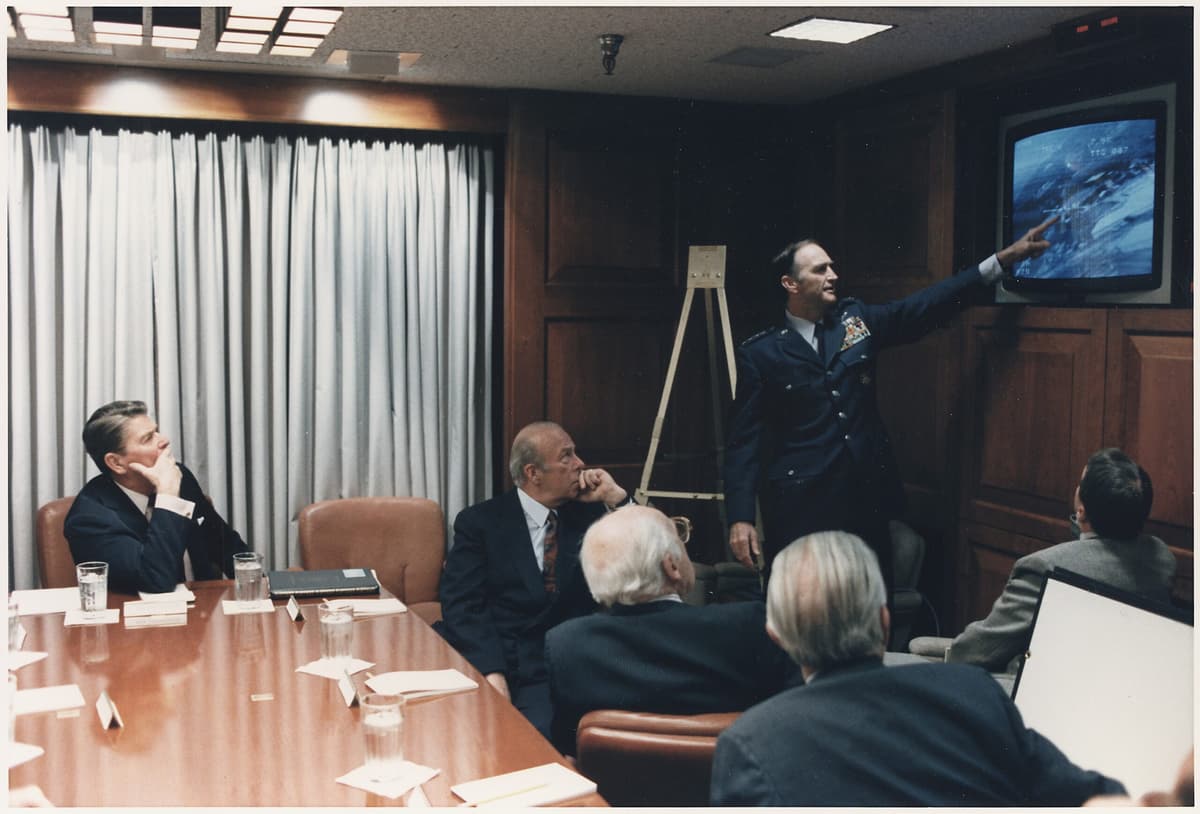
In 1984 President Reagan approved National Security Decision Directive 138, a secret policy that authorized pre‑emptive military action against states sponsoring terrorism. The directive was invoked after a series of Libyan‑linked attacks, including the 1985 Rome and Vienna airport shootings...

What Will It Take for the US and China to Slow Fentanyl Flows?
In February 2026, U.S. and Chinese law‑enforcement officials reconvened under the Bilateral Drug Intelligence Working Group in Colorado to coordinate on fentanyl precursor controls. A recent supply‑side shock appears to have reduced fentanyl potency, contributing to a modest decline in...

Steven Thrasher’s Impassioned Call to Oust the ‘Overseer Class’
Steven W. Thrasher’s forthcoming book, *The Overseer Class: A Manifesto*, arrives on May 19 from Amistad. Drawing on his own experience as a former police recruit and a decade covering police violence, Thrasher argues that simply diversifying law‑enforcement or other...
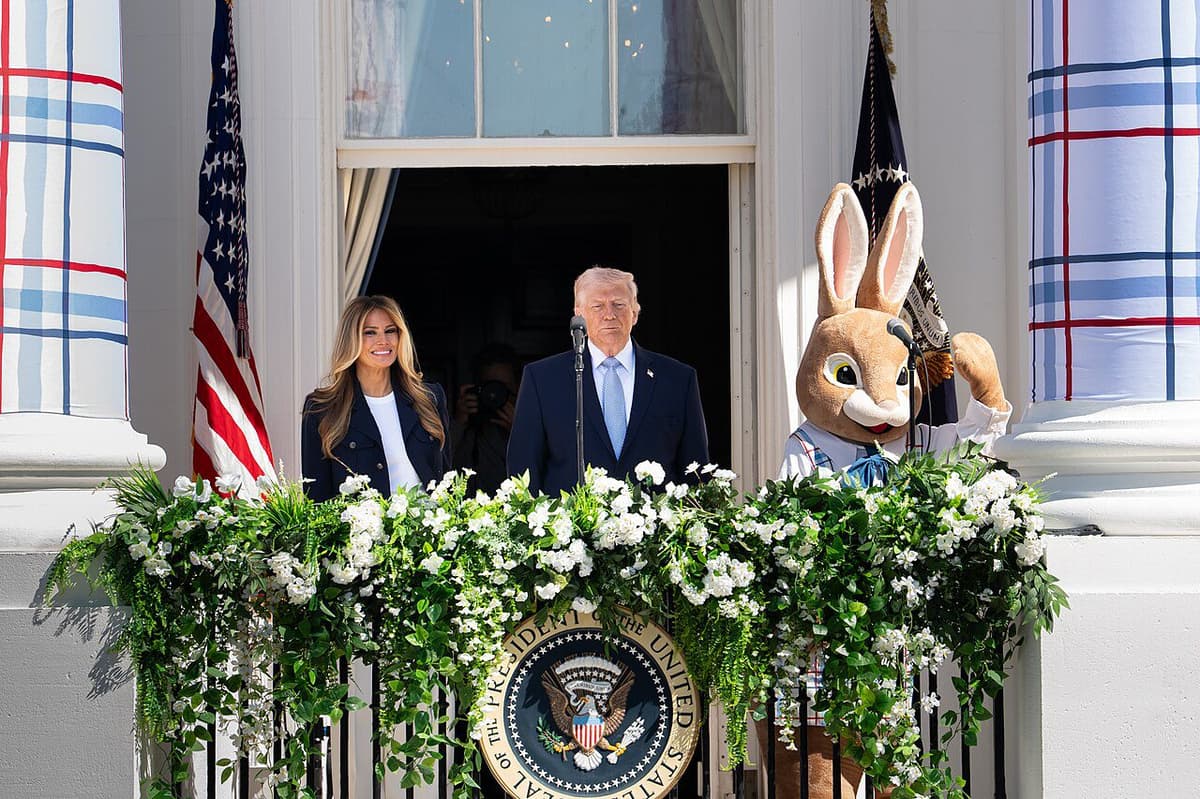
How Donald Trump Learned to Love American Imperialism
The article argues that Donald Trump’s foreign‑policy moves—such as threatening Iran, Cuba, Greenland and the attempted kidnapping of Venezuela’s president—are a modern expression of a long‑standing American imperial tradition. It traces U.S. expansion from the Monroe Doctrine and 19th‑century conquests...

What Does Artificial Intelligence Really Mean for Global Politics?
Artificial intelligence is rapidly reshaping international security as governments integrate AI into weapons systems and strategic planning. Recent battlefield deployments—from Ukraine’s AI‑driven drones to the US Pentagon’s use of Anthropic’s Claude via Palantir—show AI’s role in targeting, intelligence fusion, and...
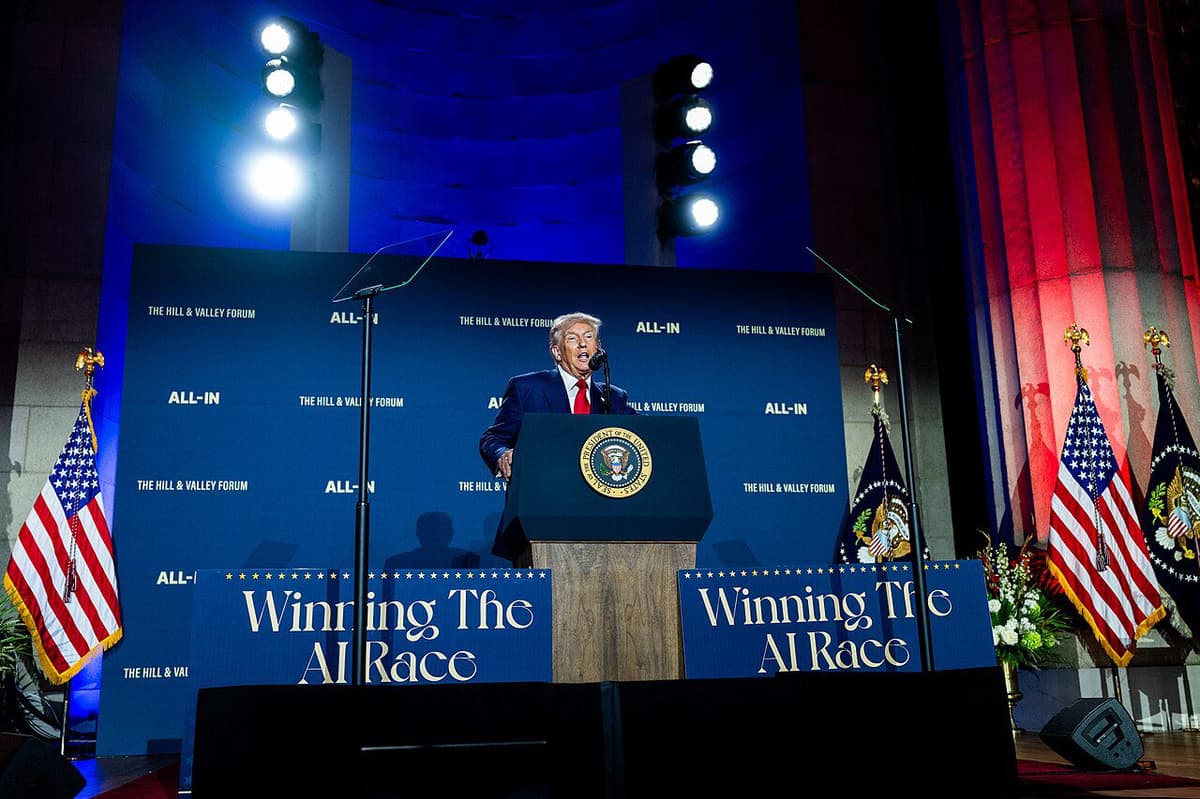
Deep Dive: Why the US and China Are Leading the AI Race
A new comparative study finds that heavy government spending and deep military integration are the decisive factors behind U.S. and Chinese leadership in artificial intelligence, outweighing private‑sector dynamism or semiconductor independence. Using Qualitative Comparative Analysis, the researchers scored the two...

Northrop’s ‘Culture Change’: Lesser, More Expensive Weapons?
Northrop Grumman announced a cultural shift toward faster weapons production, telling engineers to "fail fast, learn faster" and prioritizing speed over cost or performance. Internal slides reveal plans to use AI and collaborative robots to save about $1.5 million in labor...