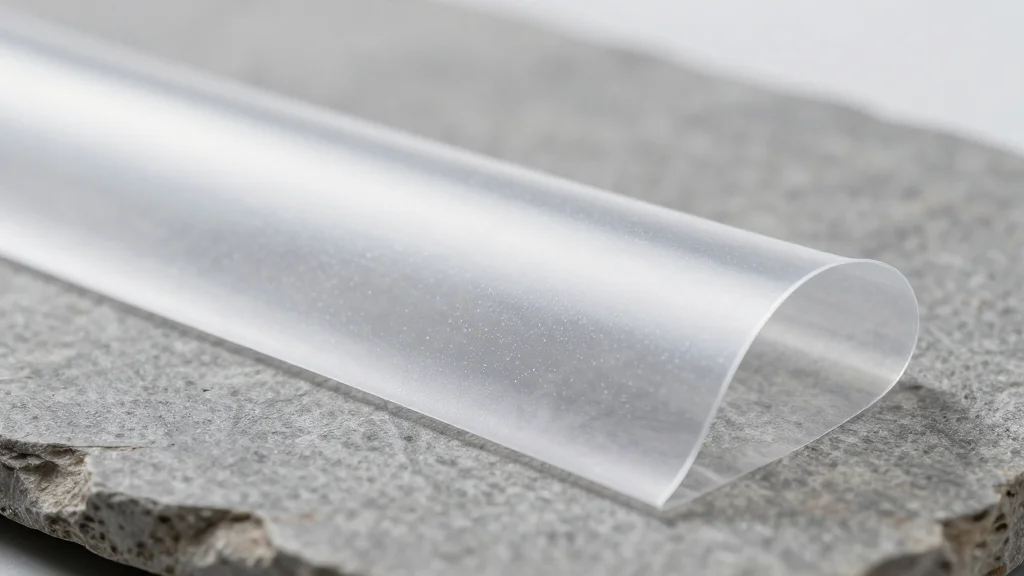
The Role of Nanoparticles in Bioplastics
Nanoparticles are emerging as critical additives that enhance the mechanical, thermal and barrier properties of bioplastics derived from renewable biomass. By reinforcing bioplastics with particles such as starch nanoparticles, researchers aim to overcome the inherent weakness and high water vapor permeability that limit their use in packaging, agriculture and medical devices. The technology promises biodegradable alternatives to conventional plastics, but large‑scale manufacturing and nanoparticle safety remain unresolved challenges. The paper highlights both the commercial potential and the research gaps that must be addressed for widespread adoption.
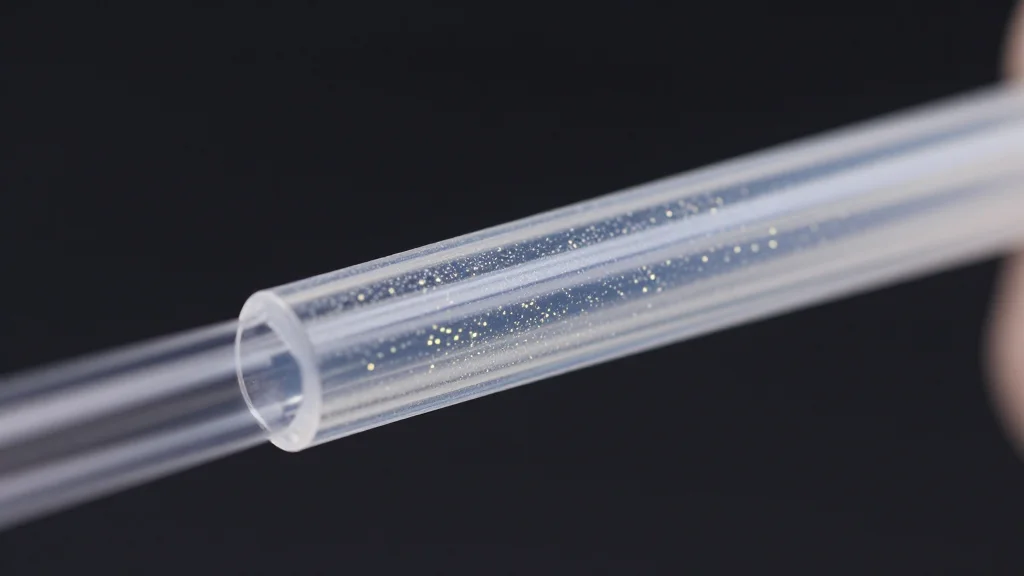
Enhanced Mechanical Strength and Controlled Degradation of PLA/ZnO Nanoparticle Composites for Biodegradable Implants
Researchers have engineered polylactic acid (PLA) composites reinforced with zinc oxide (ZnO) nanoparticles in two morphologies—nanospheres and nanorods—to create biodegradable implant materials. Tensile testing revealed that PLA/ZnO nanosphere composites reach 25.20 MPa, outperforming the nanorod variant at 22.98 MPa. Incorporating ZnO accelerated...

A Pioneer Compilation on Ibrutinib-Loaded Hybrid Nanoformulations for Different Types of Cancer
Researchers Pandey, Gautam, and Singh review hybrid nanoformulations that encapsulate ibrutinib, a BTK inhibitor used for chronic lymphocytic leukemia and mantle‑cell lymphoma. The paper details how polymeric nanoparticles, liposomes, dendrimers and SNEDDS improve ibrutinib’s solubility, bioavailability, and pharmacokinetics while reducing...
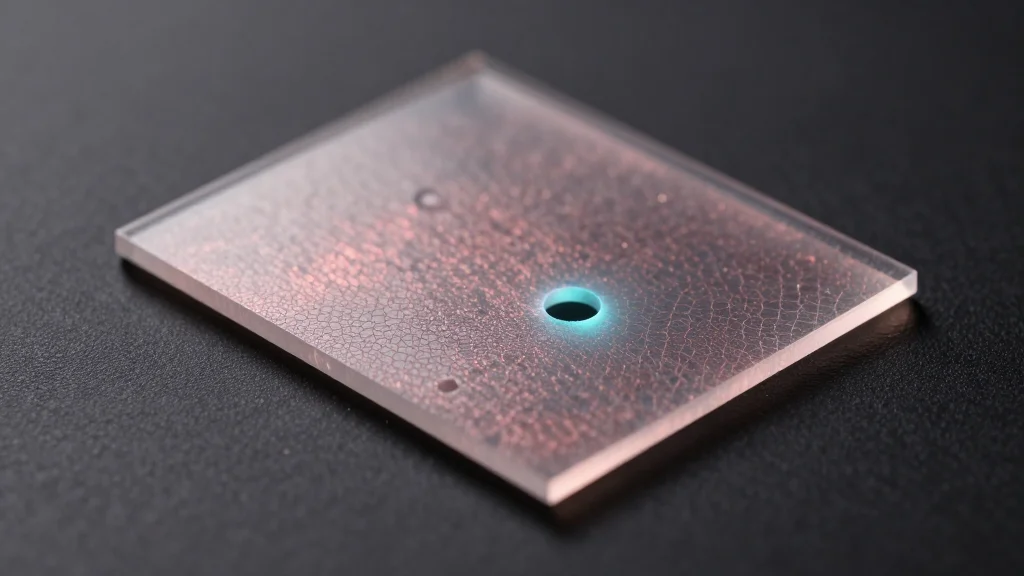
Impact of Zn and Te Vacancies on the Electronic and Magnetic Properties of ZnTe Nanosheet
The study uses first‑principles density‑functional theory to explore how intrinsic zinc (Zn) and tellurium (Te) vacancies alter the structural, electronic, and magnetic behavior of two‑dimensional ZnTe nanosheets. Introducing a Zn vacancy converts the nanosheet into a half‑metallic state with 100 %...
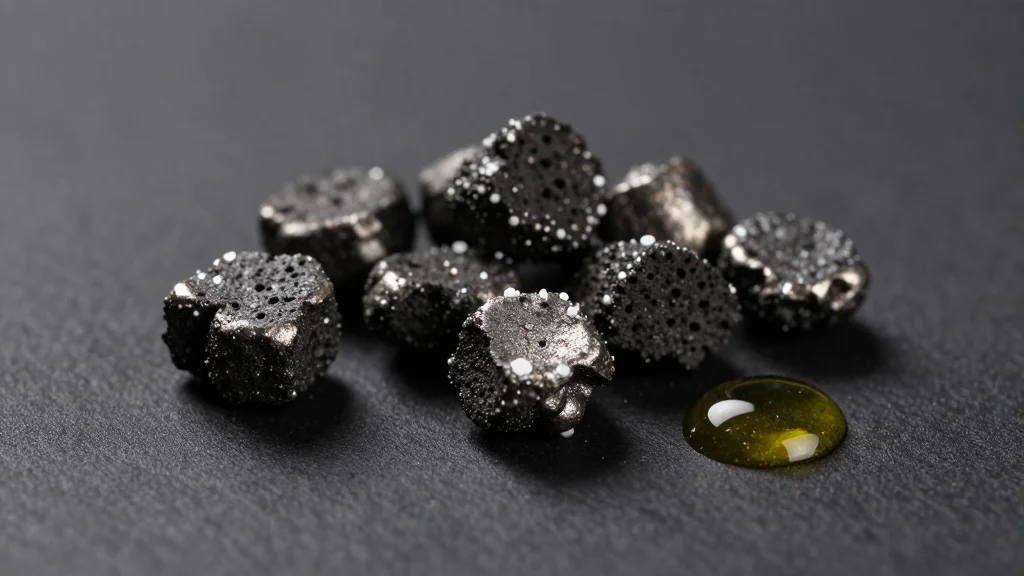
MBC-Guanidine-Ni: A Stable Magnetic Biochar-Based Nanocatalyst for Optimization and Control of a Coupling in the Propargylamine Synthesis
Researchers at Ilam University have developed a magnetic biochar nanocatalyst (MBC‑Guanidine‑Ni) derived from olive‑kernel waste that combines guanidine functional groups with nickel sites. The catalyst contains 4.14 wt% nickel, exhibits a saturation magnetization of 42 emu/g for rapid magnetic separation, and remains...
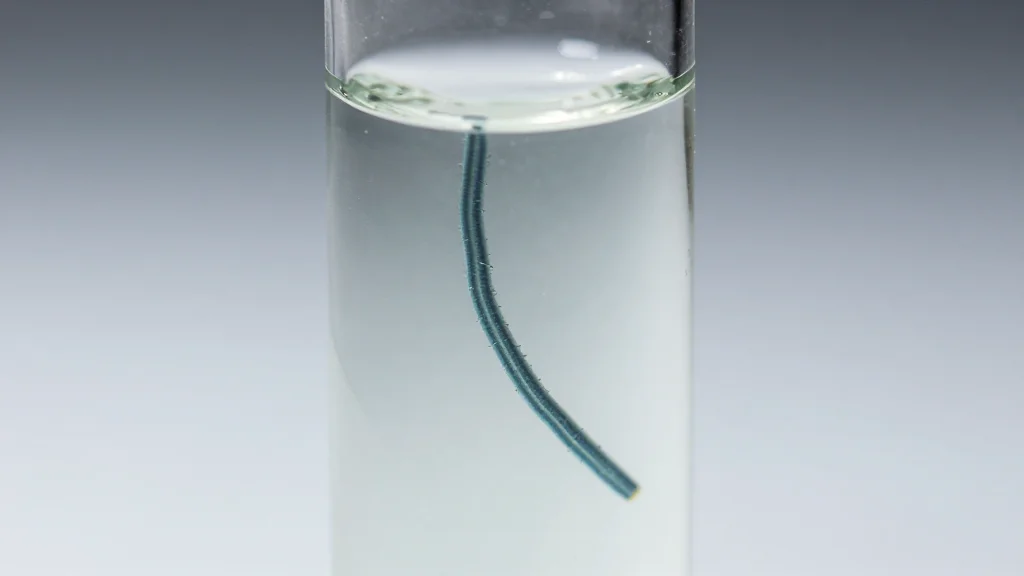
Enhancement of the Adsorption Performance of Multiwalled Carbon Nanotubes via APTES Functionalization for Phenol Removal
Researchers enhanced the adsorption capacity of multiwalled carbon nanotubes (MWCNTs) for phenol removal by functionalizing them with 3‑aminopropyl triethoxysilane (APTES). Oxidation with nitric acid increased adsorption to 17%, while APTES grafting achieved a maximum capacity of 55.17%, surpassing activated carbon....
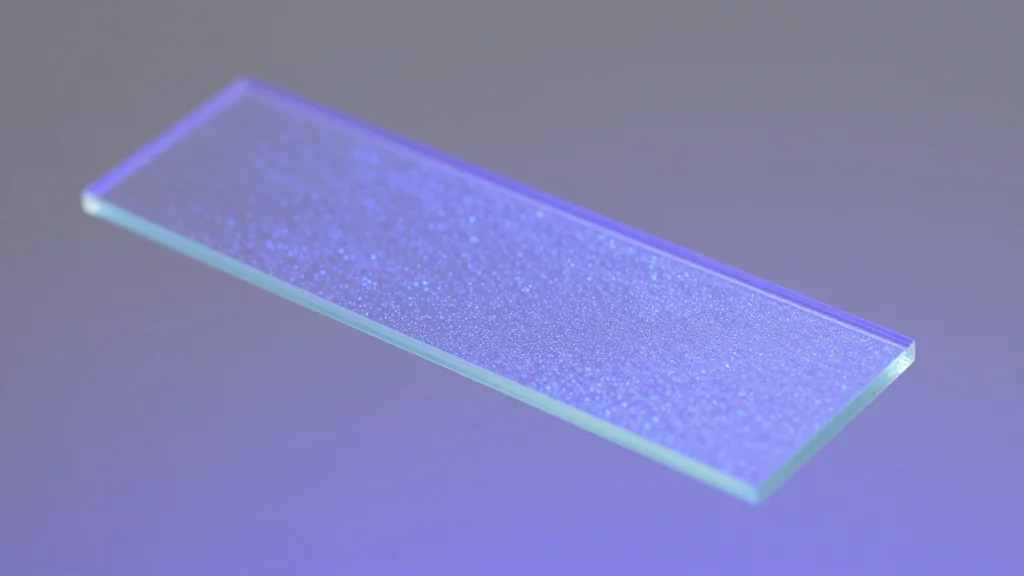
WO3 Nanocomposite Diode for Future Semiconductor Technologies
Researchers fabricated a novel p‑Ag‑WO3/n‑WO3 nanocomposite diode using chemically synthesized WO3 nanoparticles and a dip‑coating process to create a stable p‑n junction. Electrical characterization—including I‑V, C‑V, and impedance analyses—demonstrated rectifying behavior and effective UV photodetection. The device exhibited space‑charge‑limited current...

The Hydrothermal Treatment Effect on the Transverse Relaxivity Values of DyF3 Nanoparticles Colloidal Solutions
Researchers investigated how hydrothermal processing—both classic autoclave and microwave irradiation—affects the transverse relaxivity (r₂) of DyF₃ nanoparticle colloids. Using ¹H NMR at magnetic fields of 0.6 T, 3.65 T and 9.4 T, they found that autoclave‑treated samples exhibit the highest r₂ values, outperforming...

Impact of Tungsten, Iron and Molybdenum on the TiO2 Geometrical Network and Optoelectronic Properties
The study employs density functional theory to evaluate how tungsten (W), iron (Fe) and molybdenum (Mo) dopants modify the electronic and optical behavior of anatase TiO₂. Single‑doping with W, Fe or Mo narrows the band gap from 2.12 eV to 2.0 eV,...
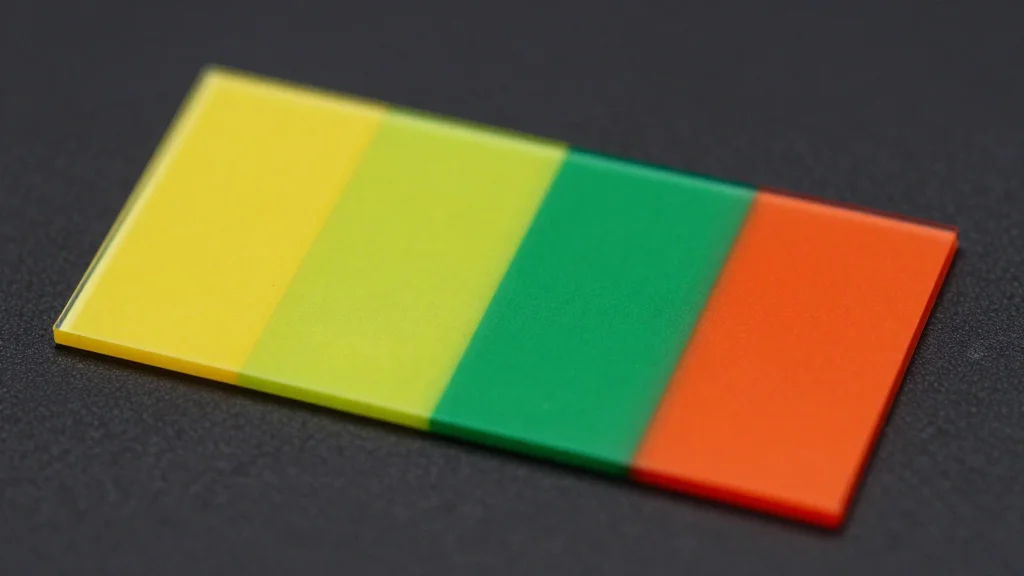
Controlled Preparation of Vanadium Pentoxide Films and Their Multicolor Electrochromic Properties
Researchers fabricated vanadium pentoxide (V2O5) films on indium tin oxide substrates using a simple electrophoretic deposition (EPD) process, precisely tuning voltage and deposition time. Optimal conditions—5 minutes at the identified voltage—yielded uniform films that display four distinct electrochromic colors: yellow, yellow‑green,...
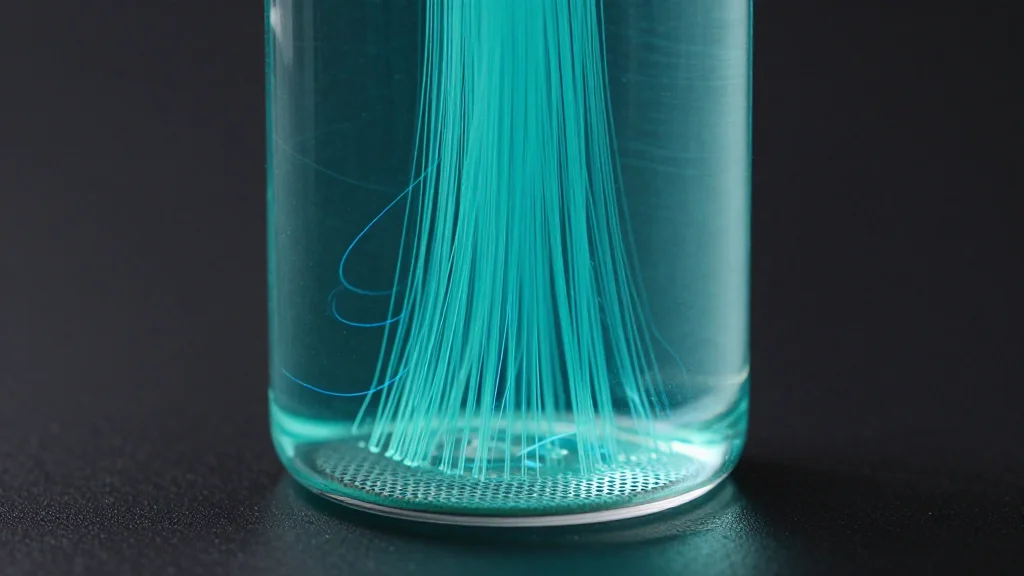
Thermal Performance Analysis of Magnetohydrodynamics with Carbon Nanotubes on a Stretching/Shrinking Porous Sheet
The study analytically examines magnetohydrodynamic (MHD) flow of carbon‑nanotube (CNT) nanofluids over a stretching or shrinking porous sheet, incorporating slip, radiation, and heat source/sink effects. Using similarity transformations, the governing equations are reduced to nonlinear ordinary differential equations and solved...

A Review On Morphology-Selective Biofabrication Of Zinc Oxide Nanostructures
The review outlines a green, cost‑effective route to synthesize zinc oxide nanoparticles (ZnONPs) using plant extracts or biomass as both reductants and stabilizers. By fine‑tuning pH, temperature and reaction time, researchers can direct the morphology of ZnONPs, producing nanorods, nanospheres,...

Magnetoconductivity and Quantum Interaction Mechanisms in 2D SiGe Heterostructures
Researchers investigated magnetoconductivity in two‑dimensional p‑Si/SiGe heterostructures at temperatures between 0.3 K and 1.8 K. By applying weak‑localization and electron‑electron interaction frameworks in the diffusive regime, they confirmed theoretical predictions across the measured range. The study also revealed that magnetic‑field‑induced carrier interactions,...
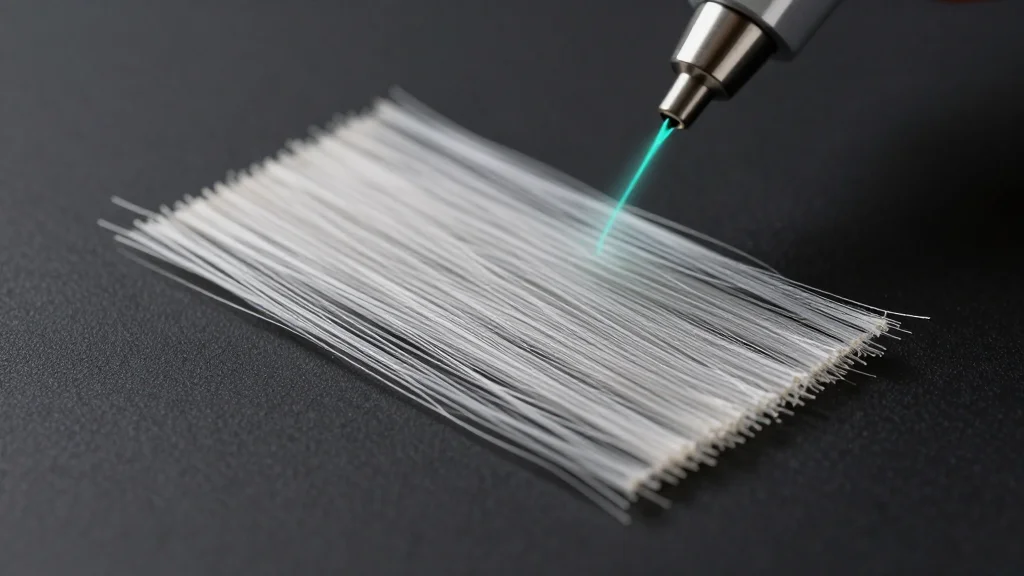
A Comprehensive Review on Electrospinning: Mechanisms, Functional Modifications and the Importance of Nanofiber Systems
The review by Oleiwi and Dalfi surveys recent progress in electrospinning, highlighting its ability to produce nanofibers with high aspect ratios, large surface areas, and porosity. It details persistent drawbacks such as limited mechanical strength, thermal instability, and constrained functionality....