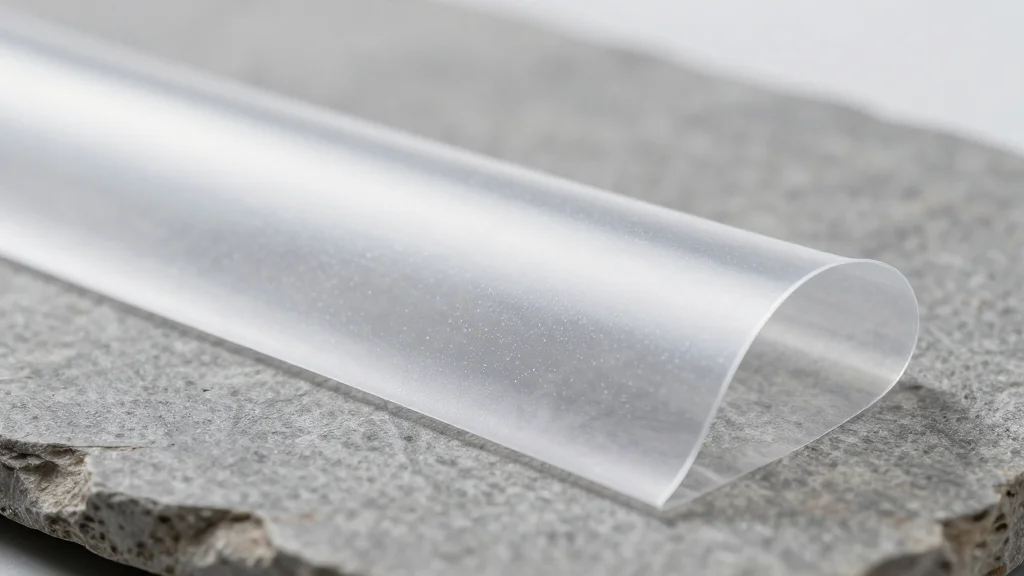
The Role of Nanoparticles in Bioplastics
Why It Matters
The ability to produce high‑performance, biodegradable plastics could dramatically cut plastic waste and reduce reliance on fossil‑based polymers, reshaping packaging and medical markets. Overcoming scalability and safety issues will determine whether this nanotech‑enabled solution can deliver real environmental and economic benefits.
Key Takeaways
- •Nanoparticles boost bioplastic strength, thermal stability, and barrier performance.
- •Starch nanoparticles enable biodegradable packaging with lower water vapor permeability.
- •Scale‑up production remains a major hurdle for commercial adoption.
- •Toxicity assessments are essential before widespread medical applications.
Pulse Analysis
The global push for sustainable materials has placed bioplastics at the forefront of polymer innovation. Derived from corn, potato or sugarcane starch, these polymers decompose naturally, offering a clear advantage over petrochemical plastics that persist for centuries. Yet, conventional bioplastics often fall short in tensile strength and moisture barrier performance, limiting their suitability for high‑demand applications such as food packaging or medical implants. Investors and regulators alike are therefore seeking ways to close the performance gap without sacrificing the environmental credentials that make bioplastics attractive.
Nanoparticle reinforcement provides a compelling solution to that performance gap. Incorporating nanoscale fillers—particularly starch‑derived nanoparticles—creates a densely packed matrix that markedly improves rigidity, thermal stability, and resistance to water vapor transmission. Laboratory studies report up to a 40 % increase in tensile strength and a 30 % reduction in permeability compared with unfilled bioplastic films. These enhancements open doors to biodegradable mulch films in agriculture, high‑barrier food trays, and even biocompatible scaffolds for tissue engineering, where mechanical integrity is non‑negotiable.
Despite promising lab results, commercial rollout faces two critical obstacles: scalable manufacturing and safety validation. Current nanoparticle dispersion techniques rely on batch‑wise solvent casting, which is costly and difficult to translate to continuous extrusion lines. Moreover, the long‑term fate of embedded nanoparticles in soil or the human body remains under‑explored, prompting calls for rigorous toxicological assessments. Addressing these issues will require coordinated investment in pilot‑scale production equipment and interdisciplinary research, but the payoff—a truly sustainable, high‑performance plastic—could reshape multiple industries and deliver measurable reductions in plastic waste.
The Role of Nanoparticles in Bioplastics
Comments
Want to join the conversation?
Loading comments...