
Debate to Explore Whether the U.S. Scientific Enterprise Is Too Risk-Averse
Johns Hopkins University will host a public debate on May 5 to assess whether the United States’ scientific enterprise has become overly risk‑averse. The discussion, part of the Hopkins Forum series, will feature economists and scientists on both sides, including Tyler Cowen, Brandon Ogbunu, Kate Biberdorf, and NSF director Sethuraman Panchanathan, and will be moderated by journalist John Donvan. Organizers argue the debate is a chance to scrutinize funding structures, peer‑review norms, and institutional incentives that shape breakthrough research. The event aims to explore how risk tolerance influences innovation, public trust, and the nation’s economic and security prospects.

Synthetic Biologist Reza Kalhor Receives $250,000 President's Innovation Award
Synthetic biologist Reza Kalhor received the $250,000 President’s Innovation Award at Johns Hopkins University, recognizing his work on genomic recording technologies that capture biological events in DNA. His approach enables scientists to trace how early‑life signals contribute to diseases such...

Bloomberg Philanthropies and Johns Hopkins University Launch Mayors AI Forum at CityLab
Bloomberg Philanthropies and Johns Hopkins University announced the Mayors AI Forum at the Bloomberg CityLab 2026 summit in Madrid. The initiative gathers forward‑thinking mayors from cities such as Bogotá, Boston, London, and Tokyo to demonstrate responsible AI deployment in public...
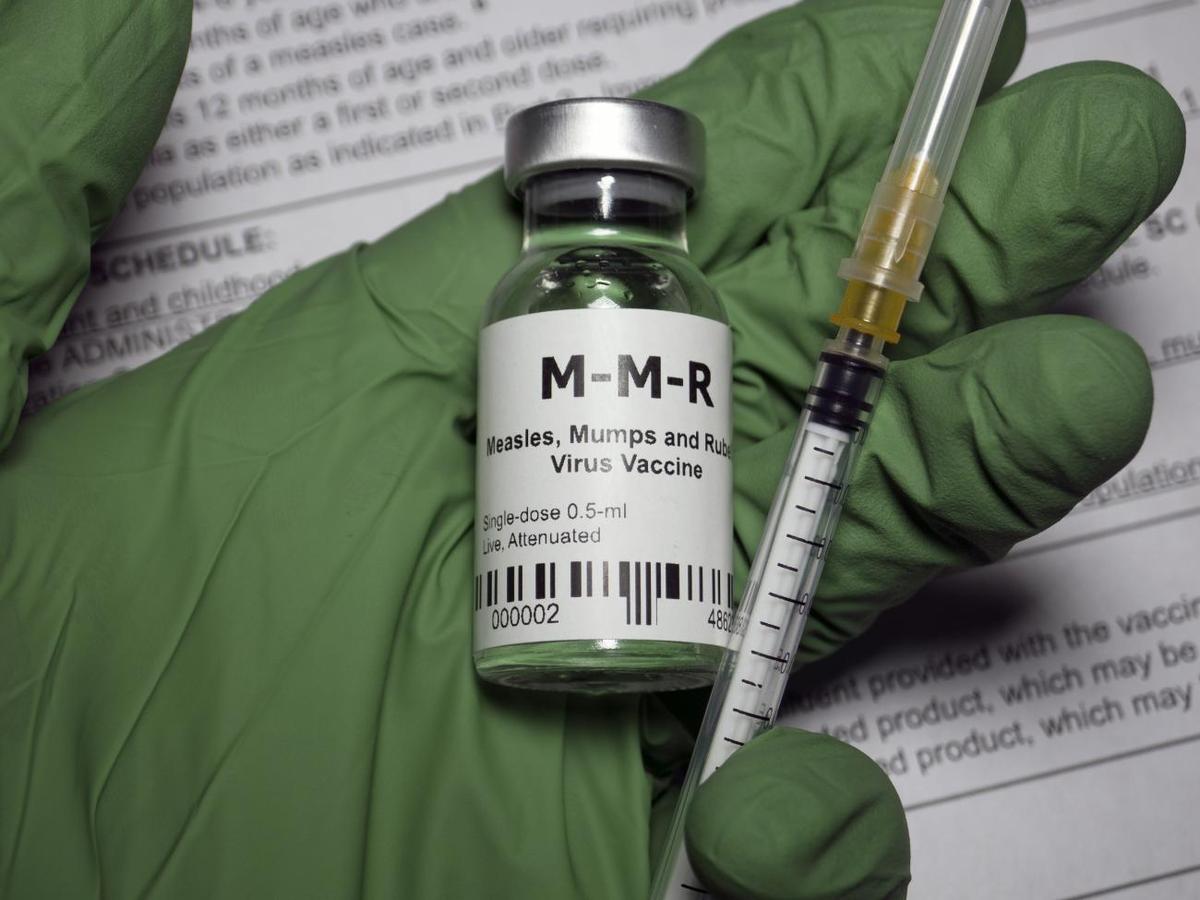
Where People Get Their News Influences Their Beliefs About Vaccines
A Johns Hopkins study of 2,970 U.S. adults finds that regular consumers of “new right” media—such as Breitbart, Newsmax and Zero Hedge—are more than twice as likely to be vaccine‑hesitant. The survey, conducted in 2025 amid a record measles surge of...

Chemical Engineer Ive Hermans Joins Johns Hopkins Faculty
Ive Hermans, a leading chemical engineer known for breakthrough catalytic systems, has joined Johns Hopkins University as the Bloomberg Distinguished Professor of Sustainable Chemical Transformations. His research, which includes replacing toxic tin with bismuth in polyester production, aims to make...

A Student's Path to Publishing
Alessa Carbo, a junior computer‑science student at Johns Hopkins, co‑authored a paper on AI‑powered translation of sign‑language videos that was accepted at the 2025 EMNLP conference. The work, developed during the Frederick Jelinek Summer Workshop, uses a custom vision‑language model...

Survey: U.S. Adults Agree Health Care Is a Right and Eliminating Health Inequities Is a Priority
A new Institute for Policy Solutions survey of 1,578 U.S. adults finds a strong majority view health care as a right and support eliminating health inequities. Seventy‑one percent say access is a right, while 70 percent want the nation to...

Decoding the Blood-Brain Barrier
Johns Hopkins professor Peter Searson’s lab is building stem‑cell‑derived, tissue‑engineered blood‑brain barrier (BBB) models to study how diseases such as Alzheimer’s, multiple sclerosis, obesity and traumatic brain injury compromise the brain’s vascular shield. Funded primarily by the NIH, the effort...

Primitive Star Offers Rare Window Into the Dawn of Our Universe
Astronomers have identified SDSS J0715‑7334, the most metal‑poor star ever found, containing less than 0.005% of the Sun’s metal content. Located about 80,000 light‑years from Earth near the Large Magellanic Cloud, the star’s composition mirrors the material left by the first...
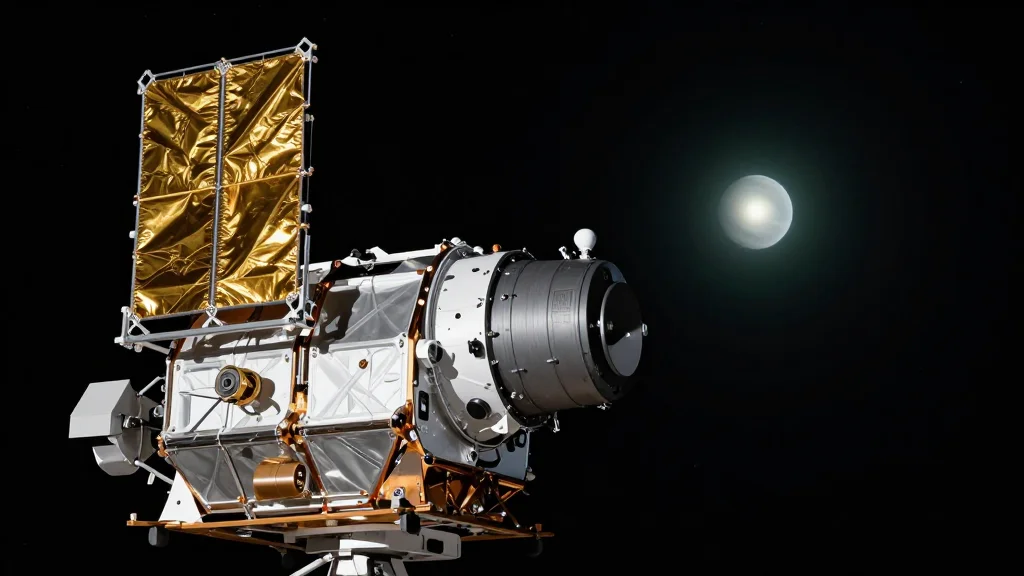
Observational Astronomer William Balmer Awarded 51 Pegasi B Fellowship
Observational astronomer William Balmer, a Johns Hopkins PhD candidate, has been awarded the Heising‑Simons Foundation 51 Pegasi b Fellowship, providing up to $450,000 over three years to pursue direct imaging of exoplanets at Northwestern University. Balmer’s work, highlighted by the first direct...

Clark Scholars Bring Donated Books to Jamaica
Hurricane Melissa devastated Jamaica in October 2025, destroying 59 library branches and 32,000 books. Johns Hopkins' Clark Scholars Program responded by flying 100 donated books to the island, with 19 undergraduates participating in a leadership‑focused trip. The Jamaica Library Service...

Hopkins Symphony Orchestra Debuts New Piece About Frederick Douglass
The Hopkins Symphony Orchestra will debut the newly commissioned "Douglass Portrait" on April 18, pairing it with Aaron Copland’s historic "Lincoln Portrait." Composed by retired Army captain J. Kimo Williams, the work narrates Frederick Douglass’s life through music and spoken word. Conductor Jed Gaylin...
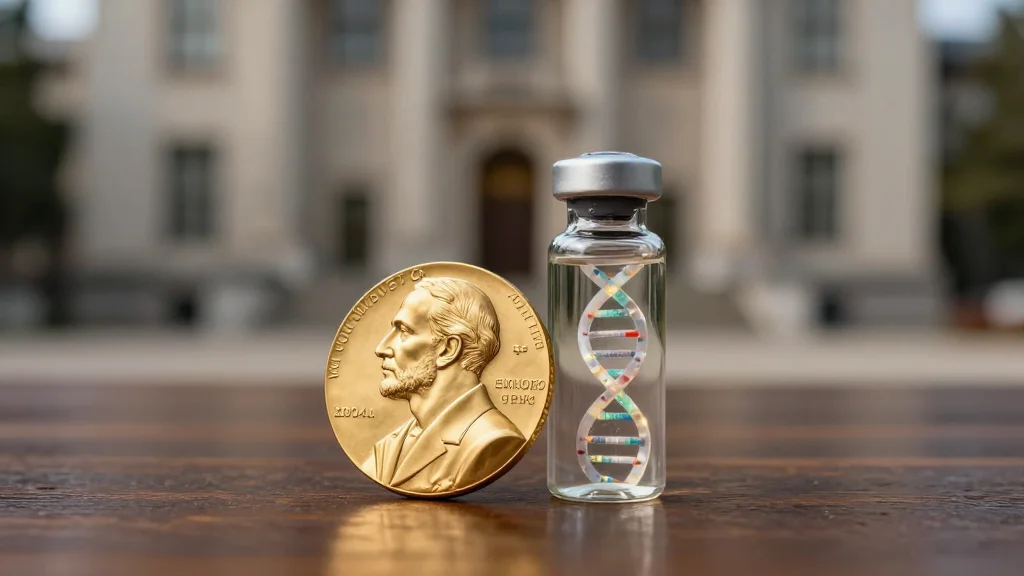
MRNA Pioneer Katalin Karikó to Give Johns Hopkins Commencement Address
Nobel laureate Katalin Karikó will deliver the commencement address at Johns Hopkins on May 21. Karikó, whose mRNA work underpins the Pfizer/BioNTech and Moderna COVID‑19 vaccines, will receive a Doctor of Humane Letters. Her career, marked by early setbacks and decades‑long...
Med Student Ursula Gately Connects the Climate to the Clinic
Second‑year Johns Hopkins medical student Ursula Gately will speak at the Hop Talks event on April 7, highlighting how planetary health can be turned into concrete community‑health actions. Gately draws on her personal experience with valley‑fever and her work with the...

Neuroscientist Ilya Monosov Joins Johns Hopkins
Ilya Monosov, a leading neuroscientist, has joined Johns Hopkins as the Bloomberg Distinguished Professor of Curiosity and Intelligence. His research deciphers how neural circuits drive decision‑making, curiosity, and information‑seeking, and how these processes break down in disorders such as OCD...
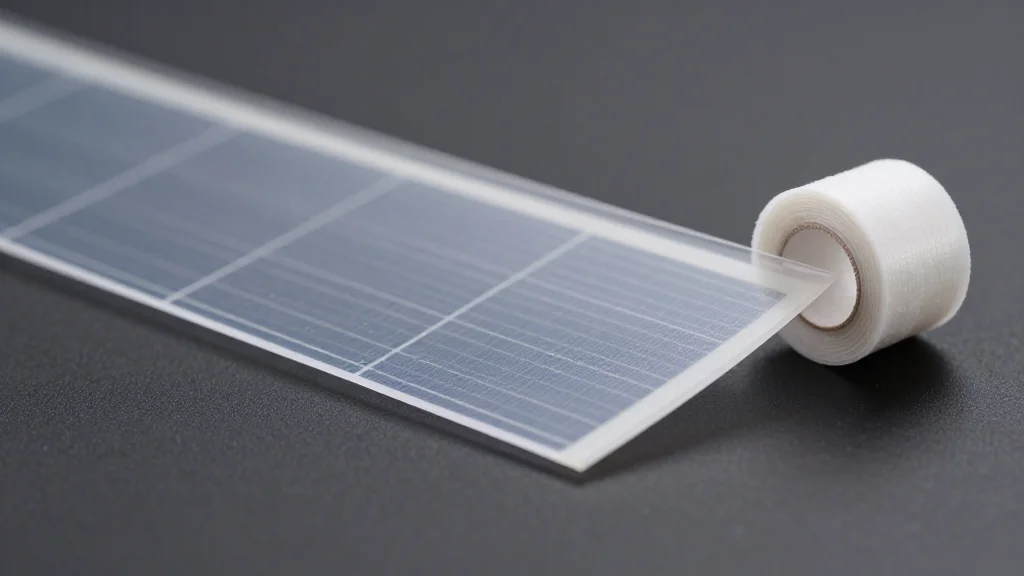
Building Better Batteries and Much More: Johns Hopkins Grows Energy Innovation Ecosystem
Johns Hopkins University’s Office of Climate and Sustainability unveiled its 2025 Sustainability Progress Report, showcasing a suite of research breakthroughs and operational gains. Faculty teams led by Susanna Thon and Sara Thoi are pioneering photobatteries and spray‑paintable quantum‑dot solar cells...

Ten Johns Hopkins Researchers Named American Association for the Advancement of Science Fellows
Ten Johns Hopkins University researchers have been elected to the 2025 class of American Association for the Advancement of Science (AAAS) Fellows, joining 449 distinguished scholars across 24 scientific disciplines. The fellows—spanning physics, biological sciences, medical sciences, and engineering—will be...

Broad Collaboration Produces High-Resolution Atlas of Developing Human Brain
Johns Hopkins scientists have assembled the most detailed cellular atlas of the human neocortex, merging data from nearly 200 studies and over 30 million cells. The open‑access web portal makes the high‑resolution map available to researchers worldwide, facilitating exploration of gene‑expression...

Hopkins Bloomberg Center Exhibition to Explore American Art as Cultural Diplomacy
The Johns Hopkins Bloomberg Center will host "Artistic Generosity and the American Artist Abroad" from April 7 to June 13, showcasing four decades of American art placed in U.S. embassies worldwide. The exhibition draws from the Foundation for Art and Preservation in...

Johns Hopkins Awarded $15M to Develop Platform to Study Neurological Diseases, Screen Chemicals
Johns Hopkins received a five‑year, $15 million NIH grant to build the Drug Research Organoid Intelligence Development Platform (DROIDp). The platform will combine human brain organoids, advanced electrical sensors and AI analytics to evaluate learning, memory and neurotoxicity. It targets Alzheimer’s,...

Allyson Bear Named President and CEO of Jhpiego
Allyson Bear, a Bloomberg School of Public Health alumna with more than 25 years of global‑health leadership, has been appointed president and CEO of Jhpiego, effective April 1, 2026. She succeeds Leslie Mancuso, who led the Johns Hopkins‑affiliated organization for over two...

Howler Monkeys Began Eating Leaves 13 Million Years Ago, Changing Primate History
Researchers at Johns Hopkins have identified the extinct howler monkey relative Stirtonia victoriae as the earliest known leaf‑eating primate in South and Central America, dating back 13.3‑13.6 million years. Dental and mandibular analysis reveals adaptations for folivory that allowed the...
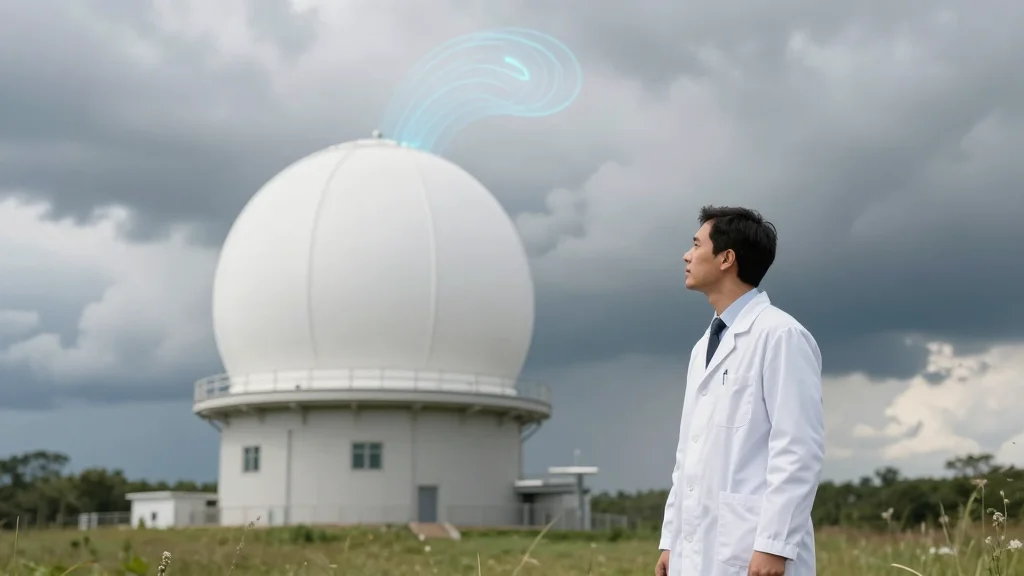
Scientists Sound Alarm over Federal Plan to Dismantle Vital Weather and Climate Lab
Scientists at Johns Hopkins warn that the federal plan to break up the National Center for Atmospheric Research (NCAR) threatens the nation’s premier weather‑forecasting infrastructure. The Office of Management and Budget announced the move on social media, labeling NCAR a...

Tomatoes, Carrots, and Lettuce Store Pharmaceutical Byproducts in Their Leaves
Researchers at Johns Hopkins University examined how four psychoactive pharmaceuticals behave in tomatoes, carrots and lettuce irrigated with treated wastewater. In controlled experiments, the drugs and their metabolites accumulated predominantly in leaf tissue, with tomato leaves showing concentrations over 200...

An Efficient, Reusable Framework to Evaluate AI Safety
Researchers at Johns Hopkins and Microsoft introduced Jailbreak Distillation (JBDistill), a renewable framework that automates safety testing for large language models (LLMs). By over‑generating adversarial prompts and selecting the most effective subset, the method creates a consistent benchmark that can...

Renowned Theoretical Cosmologist and Data Scientist Benjamin Wandelt Joins Johns Hopkins
Renowned cosmologist and data scientist Benjamin Wandelt has joined Johns Hopkins University as the Bloomberg Distinguished Professor of Cosmology and Scientific AI. He arrives from the Institut d'Astrophysique de Paris and the Flatiron Institute, bringing deep expertise in cosmic microwave...

Johns Hopkins Leads $24M Multinational Consortium to Find Hepatitis B Cure
Johns Hopkins Medicine is heading a five‑year, $24 million NIH‑funded Hepatitis B and HIV Cure Consortium that brings together research teams from the United States, Brazil, India, Senegal and Uganda. The first year will enroll 450 participants co‑infected with HIV and chronic...
Hopkins Funds AI Research Across the Country to Support Aging Patients
Johns Hopkins’ Artificial Intelligence and Technology Collaboratory for Aging Research (JH AITC) has distributed $20 million in National Institute on Aging funds to 45 states, D.C., Puerto Rico and the U.S. Virgin Islands, spawning 42 peer‑reviewed papers, seven market‑ready products and $11.7 million...

Researchers Aim to Visualize Brain Activity at True Speed
Johns Hopkins researchers, led by Adam Charles, secured a four‑year, $2.7 million NIH grant to build an AI‑enhanced optical imaging system that can record brain activity 20 to 50 times faster than current methods. The platform will translate voltage spikes and...