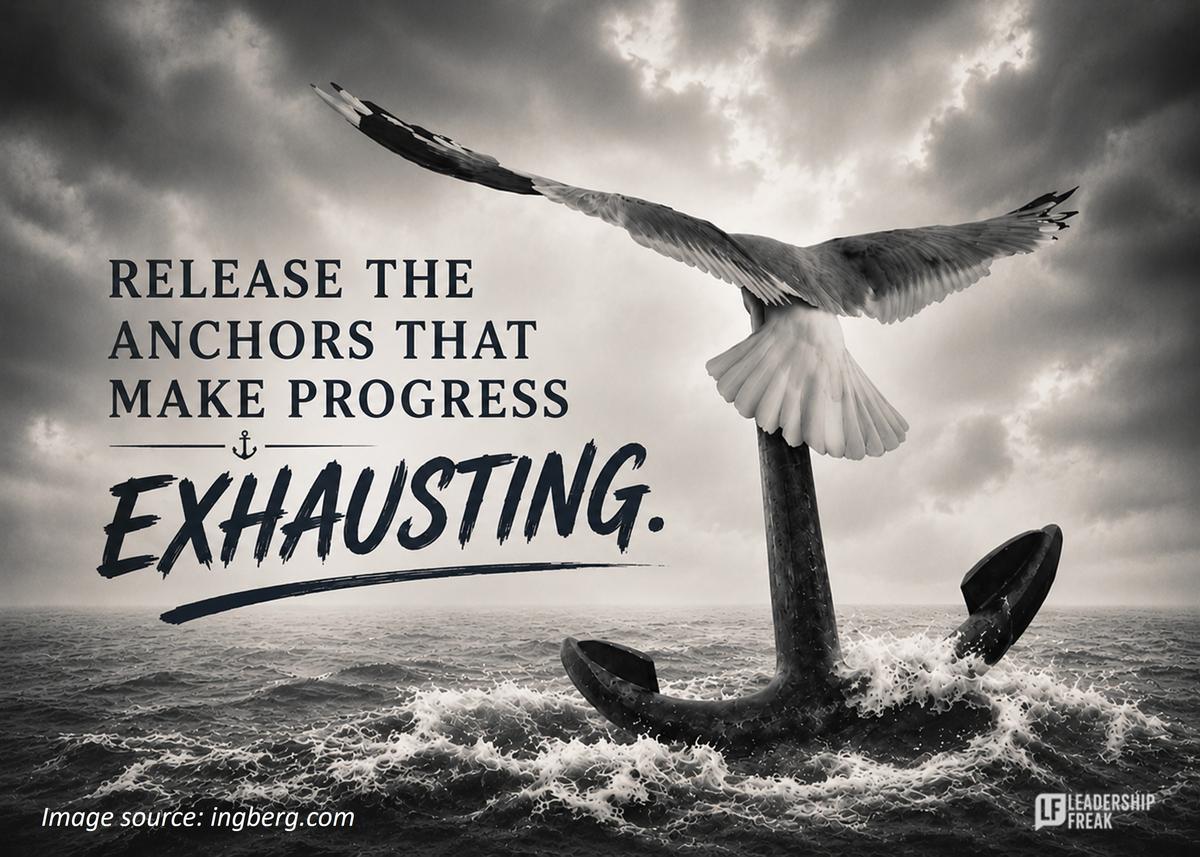
3 Anchors That Hold You Back
The article identifies three common "leadership anchors"—perfect moments, lingering offenses, and false urgency—that keep executives stuck. It argues that clinging to comfort, certainty, expertise, control, and distraction hinders progress. By asking practical questions and adopting low‑risk experiments, leaders can break free. The piece also offers actionable tactics like scheduling white space, prioritizing "big rocks," and addressing grievances with generosity to restore momentum.

Secret Powers of Informal Influencers
Leaders who rely only on formal authority often overlook informal influencers—employees who shape opinions and behavior without a title. The article outlines a three‑step process: identify hidden leaders using five probing questions, develop them by investing in “almost ready” talent,...
Break the Habit of Bad Habits
The article warns that bad habits in leadership often arise unintentionally under time pressure, constant crises, and a false sense of purpose. It outlines three reasons destructive habits take root: pressure‑driven neglect, normalized firefighting, and problem‑centric identity. To counteract these...
Small Dreams Are Dangerous
The article "Small Dreams Are Dangerous" argues that modest, actionable goals are more powerful than lofty, vague ambitions. It outlines five practical steps: prioritize serving others, act immediately, reject artificial wealth‑centric targets, focus on small‑scale impact, and build collaborative teams....
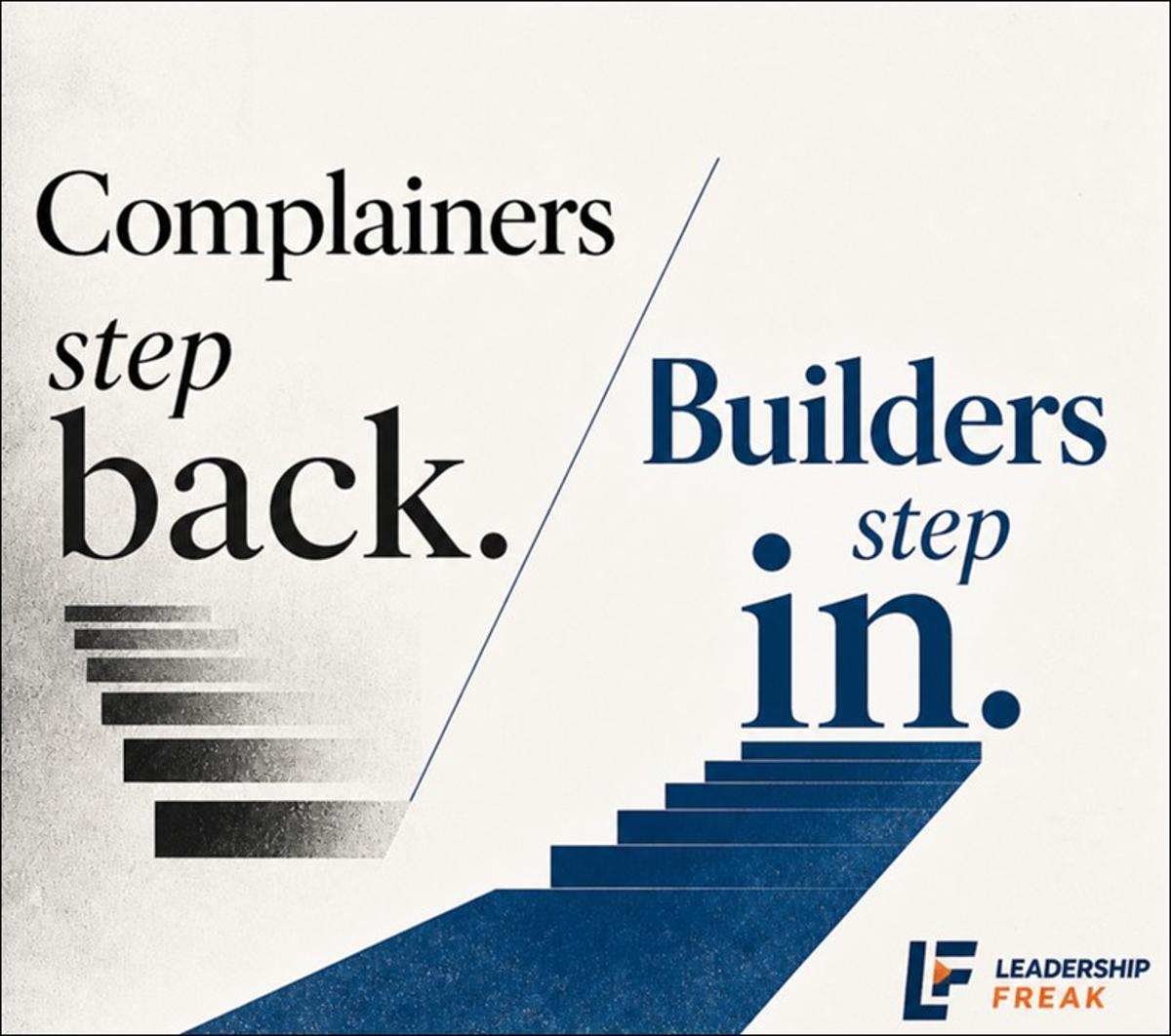
5 Kinds of Complainers
The article outlines five distinct "complainer" archetypes—Stone‑Throwers, Chronic Drainers, Victims, Perfectionists, and Fire‑Starters—and contrasts them with "builders" who seek solutions. It provides a set of probing questions designed to shift complainers toward accountability, then lists five practical tactics for leaders,...

Tap The Power of Subtraction
The article argues that productivity gains come from subtraction—systematically removing low‑value commitments rather than merely saying no. It outlines a four‑point framework that sharpens focus, restores energy, improves quality, and boosts satisfaction. Practical tactics include a daily “stop audit,” weekly...

Fuzzy Values Make Exhausted Leaders
The article warns that leaders operating without clear personal values become exhausted, making decisions feel draining and inconsistent. It outlines a four‑step process: audit emotions to surface hidden values, distill them into three to five powerful words, translate those words...

How Leaders Shrink People
The article argues that leaders who express gratitude build employee worth, power, and strength, while power‑hungry leaders shrink people through criticism and neglect. It outlines three pillars—building worth, expanding power, and increasing strength—showing how appreciation fuels confidence, initiative, and performance....
How Leaders Fuel Brush Fires
The article reframes leadership from fixing problems to "fueling brush fires"—identifying and amplifying the energy‑producing behaviors that naturally drive performance. It urges leaders to map where teams are already thriving, name the underlying attitudes, and replicate those pockets of positivity...

Words Are Money
The article frames communication as a financial investment, urging leaders to treat words like currency. It outlines four principles—Invest, Diversify, Value, and Compound—each offering concrete tactics such as defining intent, using a 60/25/15 mix of encouragement, inquiry, and correction, cutting...
4 Ways to Build Tenacity in Others
The article outlines four practical ways leaders can cultivate tenacity in their teams. First, it urges an “earn‑it” mindset that frames opportunities as rewards for effort. Second, it recommends adding challenge weight incrementally to avoid overwhelming employees. Third, it suggests...

Lipstick on a Pig
The article warns leaders against superficial fixes—"lipstick on a pig"—that conceal deeper organizational problems. It distinguishes technical issues, solvable with tools, from adaptive challenges that require behavior change, such as rebuilding trust. The author urges leaders to stop treating symptoms...

5 Questions That Unleash Humility
The article presents a five‑question framework to cultivate humility in leaders, emphasizing curiosity, gratitude, and openness to alternative views. It argues that humility drives continuous learning, better decision‑making, and stronger team dynamics. By turning abstract virtues into concrete prompts, the...

Howling Monkeys Make Lousy Leaders
The article argues that vocal, controlling leadership – likened to a howling monkey – hampers productivity and engagement. It contends that effective leaders provide clear guardrails, trust competent team members, and step back to let talent operate. By reducing noise...
The Forgotten Habit
Stephen R. Covey’s classic Seven Habits omits a crucial eighth habit: the ability to begin again. The article proposes a "to‑stop" list that helps leaders discard outdated practices and embrace purposeful abandonment. It links kindness with excellence, urging leaders to...