
Too Cheap to Meter?
Matt Yglesias argues that clean‑energy should become "too cheap to meter," advocating massive solar installations that could raze forested land. He downplays coal’s public‑health harms, labeling them merely "smoggy," and dismisses energy‑efficiency as unnecessary. The author criticizes this techno‑optimism as unrealistic, likening it to AI‑singularity hype, and calls for a more balanced approach that weighs environmental costs. The piece underscores the tension between ambitious clean‑energy rhetoric and pragmatic policy.

Reforming CEQA Part 1
The California Chamber of Commerce’s CEQA rewrite initiative qualified for the November ballot, opening a window for legislative overhaul of the state’s environmental review law. The author argues that CEQA should function as a backstop, capturing cumulative, indirect, and emerging...

Is BACA Constitutional?
The California Chamber of Commerce’s Business and Climate Act (BACA) proposes to rewrite CEQA by limiting judicial review of agency decisions to whether they comply with objective existing laws. This restriction raises constitutional concerns under California’s separation‑of‑powers doctrine, as courts...
Methane, Exposed
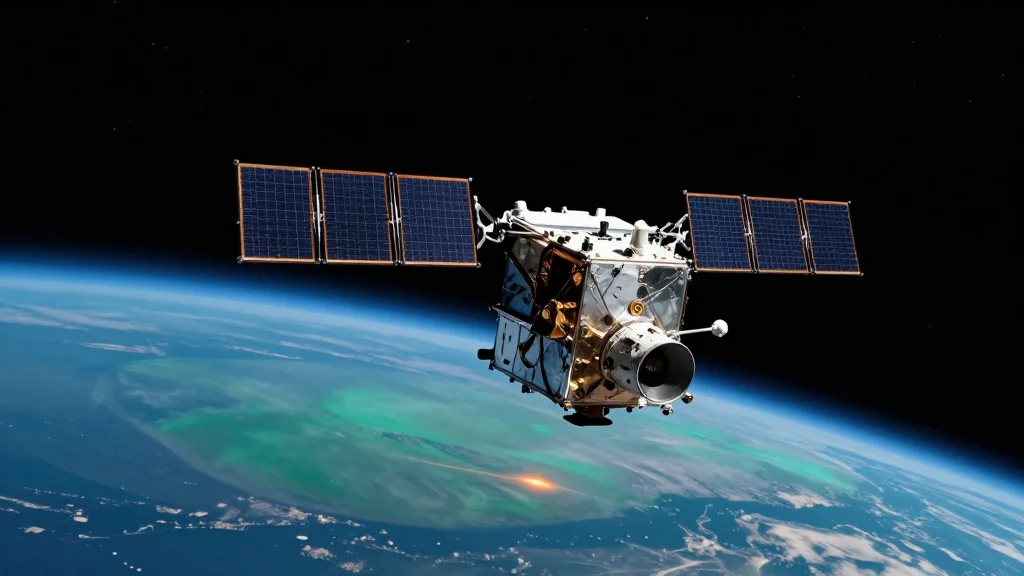
The UCLA Emmett Institute’s STOP Methane project released two new 2025 reports identifying the world’s top 25 methane emitters in the waste and oil‑and‑gas sectors, based on satellite observations from Planet Labs’ Tanager‑1 and NASA’s EMIT instruments. The waste‑sector list spots...
BACA Makes the Ballot
The California Chamber of Commerce has gathered enough signatures to place the Building an Affordable California Act (BACA) on the November ballot. The measure, titled “Modifies Environmental Review for Certain Projects,” would dramatically reshape the California Environmental Quality Act (CEQA)...
Return to Plessy V. Ferguson?
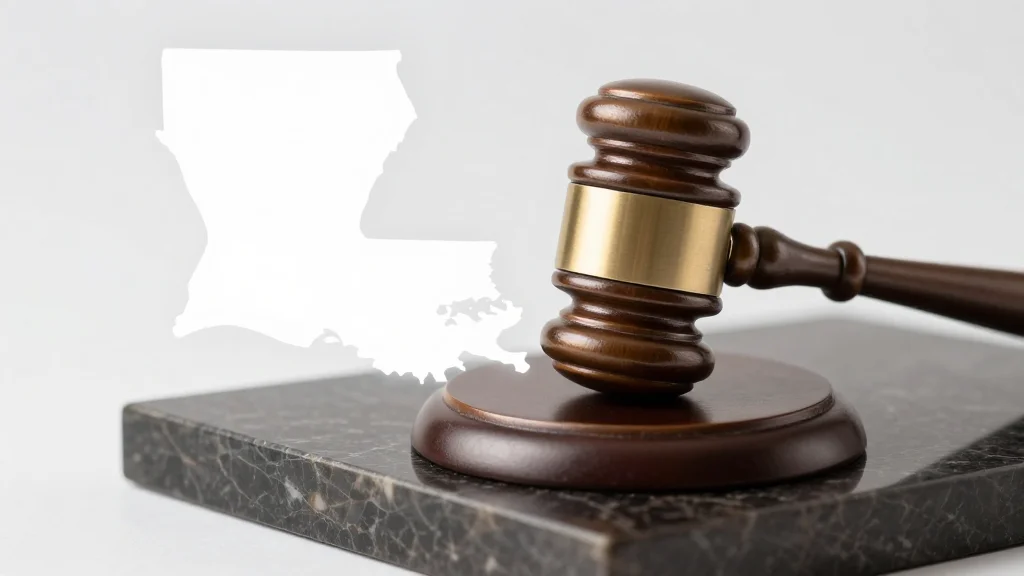
The Supreme Court’s Louisiana v. Callais decision permits race‑based gerrymandering by treating racial motives as a political pretext, effectively reviving de facto segregation. The opinion mirrors the logic of Plessy v. Ferguson, dismissing evidence of inequality in favor of formalist reasoning....
New Issue Brief: Community Engagement in Equity-Oriented EV Planning
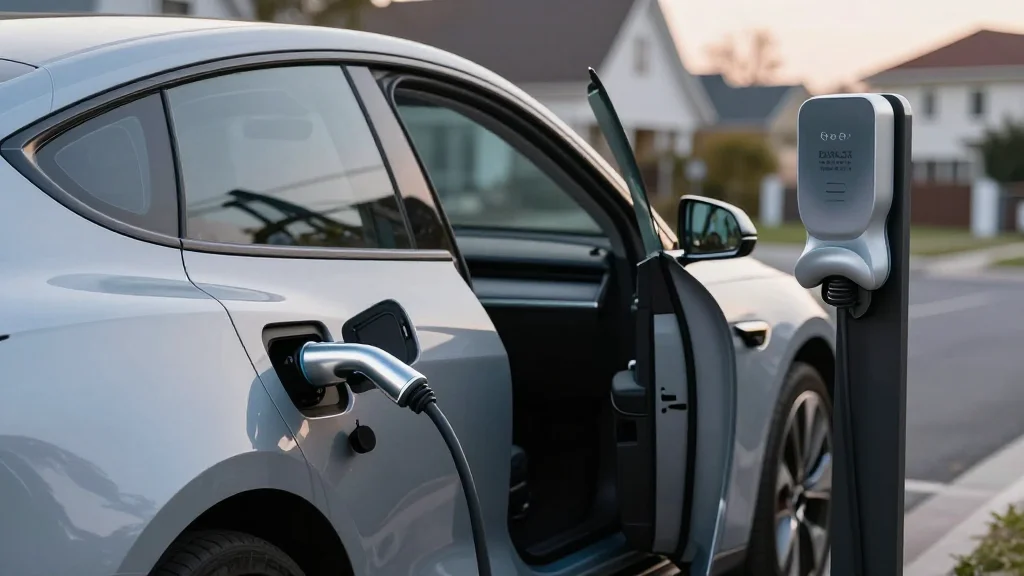
The Center for Law, Energy & the Environment (CLEE) released an issue brief that documents the community‑engagement process behind the Association of Monterey Bay Area Governments’ (AMBAM) EV CAR planning initiative. The brief draws on interviews and a multilingual survey...

How to Flip the Script for a Real Fossil Fuel Phaseout
More than 50 governments gathered in Santa Marta, Colombia, to draft a concrete roadmap for phasing out oil, gas and coal. The conference draws on the Montreal Protocol’s successful club‑based, staged‑cut model as a template for fossil‑fuel reduction. Organizers argue...
An Encouraging Signal About Federal Preemption
The Supreme Court in Hencely v. Fluor declined to preempt South Carolina law despite the case’s strong federal ties, underscoring a narrow view of preemption. The Court held that preemption requires a clear conflict with a specific constitutional provision or...

The Story of California’s Advanced Clean Trucks Regulation
California’s Air Resources Board adopted the Advanced Clean Trucks (ACT) regulation in 2020, mandating zero‑emission truck sales beginning in 2024 and scaling targets through 2035. The rule introduced a credit‑deficit trading system that lets manufacturers buy credits from peers who...

California’s Gas System Is Crumbling. SB 1359 Charts a Path to a Clean Energy Future.
California’s aging natural‑gas network is draining over $10 billion of ratepayer funds each year, prompting lawmakers to act. Senate Bill 1359, introduced by Sen. Henry Stern, directs the CPUC to align gas system planning, ratemaking, and capital investments with the state’s...

Community Benefits Aren’t Impossible – They Just Take Work
California is moving toward its 2045 net‑zero goal by advancing offshore wind projects, and a new Statewide Strategy for the Coexistence of California Fishing Communities and Offshore Wind Energy outlines how community benefits funds will mitigate residual impacts on fishermen,...

Lessons for a Warming Planet: A Vital History of U.S. Environmental Law
Law professors Alejandro Camacho and Brigham Daniels released “Lessons for a Warming Planet” on Earth Day, offering a sweeping history of U.S. environmental law. The book traces how 19th‑ and 20th‑century social movements turned scientific evidence into landmark statutes, from...
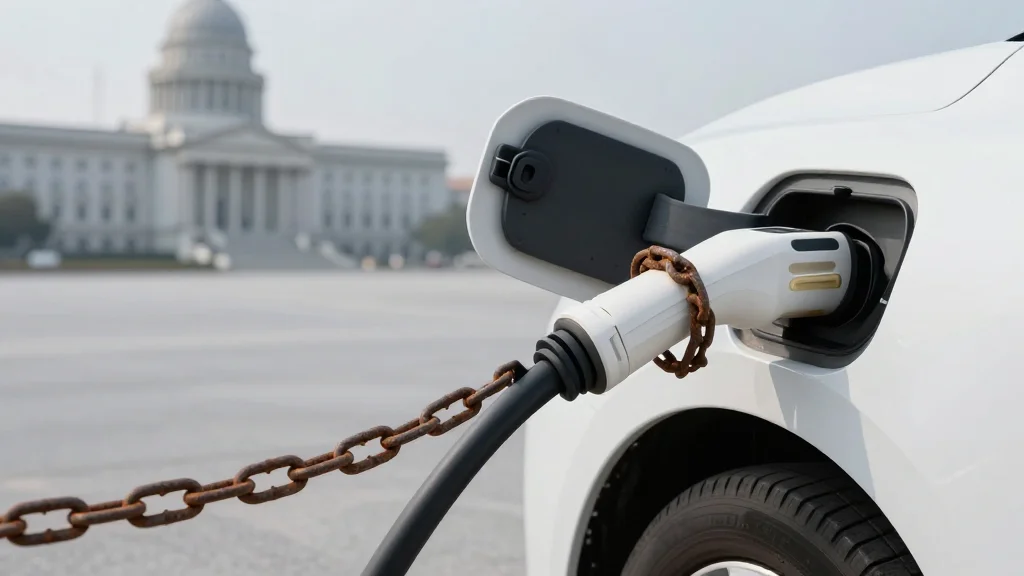
How, Exactly, Has Trump Gone After EVs?
The Trump administration and Congress have dismantled the federal framework supporting electric vehicles. A 2025 tax bill stripped away the $7,500 new‑EV credit, the $4,000 used‑EV credit, and commercial incentives, while also removing penalties for fuel‑economy violations. Simultaneously, EPA rescinded...
Harmful Activities, the Duty to Rescue, and Climate Change
The article argues that tort law’s duty‑to‑rescue principle can frame climate‑change responsibility. When a party’s activity creates a risk of harm, the law imposes an affirmative duty to provide reasonable assistance, even if the harm isn’t wrongful. Applying this to...