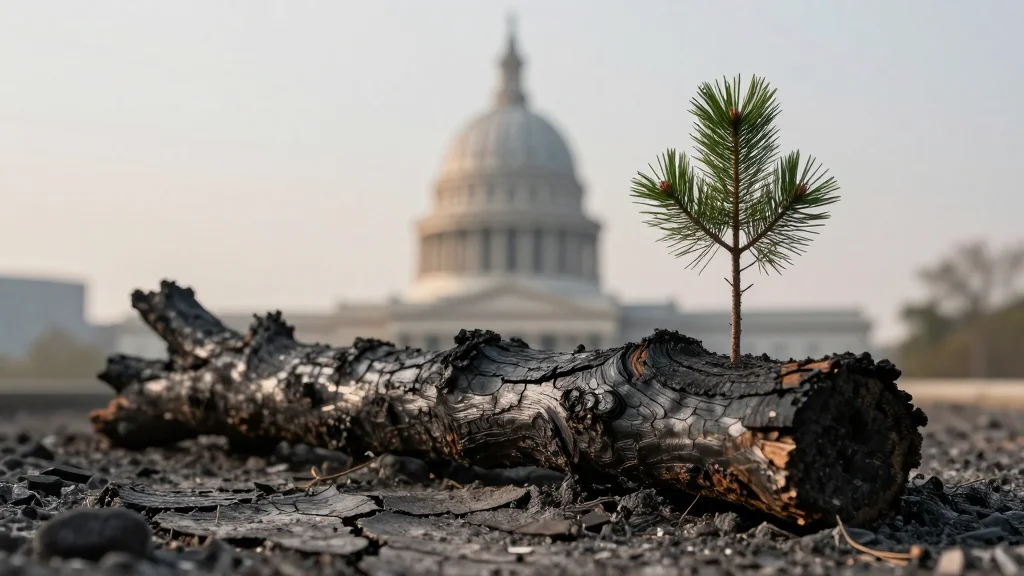
Climate Issues in the 2026 Governor’s Race: Wildfire
California’s wildfire crisis has intensified, with 18 of the state’s 20 most destructive fires occurring in the past 25 years. The 2025 Los Angeles blazes alone killed at least 31 people and generated $95‑$164 billion in property and capital losses. Utilities are linked to roughly half of all major fires, driving $27 billion in ratepayer costs from 2019‑2023, while insurance availability dwindles. The incoming governor will need to fund forest‑fuel reduction, enforce “zone zero” home‑hardening rules, and reshape utility liability and insurance frameworks.
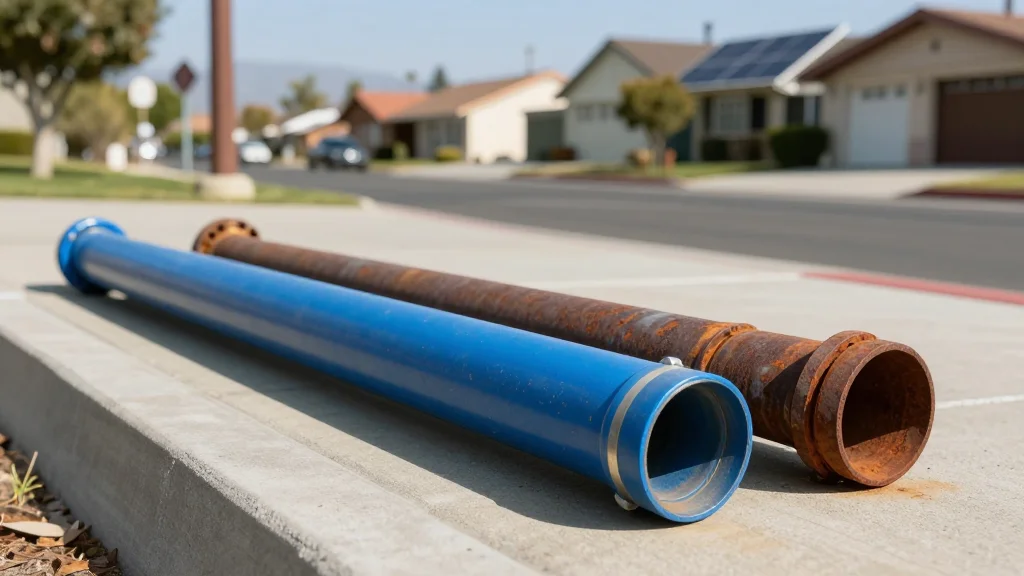
California Has a Neighborhood Decarbonization Law. How Does It Work?
California’s CPUC is drafting guidelines for Senate Bill 1221, a pioneering program that shifts building decarbonization from individual appliances to whole‑neighborhood electrification. The law allows utilities to retire gas pipelines and replace them with zero‑emission alternatives if at least 67 %...

‘Smog and Sunshine’: Achieving Clean Air in California
Ann Carlson’s new book, “Smog and Sunshine,” chronicles how Los Angeles transformed from a smog‑choked metropolis to a model of air‑quality improvement. The narrative traces early scientific breakthroughs, such as Arie Haagen‑Smit’s ozone research, and highlights pivotal policies like the statewide...
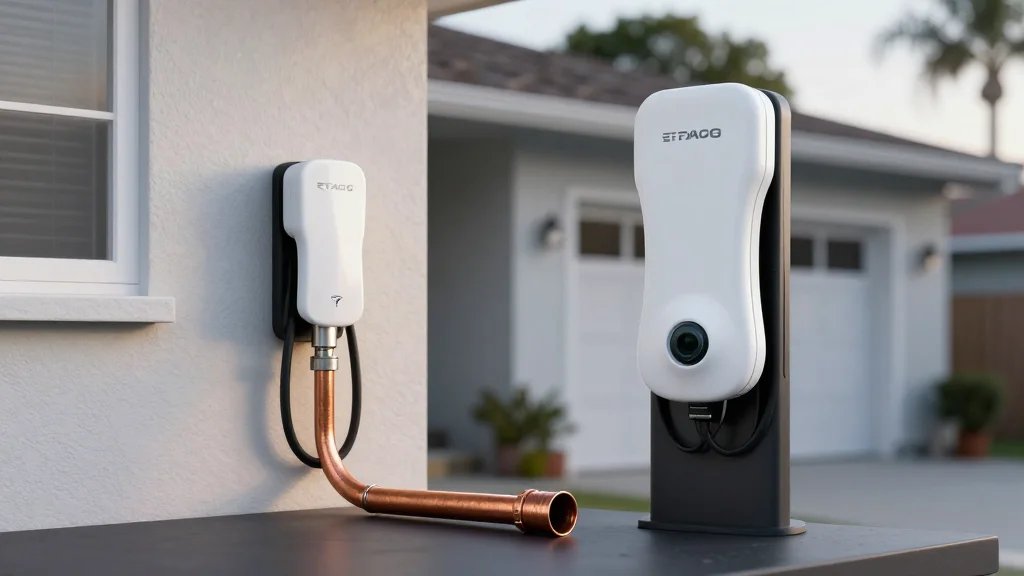
The Promise of Non-Pipeline Alternatives to Gas Lines
California is moving faster to eliminate natural‑gas service lines, highlighted by Assemblymember Marc Berman’s Home Energy Choice Act (AB 2313). The bill would compel utilities to offer financial incentives for homeowners to electrify, letting participants forgo gas service and avoid costly...

Never Give Up! Every Ton of Carbon We Can Cut Still Matters
The article argues that despite the United States exiting international climate talks and most nations missing Paris targets, every ton of carbon dioxide avoided still matters. It explains that each additional ton produces roughly the same amount of warming, but...
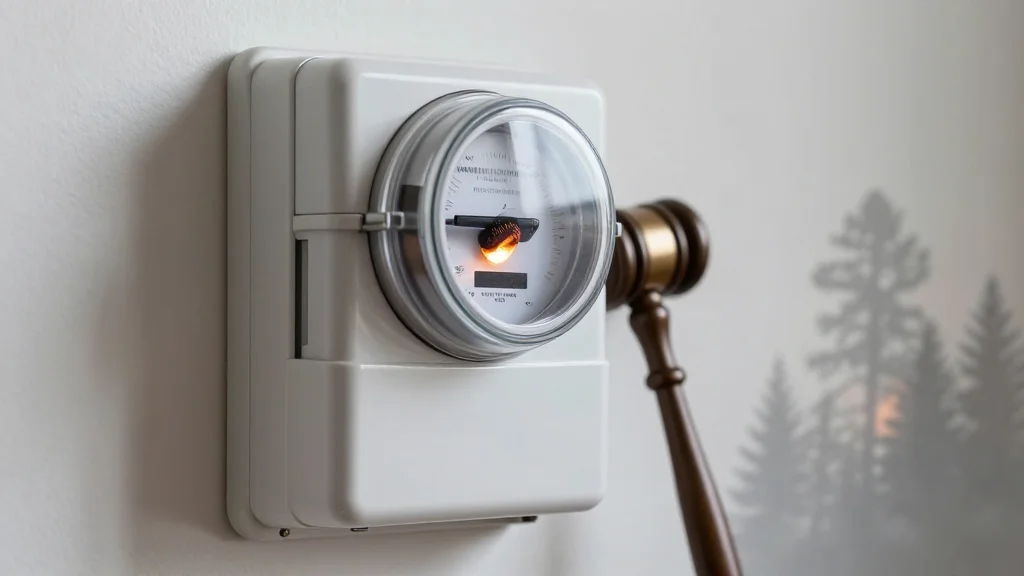
What Does Wildfire Resilience Cost?
A new UCLA Emmett Institute report titled *The Price of Resilience* examines how wildfire‑related costs are allocated between transmission customers and retail ratepayers. In California, wildfire mitigation and liability expenses now represent roughly a quarter of residential electricity bills, driven...

The War and the Energy Transition
The Iran‑War has sent oil and gasoline prices soaring, with Brent crude climbing from roughly $70 to $115 a barrel and U.S. gasoline up about 30%. Natural‑gas costs have surged 50% in Europe and Asia, while U.S. prices remain flat...

The Path to Abundance, Part I
The "abundance" movement is gaining momentum as advocates push legal and policy reforms to expand housing, energy and other infrastructure. YIMBY activists have leveraged this framing to demand zoning changes across multiple states, while a best‑selling 2025 book and...

Harming Species
The Trump administration has proposed repealing the Endangered Species Act’s definition of “harm,” effectively removing the federal prohibition on habitat destruction for listed species. A recent study by Berry Brosi and colleagues shows that 42.4% of known habitat patches for...

Why Do Governments Around the World Use Supply-Side Regulations to Boost Clean Transport?
Governments worldwide are increasingly adopting supply‑side regulations—fuel‑economy standards, emission limits, and zero‑emission vehicle quotas—to accelerate clean‑transport adoption, especially in heavy‑duty trucks. A new UC Berkeley CLEE report maps jurisdictions using these tools and highlights their ability to compel automakers to invest...

The Complexity of California Housing Law
California’s state density‑bonus law rewards developers who include affordable units by allowing taller buildings and pre‑empting certain local restrictions. The incentive has spurred larger residential projects across the state, but its statewide reach—covering both infill and greenfield sites—has sparked controversy...
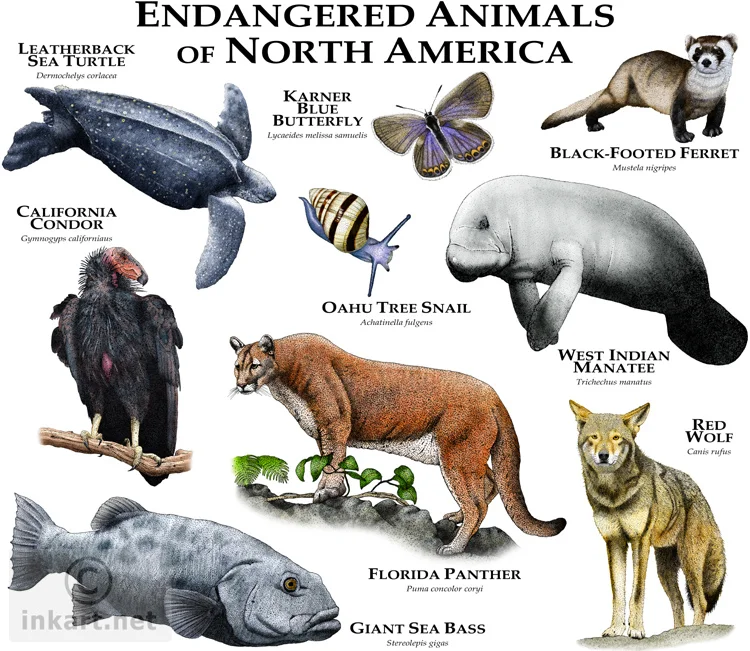
The “God Squad” Is Subject to a Lot of Limits. But I’m Still Worried.
The Endangered Species Committee, dubbed the “God Squad,” reviews exemption requests that could sideline the Endangered Species Act for projects like offshore drilling in the Gulf of America. While the standard process demands rigorous justification, a formal hearing, and potential...

Climate Issues in the 2026 Governor’s Race: Building Decarbonization and Energy Efficiency
California’s 2026 gubernatorial race spotlights building decarbonization as a linchpin for the state’s climate and affordability agenda. Buildings account for roughly a quarter of the state’s emissions, and the aging natural‑gas distribution network is inflating utility bills for homeowners and...

Earth Is Getting Darker. Here’s Why That’s Alarming
Satellite data reveal Earth’s reflectivity has dropped from 29.3% to 28.6% since 2001, meaning the planet absorbs an extra 0.7% of incoming sunlight. This darkening contributes an energy gain comparable to the total warming effect of all anthropogenic CO₂ emissions...

Does Federal Law Still Preempt State Standards Relating to Fuel Efficiency?
The U.S. Justice Department sued to block California’s electric‑vehicle fuel‑efficiency rules, arguing that federal CAFE standards preempt state action. A recent reconciliation bill stripped CAFE penalties for light‑vehicle fleets, effectively turning the standards into a voluntary program. The author contends...

A Chance to Rebuild Better
Assemblymember Cottie Petrie‑Norris introduced AB 2385 to amend the 1986 Disaster Recovery Reconstruction Act, giving California local governments explicit authority to create disaster‑recovery agencies. The bill replaces references to defunct community redevelopment agencies with a clear list of powers drawn from...

What Does the Building an Affordable California Act Do?
The California Chamber of Commerce is gathering signatures for an initiative that would overhaul the California Environmental Quality Act (CEQA) for so‑called “essential” projects. The proposal imposes court‑enforceable timelines, lets proponents define project scope and a single alternative, and...

The Affirmative Case for Finding Endangerment
The 2007 Supreme Court decision instructed the EPA to evaluate whether greenhouse gases endanger public health, prompting the agency’s 2009 Endangerment Finding that vehicle emissions pose a significant risk. The D.C. Circuit upheld that finding, yet the current Trump administration...

In the Cross Hairs
Law schools with leading environmental law programs, notably Columbia’s Sabin Center and NYU’s climate fellowship, are facing a coordinated assault by right‑wing state attorneys general. The campaign includes congressional demands for investigations of senior staff, House Oversight probes, and aggressive...
The FREEDOM Act and Permit Certainty
The House has introduced the FREEDOM Act to tackle "permit certainty" by streamlining judicial review of unreasonable permitting delays or revocations and offering compensation to affected developers. The bill emerges amid Democratic resistance to any reform that doesn’t materially boost...
What Does UUD Mean?
The Interior Department’s August secretarial order introduced a “capacity density” test that compares the land footprint of energy projects to their output, effectively targeting renewable projects on federal lands. The order invokes the “unnecessary and undue degradation” (UUD) standard from...
The Details of SEQRA Reform
New York Governor‑backed legislation seeks to overhaul the State Environmental Quality Review Act (SEQRA) by creating targeted exemptions for infill housing projects, mirroring recent California reforms. The bill exempts small residential developments in cities over one million residents and in...

Hot Take on the Endangerment Repeal
The EPA announced a final rule to repeal its 2009 finding that greenhouse gases endanger human health and welfare. The agency argues the original finding exceeded its authority and should be a congressional decision, invoking the Major Questions Doctrine. Critics...