Perception of Humanness Is Affected by Speech Content
A Max Planck Institute study examined how linguistic content influences the perception of humanness in speech. Participants speaking German, Spanish and Turkish rated human and text‑to‑speech (TTS) voices, with sentences altered in syntax and semantics. The research found that acoustic cues such as pitch and intensity differ between human and synthetic speech, and that native German listeners distinguished them most sharply. Both syntactic and semantic distortions reduced perceived humanness, and individual differences showed the judgments are highly idiosyncratic.
“Notes and Neurons” Brings Music and Brain Research to the Stage
Starting this summer, the "Notes and Neurons: Music for Brain Health" concert series will tour six German cities, pairing live performances with neuroscience insights. Organized by the University Hospital Bonn, the University of Bonn’s medical faculty, the Max Planck Institute...
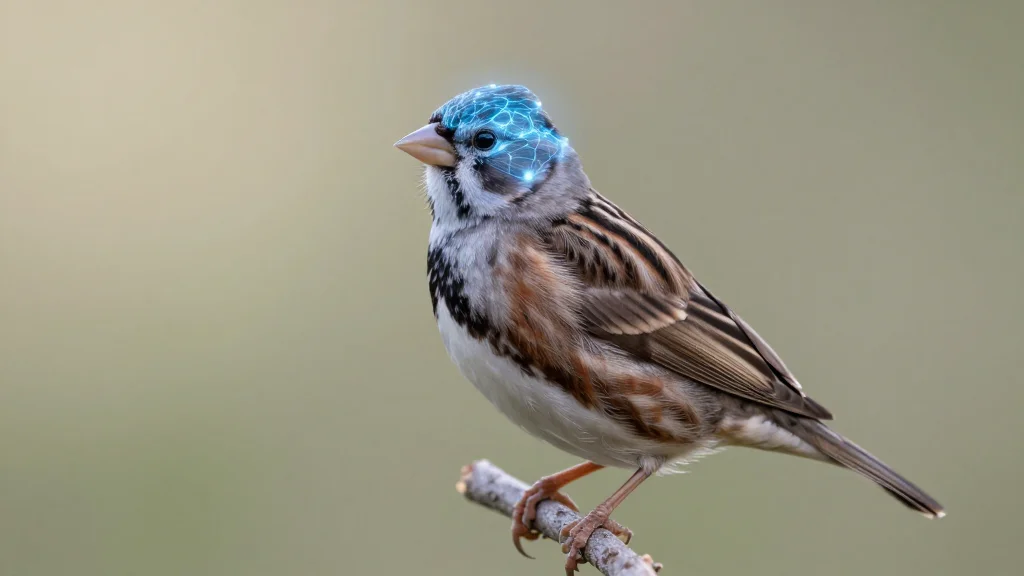
A Familiar Voice Shapes How Zebra Finches Hear and Respond
Researchers at the Max Planck Institute discovered that zebra finches reply faster, more often, and with tighter timing to calls from familiar birds. Recordings from the HVC brain region showed that more than 70% of neurons respond to any call,...
A Shortage of Synapses in Schizophrenia?
Researchers at the Max Planck Institute and the University of Münster linked synaptic deficits in patient‑derived neurons to cognitive impairment in schizophrenia. By pairing MRI, EEG and cognitive test results from over 400 participants with gene‑expression and synaptic density data...
Dysregulation of the Immune System Differentiates Depression and Psychosis in Young Adulthood
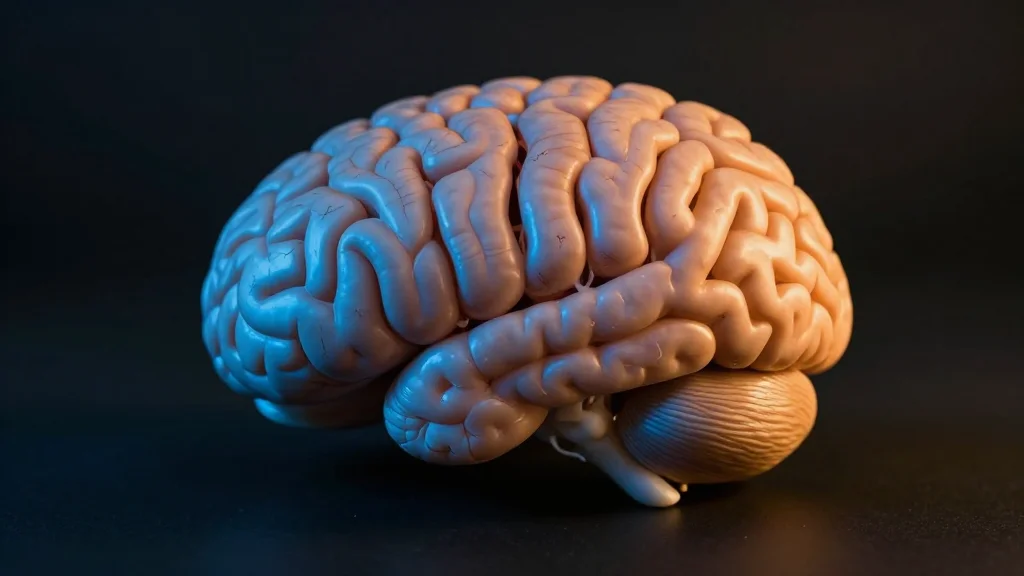
International researchers published in JAMA Psychiatry that early‑stage depression and psychosis have completely different immune and brain signatures. Analyzing blood cytokines and MRI grey‑matter volumes from 678 participants in the EU‑funded PRONIA project revealed distinct inflammatory patterns and limbic‑region changes...

Roxana Zeraati Receives Klaus Tschira Boost Fund
Roxana Zeraati, a researcher at the Max Planck Institute for Biological Cybernetics, has secured the Klaus Tschira Boost Fund’s two‑year grant of €120,000 (about $131,000). The award will fund her investigation of how humans adapt decision‑making in dynamic, naturalistic settings using...
Ribosomes in Pairs: A Survival Strategy Inside Stressed Cells
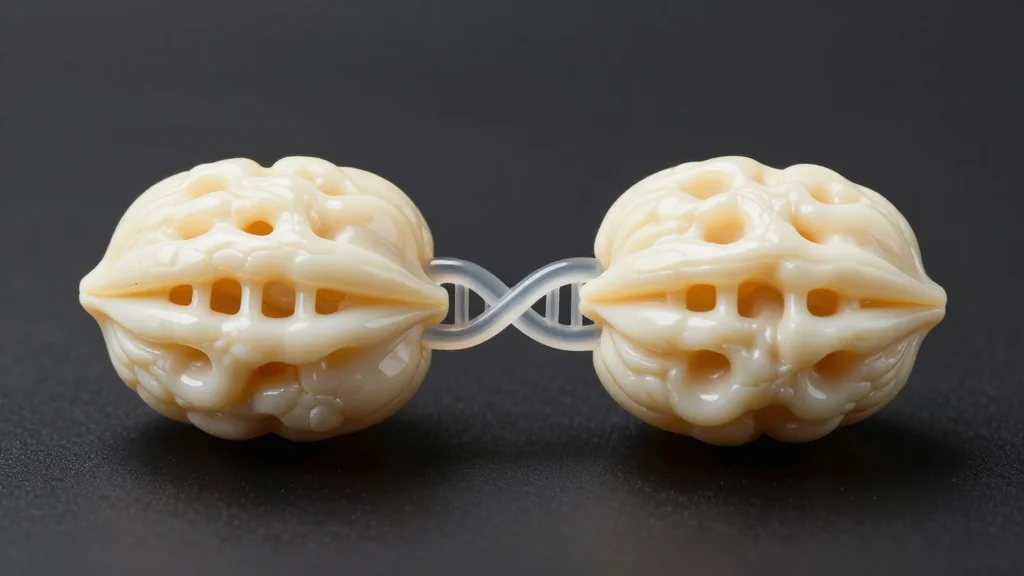
Scientists at the Max Planck Institute have identified a novel RNA‑driven mechanism that pairs inactive ribosomes into disomes when animal cells, including neurons, face nutrient starvation or temperature stress. The pairing is mediated by a specific ribosomal RNA expansion segment,...