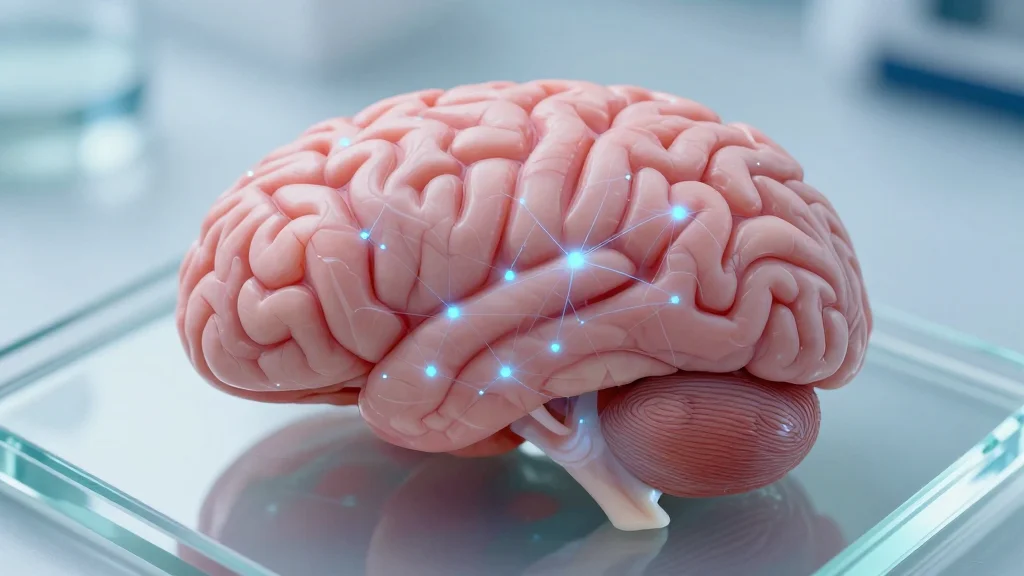
A Shortage of Synapses in Schizophrenia?
Why It Matters
Identifying a cellular correlate of cognitive deficits opens pathways for targeted therapies and precision diagnostics in schizophrenia, a condition lacking effective treatments for its most disabling symptoms.
Key Takeaways
- •Synaptic density in iPSC neurons predicts patient cognitive performance
- •Study combined neuroimaging, EEG, cognition, and cellular data from same cohort
- •Over 400 participants analyzed, 80 with matched neuronal samples
- •Blood‑draw‑derived neurons offer a scalable biomarker for schizophrenia
Pulse Analysis
Schizophrenia’s cognitive deficits—poor attention, memory, and motivation—remain largely untreatable, driving long‑term disability for roughly one percent of the global population. While antipsychotics curb hallucinations, they do little for the negative and cognitive domains, prompting researchers to hunt for underlying biological mechanisms. Recent advances in induced pluripotent stem cell (iPSC) technology allow scientists to reprogram a patient’s blood cells into neurons, creating a patient‑specific cellular model that mirrors brain pathology without invasive procedures.
In the new study, investigators merged three layers of data: large‑scale neuroimaging (MRI), electrophysiology (EEG), and standardized cognitive testing from more than 400 individuals, alongside gene‑expression and synaptic density measurements from iPSC‑derived neurons of 80 donors within the same cohort. The analysis revealed a robust correlation—participants whose neurons exhibited fewer synapses also scored lower on cognitive assessments. This intra‑individual link provides the first direct evidence that synaptic loss at the cellular level translates into the cognitive impairments observed clinically, supporting the hypothesis that genetic risk factors reduce synaptic connectivity, which is then amplified by environmental influences.
The translational impact is profound. Blood‑based iPSC neurons could serve as a minimally invasive biomarker, enabling clinicians to stratify patients by predicted treatment response and to monitor disease progression. Moreover, the synaptic density metric offers a concrete target for drug development, shifting the focus from symptom suppression to restoring neural circuitry. As precision psychiatry evolves, such cellular‑clinical bridges promise to accelerate the discovery of therapies that address the core cognitive deficits of schizophrenia, ultimately improving functional outcomes for millions of patients.
A shortage of synapses in schizophrenia?
Comments
Want to join the conversation?
Loading comments...