
‘Connect Your Data. Everything Else Should Follow.’
PAR Technology’s 2026 QSR Operational Index shows that restaurants linking front‑of‑house ordering, loyalty platforms, and back‑of‑house systems can close a $1.91 check gap—about $114,600 per store annually. Loyalty members are up 32.5% YoY while anonymous purchases fell 6.7%, and the top 15% of members generate 53% of loyalty sales. Delivery challenges cost operators, with cancellations adding $8 per order and the bottom‑decile losing $13.7K a year from refund discrepancies. Operators that integrate data across ordering, labor, inventory, and guest satisfaction see higher checks, stronger dinner revenue, and can leverage AI‑driven upsell without relying on discounts.
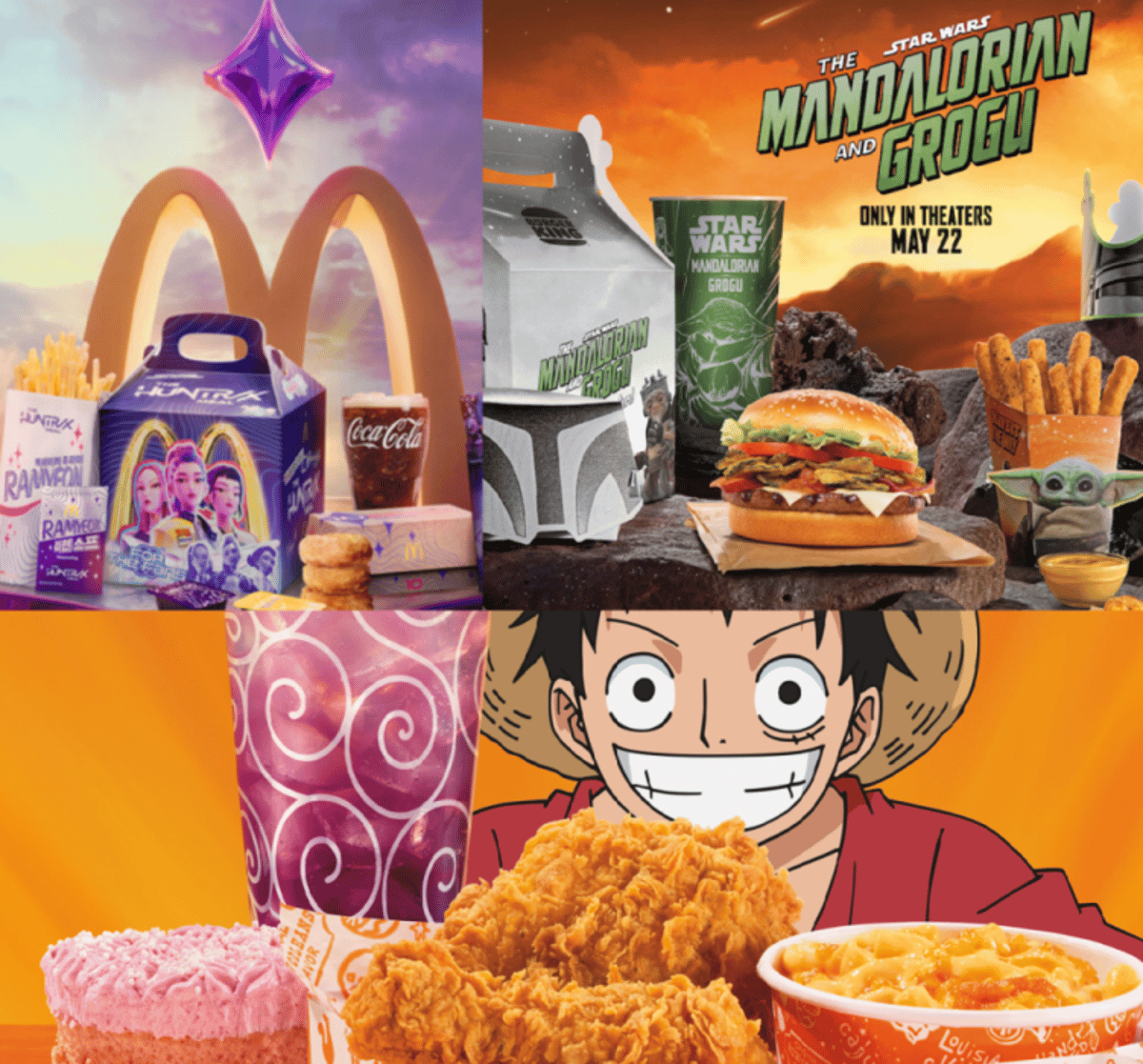
From Star Wars to Stranger Things — IP Experience Is Now a Powerful Ingredient On The QSR Menu
Fast‑food chains are moving beyond limited‑time offers to full‑scale intellectual‑property (IP) experiences that blend menu items, packaging, apps and collectibles into a single brand moment. License‑global data shows food‑and‑beverage brands generated $7.4 billion in licensed product sales last year, while the...
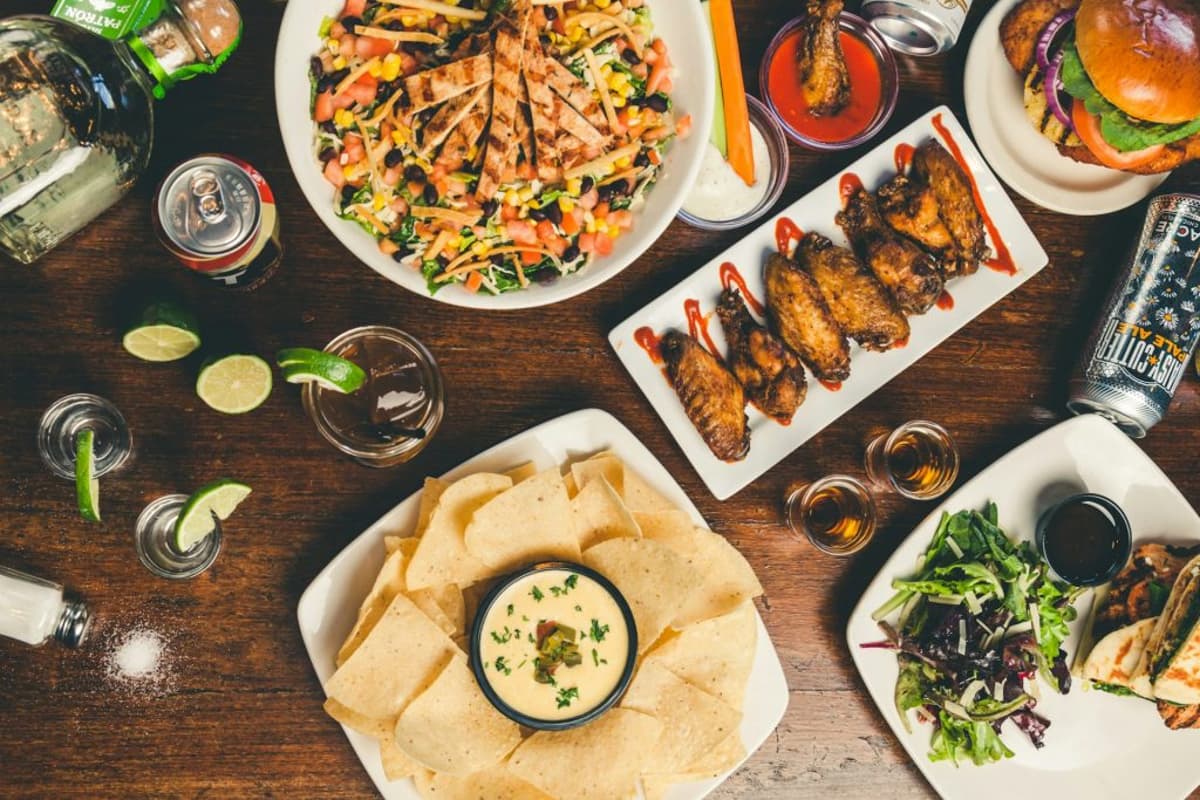
Meeting Customer Demand for Shareable and Snackable
Restaurant operators are increasingly adding shareable, snack‑size dishes as diners seek flexible, build‑your‑own experiences throughout the day. Joe Hannon of Restaurant365 notes that smaller plates reduce labor strain, align with off‑premise growth, and allow more intentional margin management. ...

Multi-Location QSR’s AI Search Invisibility Problem
A new Uberall report finds that 83% of multi‑location quick‑service restaurants (QSRs) are invisible to AI‑driven search answers, even though 86% have a Google presence. AI search selects only a few brands per query, using structured location data, reviews, photos,...
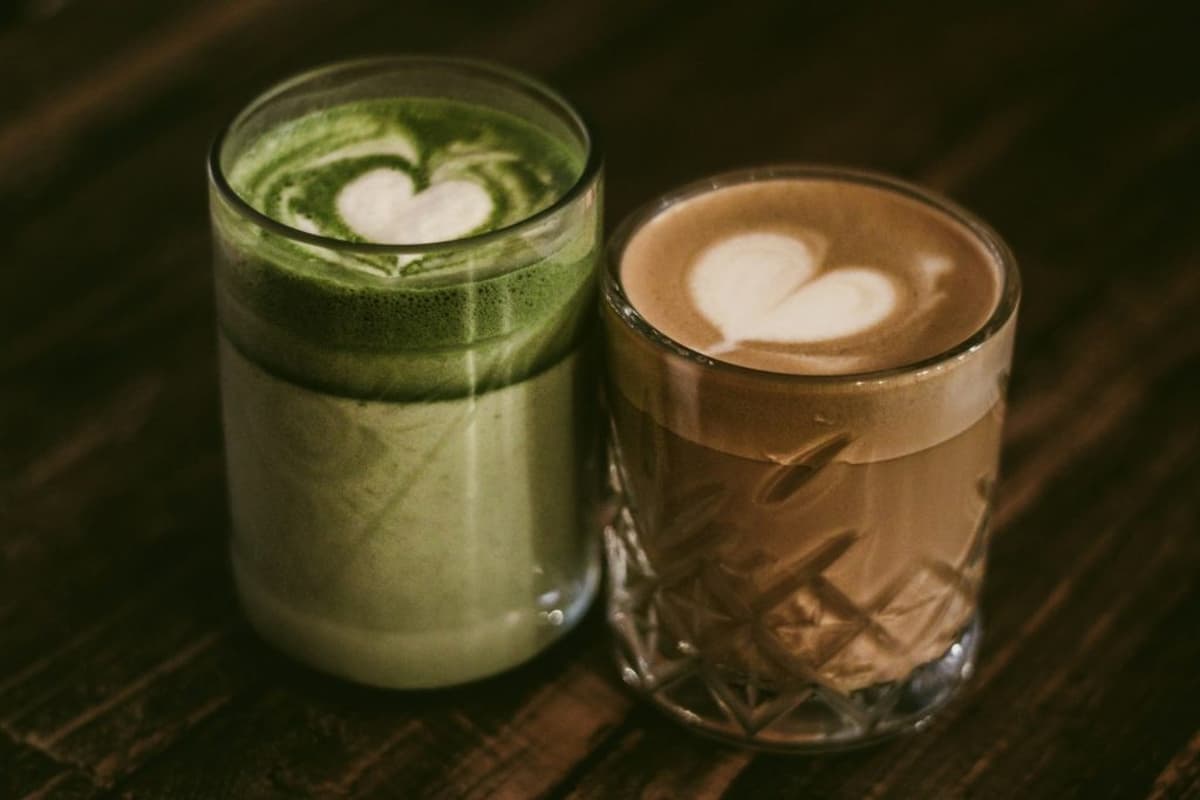
Consumers Demand Value, Yet Want to Splurge
Revenue Management Solutions’ Q1 2026 data shows diners still prioritize value, yet Millennials and Gen Z are willing to pay extra for protein‑rich meals and specialty beverages such as prebiotic sodas. Almost half of Millennials would splurge on high‑protein options,...
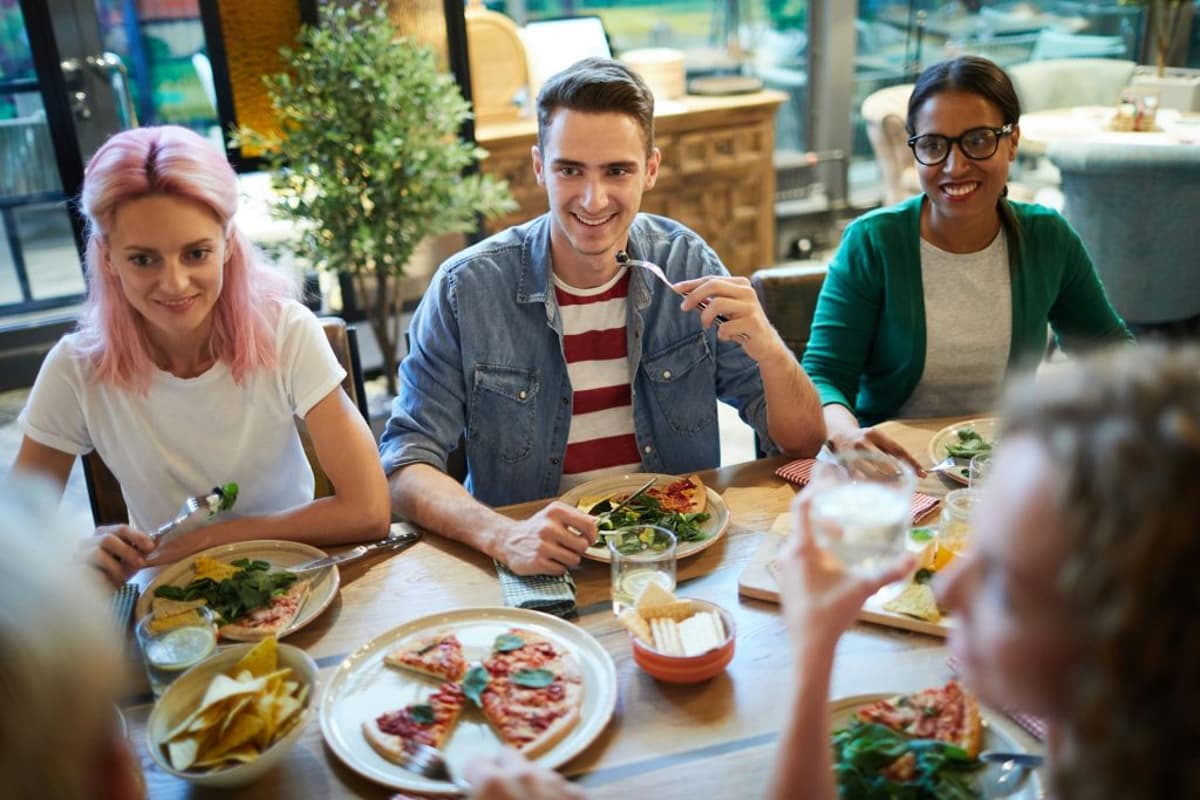
Affordable Indulgence, Pass the Plate, the Micro Community Effect, and Other Dining Trends
Quench’s 17th Food & Beverage Trend Report highlights four emerging forces reshaping restaurants: family‑style “Pass the Plate” dining, “Affordable Indulgence” pairings of budget basics with premium treats, the “Micro Community Effect” of niche, values‑driven audiences, and AI‑powered predictive demand forecasting....

Compounding Value: Blending Butter for Maximum Menu Impact
Butter consumption in the U.S. hit a historic high in 2024, up 21% over the past decade, while one in five diners now want more flavored butters on menus. Flavored compounds such as honey, lemon, buffalo, and miso have seen...
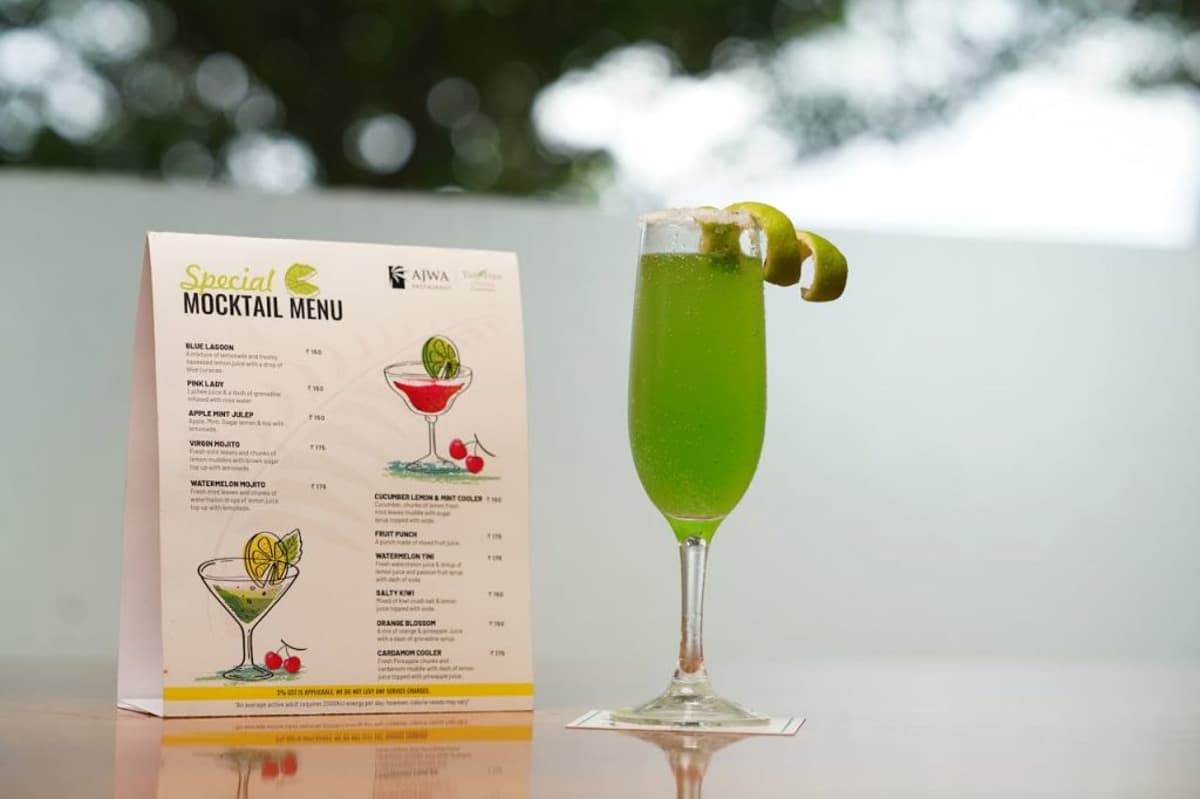
Building Zero-Proof Beverage Programs for Gen Z’s Sober Shift
Gen Z’s sober‑curious wave—now over a third of the cohort avoids alcohol—is reshaping restaurant beverage strategies. Operators who treat non‑alcoholic drinks with the same intentionality as cocktails can capture high‑margin revenue that was once tied to liquor sales. Techniques such...
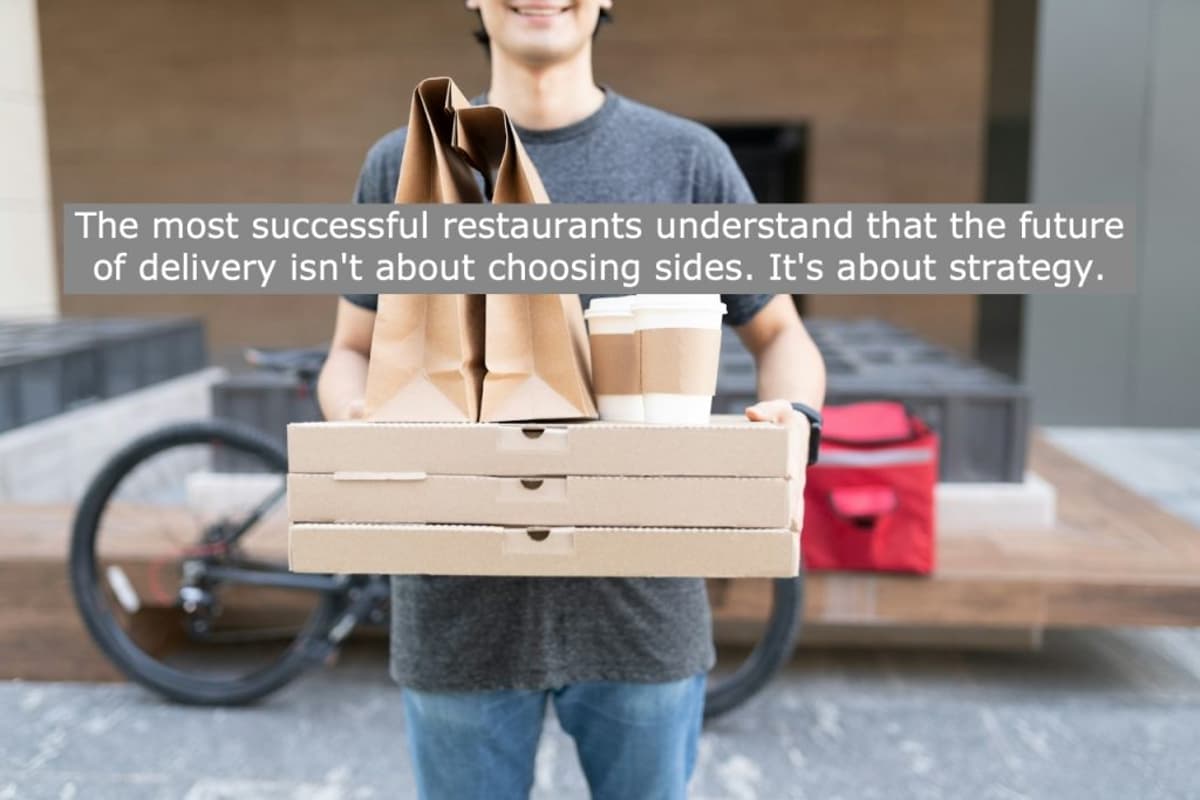
The Delivery Divide: How Restaurants Are Rethinking Third-Party Apps Vs. In-House Systems
Restaurants are weighing third‑party delivery platforms against building their own logistics. Apps like Uber Eats and DoorDash deliver scale and discovery but charge 5‑30% commissions and limit data ownership. In‑house delivery lets brands control the customer journey, improve margins, and...

Activate the ‘Halo Effect’
EzCater’s 2026 Workplace Catering Insights reveal that food is now a core component of return‑to‑office strategies, with 81% of meals employer‑funded and 91% of workplaces planning to maintain or increase spending. A workplace order creates a "halo effect"—62% of employees...
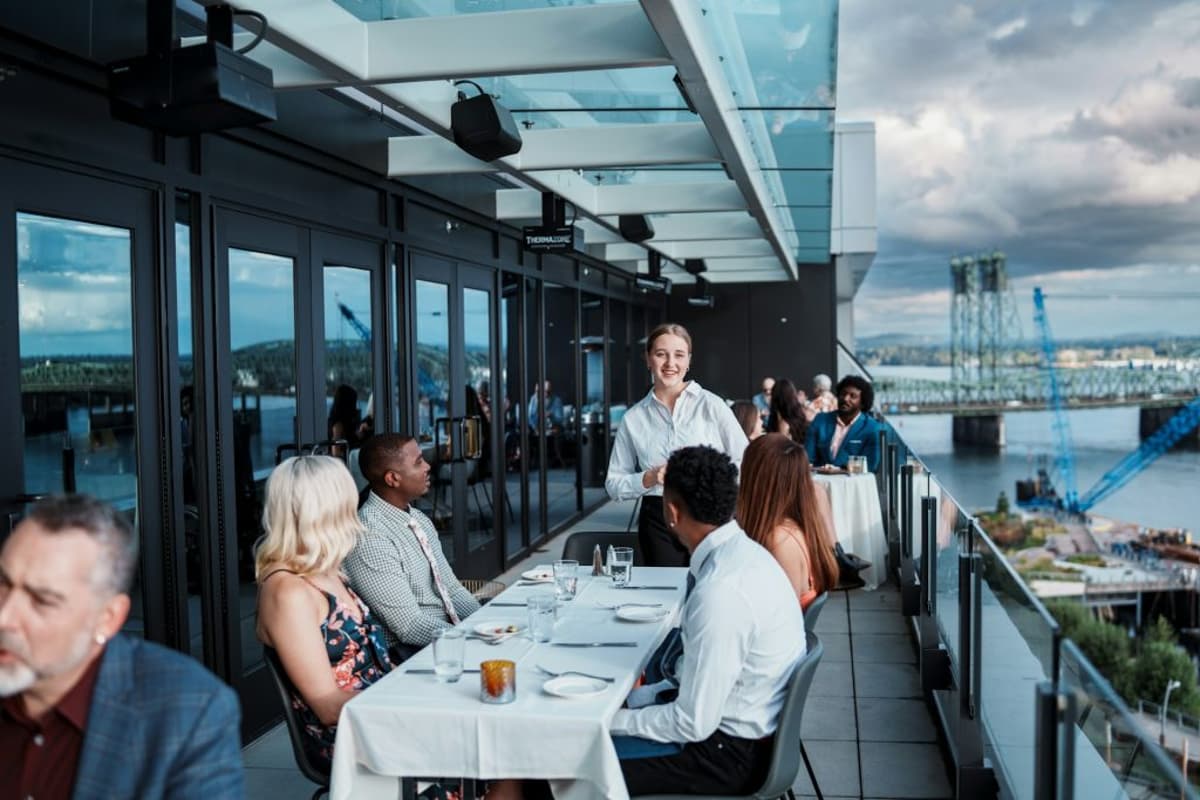
The Secret to Summer Staffing
Summer hiring spikes for restaurants, demanding rapid onboarding of large, often student‑driven workforces. Operators are urged to value adaptability, cultural fit, and energy over prior industry experience. Deploying standardized workflows, intuitive POS systems, and real‑time coaching technology enables new hires...

10,000 Touches, 800 Guests, Four Hours: What a Tea Sandwich Service Teaches About Restaurant Operations
A five‑person team produced over 3,000 tea sandwiches for 800 guests in four hours, managing nearly 10,000 individual touches. The operation hinged on three engineered sandwich profiles chosen for structural stability, strict role separation, and a parallel‑processing workflow that kept...

It’s Not a Discount Problem. It’s an Attention One.
Gen Z now dominates restaurant loyalty programs, representing 38% of sign‑ups and 35% of check‑ins in 2024. While they still appreciate value, they favor instant, relevant rewards and personalized experiences over generic discounts. Data shows they redeem fewer coupons than...
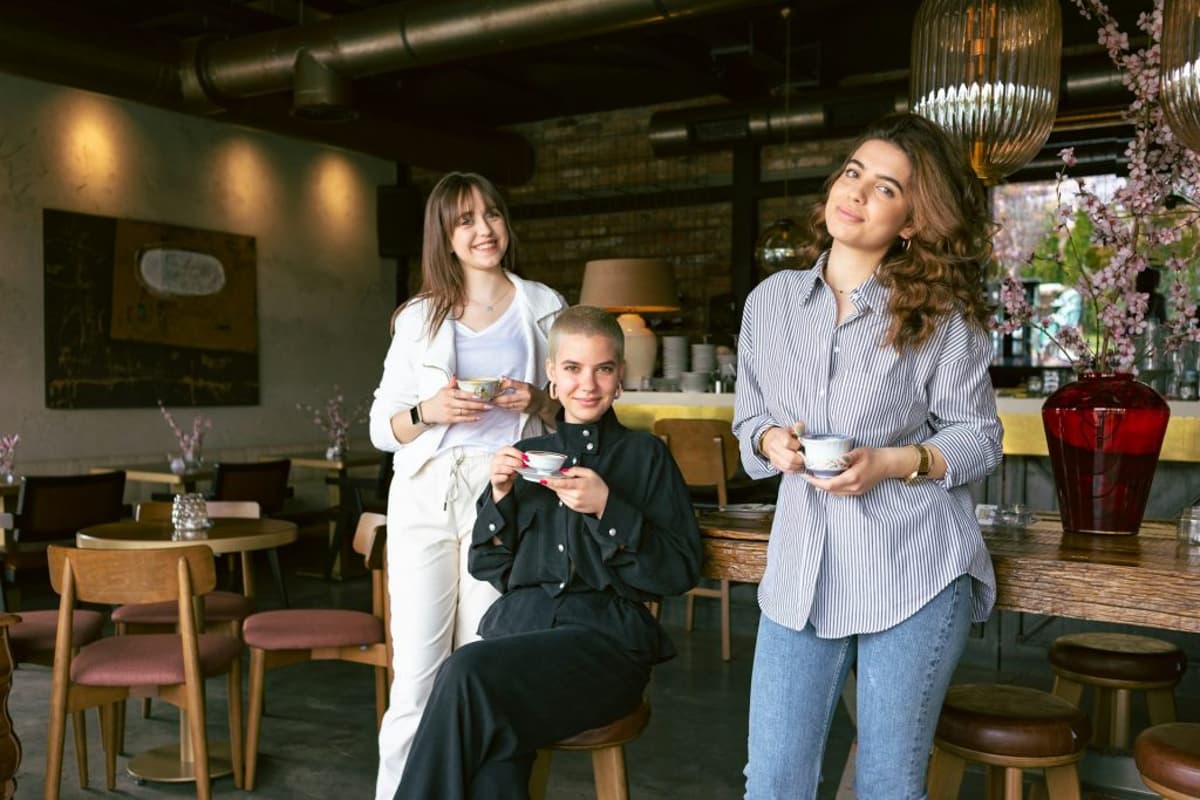
What It Truly Takes: Why Women Restaurant Owners Are Speaking Honestly About This Industry
Women restaurant owners are increasingly voicing the hidden pressures of running eateries, from volatile food costs to chronic staffing shortages and the emotional toll of constant decision‑making. The industry’s traditional culture of projecting steadiness is giving way to candid dialogue...
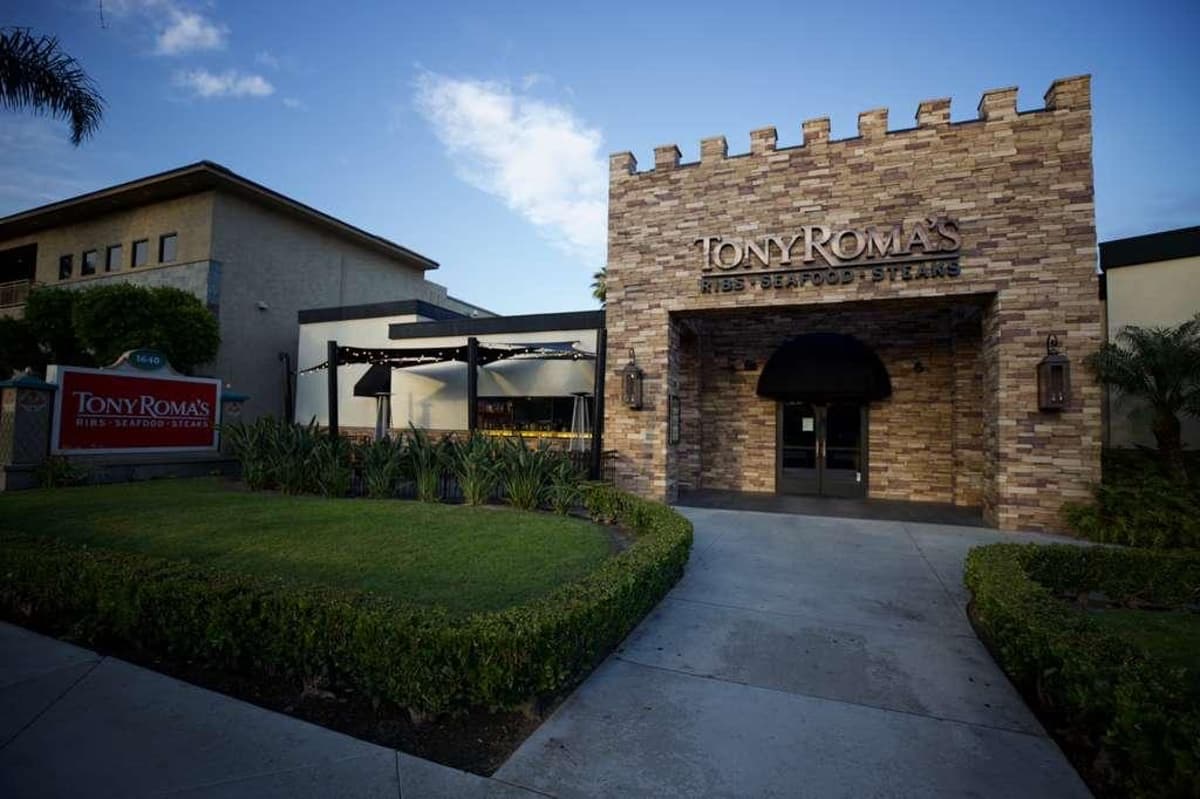
Optimizing Operations at a Legacy Brand
Tony Roma’s is re‑engineering its 50‑year‑old brand by shrinking restaurant footprints to about 3,000 sq ft, cutting construction costs roughly 30%, and rolling out a fast‑casual prototype aimed at high‑traffic venues like airports and university centers. The chain is embedding AI and...