
Building an Effective Recall Communication Plan
Restaurant recalls can happen despite strong safety protocols, making a pre‑built communication plan essential. Failures in messaging prolong incidents, increase health risks, and erode brand trust. Modern consumers demand immediate, personalized alerts across multiple channels, not just press releases. Building templates, data infrastructure, and partner coordination ahead of time enables swift, accurate outreach when a recall occurs.

Doubling Down on Restaurant Marketing Spend
Restaurant owners are bucking recession‑driven caution by planning to boost marketing spend in 2026. A Constant Contact survey of 1,500 small businesses shows 68% will increase budgets and 74% will devote more time to promotion. The focus is on high‑impact...
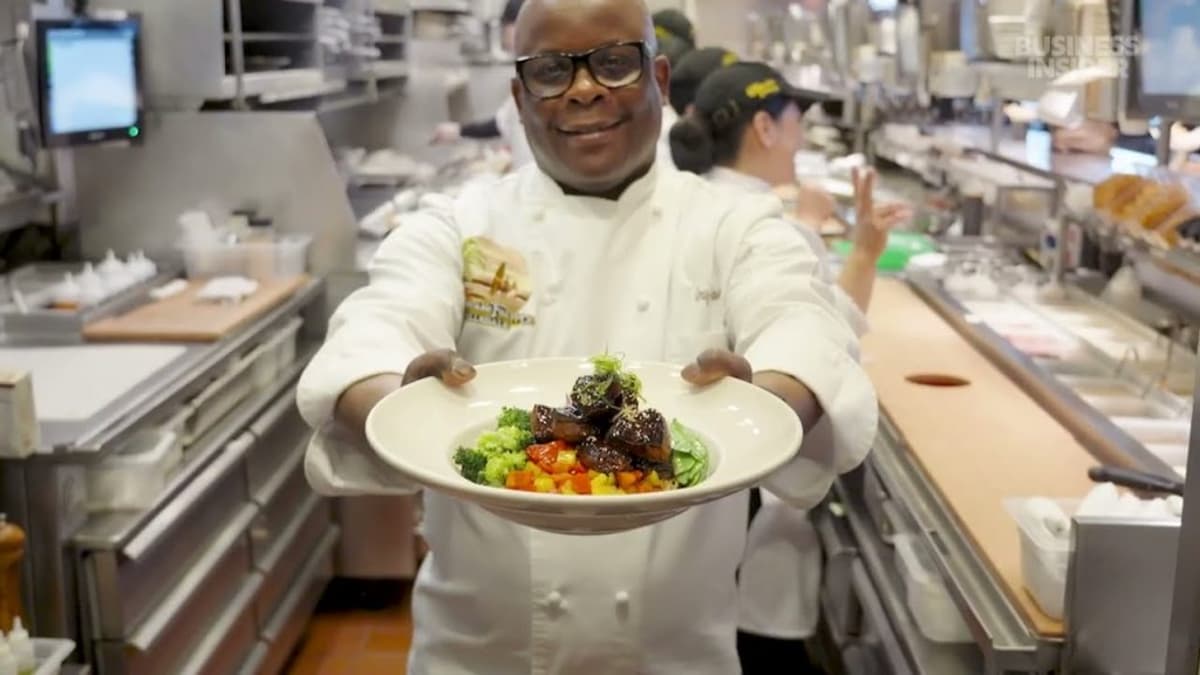
Behind Cheesecake Factory’s ‘More Is More’ Strategy
The Cheesecake Factory continues to operate a menu of more than 250 items, defying the industry trend toward streamlined offerings. The chain relies on a highly coordinated kitchen workflow, modular prep stations, and sophisticated inventory management to keep the massive...

Why 30 Days Is Too Late for Restaurant Financial Reporting
Relying on a 30‑day financial reporting cycle leaves restaurant operators vulnerable to compounding issues such as inventory shrinkage and rising food costs. Emma Whelan, CFO of MarginEdge, argues that daily visibility into sales, labor and food costs transforms reporting from...

From Waste to Workflow: How Restaurants Are Turning Food Waste Into a Business Advantage
Restaurants are reclassifying food waste from a cost center to a profit lever as margins tighten. In the United States, the sector discards roughly 11.4 million tons of food each year—an estimated $25 billion in value—yet studies show a dollar invested in...

The Unified POS as a Blueprint for Restaurant Success
Restaurant operators are turning to unified point‑of‑sale (POS) platforms to replace fragmented legacy systems. By aggregating transactions, inventory, staff actions and payment data, a single POS creates a real‑time data hub that fuels faster decision‑making. Integrated with cloud‑based AI, the...

Creating a True Coastal Experience in a Landlocked State
Sean Huggard, founder of Shutting Good Hospitality, partnered with Blue Island Oyster Farm to launch Denver’s Blue Island Oyster Bar, giving the landlocked restaurant full control over its oyster supply. Owning the farm enables a "dock to dish" model that...

Many Restaurant AI Projects Will Fail. What’s Needed to Make Them Work?
Restaurant operators are betting on AI to solve chronic labor challenges, but most initiatives falter because they ignore basic operational foundations. Managers on the floor need tools that turn real‑time data into actionable scheduling decisions, not static dashboards. Success hinges...
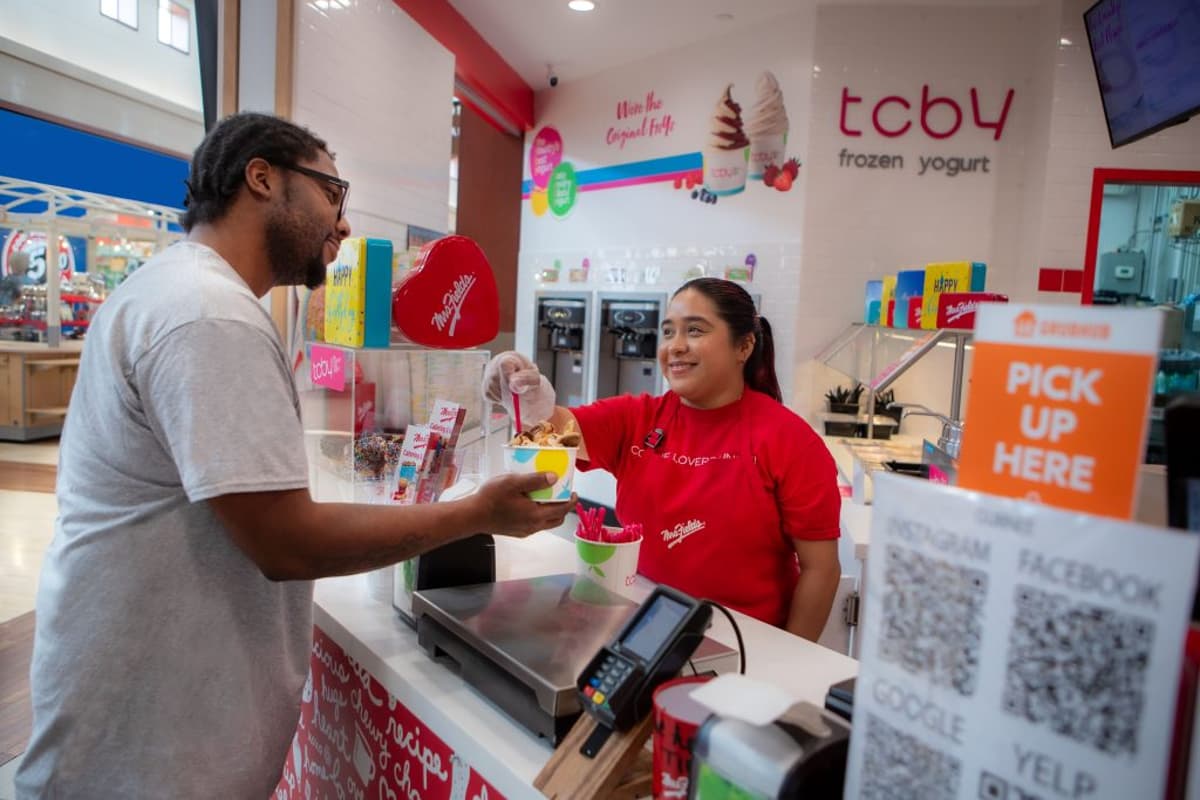
Under One Roof: The Opportunities and Challenges of Co-Branding
Co‑branding is gaining traction as franchisees like Mrs. Fields and TCBY combine forces to capture broader consumer segments. Shared storefronts lower operating expenses, enable cross‑purchasing, and smooth seasonal sales swings. The model also appeals to landlords, who see reduced vacancy...

Curated Micro-Events Are Quietly Reshaping How Hospitality Hires
A co‑working space and executive search firm hosted a curated hiring micro‑event in New Jersey targeting restaurant and hospitality roles. The intimate format attracted a mix of entry‑level and senior talent, resulting in at least one critical hire for a...

Seamless Guest Interaction Drives Restaurant Revenue
Restaurants are shifting focus from attracting diners to capturing intent the moment a guest reaches out. Real‑time, omnichannel responses—via Instagram, WhatsApp, email, web forms—turn inquiries into bookings and boost revenue. Operators that automate instant, on‑brand replies also free staff from...

A Checklist for Hail and Severe Weather Season
In 2025, 38% of restaurant owners lack business insurance and 37% of those insured are unsure about weather coverage. Severe hail events have risen 21% since 2022, with Missouri seeing a 182% jump between 2022 and 2024. The hail season...

Perplexing Pricing Perceptions
Revenue Management Solutions reports a perception shift: 72% of consumers now view restaurant prices as higher than grocery prices, the first time this sentiment has prevailed in four quarters. Grocery price perception dropped 14 percentage points since January 2025, while...

Stopping Profit Leaks with Real-Time Course Correction
Restaurant operators face profit leaks because data from POS, scheduling and payroll systems remains siloed, forcing decisions based on lagging reports. Miso Robotics, led by CEO Rich Hull, has acquired AI operating system Zignyl and is integrating its real‑time intelligence...
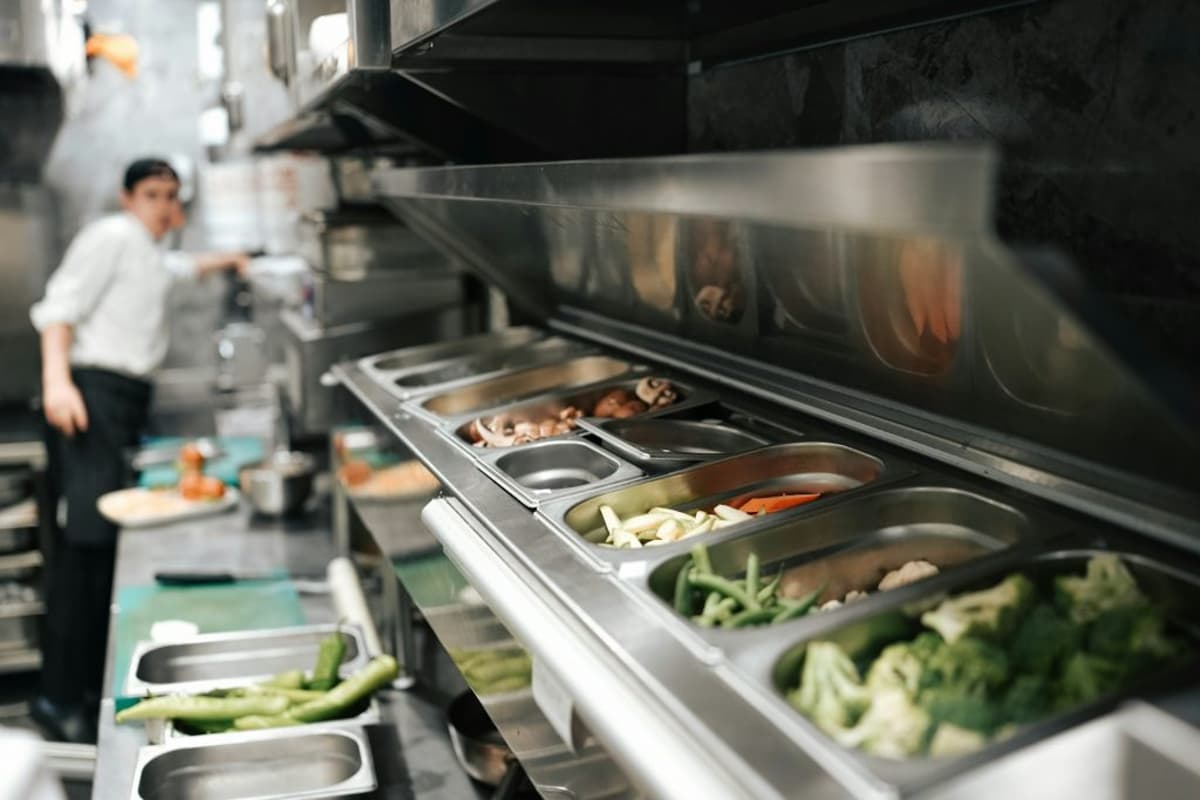
Why Supply Chain Resilience Now Defines the Survival of Fast Casual
Fast‑casual chains are confronting a prolonged sales decline and rising costs, with same‑store sales falling for the 11th month. Consumers are demanding higher‑quality, fresher ingredients while tightening budgets, forcing operators to balance price and value. Supply‑chain discipline has become the...

Why Most Restaurants Leave Private Event Revenue on the Table
Private events offer the highest margins for full‑service restaurants, yet most treat them as a side operation. Slow inquiry responses, manual proposal creation, and weak follow‑up cause revenue leaks. The article outlines three fixes: respond within two hours, use standardized...

Seven Tips for Using a Podcast to Grow Your Restaurant Community
Restaurant operators can turn a simple podcast into a community‑building engine by centering content on authentic brand stories and local voices. A lean setup—just a smartphone and a quality microphone—delivers professional sound without heavy investment. Consistency, clear audience definition, and...
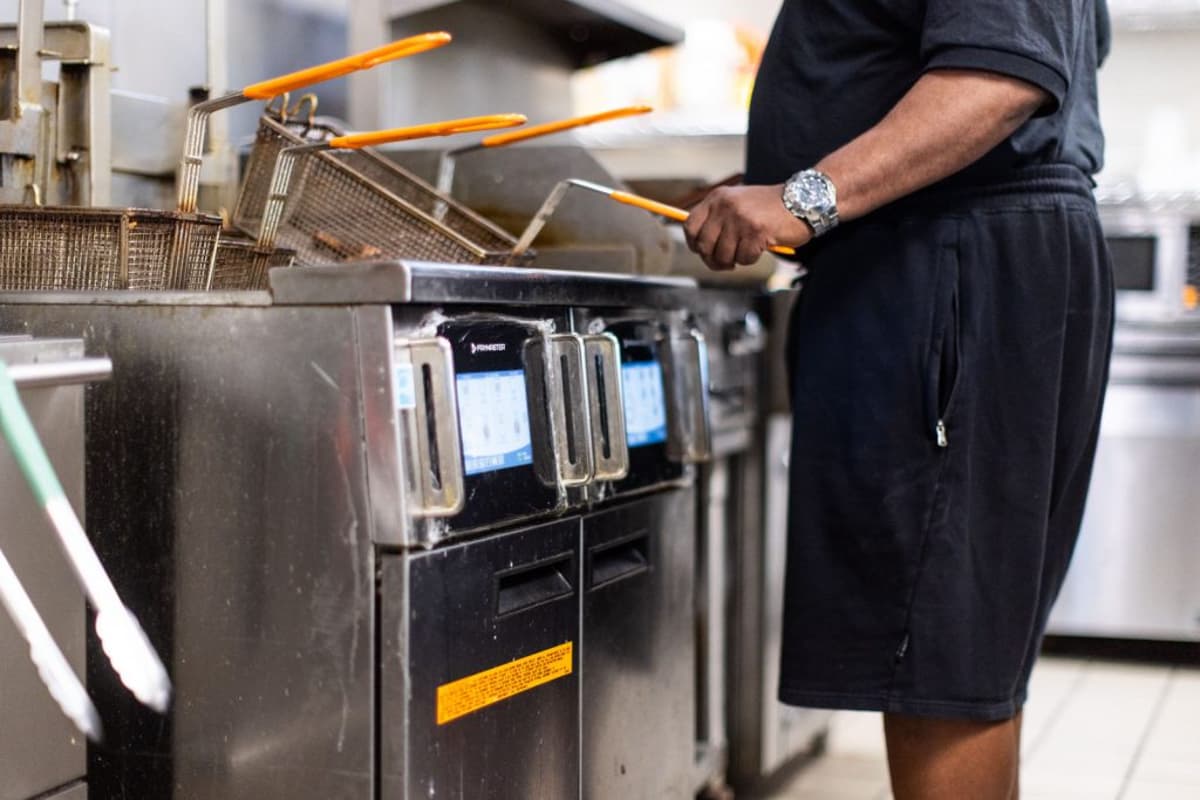
Making Smart Restaurant Equipment Decisions
Jon Jacobs, president of equipment‑financing firm SilverChef, warns that restaurant owners often let menu concepts dictate costly kitchen purchases. He advocates an operations‑first strategy—testing recipes, mapping workflows, and budgeting for flexibility before committing to large assets. Jacobs highlights that 68%...
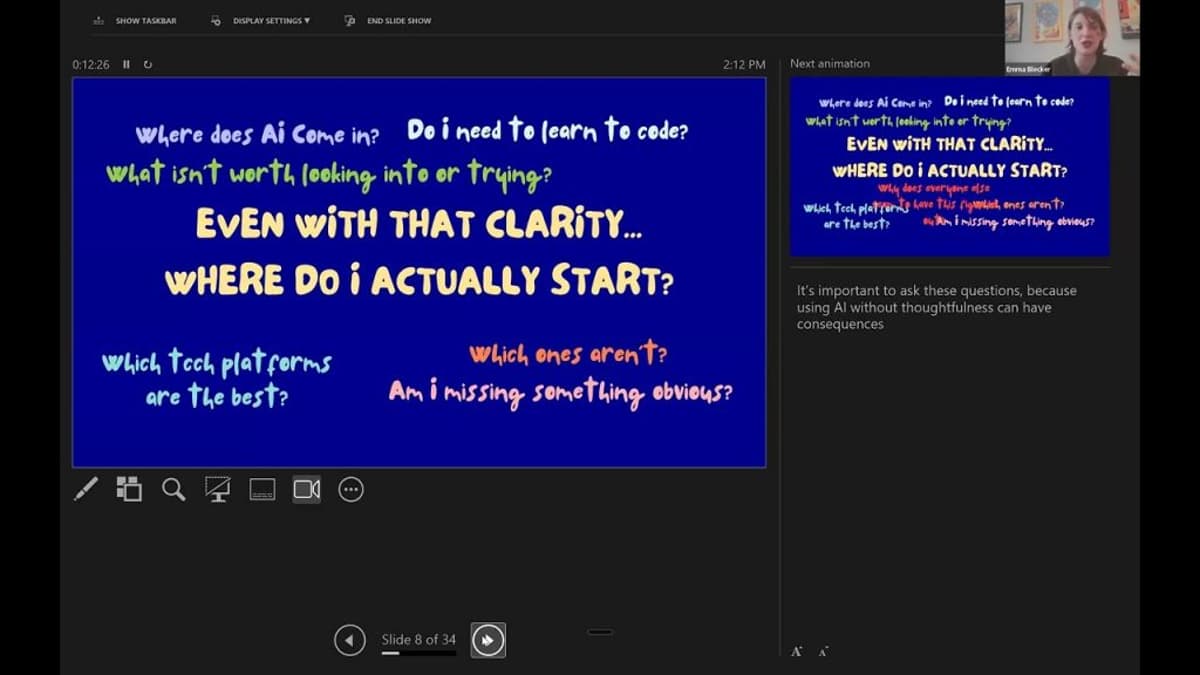
Evaluate and Optimize Restaurant Tech Stacks
The James Beard Foundation has kicked off a two‑part video series on restaurant technology, featuring Emma Blecker of Make It Makes Sense Consulting. The inaugural session, released on April 22, 2026, introduces the BASICS framework and examines how AI and...

Charting Eventful Horizons: Realizing Revenue at Your Venue
Corporate events are emerging as a high‑margin revenue engine for restaurants and hotels, delivering up to 20% higher margins than traditional a la carte dining. Tripleseat’s platform shows corporate event revenue grew 14.6% in 2025—1.5 times faster than weddings—while average...

Managing Mother’s Day Demand Without Slowing the Kitchen
Mother’s Day creates a unique surge for restaurants, with orders often coming from groups rather than individuals. Operators must balance dine‑in, pickup, and delivery tickets while preventing menu complexity from slowing the kitchen. Pre‑ordering bundles and front‑loading demand weeks ahead...

Why AI-Powered Ordering Can Redefine the Restaurant’s Digital Experience
Restaurant digital ordering often feels like a static menu, leading to 60‑70% abandonment on complex orders. AI‑powered ordering turns the experience into a guided conversation, letting guests state intent such as budget or dietary needs and receiving a curated cart...

Will Restaurants Receive Tariff Reimbursement?
The Supreme Court ruled the president exceeded his authority under the International Emergency Economic Powers Act, opening a $170 billion refund process for importers affected by Trump‑era tariffs. U.S. Customs and Border Protection will begin accepting refund requests on April 20, but...
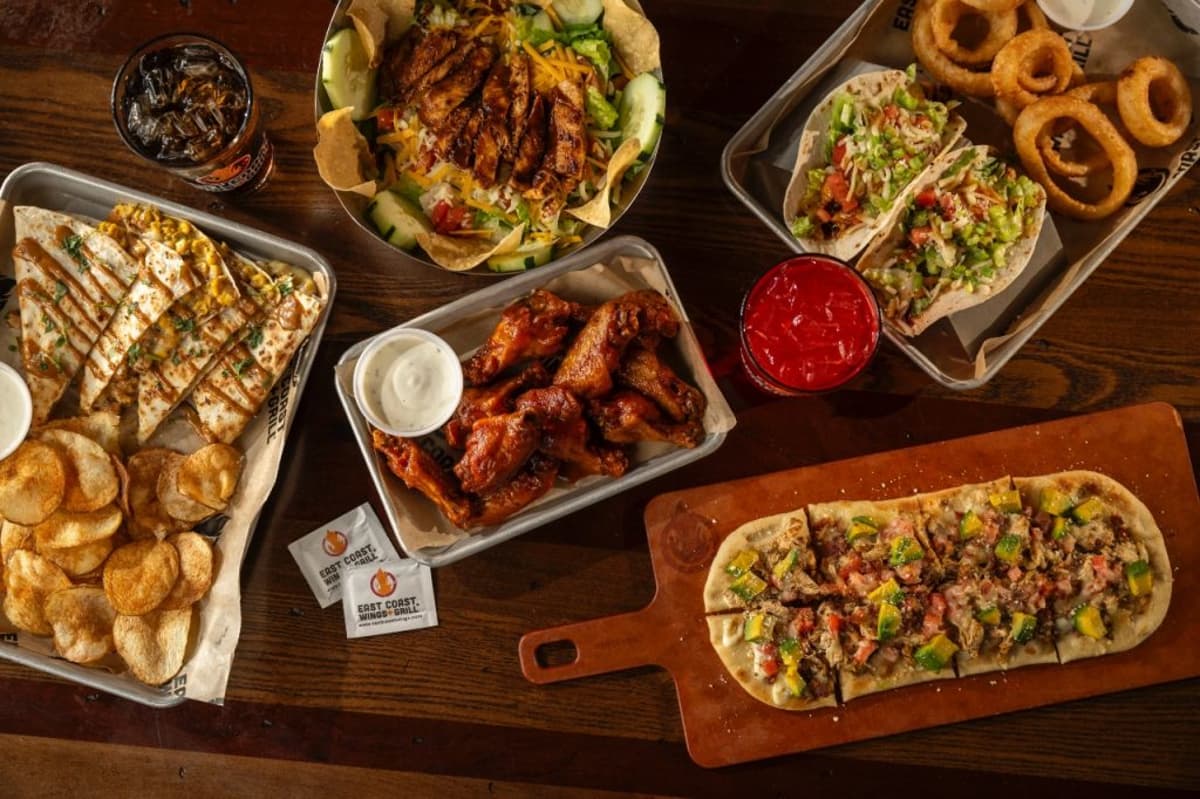
Keeping Menus Relevant, Executable, and Profitable
East Coast Wings + Grill (ECW+G) used POS data and staff observations to identify low‑use garnishes such as scallions, sour cream, and raw onions. By eliminating these default toppings, the chain streamlined kitchen prep, reduced food waste, and accelerated ticket...

How a Local Pizzeria Turned Curb Appeal Into a Viral Marketing Engine
Santo Sardo upgraded Super Sardo’s Pizza in Largo, Florida with a digital street sign that broadcasts witty, personality‑driven messages instead of static specials. The new display instantly attracted passing drivers, prompting them to stop, photograph, and share the content on...

Why the ‘$28 Burger’ Is a Warning Sign
Restaurants are increasingly resorting to steep price hikes, exemplified by the emergence of a $28 burger, to offset rising food, labor and operational costs. Industry experts warn that such reactive pricing can alienate diners and erode long‑term loyalty. The article...

Understanding the Hidden Anxiety Behind Group Ordering
Assistant professor Sharaya Jones’s five‑year study of 2,000+ diners shows that choosing food for a group creates real anxiety, even when the options are identical to solo choices. The research, published in the Journal of Marketing Research, reveals that this...

In 2026, The Competitive Advantage in QSR Isn’t a Bigger Budget – It’s Better Signal
The quick‑service restaurant (QSR) sector generates roughly 72% of its revenue offline, yet most marketers still base performance on digital clicks and last‑touch attribution. Only about 31% of brands are pulling point‑of‑sale (POS) data into their measurement frameworks, leaving the...

The Subtle Art of Building Restaurant Culture
The article argues that a restaurant’s success hinges on deliberately building a strong culture, with the general manager acting as the chief cultural architect. Empowering managers through trust and autonomy enables them to provide tools, set standards, and make day‑to‑day...

How Restaurant Merch Became Cultural Currency
Restaurant merchandise is evolving from a souvenir to a strategic brand asset, with nearly 20% of hospitality businesses now offering branded items. In high‑performing cases, merch accounts for 11% of monthly revenue and can reach as much as 27%. Limited‑run...

Logistics and Little Necks
Chef Joe Frillman’s new Chicago restaurant, The Radicle, required a $1 million renovation despite occupying an existing space, and faced two years of delays due to licensing, inspections, and scheduling hurdles. The Eater series documents the costly and time‑intensive process of...

Enhancing Restaurant Profitability Immediately with Real-Time Insight
Hospitality operators are grappling with soaring labor costs, higher business rates and lingering inflation, prompting many to cut staff or hours. Yet restaurants can instantly improve margins by leveraging real‑time data on inventory, staffing and menu performance. The article argues...

A Million a Minute: Adaptability and Innovation Define Brand Winners
In 2025 U.S. consumers spent roughly $1 million per minute at restaurants, with the top three chains—McDonald’s, Starbucks and Chick‑fil‑A—accounting for 32% of total spend and generating over $107 billion. The Circana report shows the top 50 brands represent 61% of spending...

Is Efficiency Replacing Empathy?
The 2026 Intouch Insight On‑Premises Study shows fast‑food operators have cut service times by 60 seconds and pushed order accuracy to a record 92.7%, but human hospitality is eroding. Metrics such as the use of “please” (29.9%), genuine smiles (64.3%)...

Building Systems That Retain Good People
Corporate chef Derek Clayton emphasizes that attitude and cultural fit outweigh pure skill when hiring restaurant staff. He advocates paid "working interviews" to assess teamwork under pressure and stresses consistent onboarding systems to streamline kitchen flow. Clayton also recommends tightening...

Stop Studying for the Test: Why Restaurants Must Make Food Safety a Daily Routine
A former NYC health inspector reveals that most restaurants treat food safety as a reactive, exam‑style task, fixing issues only when inspectors arrive. He argues that the real obstacle is limited managerial bandwidth, not lack of knowledge. Static checklists fail...

Zebra Striping, Reset Refreshers, and Other NoLo Need-to-Knows
Inmar Intelligence's 2026 NoLo report shows 41% of U.S. consumers have reduced or stopped alcohol, while off‑premise sales of non‑alcoholic beer, wine and spirits rose 22% year‑over‑year. The study highlights a seasonal momentum that extends beyond Dry January, driven by...

How Oil and Gas Prices Affect a Restaurant Bill
Rising oil and gas prices are inflating every stage of the restaurant supply chain, from farm production to transportation, which pushes food costs higher. Higher fuel costs also strain restaurant labor as employees face increased commuting expenses, prompting turnover and...

The New Rules of Credibility
A new study of 2,000 consumers shows 72% of Gen Z consider customer reviews the most credible brand influence, surpassing influencer content. Independent research and expert opinions each sway 68% of this cohort, while brand advertising and influencer posts rank...

QSRs Moving Beyond the Tech Vs. Human Debate
Quick‑service restaurants are moving past the binary tech‑vs‑human debate, treating technology as a partner rather than a replacement. Operators are investing heavily in kiosks, mobile ordering, AI upselling and integrated back‑of‑house systems, but the real gains come from aligning these...

Designing Food and Beverage for Two Economies
The restaurant industry is splitting into two distinct consumer economies—high‑income diners seeking premium experiences and price‑sensitive patrons demanding clear value. This bifurcation forces operators to abandon one‑size‑fits‑all strategies and design products, menus, and experiences for a specific economy. Precision product‑market...

Plugging the Profit Leak: Addressing Revenue Leakage in Restaurant Operations
Restaurant operators face mounting upstream cost pressures, from rising commodity prices to supply‑chain constraints that have already added roughly $75 million in unexpected expenses for major suppliers. These external shocks translate into thin, low‑single‑digit margins, where even minor invoice discrepancies, missed...

Revitalizing a Legacy Brand
In a MasterMind Minutes interview, Taco John’s chief operating officer Jackie Secor outlined the challenges of modernizing a legacy fast‑food brand. She emphasized the need to balance strict operational standardization with the autonomy of individual franchisees. Secor also highlighted how...

The Power of Connection: Women Leaders Gather in Las Vegas
The Les Dames d'Escoffier International (LDEI) will host its 2026 Annual Conference in Las Vegas from April 14‑16, under the theme “The Power of Connection.” The event gathers female leaders from culinary, beverage, and hospitality sectors, featuring a keynote by...

Gen Z Is Not Killing Restaurants and Bars
New Questex and Datassential data debunks the notion that Gen Z is killing restaurants and bars, showing the cohort actually dines and drinks more frequently than older groups. The report highlights that 53% of all consumers go out to treat...

Twenty Years of Hospitality Storytelling and Brand Building
Andrew Freeman’s af&co. celebrated its 20‑year anniversary, having launched more than 500 restaurants, hotels and lifestyle brands and co‑founded the data‑driven branding firm Carbonate. The agency’s annual trends report, now in its 17th edition, correctly predicts roughly three‑quarters of the...

Five Profit-Killing Restaurant Mistakes
Restaurant operators are repeatedly sabotaging their own margins by overlooking critical performance indicators, mistaking raw food costs for true profitability, and neglecting systematic staff training. Industry expert Roger Beaudoin of Restaurant Rockstars urges operators to shift from simple food‑cost percentages...

The Hidden Cost of Restaurant Turnover and How to Stop the Revolving Door
Restaurant turnover now exceeds 75 percent, with quick‑service locations sometimes topping 150 percent. Replacing a front‑line employee costs roughly $5,864, meaning a midsize eatery can lose over $100,000 annually to churn. Operators cite low pay, erratic schedules and limited growth...

A Guide to Building and Scaling a Restaurant Franchise
Restaurant franchising remains the dominant growth model in U.S. food service, with brands like Chick‑fil‑A, McDonald’s and Wingstop leveraging uniform menus and strong brand equity to outpace independent operators. Studies show franchise units generate higher revenue and enjoy superior success...

Dough Trends Driving Pizza Innovation
Pizza crust has moved from a supporting role to a headline ingredient as diners demand artisanal texture and flavor. Natural sourdough and longer fermentations are rising, driven by health‑focused consumers and social‑media buzz. Operators are also trimming portion sizes and...