NASA News (Breaking)
Official NASA news feed providing updates on launches, missions, discoveries, and agency programs.

NASA to Host Media Call with Artemis II Crew on Way Home From Moon
NASA will host a 20‑minute virtual media call on April 8 at 9:45 p.m. EDT with the Artemis II crew as they travel back toward Earth. The conference, streamed on NASA’s YouTube channel, requires on‑site journalists to RSVP by 1 p.m. that day. Artemis II, the program’s first crewed flight, has completed launch, a lunar flyby, and set a new record for the farthest crewed spaceflight. The crew is slated to splash down off San Diego on April 10.

The Near Side of the Moon
NASA’s Orion spacecraft captured a high‑resolution view of the Moon’s near side on April 4, 2026, highlighting dark basaltic lava flows that are exclusive to this hemisphere. The image was taken by the Artemis II crew—Victor Glover, Reid Wiseman, Christina Koch, and CSA...

NASA Names Scientists to Support Lunar South Pole Science
NASA has appointed ten scientists to the Artemis lunar surface science team, tasking them with shaping the mission’s scientific agenda at the Moon’s South Pole. The group will work alongside the existing geology team led by Noah Petro and Padi...

NextSTEP-3 E: Network Extension for User Continuity and Sustainability (NEXUS) Ka-Band Backward-Compatible Relay Broad
NASA announced a new Broad Agency Announcement under the NextSTEP‑3 program to fund Project NEXUS, a Ka‑band backward‑compatible relay system. The initiative aims to replace the aging Tracking and Data Relay Satellite (TDRS) network with an end‑to‑end service lasting at...

March 2026 Satellite Puzzler
NASA’s Earth Observatory has launched its March 2026 Satellite Puzzler, a monthly challenge that presents a cryptic satellite image for the public to identify. The image shows green terrain interspersed with brown, uneven oval formations and invites participants to pinpoint...
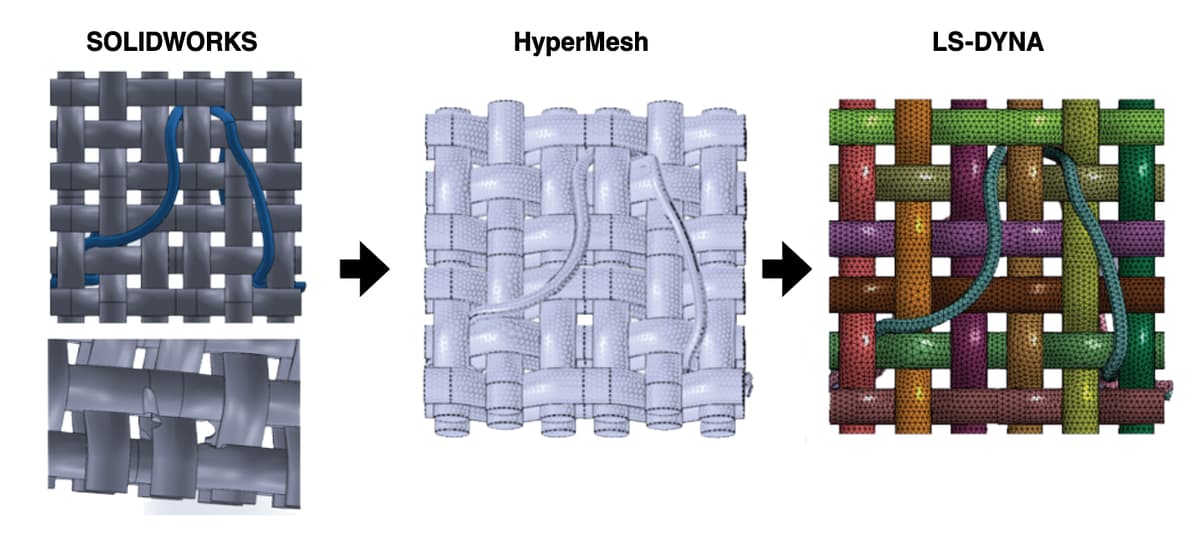
Computational Modeling of Failure at the Fabric Weave Level in Reentry Parachute Energy Modulators
NASA researchers developed a high‑fidelity computational model of re‑entry parachute energy modulators (EM) at the fabric‑weave level using LS‑DYNA. The model represents each Kevlar and nylon thread as solid elements and includes a Python script that replicates the unit stitch...

Expanding the Human Factors Toolbox: An Approach to Balancing Crew and Mission Design Parameters
NASA’s Human Factors team has created a quantitative methodology to guide crew‑size decisions for future crewed Mars missions. The approach adapts Department of Defense manpower models and introduces four human‑performance models that evaluate EVA support, robotic arm operation, transit workload,...

COPV Damage Tolerance Life Demonstration Guidelines
NASA's NESC released new guidelines for damage‑tolerance life demonstration of composite overwrapped pressure vessels (COPVs). The guidance aligns with AIAA S‑081 and NASA‑STD‑5019, applying a four‑times life factor to ensure detectable cracks remain subcritical throughout service. It outlines procedures for...

Celebrating NASA’s Mars Reconnaissance Orbiter’s 20th Anniversary: Crater Near Sirenum Fossae
NASA’s Mars Reconnaissance Orbiter celebrated its 20th anniversary by releasing a high‑resolution image of a relatively fresh impact crater near Sirenum Fossae. The crater, captured on June 3 2015, displays a sharp rim, well‑preserved ejecta and steep gullied walls that may host...
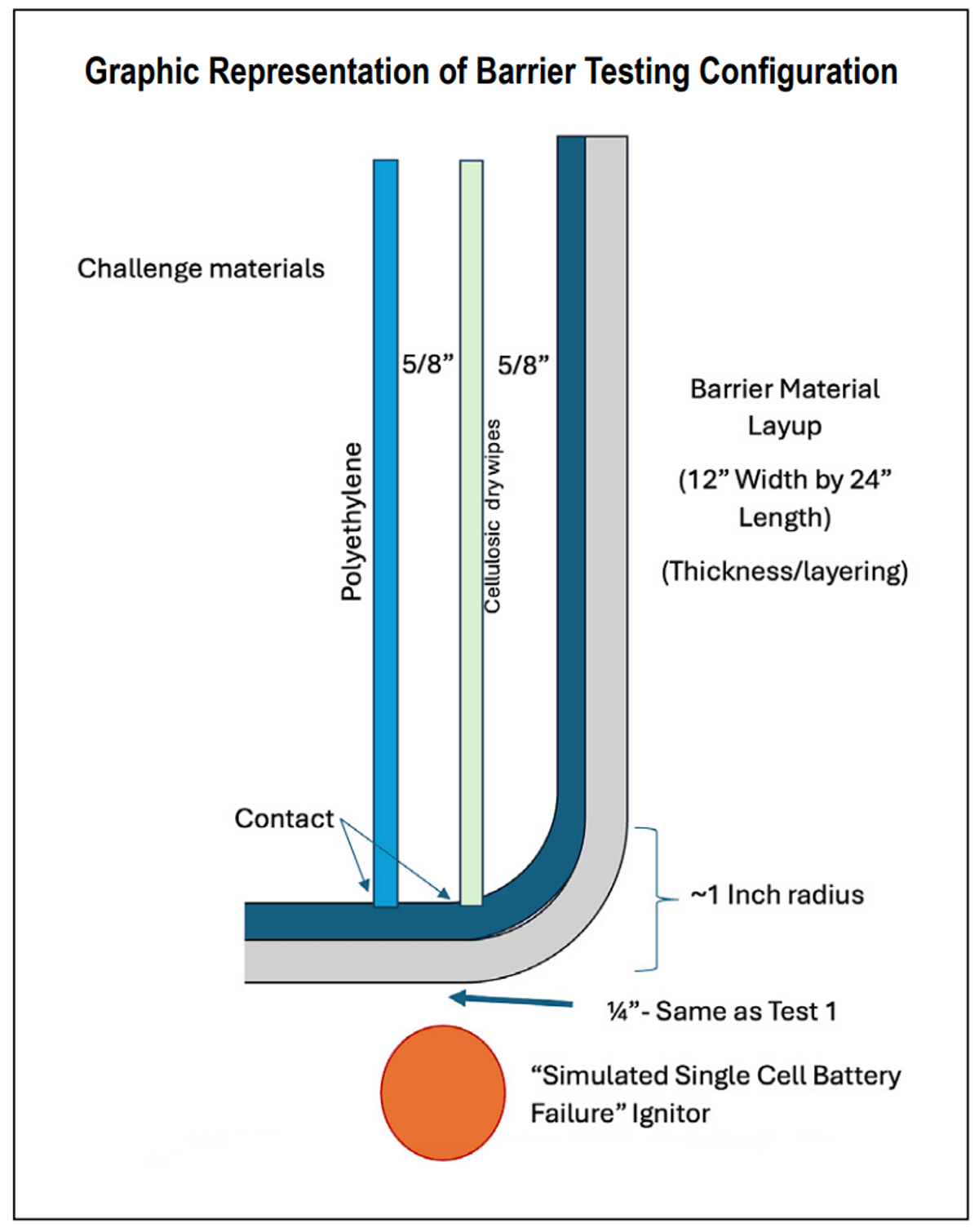
Flammability Testing Configuration and Approach of Barrier MaterialAssemblies Designed for Space Flight Applications
NASA’s Engineering and Safety Center teamed with Johnson Space Center, White Sands Test Facility, and Marshall Space Flight Center to create a dedicated flammability test for barrier material assemblies. The test evaluates how effectively these barriers can isolate a cabin...

Webb Studies Cranium Nebula
NASA’s James Webb Space Telescope captured Nebula PMR 1, nicknamed the “Exposed Cranium” nebula, in near‑infrared light, emphasizing its uncanny brain‑like shape within a transparent skull. The image shows an outer hydrogen‑rich shell and a structured inner cloud separated by a...

NASA Astronauts to Answer Questions From Students in New York
NASA will host a live Earth‑to‑space Q&A with astronauts Jack Hathaway and Chris Williams aboard the International Space Station. The session, scheduled for 12:05 p.m. EDT on March 11, will be streamed on the Learn With NASA YouTube channel and organized by the...
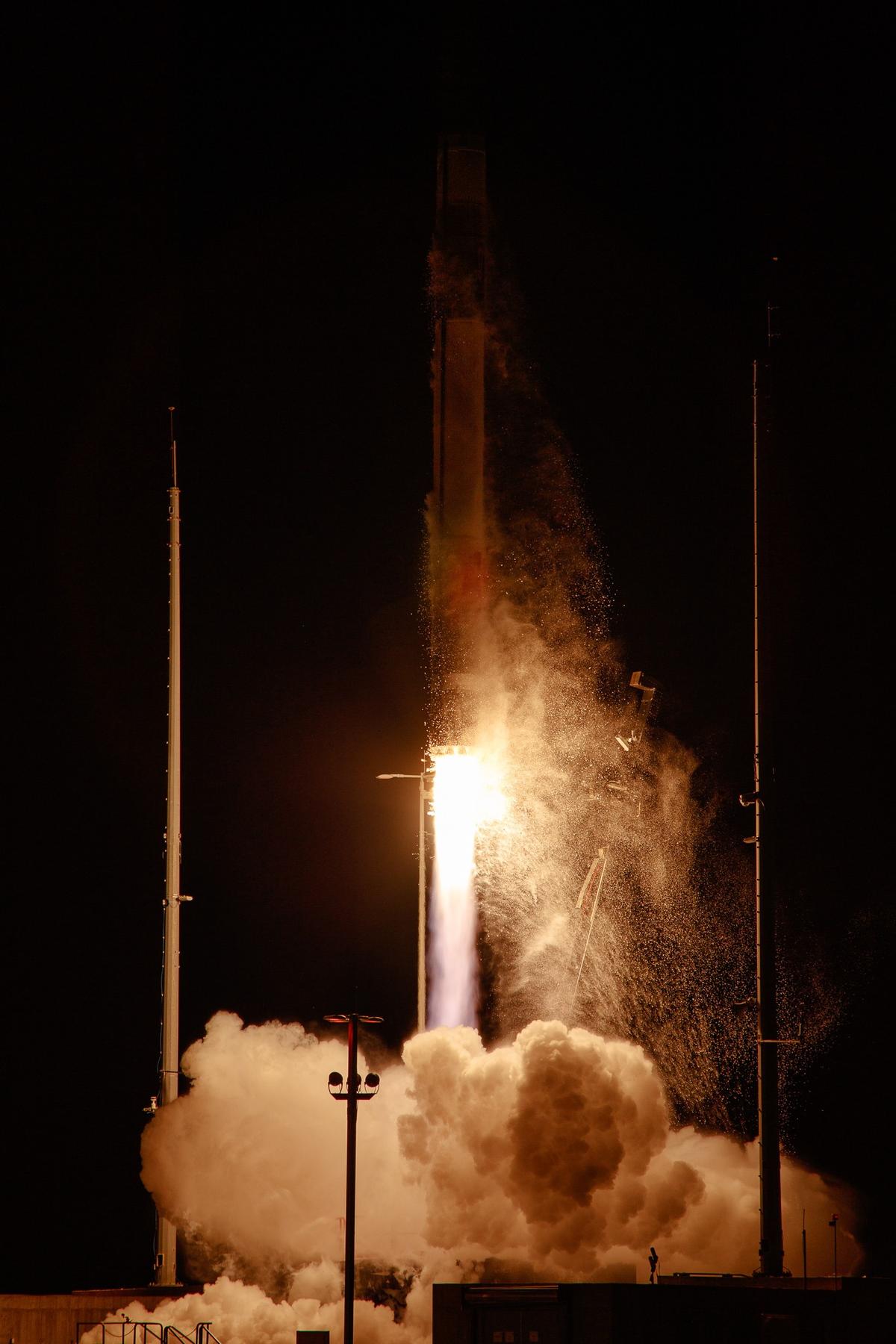
NASA Wallops Supports First Rocket Lab HASTE Launch of 2026
NASA’s Wallops Flight Facility provided tracking, telemetry and range‑safety services for Rocket Lab’s HASTE suborbital launch on Feb. 27, 2026. The mission, dubbed Cassowary Vex, carried a hypersonic test platform for the Department of Defense’s Defense Innovation Unit. This was the first...

Artemis II: What’s on the Menu?
NASA has finalized a shelf‑stable menu for Artemis II, the first crewed flight around the Moon, ensuring all meals are safe, nutrient‑dense, and ready‑to‑eat without refrigeration or resupply. The menu was co‑developed with the astronauts, who sampled and ranked each item...

NASA Invites Proposals to Lease Land Parcels at Sandusky Facility
NASA’s Glenn Research Center is inviting proposals to lease land parcels at the Neil Armstrong Test Facility in Sandusky, Ohio. The agency offers five parcels totaling about 1,736 acres, ranging from 184 to 516 acres, under a Model Enhanced Use...
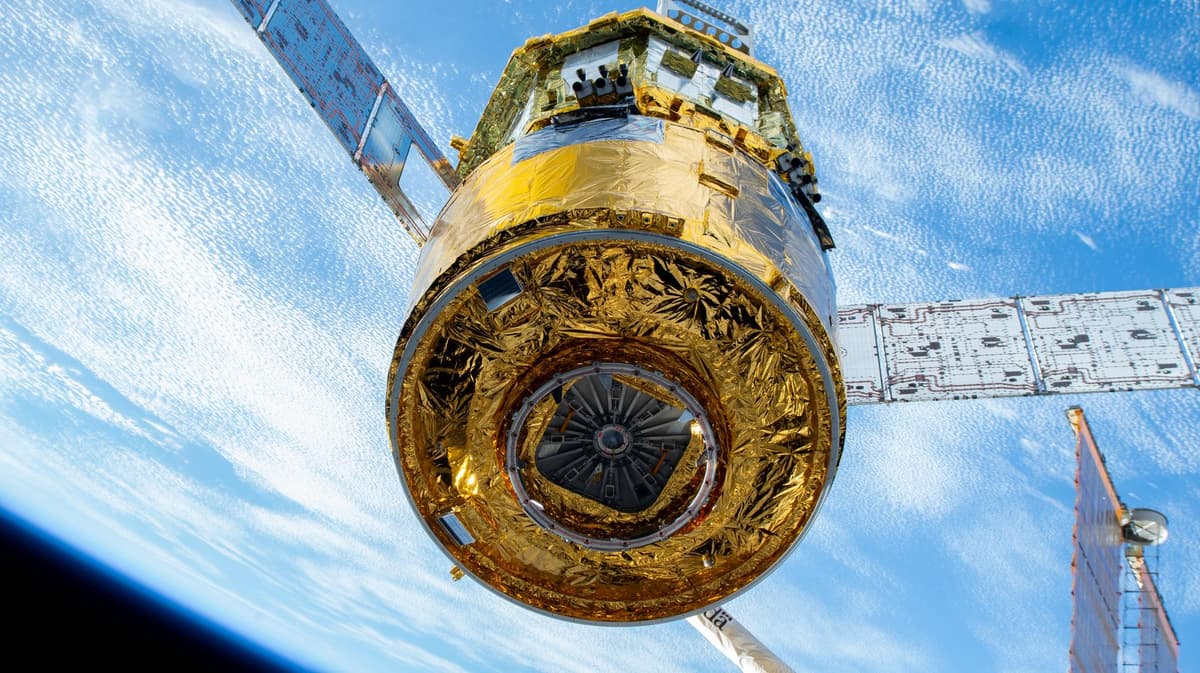
NASA, JAXA to Cover HTV-X1 Spacecraft Departure From Space Station
NASA and Japan’s JAXA will broadcast the departure of the uncrewed HTV‑X1 cargo spacecraft from the International Space Station on March 6, 2026. The vehicle delivered roughly 12,000 lb of scientific experiments, supplies and hardware after launching on an H3 rocket from...

Harnessing the Sun to Extract Oxygen on the Moon
NASA’s Carbothermal Reduction Demonstration (CaRD) successfully used a solar concentrator, mirrors and software to heat simulated lunar regolith and generate carbon monoxide, a precursor to oxygen. The test confirmed that sunlight‑driven chemistry can extract usable gases from moon‑soil without Earth‑supplied...
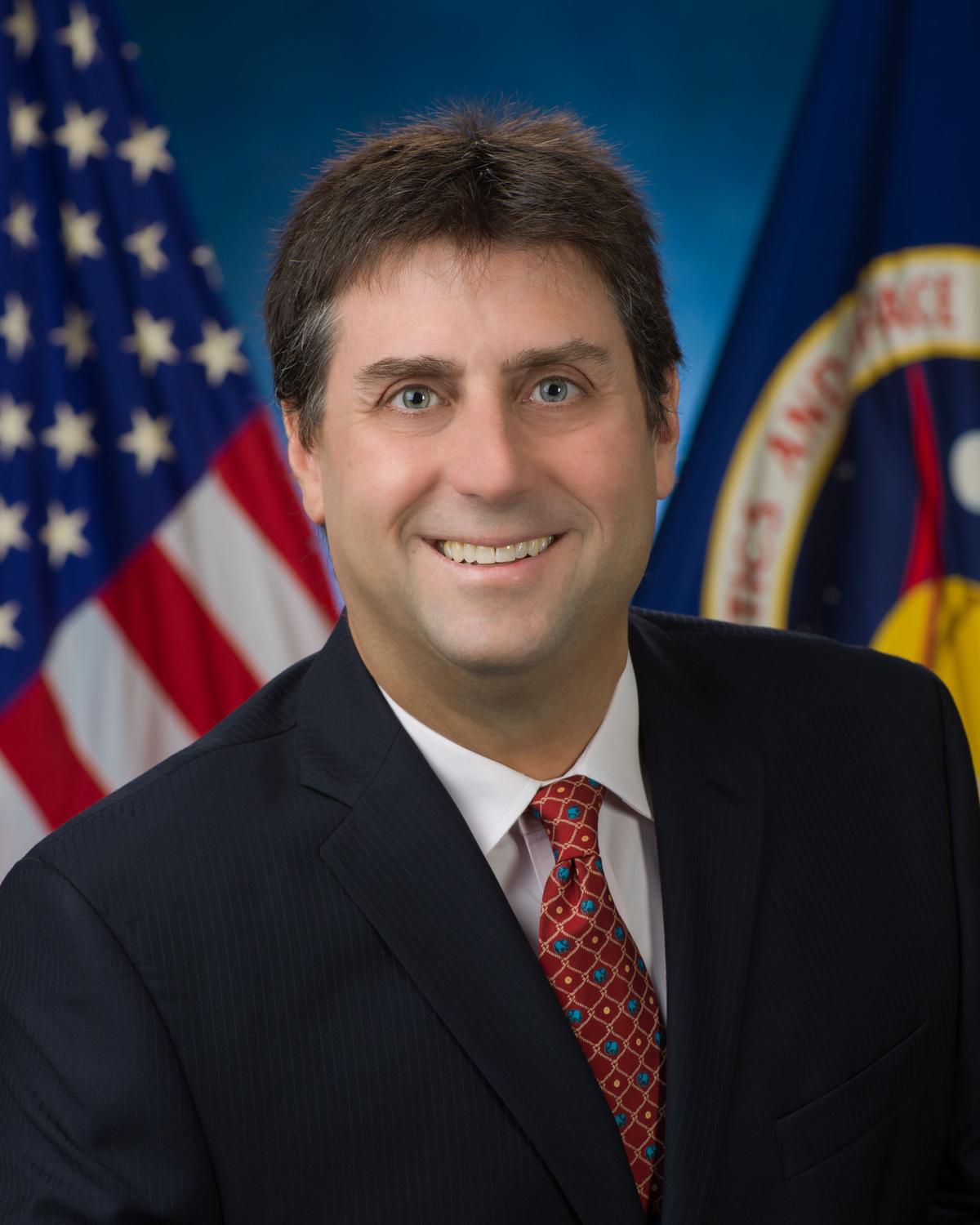
NASA Names Acting Leaders for Two Key Human Spaceflight Roles
NASA announced that Joel Montalbano will serve as acting associate administrator for the Space Operations Mission Directorate and Dana Hutcherson will become acting program manager of the Commercial Crew Program, effective immediately. Both officials previously held deputy roles and inherit...

Making an Entrance
NASA astronaut Jack Hathaway entered the International Space Station on Feb. 14, 2026 as the pilot of SpaceX Crew‑12, joining Expedition 74. The four‑person crew—Hathaway, Jessica Meir (NASA), Sophie Adenot (ESA) and Andrey Fedyaev (Roscosmos)—began a long‑duration microgravity research stint. Early investigations include...

NASA Study to Analyze Fermented Food Samples From Space
NASA’s BioNutrients-3 experiment aboard the International Space Station uses engineered probiotic cultures to ferment nutrient‑dense foods on demand, addressing the shelf‑life limits of essential vitamins for long‑duration missions. Astronaut Kimiya Yui demonstrated production bags containing yogurt cultures, and the samples...

NASA Releases Report on Starliner Crewed Flight Test Investigation
NASA released the final investigation report on Boeing's CST‑100 Starliner crewed flight test, declaring the mission a Type A mishap. The test, launched on June 5 2024, was extended to 93 days after propulsion anomalies and ultimately returned without the crew, who later flew...
NASA to Provide Starliner Crew Flight Test Review Findings Today
NASA will hold a live news conference at 2 p.m. EST on Thursday, Feb 19, 2026, to release the investigation findings from Boeing’s 2024 Starliner crewed test flight to the International Space Station. The briefing, streamed on NASA’s YouTube channel, will feature Administrator...
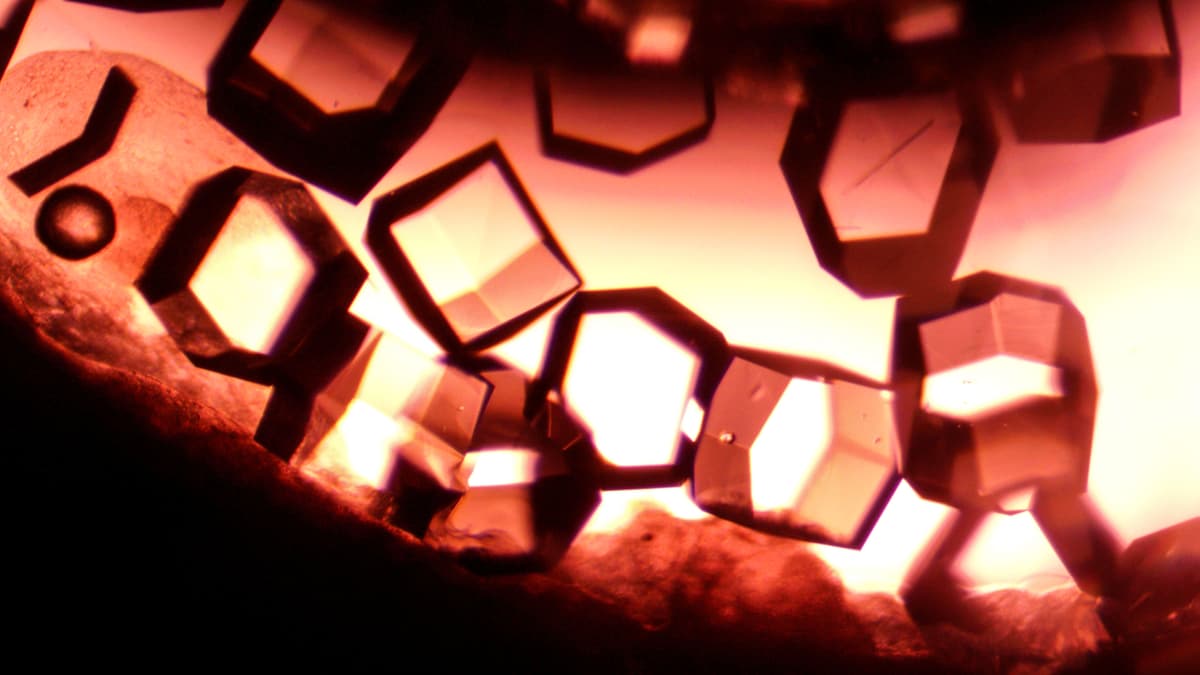
Crystals Grown in Space
NASA released an image of lysozyme protein crystals cultivated aboard the International Space Station using Redwire’s PIL-BOX hardware. The experiment is part of a broader study examining how microgravity influences crystal formation across various compounds. Lysozyme, a common immune protein,...

Small But Mighty Lab Device Could Transform NASA Research
NASA has delivered a cellphone‑sized microplate reader to the International Space Station aboard SpaceX Crew‑12, marking the first use of off‑the‑shelf lab equipment in low‑Earth orbit. The device will perform in‑situ biochemical assays, starting with interleukin‑6 measurements for the MABL‑B...

NASA Selects Vast for Sixth Private Mission to Space Station
NASA has awarded Vast the contract for its sixth private astronaut mission to the International Space Station, with a launch no earlier than summer 2027. The mission, slated for up to 14 days aboard the ISS, will be flown on...

CubeSats’ Missions Begin
NASA astronaut Chris Williams deployed two student‑built CubeSats from the ISS Kibo laboratory, showcasing a multinational effort involving Mexico, Italy, Thailand, Malaysia and Japan. The 3U nanosatellites, each weighing 1‑10 kg, will conduct Earth‑observation imaging and test new communication hardware. CubeSats have...
Grants
NASA’s National Space Science Center (NSSC) has moved to a consolidated model for awarding and managing all agency grants and cooperative agreements, aiming to streamline processes, improve data quality, and achieve economies of scale. The agency released updated Terms and...

Icy Hudson River
In late January 2026, Landsat 8’s Operational Land Imager captured a striking view of ice covering the Hudson River along Manhattan’s western shore. The false‑color image, taken on Jan 28, highlights light‑blue ice, red vegetation, and snow‑covered banks. Scientists attribute the ice...

Strong Solar Flare
NASA’s Solar Dynamics Observatory captured a powerful X4.2 solar flare on February 4, 2026, visualized in extreme ultraviolet light. The flare, one of the strongest recorded this solar cycle, erupted from the Sun’s surface and was highlighted in blue‑red colorization. Such X‑class...
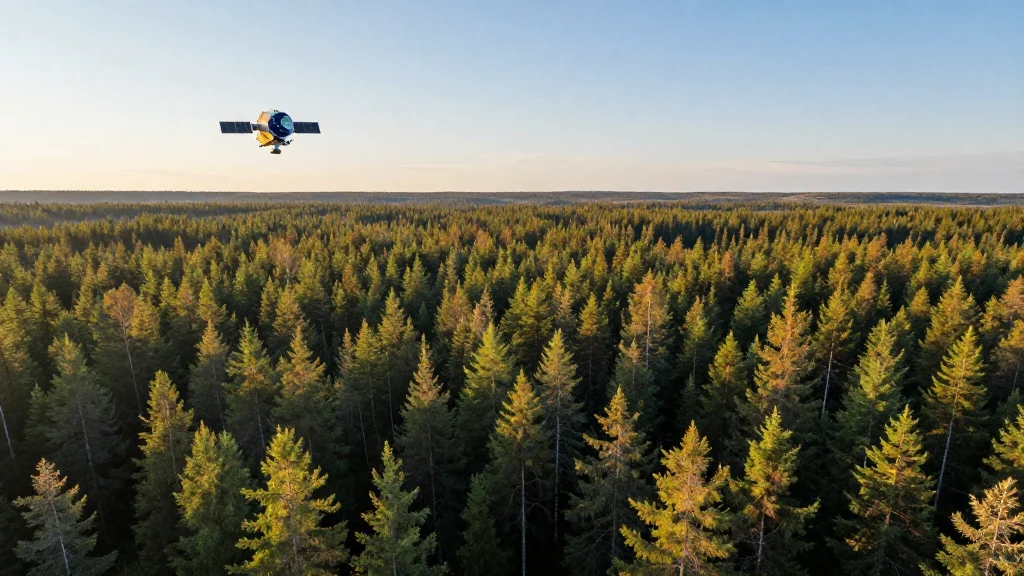
Boreal Forests Are Shifting North
Researchers using the full Landsat archive confirmed that the world’s boreal forest has expanded and migrated northward over the past four decades. Between 1985 and 2020 the forest grew by 0.844 million km², a 12% increase, and its mean latitude shifted...

NASA Selects Two Earth System Explorers Missions
NASA has selected two Earth System Explorers missions—STRIVE and EDGE—for further development, targeting launch no earlier than 2030. STRIVE will provide daily, near‑global, high‑resolution measurements of temperature, atmospheric composition, and aerosols from the upper troposphere to the mesosphere, enhancing long‑range...

Hubble Spots Lens-Shaped Galaxy
NASA and ESA released the sharpest Hubble image of NGC 7722, a lenticular galaxy 187 million light‑years distant in Pegasus. The photo reveals striking concentric rings of dust and gas spiraling around a luminous nucleus. Lenticular galaxies occupy an intermediate classification between...

TB 26-01 Evaluation of Adhesive and Solvent Alternatives for Polymeric Bonding Applications
NASA's Engineering and Safety Center completed a technical assessment of alternatives to dichloromethane for bonding transparent polymeric components used in spacecraft. The study was prompted by looming EPA TSCA restrictions that could limit the solvent’s availability. Researchers evaluated a suite...
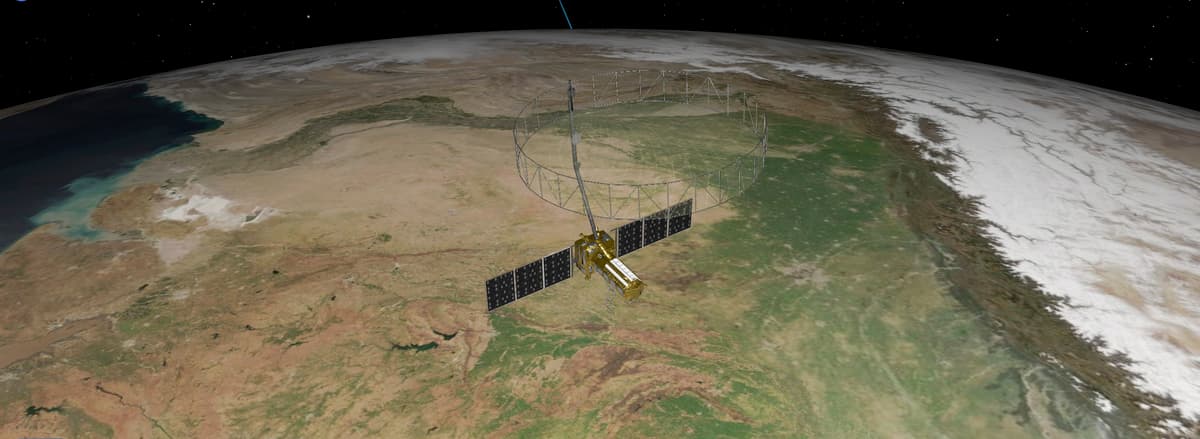
NASA Space to Soil Challenge
NASA’s Earth Science Technology Office has opened the Space‑to‑Soil Challenge, inviting teams to design SmallSat missions that embed adaptive sensing and onboard AI. The competition emphasizes real‑time interpretation of land‑surface data to support regenerative agriculture, sustainable forestry, and broader land‑resilience...

NASA Astronaut to Answer Questions From Students in Pennsylvania
NASA astronaut Chris Williams will field pre‑recorded STEM questions from K‑12 students in Allentown, Pennsylvania, during a live Earth‑to‑space downlink on February 5. The session, streamed on the Learn With NASA YouTube channel, is hosted by the Da Vinci Science Center and open to...

NASA, Partners Advance LISA Prototype Hardware
NASA’s Goddard Space Flight Center completed tests on a second early‑version frequency reference system, a core component of the Laser Interferometer Space Antenna (LISA) mission. The hardware, built by BAE Systems, stabilizes the infrared lasers that must measure distances to...
NASA Awards Global Modeling, Assimilation Support Contract
NASA has awarded ADNET Systems, Inc. a five‑year, cost‑plus‑fixed‑fee contract to provide global modeling and data assimilation support for the Goddard Space Flight Center. The indefinite‑delivery/indefinite‑quantity agreement caps at roughly $84 million and begins on March 15, 2026. ADNET will maintain the Goddard...

NASA Invites Media to Crew-10 Visit at Marshall
NASA will host astronauts Nichole Ayers and Takuya Onishi at Marshall Space Flight Center on Jan. 23 for a media briefing on their recent SpaceX Crew‑10 mission. The Crew‑10 flight, launched March 14 2025 and returned Aug. 9 2025, completed dozens of ISS experiments under...

NASA Astronaut Suni Williams Retires
NASA astronaut Sunita “Suni” Williams retired Dec. 27, 2025 after a 27‑year career marked by three ISS missions and record‑setting flight time. She logged 608 days in space, the second‑longest cumulative duration for a NASA astronaut, and completed nine spacewalks...
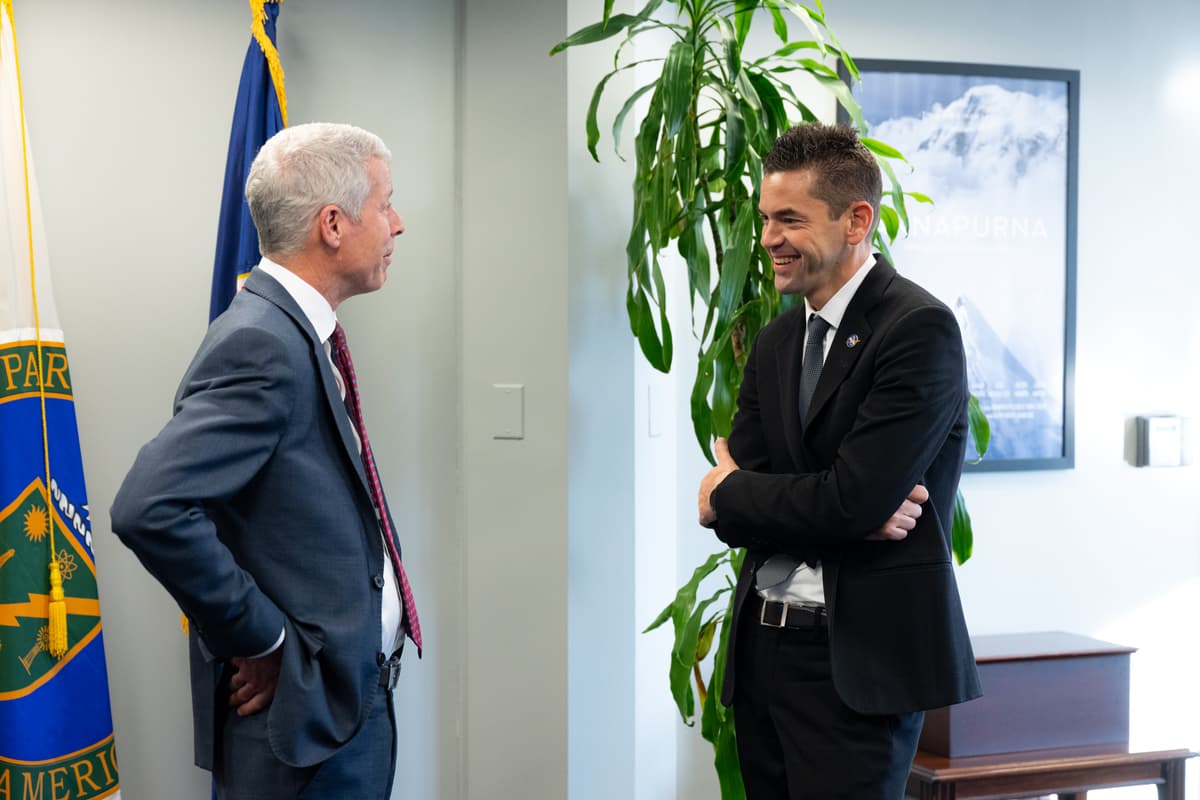
NASA, Department of Energy to Develop Lunar Surface Reactor by 2030
NASA and the Department of Energy have formalized a renewed partnership to develop a fission surface power system for the Moon, aiming to launch a lunar surface reactor by 2030. The memorandum of understanding builds on decades of collaboration and...