NASA News (Breaking)
Official NASA news feed providing updates on launches, missions, discoveries, and agency programs.
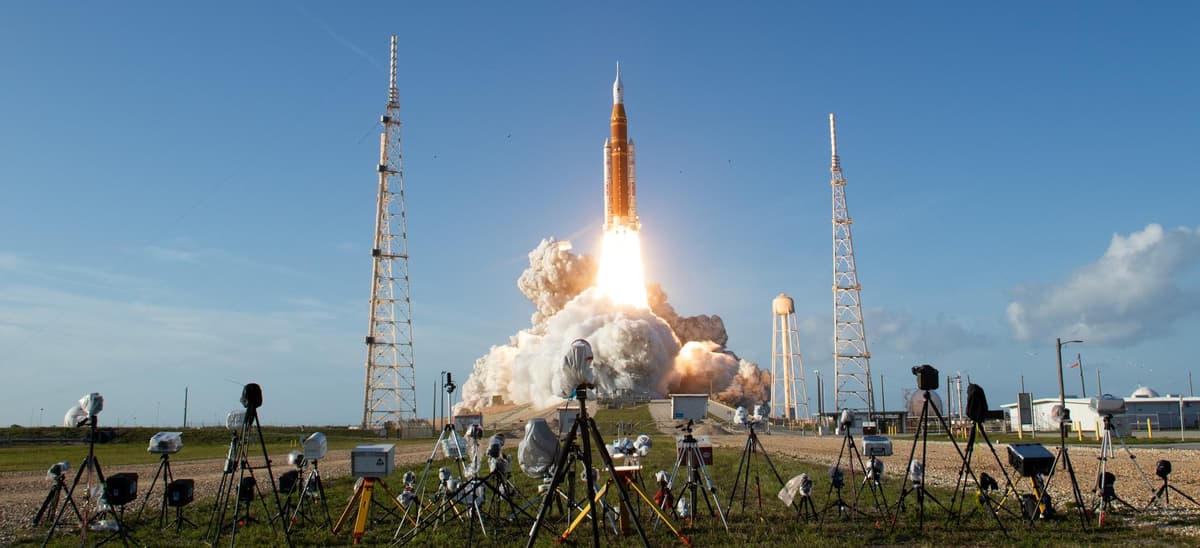
NASA Wins Four Telly Awards for Artemis Moon Coverage, More
NASA’s Artemis II mission— the first crewed lunar flyby since Apollo— earned four 2026 Telly Awards, including a gold in Science & Technology and a silver for Live Events. The agency’s 24/7 livestream combined real‑time data, expert analysis and immersive visuals, drawing nearly 290 million views across NASA’s own channels. Additional honors recognized a geology‑training video and a documentary on the Hubble, James Webb and Roman telescopes. The awards underscore NASA’s ability to turn a complex spaceflight into a global, digital storytelling event.
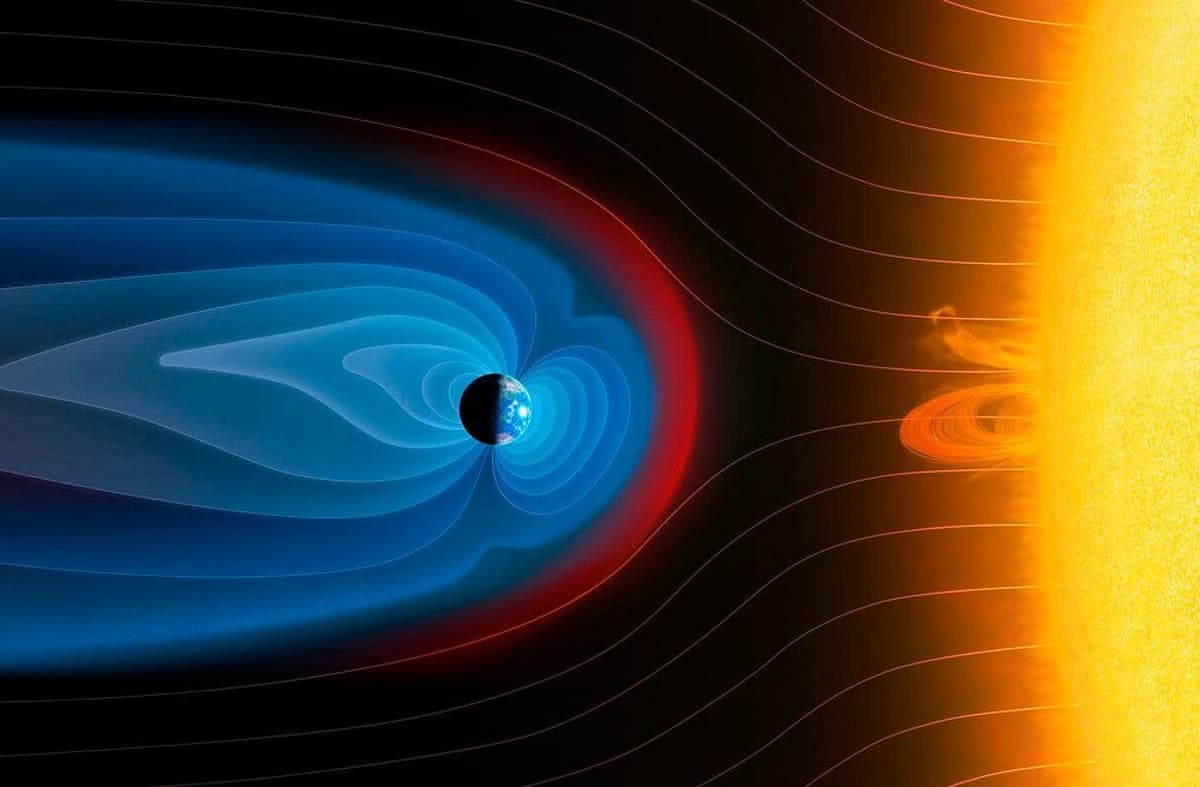
NASA’s New Shock Detectives Project Invites Volunteers to Help Study Solar Wind
NASA has launched the Shock Detectives citizen‑science project, inviting volunteers to sort more than a decade of Magnetospheric Multiscale (MMS) data that capture Earth’s bow‑shock region. Participants will label sections of the data as “chaotic” or “peaceful,” helping researchers pinpoint...
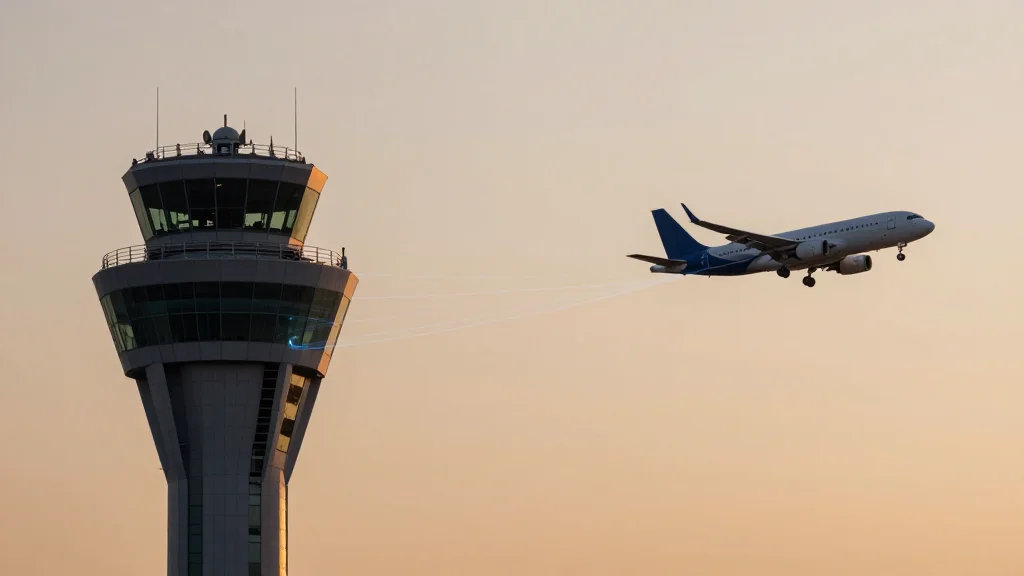
NASA Langley Engineer Attends FAA Training
NASA Langley engineer Will Cummings‑Grande attended the FAA Tower Data Link Services (TDLS) Application Specialist training at the Mike Monroney Aeronautical Center, gaining hands‑on insight into digital clearance delivery. He identified a missing link between TDLS and the Terminal Flight...
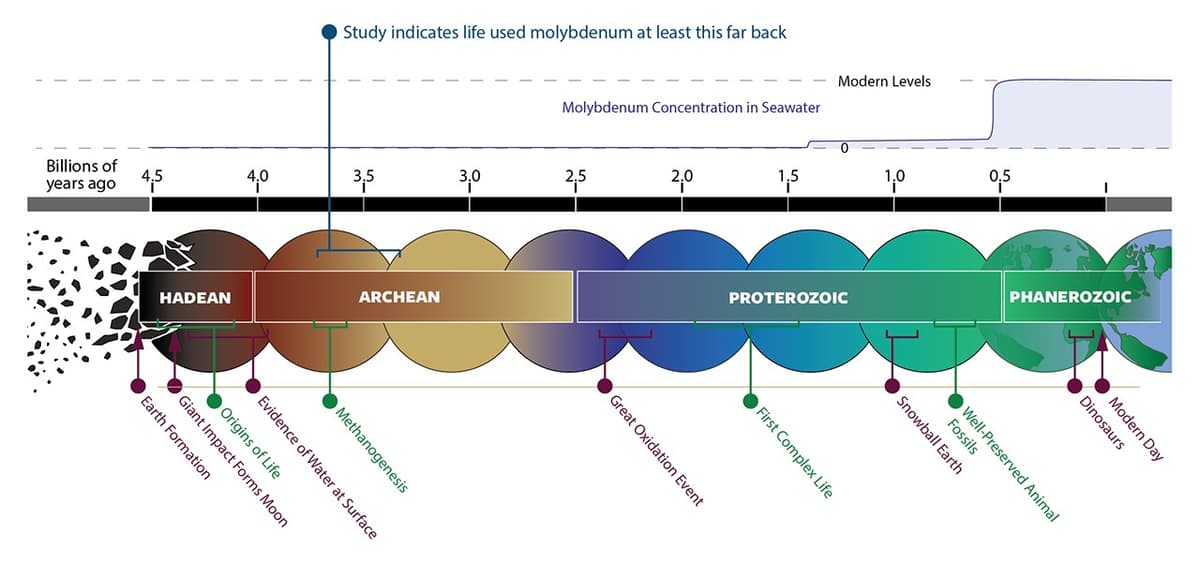
NASA Research Shows Early Life Relied on Rare Metal
NASA‑funded researchers have shown that microbes on early Earth employed the metal molybdenum as far back as 3.7–3.1 billion years ago, long before the element became abundant in the oceans. The study, published in Nature Communications, reconstructs the evolutionary history of...

NASA Invites Media to Ireland Artemis Accords Signing
NASA will host a signing ceremony on May 4 at 3 p.m. EDT for Ireland to become a party to the Artemis Accords, the multilateral framework governing civil lunar and Mars activities. Administrator Jared Isaacman will welcome Irish Ambassador Geraldine Byrne Nason,...
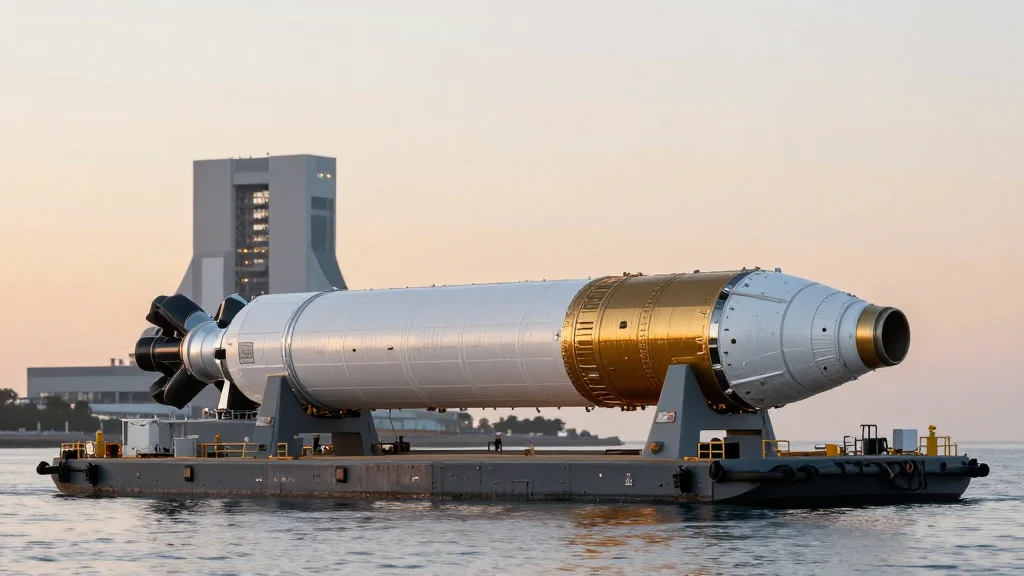
Artemis III Moon Rocket Core Stage on the Move
NASA moved the massive SLS core stage into the Vehicle Assembly Building at Kennedy Space Center on April 27, 2026. The 900‑mile journey was completed on the Pegasus barge from the Michoud Assembly Facility in New Orleans. The core stage...

NASA Welcomes Morocco as 64th Artemis Accords Signatory
On April 29, 2026, Morocco signed the Artemis Accords in Rabat, becoming the 64th nation to join the framework for responsible lunar and deep‑space exploration. The ceremony was attended by NASA Administrator Jared Isaacman, U.S. Deputy Secretary of State Christopher...
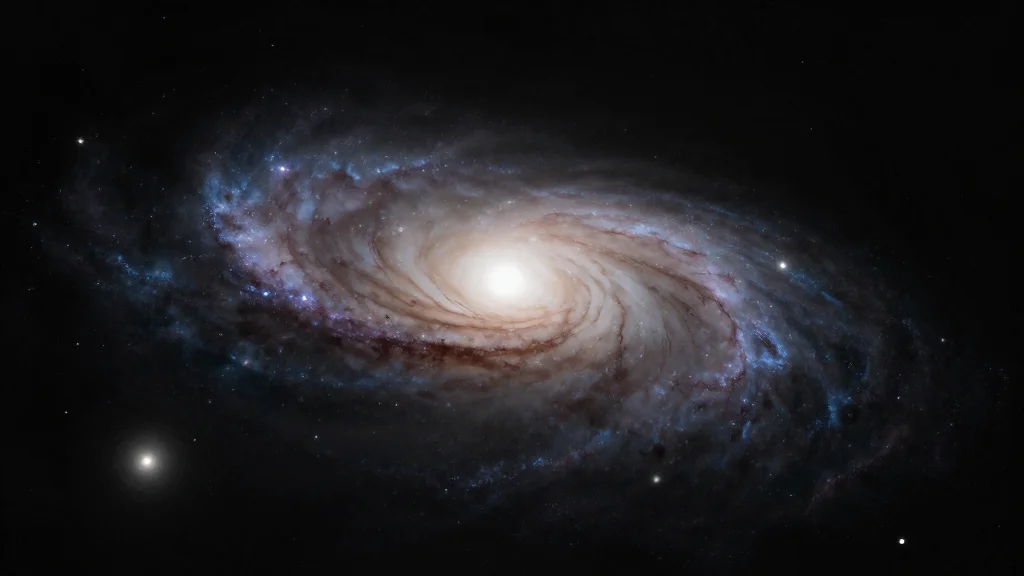
A Gently Glowing Galaxy
NASA’s Hubble Space Telescope captured a striking image of the barred spiral galaxy IC 486 on April 13, 2026. The galaxy, located about 380 million light‑years away on the edge of Gemini, displays a bright central bar and smooth, ring‑like spiral arms that emit...
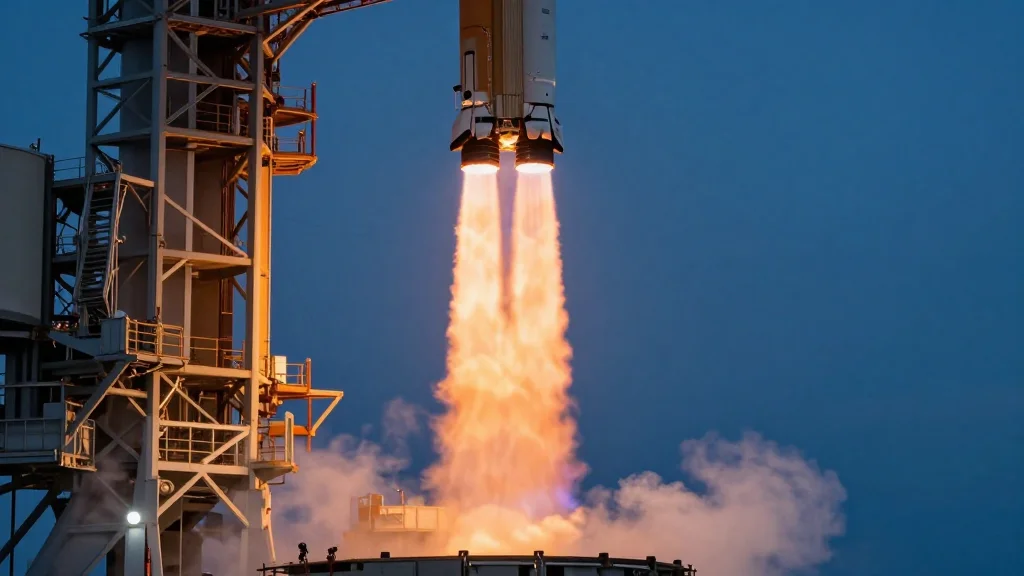
NASA Demonstrates New Prescribed Burn Capability for Spaceport
NASA teamed with the U.S. Fish and Wildlife Service to conduct two prescribed burns covering roughly 2,600 acres at Kennedy Space Center on Jan. 9, 2026, marking the first time a controlled fire was set during an active launch countdown....

Council on Environmental Quality Permitting Innovators Program
The White House Council on Environmental Quality (CEQ) has opened its Permitting Innovators program, inviting tech firms and startups to submit solutions that streamline federal environmental review and permitting. Submissions are accepted from April 28 through June 2, with selected...
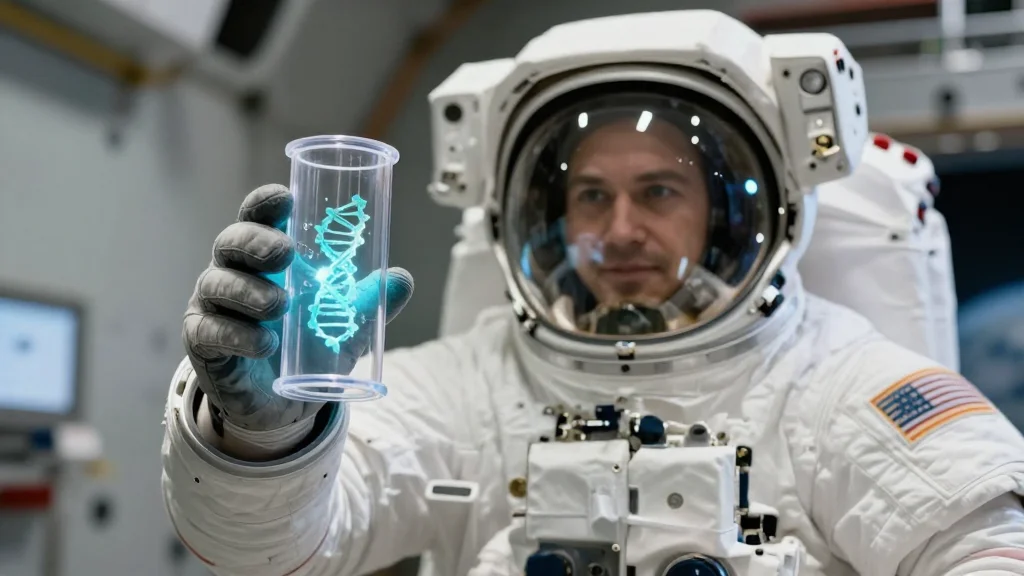
Science in Space
NASA astronaut Chris Williams and ESA astronaut Sophie Adenot conducted the DNA Nano Therapeutics‑3 experiment in the Kibo laboratory’s Life Science Glovebox aboard the International Space Station. The study explores DNA‑inspired assembly techniques to fabricate nanostructured cancer therapies such as chemotherapy and...
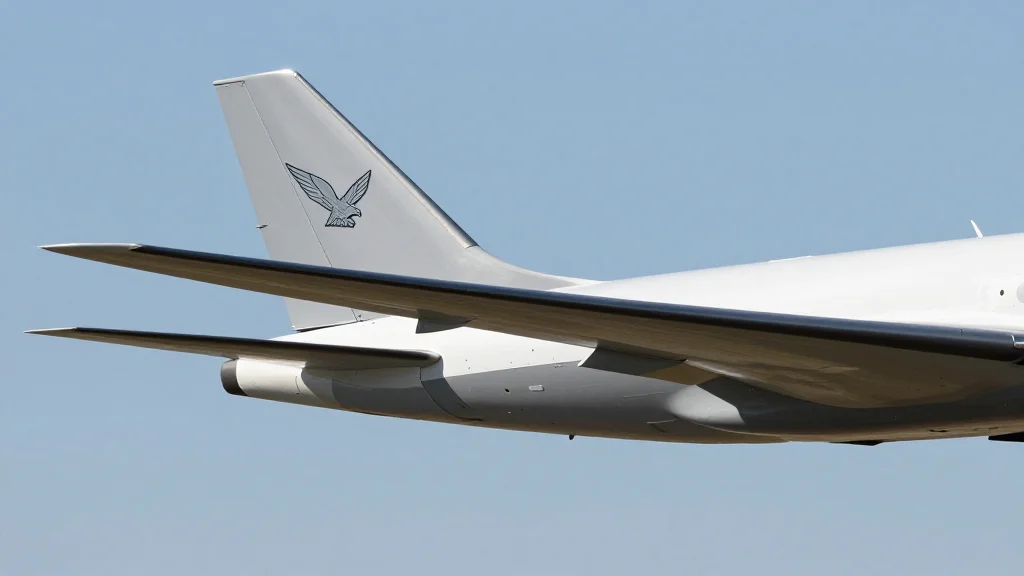
NASA’s X-59 Gets Freedom 250 Logo
NASA has added a Freedom 250 logo to the tail and engine of its X-59 QueSST research aircraft, commemorating the United States’ 250th anniversary in 2026. The X-59, the sole platform for NASA’s Quiet Supersonic Technology program, is designed to...
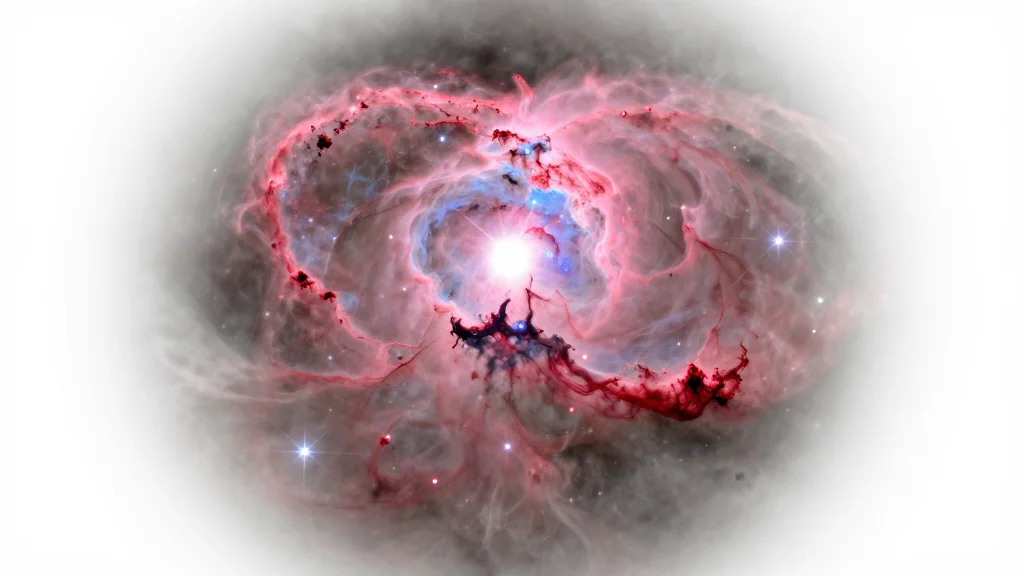
The Day of the Trifid Nebula
NASA’s Hubble Space Telescope released a high‑resolution visible‑light image of the Trifid Nebula on April 20, 2026, marking the mission’s 36th launch anniversary. The photo reveals intricate dust filaments and glowing young stars within a region about 5,000 light‑years from...
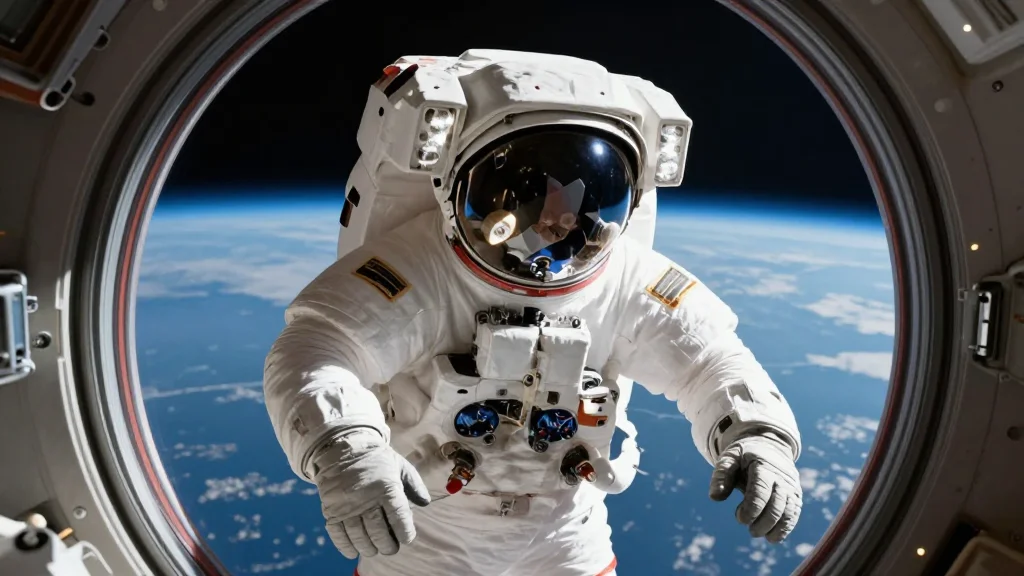
NASA Astronauts to Answer Questions From Missouri Students
NASA will host a live, prerecorded Q&A session on April 30 where astronauts Jessica Meir and Jack Hathaway answer STEM questions from Missouri K‑12 students while aboard the International Space Station. The broadcast begins at 10:50 a.m. EDT on the Learn With...

Earthset
On April 6, 2026, the Artemis II crew photographed Earth setting behind the Moon’s far side during their historic lunar flyby. The astronauts recorded detailed views of terraced craters, ancient lava flows, and surface ridges, noting variations in color, brightness, and texture that...