Why It Matters
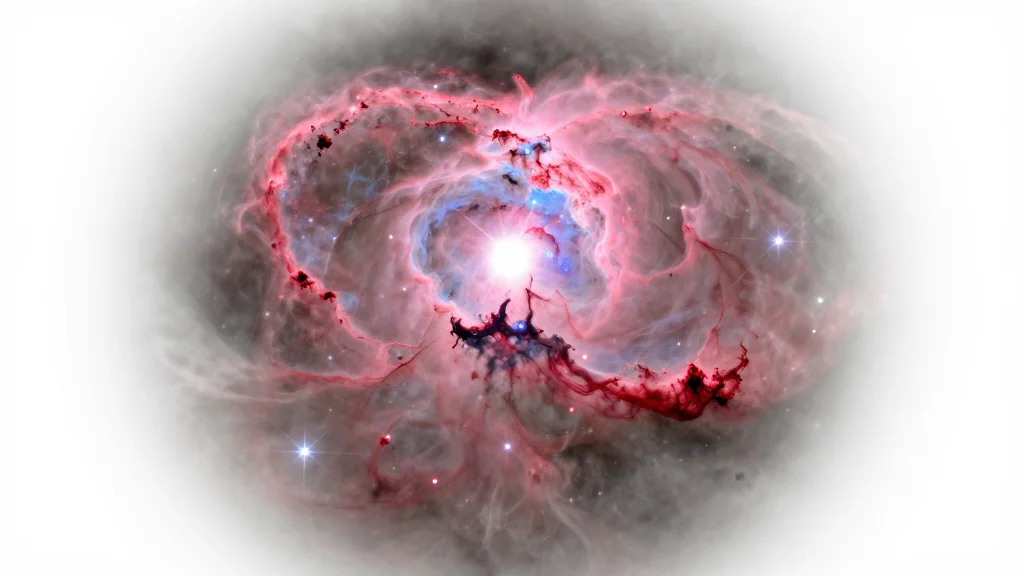
The image showcases Hubble’s enduring ability to deliver breakthrough astrophysical data, reinforcing support for space‑based observatories and deepening our understanding of star‑birth mechanisms.
Key Takeaways
- •Hubble captured Trifid Nebula detail on April 20, 2026
- •Image celebrates Hubble’s 36th launch anniversary
- •Massive stars have sculpted nebula for 300,000 years
- •Stellar winds compress gas, sparking new star formation
- •Photo highlights ongoing scientific value of aging space telescope
Pulse Analysis
The Trifid Nebula image arrives at a symbolic moment for the Hubble Space Telescope, which celebrated its 36th anniversary just days later. Since its 1990 launch, Hubble has repeatedly redefined astronomical imaging, and this latest release proves the observatory still pushes the frontier of visual detail. By capturing the nebula’s vibrant filaments and nascent stars in unprecedented clarity, Hubble provides researchers with a fresh laboratory to study the interplay of radiation, dust, and gravity in a nearby star‑forming region.
Astrophysicists prize the Trifid Nebula because it illustrates a classic cycle of stellar feedback. Massive O‑type stars, though not visible in the frame, have been expelling high‑velocity winds for hundreds of thousands of years, carving a bubble that sweeps up surrounding material. This compression triggers the collapse of dense pockets, birthing new generations of stars—a process observable in the swirling red‑black dust and bright blue protostars captured by Hubble. Analyzing such regions refines models of how galaxies recycle gas and sustain star formation over cosmic timescales.
Looking ahead, the Trifid’s newly revealed structures will likely become prime targets for the James Webb Space Telescope and upcoming ground‑based observatories. Infrared observations can peer through the dust to map hidden protostars, while Hubble’s optical data supplies a complementary view of ionized gas. Together, these datasets amplify public interest and justify continued investment in space telescopes, reinforcing the narrative that legacy missions like Hubble remain indispensable to the astronomical community.
The Day of the Trifid Nebula
Comments
Want to join the conversation?
Loading comments...