
Recent Posts

News•Feb 26, 2026
Synaptic Correlates of Benzodiazepine Tolerance
Recent pre‑clinical work has mapped the synaptic changes that underlie benzodiazepine tolerance. Chronic exposure uncouples GABA(A) receptors from their benzodiazepine binding site, down‑regulates α1‑subunit mRNA, and reshapes receptor trafficking through auxiliary proteins such as Shisa7. These alterations weaken inhibitory signalling, requiring higher drug doses to achieve the same anxiolytic or hypnotic effect. The findings clarify why long‑term benzodiazepine therapy often loses efficacy and precipitates dependence.
By Nature (Biotechnology)

News•Feb 26, 2026
A Nuclei-Specific Fronto-Amygdala Pathway and Its Neurotransmitter Receptor Distribution: Implications for Antidepressant Selection
Recent neuroimaging and tract‑tracing studies have identified a nuclei‑specific fronto‑amygdala pathway that links distinct amygdala subregions with ventromedial prefrontal cortex. The work maps serotonin, norepinephrine and dopamine receptor densities across these nuclei, revealing divergent pharmacological profiles for SSRIs and SNRIs....
By Nature (Biotechnology)

News•Feb 26, 2026
The Novel Role of GADD45A in the Etiology of Autism: Modulating Neuronal Excitability via TET1/R-Loop Dependent Regulation of KCNQ5
Researchers identified GADD45A as a hub gene dysregulated in both valproic acid‑induced and MECP2‑related autism models. Deleting Gadd45a in mice produced core autistic traits, heightened neuronal excitability, and seizures, while rescuing GADD45A in excitatory mPFC neurons restored normal social behavior....
By Nature (Biotechnology)
News•Feb 25, 2026
Nitric Oxide-Mediated S-Nitrosylation of TSC2 Drives mTOR Dysregulation Across Shank3 and Cntnap2 Models of Autism Spectrum Disorder
Researchers identified that neuronal nitric oxide (NO) S‑nitrosylates the TSC2 protein at cysteine 203, triggering its ubiquitination and degradation. The loss of TSC2 removes inhibition of the mTOR pathway, causing hyperactivation in both excitatory and inhibitory neurons of Shank3Δ4–22 and Cntnap2‑/‑...
By Nature (Biotechnology)
News•Feb 25, 2026
Myelin Dysfunction in Autism Spectrum Disorder: Insights Into Core Symptoms and Mechanisms of Brain Development
Recent research highlights myelin dysfunction as a central factor in autism spectrum disorder, linking abnormal white‑matter development to core social and communication deficits. Genetic and epigenetic studies reveal that disruptions in oligodendrocyte maturation, driven by mTOR and ERK signaling, occur...
By Nature (Biotechnology)
News•Feb 25, 2026
Biomarker for Craving and Acamprosate Treatment Response in Patients with Alcohol Use Disorder: Insights From Multi-Omics
A multi‑omics investigation identified molecular signatures that link alcohol craving to acamprosate treatment response in patients with alcohol use disorder (AUD). The study highlighted IL17RB genetic variants and elevated plasma TNFSF10 as robust predictors of therapeutic success, while proteomic and...
By Nature (Biotechnology)
News•Feb 25, 2026
Dual Regulatory Roles of CPT1C in Chronic Stress-Induced Depression-Related Outcomes
A recent study reveals that carnitine palmitoyltransferase 1C (CPT1C) exerts dual regulatory functions in chronic stress‑induced depression‑related phenotypes. CPT1C enhances surface expression of GluA1‑containing AMPA receptors via SAC1‑mediated lipid signaling while simultaneously dampening mTORC1 activity through AMPK pathways. Genetic deletion...
By Nature (Biotechnology)

News•Feb 23, 2026
Trends and Patterns of Medical Stimulant Use by US Adults
Recent analyses reveal a steady rise in medical stimulant prescriptions among U.S. adults, with a 30% increase between 2013 and 2022. The expansion of telehealth, especially after COVID‑19, contributed to roughly 40% of new adult ADHD initiations, while FDA alerts...
By Nature (Biotechnology)
News•Feb 19, 2026
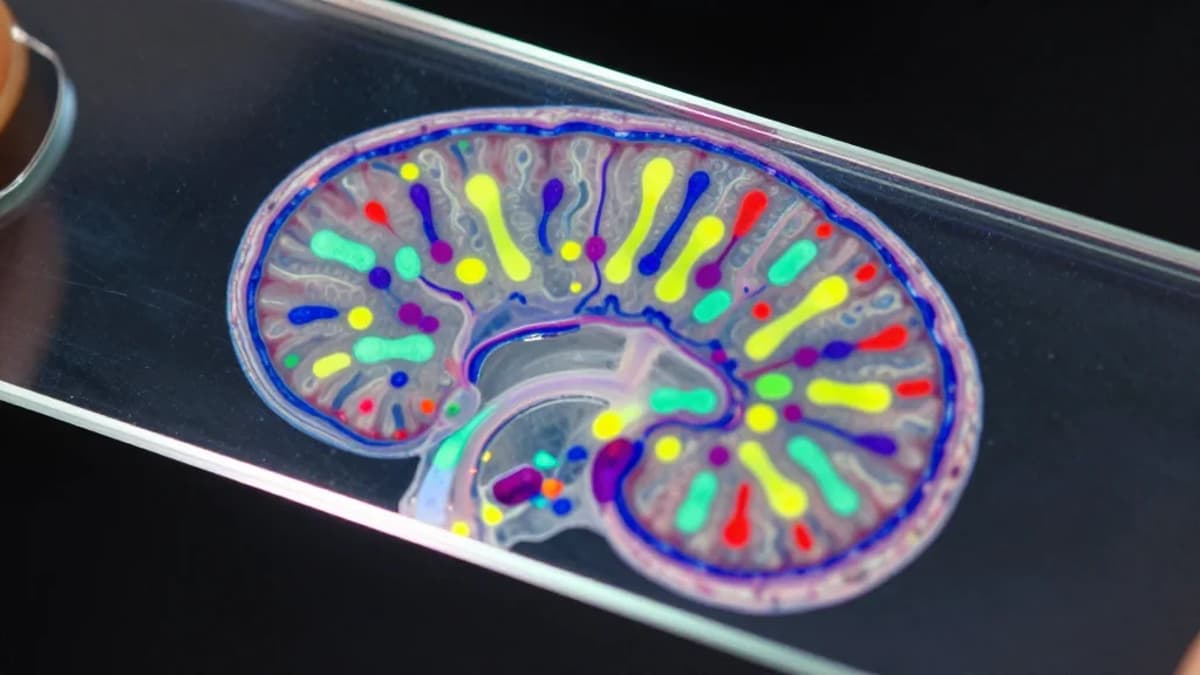
A Transcriptional Program Associated with Neurotransmission in the Living Human Brain
Researchers from the Living Brain Project combined prefrontal cortex biopsies from 130 neurosurgical patients with intracranial recordings of dopamine, serotonin, and other neurotransmitters. Differential‑expression analyses of single‑nucleus and bulk RNA‑seq data revealed reproducible gene‑expression signatures that correlate with fast‑scan cyclic...
By Nature (Biotechnology)

News•Feb 19, 2026
Exercise Mimetics as Unexplored Therapeutics for Treating Depression
The paper proposes exercise mimetics—pharmacological agents that imitate endurance training—as a novel class of antidepressants. While regular physical activity cuts depression risk by about 18 percent, adherence challenges limit its real‑world impact. Exercise mimetics activate muscle signaling pathways and alter the...
By Nature (Biotechnology)
News•Feb 19, 2026
Pharmacogenomics of Antiepileptic Drug Mood Stabilizer Treatment Response in Bipolar Disorder: A MoStGen Consortium Study
The Mood Stabilizer Genomics (MoStGen) Consortium analyzed 917 bipolar disorder patients to identify genetic predictors of response to antiepileptic mood stabilizers (AMS). Genome‑wide association studies revealed a robust association between lamotrigine response and variants in ROBO2, and a gene‑level signal...
By Nature (Biotechnology)

News•Feb 18, 2026
Sex Differences in Placebo and Antidepressant Response to Intranasal Esketamine for Treatment-Resistant Depression
A pooled analysis of five double‑blind, placebo‑controlled intranasal esketamine trials (n≈1,016) confirms that esketamine significantly reduces Montgomery‑Åsberg Depression Rating Scale (MADRS) scores versus placebo. Female participants showed larger total MADRS improvements at later visits (days 22 and 28) and greater reductions in...
By Nature (Biotechnology)
News•Feb 18, 2026
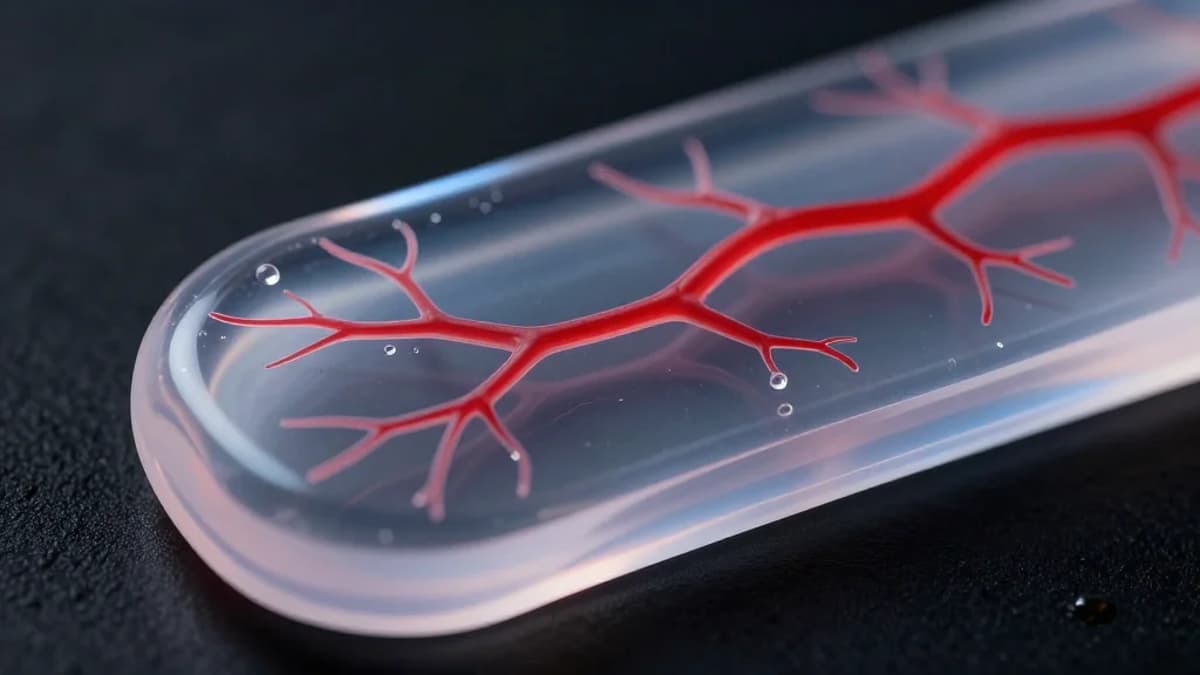
MiR126-Mediated Alteration of Vascular Integrity in Rett Syndrome
The study engineered 3D microvascular networks from Rett syndrome (RTT) patient‑derived iPS cells carrying MeCP2[R306C] or MeCP2[R168X] mutations and discovered markedly increased vascular permeability. Transcriptomic profiling linked this defect to up‑regulation of endothelial‑specific miR‑126‑3p, which suppresses tight‑junction regulators such as...
By Nature (Biotechnology)
News•Feb 17, 2026
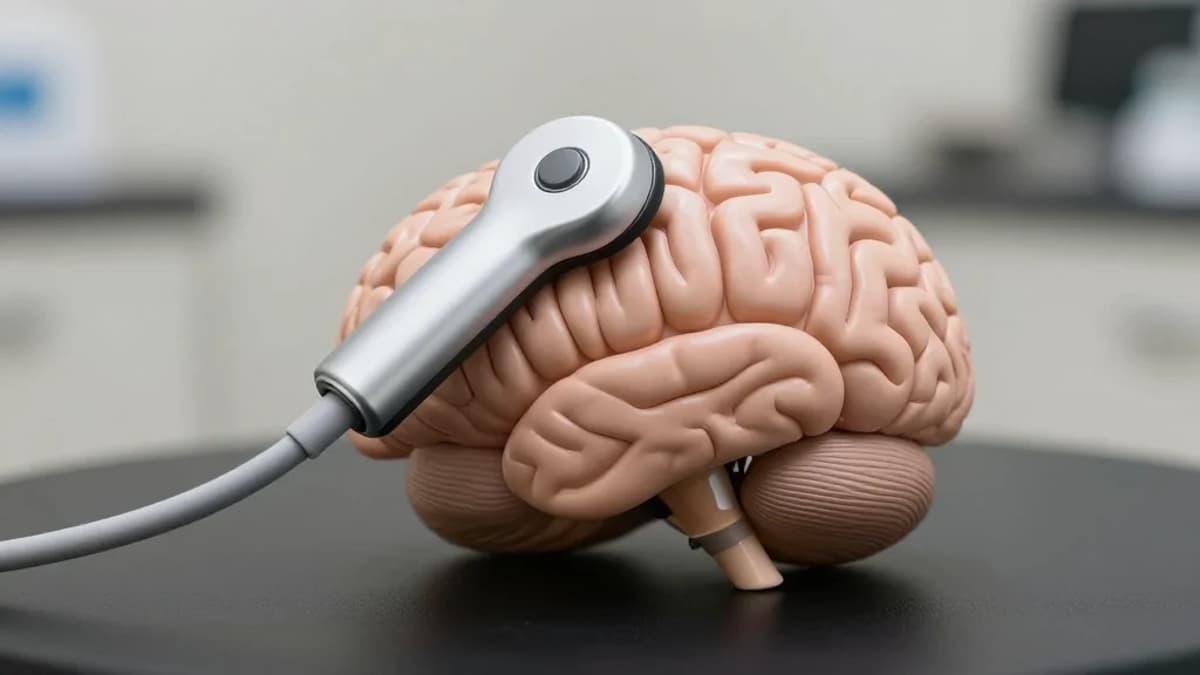
Exploring the Impact of Cognitive Profiles on the Response to Magnetic Seizure Therapy and Electroconvulsive Therapy
An open‑label, non‑randomized trial compared magnetic seizure therapy (MST) and electroconvulsive therapy (ECT) in 398 patients with major depressive disorder (MDD) or schizophrenia (SCZ). Both modalities produced comparable symptom reductions, but MST yielded faster re‑orientation and less decline in processing...
By Nature (Biotechnology)