
The Role of Sphingolipids in Major Depressive Disorder and Associated Cognitive Impairment: Interactions with Monoaminergic Signaling, Neuroinflammation, and Neurogenesis
Major depressive disorder (MDD) affects roughly 280 million people worldwide and remains poorly treated, with one‑third of patients resistant to current drugs. Over the past two decades, lipidomics has revealed that sphingolipid metabolism—particularly the acid sphingomyelinase (ASM)/ceramide pathway—plays a central role in MDD pathophysiology. Preclinical studies show that inhibiting ASM or modulating the ceramide‑sphingosine‑1‑phosphate rheostat restores hippocampal neurogenesis and produces rapid antidepressant‑like effects, while clinical lipidomics consistently report elevated peripheral ceramides in patients. These findings suggest sphingolipids as both mechanistic targets and potential biomarkers for personalized depression therapy.

Thalamo-Cortical White Matter Connectivity-Defined Thalamic Subarea Volumes Predict Individual Delay Discounting
A recent diffusion‑MRI study segmented the human thalamus into connectivity‑defined subareas and showed that the volumes of specific thalamo‑cortical tracts predict how steeply individuals discount delayed monetary rewards. Using a sample of 212 healthy adults, the researchers found that larger...

Maternal Fasting During Early Gestation Induces Epigenetic Alterations and Schizophrenia-Related Phenotypes
Researchers at Japanese universities created a mouse model where pregnant dams fasted for 16 hours on embryonic days 1, 3 and 5, mimicking early‑trimester famine. The transient maternal fasting caused brief drops in glucose and insulin but did not affect overall maternal food intake....
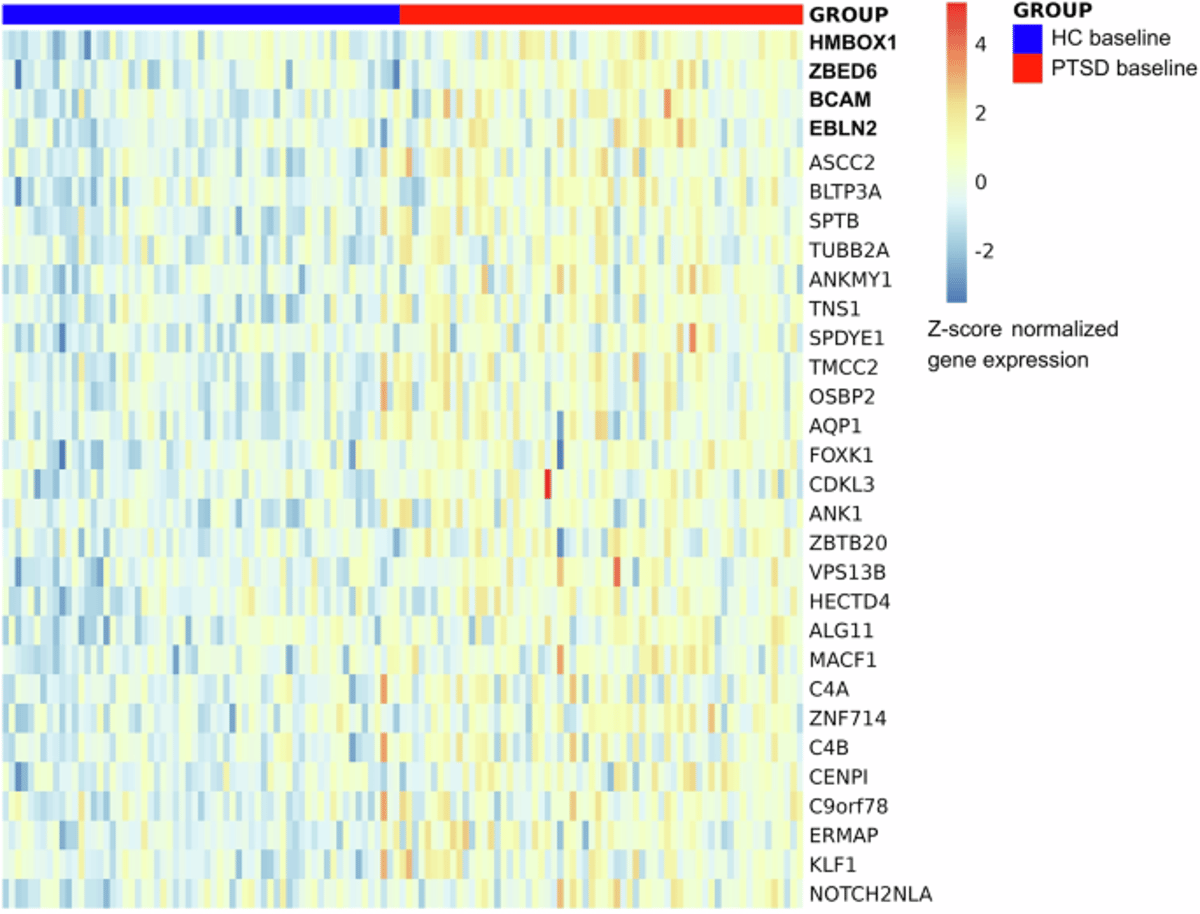
Dynamic Immune and Metabolic Dysregulation in Women with Post-Traumatic Stress Disorder: Longitudinal Transcriptomic Insights Following Sexual Assault
A longitudinal RNA‑sequencing study examined blood samples from 65 women with post‑traumatic stress disorder (PTSD) and 65 healthy controls, with follow‑up after one year of sertraline or interpersonal psychotherapy (IPT‑PTSD). Baseline analyses revealed down‑regulated immune pathways and up‑regulated erythropoietic and...

Predicting the Geographical Distribution of Drug Use Disorder in Sweden From the Geographical Variation in Social Deprivation, Genetic Risk and...
A new Swedish study used geographically weighted regression across 5,983 DeSO areas to dissect the spatial variation of drug use disorder (DUD). The analysis found that family‑genetic risk scores (FGRS) explain roughly 58% of the variance, while social deprivation accounts...
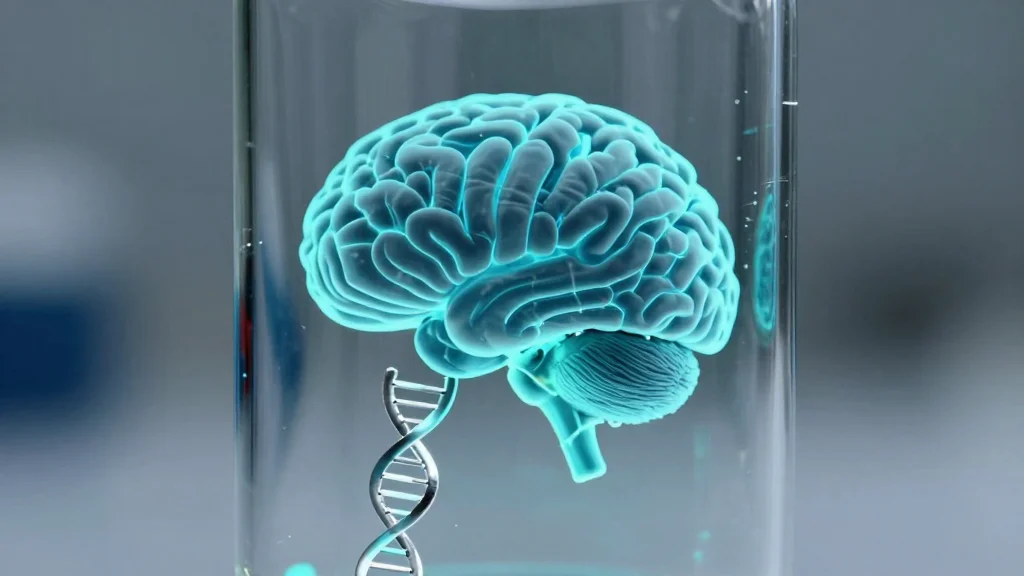
Integrating Cell-Type-Specific Gene Expression and Genome-Wide Associations Identifies Risk Genes for Schizophrenia
A new multi‑omics study combines single‑cell expression quantitative trait loci (eQTL) from distinct brain cell types with the largest schizophrenia genome‑wide association studies to pinpoint dozens of candidate risk genes. By colocalizing cell‑type‑specific eQTL signals with GWAS loci, the researchers...
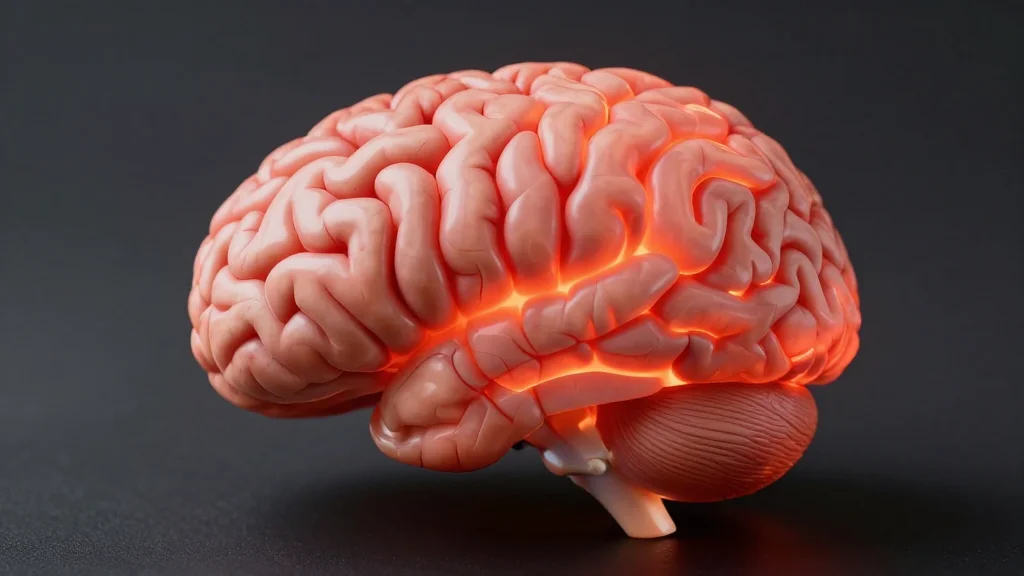
Physiological Age and Homeostatic Dysregulation Following Child Maltreatment in Youth
Researchers examined 461 children aged 8‑13 to determine how child maltreatment influences two pediatric biological‑age measures: the Klemera‑Doubal Method (KDM) physiological age and homeostatic dysregulation (HD). While overall maltreatment did not shift KDM age, it modestly increased HD, indicating greater...
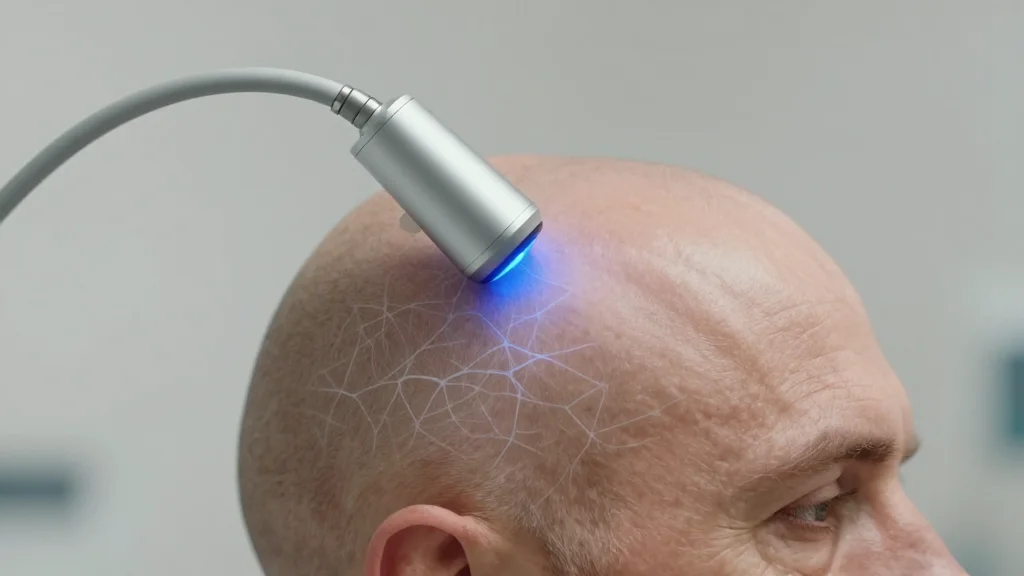
Stable Depression Subtypes Identified Using Functional Connectome Normative Deviation Models and Their Response to rTMS
Researchers applied functional connectome normative deviation models to a large cohort of patients with major depressive disorder, uncovering three stable neurobiological subtypes. Each subtype displayed distinct patterns of network hyper‑ or hypoconnectivity, particularly within the default mode and frontoparietal circuits....

Heterogeneous Functional State Dynamics and Its Structural Substrates in Male Individuals with Autism Spectrum Disorder
A new study of male individuals with autism spectrum disorder (ASD) uncovers pronounced heterogeneity in dynamic functional connectivity patterns, revealing distinct brain‑state trajectories. By integrating large‑scale resting‑state fMRI data with cortical thickness and diffusion metrics, the researchers map structural substrates...
Polysubstance Use Disorders Among US Adults
A new analysis of the 2022‑2023 National Surveys on Drug Use and Health, covering 92,233 U.S. adults, reveals that polysubstance use disorders remain common. About 4.6% of adults have two concurrent substance‑use disorders and 1.6% have three or more, while...
Adeno-Associated Virus-Based Approaches for Mitochondrial Diseases: Advances and Challenges
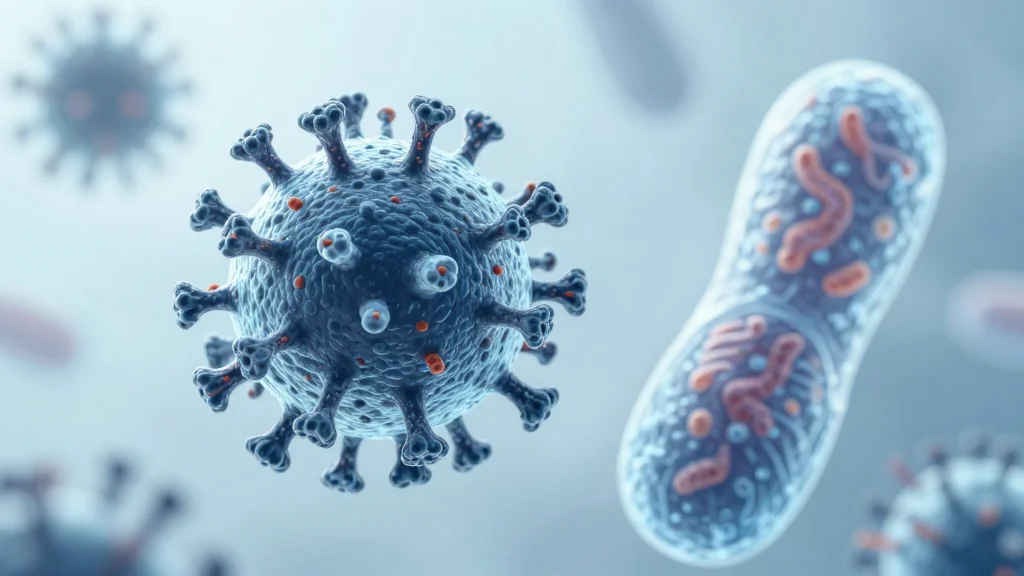
Adeno‑associated virus (AAV) vectors are emerging as a versatile platform for treating mitochondrial diseases, especially those caused by nuclear‑encoded gene defects. Pre‑clinical studies have shown that AAV‑mediated delivery of nuclear genes can restore oxidative phosphorylation, extend survival, and improve organ...
Cognitive Impairment Preceding the Onset of the First Psychosis Episode in Schizophrenia
A growing body of longitudinal and meta‑analytic research shows that cognitive deficits emerge well before the first psychotic episode in schizophrenia. Lower childhood IQ, declining academic performance during early adolescence, and reduced neurocognitive scores are consistently linked to higher risk...
Astrocytic Connexin 43 Hemichannel Dysregulation Drives Prefrontal Circuit Dysfunction and Schizophrenia-Like Behaviors
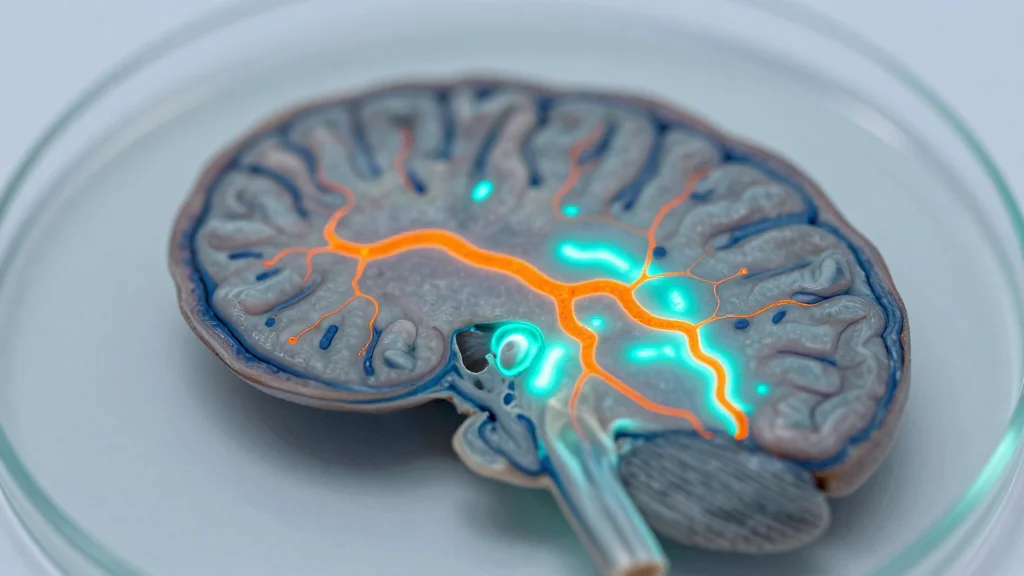
Researchers found that connexin 43 (Cx43) protein is significantly elevated in the prefrontal cortex of individuals with schizophrenia and in mice treated with the NMDA‑antagonist MK801. The increase is selective for Cx43 and boosts astrocytic hemichannel opening without altering gap‑junction coupling,...
Blood-Derived microRNA Signatures Associated with Hippocampal Structure and Atrophy Rate: Findings From the Rhineland Study
Researchers analyzed blood‑derived microRNA profiles from over 2,000 participants in the Rhineland Study to uncover associations with hippocampal structure and its longitudinal atrophy. Cross‑sectional analysis identified a set of miRNAs—including miR‑199a‑3p/199b‑3p, miR‑155‑5p, miR‑146a‑5p and miR‑505‑5p—linked to larger left hippocampal volume,...

Neuroendocrine Signature of ME/CFS: Meta-Analytic Evidence for Bioactive Cortisol Deficit and Exaggerated Feedback Sensitivity
A new meta‑analysis of neuroendocrine studies in myalgic encephalomyelitis/chronic fatigue syndrome (ME/CFS) reveals a consistent deficit in bioactive cortisol and an exaggerated hypothalamic‑pituitary‑adrenal (HPA) feedback loop. The pooled data indicate roughly a 30% reduction in free cortisol levels compared with...
IL-15 Receptor Alpha Deficiency Triggers Depressive-Like Behaviors via Enhanced Microglial Synapse Pruning
A recent pre‑clinical study found that mice lacking the interleukin‑15 receptor alpha (IL‑15Rα) exhibit robust depressive‑like behaviors, including anhedonia and increased immobility in forced‑swim tests. The deficiency triggers hyperactive microglial synapse pruning in the prefrontal cortex, leading to reduced excitatory...

Cell-Type-Specific Genetic Architecture Reveals Neuronal and Immune Contributions to Neuropsychiatric Disorders
Researchers have integrated genome‑wide association results with single‑cell transcriptomic maps to assign neuropsychiatric risk variants to distinct brain cell types. The analysis shows that neuronal populations, especially cortical excitatory neurons, account for roughly 40 % of the heritability of schizophrenia and...

Shared and Disorder-Specific Prenatal and Perinatal Risk Factors for Neurodevelopmental Disorders: A Nationwide Cohort Study
A French nationwide cohort of 6.8 million births examined prenatal and perinatal contributors to five neurodevelopmental disorders (ASD, ADHD, ID, communication and learning disorders). The analysis, which adjusted for co‑occurring conditions, confirmed shared risk factors such as male sex, prematurity, small‑for‑gestational‑age,...

Re-Evaluating the Effectiveness of Ultrabrief Pulse ECT: The Potential Role of (In)appropriate Seizure Threshold Titration
In a recent correspondence, Meijer et al. challenge a new meta‑analysis that found ultrabrief pulse (UBP) electroconvulsive therapy (ECT) less effective than brief pulse (BP) ECT for depression. They propose that many UBP studies used inappropriate seizure‑threshold titration, delivering higher‑than‑intended stimulus...

Single-Cell Transcriptomics of Human Brain Disorders
A surge of single‑cell and single‑nucleus transcriptomic studies is redefining the molecular architecture of Alzheimer’s disease and related brain disorders. Researchers have cataloged dozens of cell‑type specific signatures, from microglial states driven by TREM2 variants to endothelial and astrocyte dysregulation....

Genetic Overlap and Shared Risk Loci Between Autism Spectrum Disorder and Cardiometabolic Traits
A new genome‑wide analysis leveraged large‑scale GWAS data to map shared genetic architecture between autism spectrum disorder (ASD) and several cardiometabolic traits, including BMI, cholesterol, type‑2 diabetes, blood pressure and coronary artery disease. Using the MiXeR bivariate mixture model and...
GLP-1 Receptor Agonists and Risk of Suicide or Suicide Attempts – A Nationwide Cohort and Self-Controlled Case Series Study
A nationwide Danish registry study examined whether glucagon‑like peptide‑1 receptor agonists (GLP‑1 RAs) increase suicide or suicide attempts compared with active comparators—SGLT‑2 and DPP‑4 inhibitors. Across two new‑user cohorts totaling over 200,000 GLP‑1 RA initiators, adjusted hazard ratios showed no elevated risk...

Ceruloplasmin Deficiency Drives a Fusiform-Centric Lipid–Myelin Pathology Underlying a Visual Subtype in Autism
A multimodal study of 179 children with autism identified a distinct fusiform‑centric lipid‑myelin pathology in those with atypical visual processing (ASD‑AVP). Using Dixon‑based PDFF mapping, synthetic MRI myelin quantification, and serum iron‑ceruloplasmin‑lead profiling, researchers found elevated lipid accumulation and abnormal...
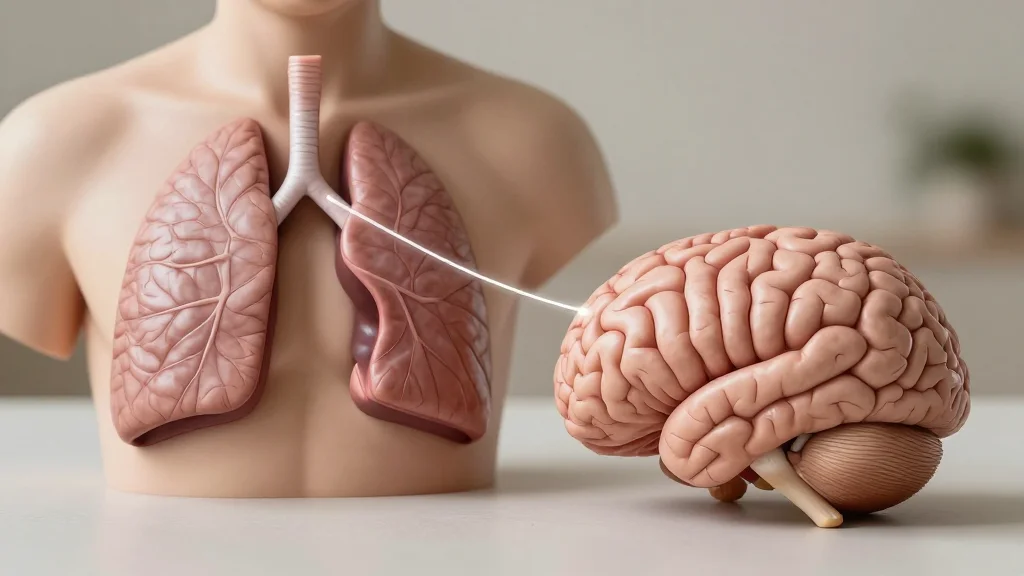
Exploring the Lung-Brain Axis in Perioperative Neurocognitive Disorders: A Potential Therapeutic Target
Recent research highlights the lung‑brain axis as a promising therapeutic target for perioperative neurocognitive disorders (PNDs). Studies reveal that general anesthesia reshapes the lung microbiome, while lung‑derived immune cells and cytokine pathways can modulate amyloid‑beta and tau pathology in the...
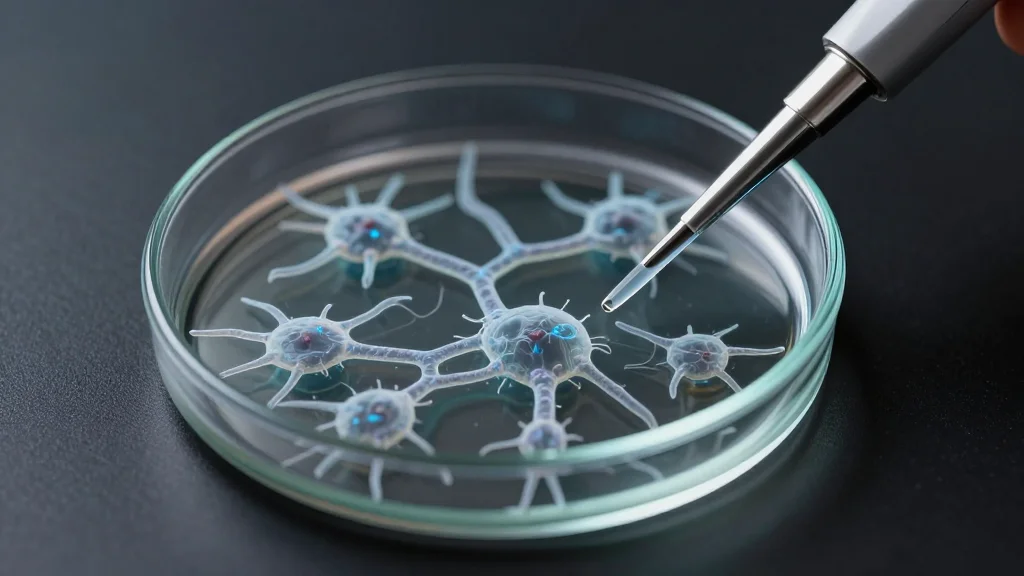
Loss of Schizophrenia Risk Gene XPO7 Disrupts Neuronal Excitability and Network Regularity via Altered Na+ Channel Dynamics in Human Neurons
Researchers used CRISPR‑edited human iPSC‑derived neurons to delete one or both copies of the schizophrenia‑risk gene XPO7. Loss‑of‑function altered voltage‑gated Na⁺ channel conductance, shifting activation and inactivation curves and increasing channel density, especially in heterozygous cells. Electrophysiology and high‑density MEA...

Postpartum Psychosis Is Associated with Elevated Neuromelanin-MRI Signal in the Midbrain
A new study published in Molecular Psychiatry reports that women with a history of postpartum psychosis (PP) exhibit significantly higher neuromelanin‑MRI (NM‑MRI) signal in the substantia nigra, ventral tegmental area, and related midbrain nuclei compared with demographically matched controls. The...
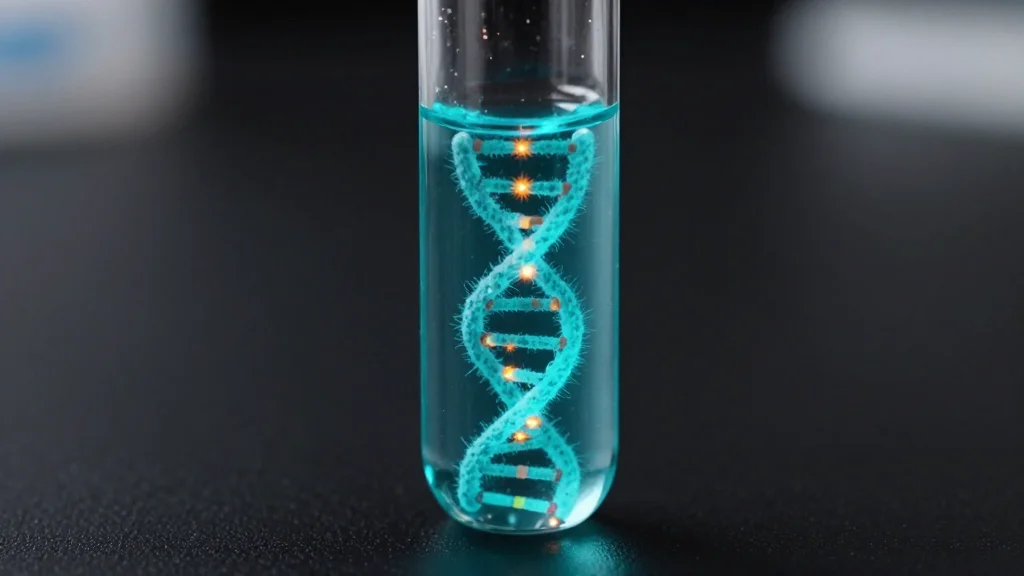
Genome-Wide Tandem Repeat Expansions Modify Schizophrenia Risk in the Presence of a 22q11.2 Deletion
Researchers sequenced the genomes of 438 individuals with the 22q11.2 deletion and discovered that rare tandem repeat expansions (TREs) are significantly enriched in those who develop schizophrenia. The burden of genic TREs showed odds ratios of 1.75–2.14, comparable to the...
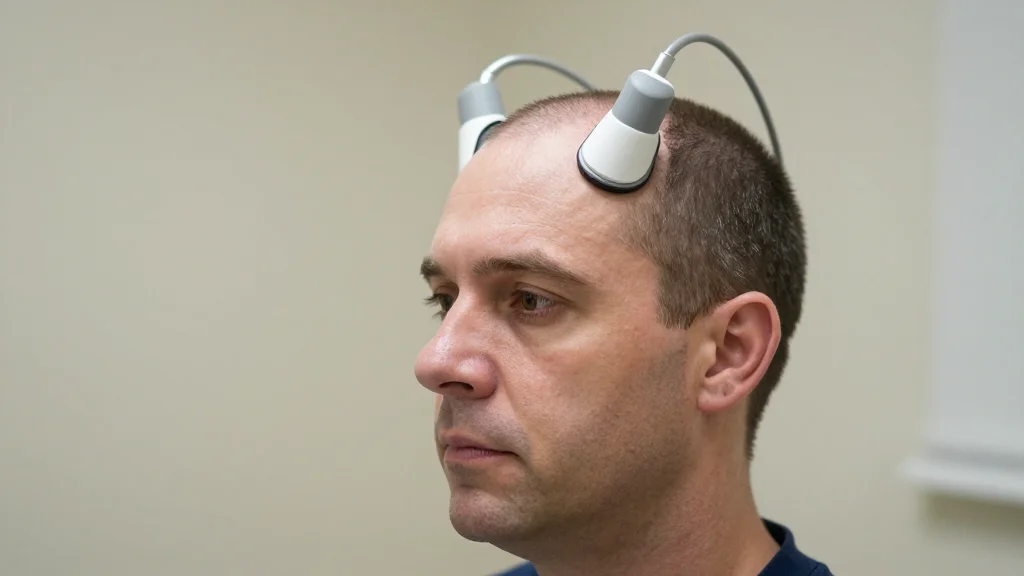
Accelerated Intermittent Theta Burst Stimulation Targeting Personalized Fronto-Parietal Control Network Improves Core Symptoms of Autism Spectrum Disorder: A Double-Blind, Randomized...
A double‑blind, randomized trial evaluated a 12‑week accelerated intermittent theta‑burst stimulation (iTBS) protocol that targeted each participant’s fronto‑parietal control network using individualized functional MRI maps. Among 57 severely affected individuals with autism spectrum disorder, 55% of the active iTBS group...
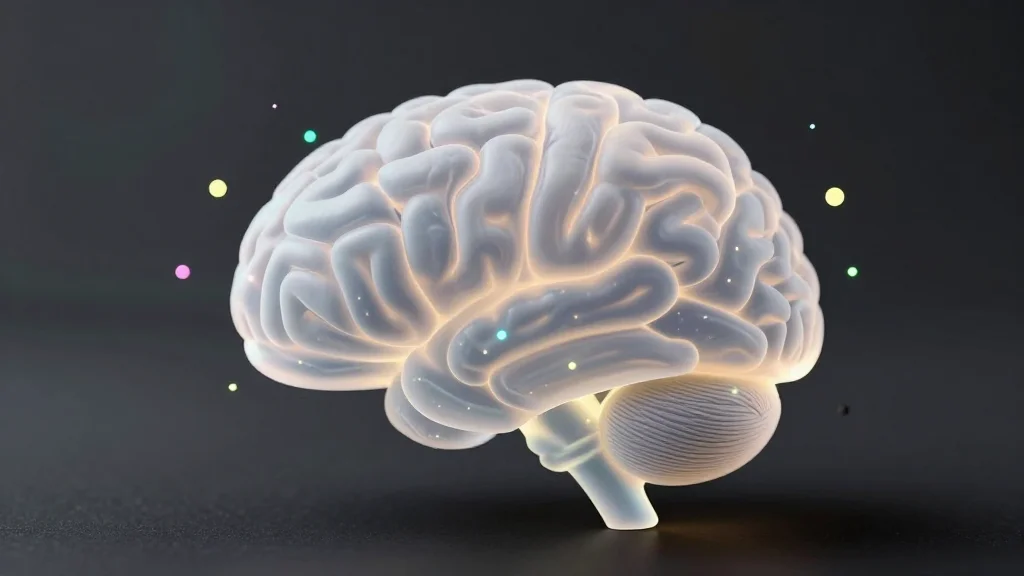
Clinical Innovations and Future Directions of Nanoparticles in the Treatment of Psychiatric and Neurological Disorders
Nanoparticles are emerging as a transformative platform for treating psychiatric and neurological disorders such as depression, schizophrenia, Alzheimer’s disease and Parkinson’s disease. Their physicochemical design enables crossing the blood‑brain barrier, targeted drug delivery, and enhanced imaging for early diagnosis. The...

Response To: “Re-Examining Interneuron-Specific Nrp2 Deletion: Overlooked Striatal and Cortical Contributions”
The authors of a 2025 Molecular Psychiatry paper on neuropilin‑2 (Nrp2) loss in inhibitory neurons issued a formal response to a comment that questioned whether their findings overlooked striatal and cortical contributions to autism‑related behaviors and seizures. They emphasize that...
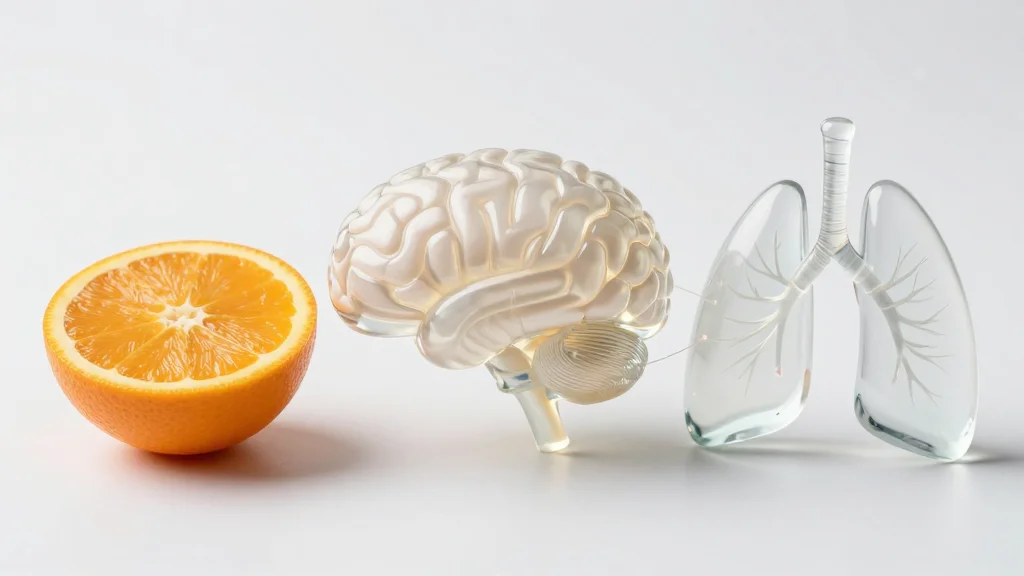
Pleiotropic Modulation of the Gut-Brain-Lung Axis by Ketamine and Its Enantiomers
A new review examines how ketamine and its enantiomers reshape the gut‑brain‑lung axis by modulating microbiota, microbial metabolites, and immune‑cell trafficking. Both arketamine (R‑ketamine) and esketamine (S‑ketamine) reduce systemic inflammation, but they differ mechanistically: arketamine leverages vagus‑mediated gut‑brain signaling, while...
Pyrazole-Derived TRPC3 Antagonist Ameliorates Synaptic Dysfunctions and Memory Deficits in Alzheimer’s Disease Models
Researchers have engineered a pyrazole‑derived, metabolically stable TRPC3 antagonist that readily penetrates the CNS. In cultured neurons, amyloid‑beta oligomers up‑regulate TRPC3, leading to calcium overload and toxicity. Administration of the compound to 5xFAD and APPKI mouse models reversed synaptic deficits...
Multi-Omics and Electrophysiological Examination of GABAA Receptors in the Dorsolateral Prefrontal Cortex of Humans with Alcohol Use Disorder
Researchers recorded electrophysiological activity of reactivated GABA_A receptors from the dorsolateral prefrontal cortex of postmortem brains of individuals with alcohol use disorder (AUD). Multi‑omics analysis revealed significantly lower mRNA levels for several GABA_A subunits, yet protein abundance and synaptic function...

Adolescent Disordered Eating and Epigenetic Age Acceleration
A new longitudinal analysis of the Australian Raine Study examined whether adolescent disordered eating predicts epigenetic age acceleration (EAA). Using DNA‑methylation data from 797 participants at ages 14 and 17, the researchers found that restrictive eating behaviors at 14 were...
Analysis of Rare Coding Variants in Schizophrenia-Associated Genes and Generalised Cognition in the UK Biobank
The study examined whole‑exome data from 396,848 UK Biobank participants to test whether rare damaging coding variants in schizophrenia‑linked genes affect generalised cognitive ability (g) in individuals without psychiatric diagnoses. Rare protein‑truncating variants (PTVs) and deleterious missense mutations in loss‑of‑function...
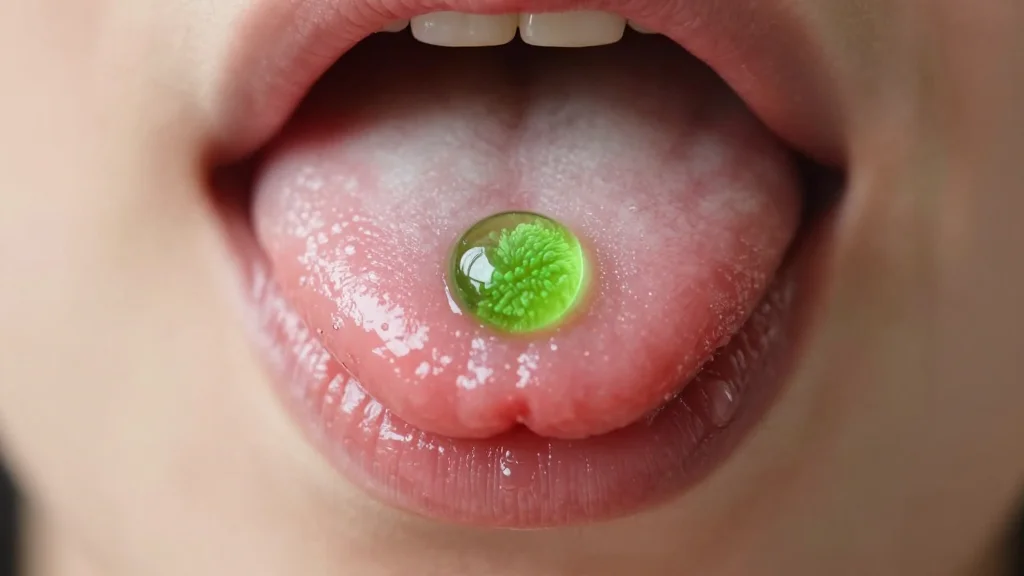
The Cognitive Benefits of Nitrate in Patients with Alcohol Use Disorder: Unraveling the Oral Microbiome Ectopic Colonization Pathway
A 2025 clinical trial found that dietary nitrate supplementation improves cognitive performance in patients with alcohol use disorder (AUD). The benefit was traced to a reshaping of the oral microbiome, which increased nitrate‑reducing bacteria and limited ectopic colonization of oral...

Subjective and Neurocognitive Profiling of Clinical Doses of 3,4-Methylenedioxymethamphetamine (MDMA) in Healthy Volunteers: Implications for Therapeutic Use
A recent clinical study administered therapeutic doses of MDMA (75‑125 mg) to healthy volunteers and measured both subjective experiences and neurocognitive performance. Participants reported marked increases in empathy, mood elevation, and sociability, with peak effects around 90 minutes and a return to...

Adenosine Surges: A Step Forward in Understanding Antidepressant Actions of Ketamine
A recent Nature study reveals that a single sub‑anesthetic dose of (R,S)-ketamine produces rapid, transient surges of extracellular adenosine in the medial prefrontal cortex, independent of NMDA‑receptor blockade. Using genetically encoded adenosine sensors, the researchers showed that these adenosine spikes...
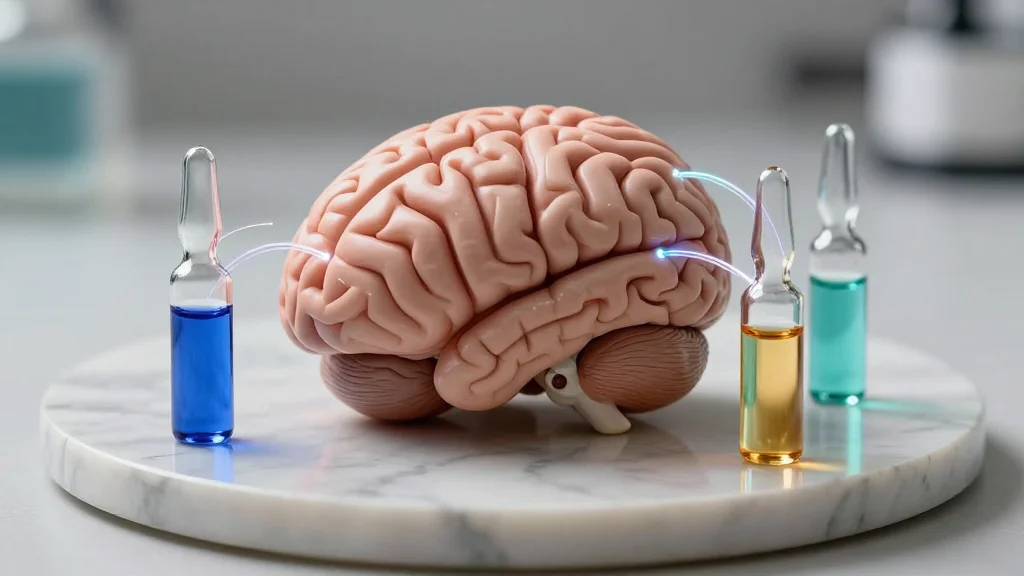
Convergent Coexpression Reveals Shared Biological Mechanisms Underlying Common and Rare Variant Risk in Six Neuropsychiatric Disorders
The authors applied convergent co‑expression analysis to post‑mortem brain transcriptomes, integrating GWAS and rare‑variant burden data across Alzheimer’s, autism, bipolar disorder, epilepsy, Parkinson’s and schizophrenia. By meta‑analyzing co‑expression Z‑scores, they identified genes whose expression patterns align with both common and...

Towards Scalable Biomarker Discovery in Posttraumatic Stress Disorder: Triangulating Genomic and Phenotypic Evidence From a Health System Biobank
Researchers leveraged a large health‑system biobank to combine genomic polygenic risk scores with electronic health‑record phenotypes, creating a scalable pipeline for PTSD biomarker discovery. The analysis identified immune‑related and metabolic signatures that correlate with PTSD risk, and highlighted sex‑specific genetic...
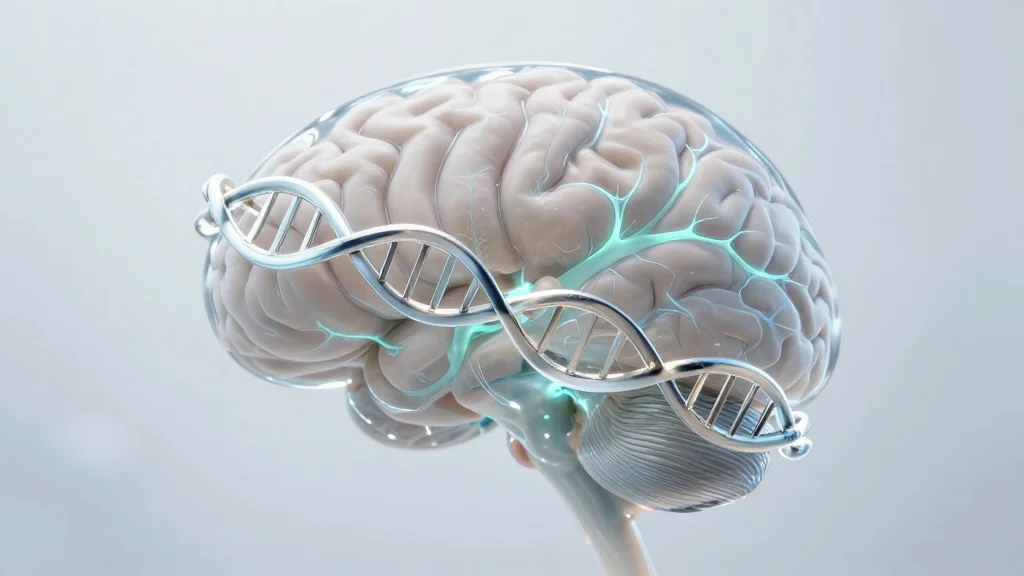
Characterization of the Chromosome 7 Locus Associated with Suicidal Behavior
Researchers have pinpointed a chromosome 7 locus that shows a genome‑wide significant association with suicidal behavior. The discovery stems from a large meta‑analysis of suicide‑attempt GWAS, combined with expression quantitative trait loci (eQTL) mapping and single‑cell transcriptomic profiling of brain...
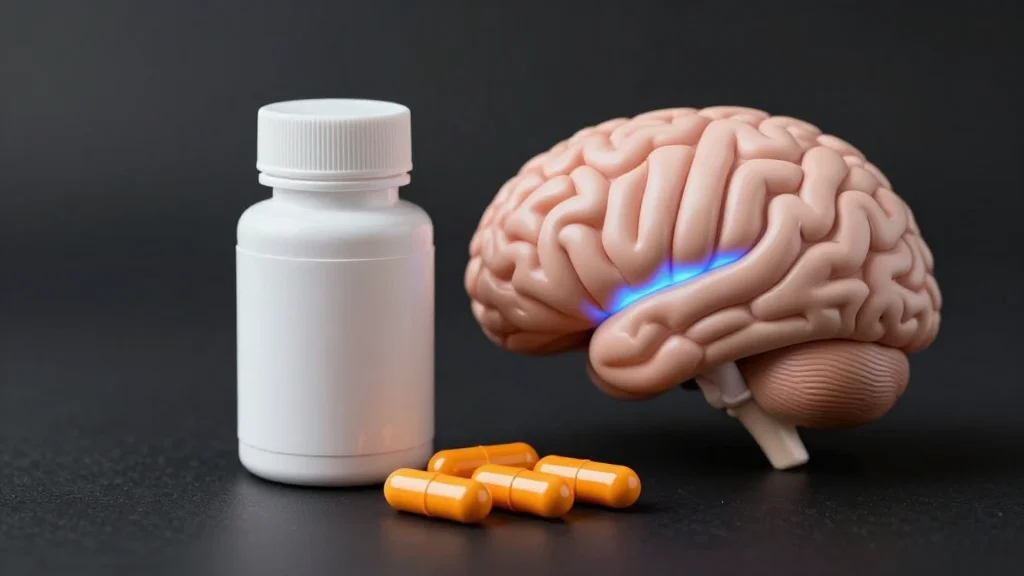
Orexin Receptor Antagonists for Major Depressive Disorder: Perspectives From a Systematic Review and Meta-Analysis
A systematic review and meta‑analysis of orexin receptor antagonists (QXR‑ANTs) in adults with major depressive disorder found a modest but statistically significant reduction in overall symptom scores (standardized mean difference –0.16) and a 52% increase in remission rates compared with...
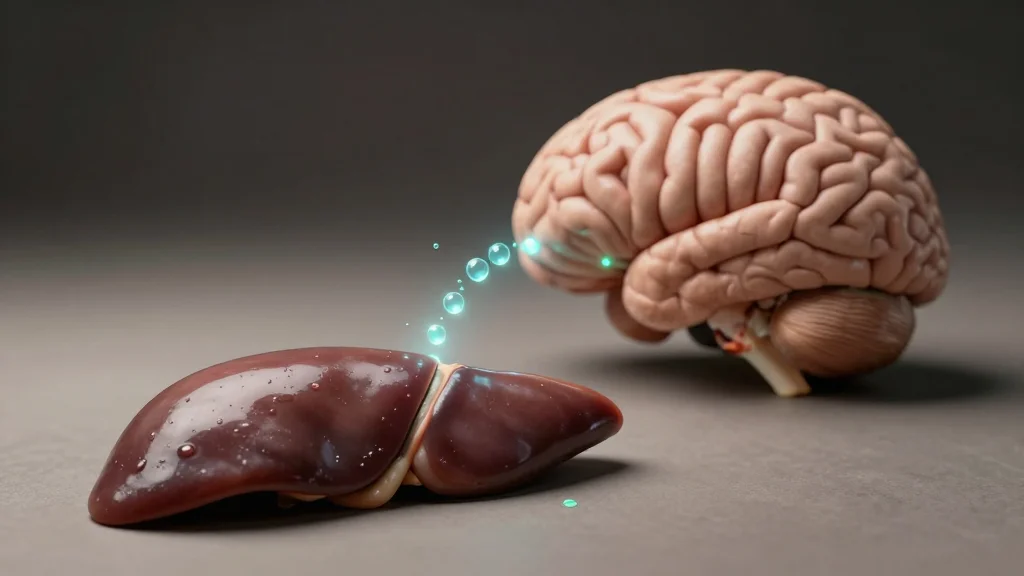
Liver-Derived Complement Component 3 Promotes the Susceptibility to Stress-Induced Depression by Impairing Blood-Brain Barrier Integrity
Chronic stress drives the liver to overproduce complement component 3 (C3), which then travels through the bloodstream to the brain. In mouse models, hepatic C3 suppresses the tight‑junction protein claudin‑5 in nucleus accumbens endothelial cells, compromising blood‑brain barrier integrity and heightening...
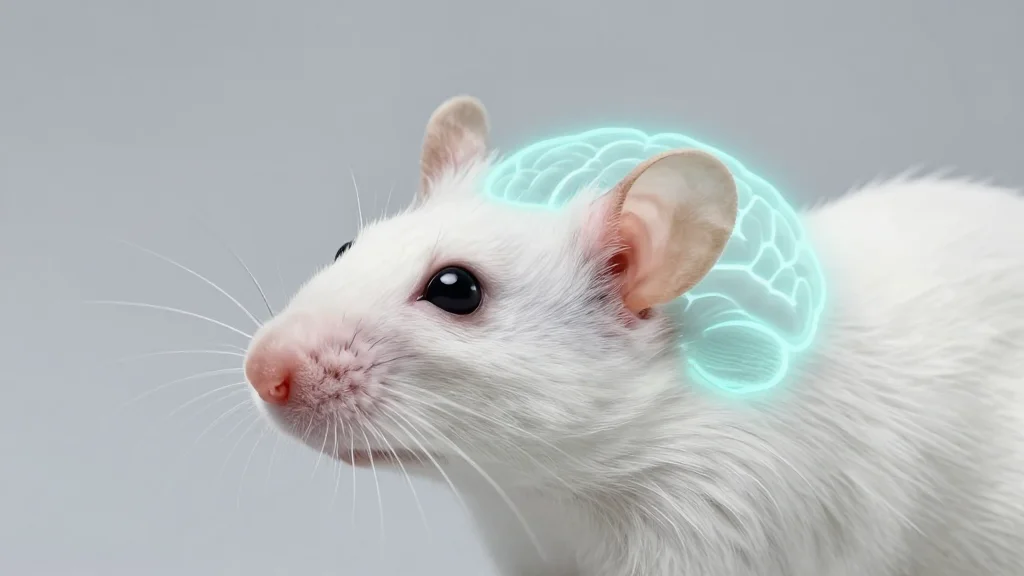
SETDB1 Modulates Neuroinflammation in the Mouse Cortex by Regulating Neuronal P2rx7 Expression
A recent mouse study demonstrates that the histone methyltransferase SETDB1 suppresses neuroinflammation by repressing neuronal P2rx7 expression. Conditional loss of SETDB1 in cortical neurons doubled P2X7 mRNA levels, amplified microglial IL‑1β release, and produced anxiety‑ and depressive‑like behaviors. Pharmacologic blockade...

Local Chemoarchitecture Explains Widespread Lower Cortical Thickness Associated with Clinical High Risk for Psychosis
A new multimodal study links the widespread cortical thinning observed in individuals at clinical high risk (CHR) for psychosis to the brain's local chemoarchitecture. By integrating structural MRI with neurotransmitter receptor density maps, the researchers showed that regions with specific...

Assessing Molecular Gene by Treatment Interactions Using a Population of Neural Progenitors Exposed to Valproic Acid and Lithium
Researchers exposed a genetically diverse panel of 83 human neural progenitor cell lines to valproic acid (VPA) and lithium, measuring chromatin accessibility and gene expression. They identified over 1,000 gene‑by‑treatment interaction loci, many of which overlap with psychiatric disorder risk...
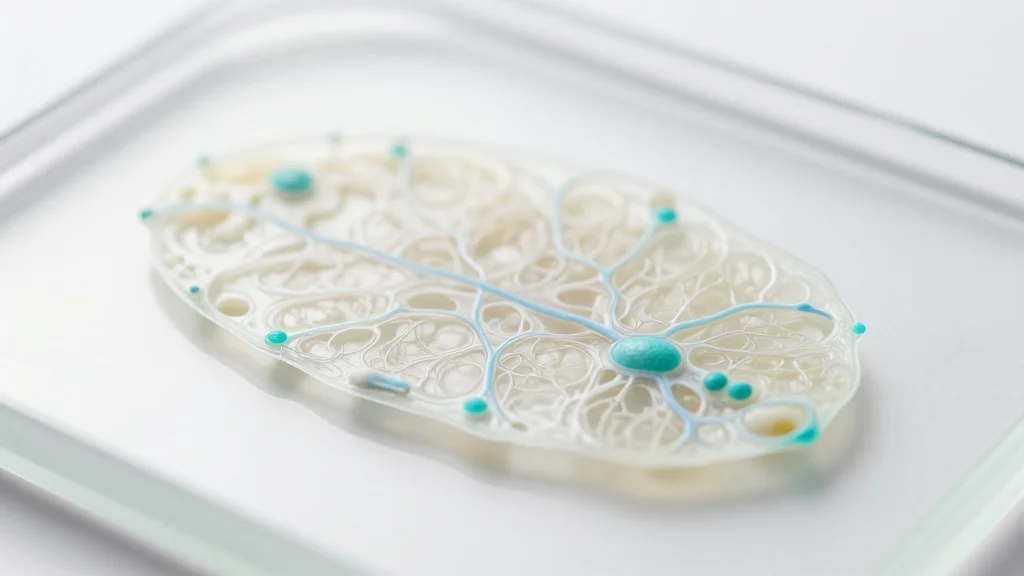
Neuronal HDAC9: A Key Regulator of Cognitive and Synaptic Aging, Rescuing Alzheimer’s Disease-Related Phenotypes
Recent research identifies neuronal HDAC9 as a pivotal regulator of synaptic health and cognition during aging. The study shows that HDAC9 expression declines in the cortex of Alzheimer’s disease (AD) patients and aged mice, correlating with synaptic loss and memory...
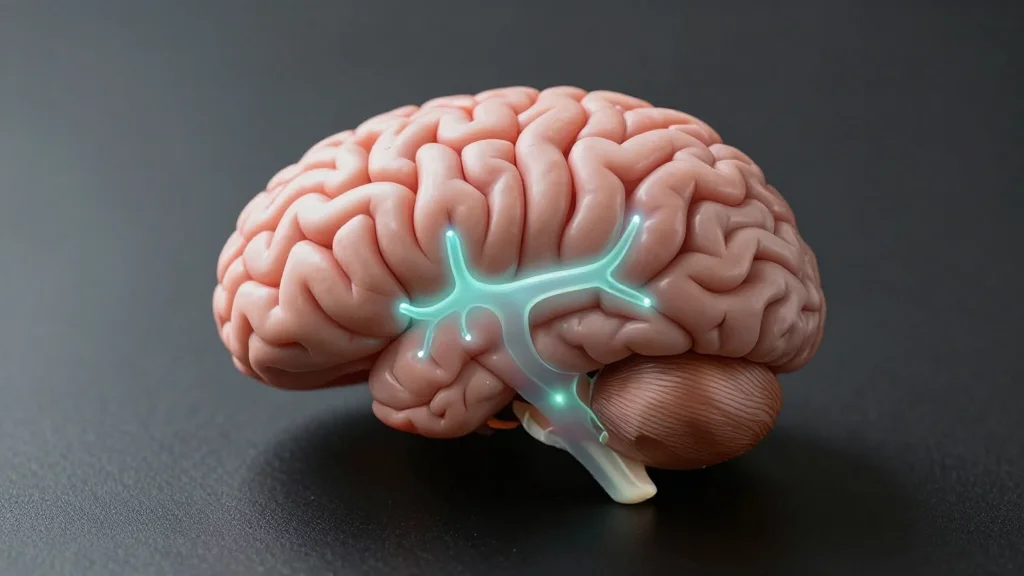
A Prefrontal Cortex-Nucleus Accumbens Circuit Attenuates Cocaine-Conditioned Place Preference Memories
Researchers identified that infralimbic prefrontal cortex neurons projecting to the nucleus accumbens shell (IL‑NAcSh) become hypoexcitable after repeated cocaine exposure, a change that lasts at least 15 days into withdrawal. This intrinsic hypoexcitability reduces the circuit’s ability to suppress cocaine‑associated...

Integrative GWAS Identifies Novel Loci and Genetic Links Between Psychiatric and Metabolic Factors in Anorexia Nervosa
An integrative genome‑wide association study of anorexia nervosa (AN) uncovered a novel, genome‑wide significant locus near the SOX5 gene and identified 86 risk loci through multi‑trait analysis, including 25 previously unknown signals such as VAMP2, LPL and BDNF. Genetic correlation...

Depression, but Not Anxiety, Is Associated with Epigenetic Age Accelerations Among Asian Older Adults
A new molecular psychiatry study of 672 community‑dwelling older Asian adults found that higher depressive symptom severity is associated with accelerated epigenetic aging, especially measured by the second‑generation PC‑PhenoEAA clock (β = 0.087 per standard‑deviation increase; clinical depression raises PC‑PhenoEAA by 0.24 SD)....