Molecular Regulatory Mechanisms of Schizophrenia-Associated Functional Non-Coding Variants
The Molecular Psychiatry study leveraged functional genomics to pinpoint 249 non‑coding SNPs that alter transcription‑factor binding across 99 schizophrenia risk loci. By integrating ChIP‑Seq, position‑weight‑matrix data and brain eQTL resources, the authors linked 207 of these variants to gene‑expression changes in the human brain. Validation through massively parallel reporter assays confirmed regulatory effects for 35 SNPs, while fine‑mapping resolved an additional 92 loci lacking prior functional annotation. The work bridges GWAS signals to molecular mechanisms and highlights new therapeutic avenues.
Neural Representations of Dynamical State and Trait Impulsivity in Individuals at Risk for Internet Gaming Disorder
Researchers used fMRI and a modified card‑guessing task to examine state and trait impulsivity in 87 college students at risk for internet gaming disorder (IGD). State impulsivity was captured as loss‑chasing behavior, which intensified with consecutive losses, while trait impulsivity...
Sex-Specific Neurodevelopmental Pathways to Depressive Symptoms
A longitudinal study of the Singapore GUSTO birth cohort reveals sex‑specific neurodevelopmental pathways linking childhood brain maturation to adolescent depressive symptoms. Using structure‑function coupling (SC‑FC) measured at ages 4.5, 6.0 and 7.5, researchers found that females exhibit a steeper decline...
Antipsychotic-Like Effects of the Selective Rho-Kinase 2 Inhibitor KD025 in Genetic and Pharmacological Mouse Models of Schizophrenia
The selective ROCK2 inhibitor KD025 (belumosudil) demonstrated antipsychotic‑like activity in both genetic (Arhgap10 S490P/NHEJ) and pharmacological (methamphetamine and MK‑801) mouse models of schizophrenia. KD025 restored reduced spine density in the medial prefrontal cortex and rescued deficits in a touchscreen visual‑discrimination...
Standardized Chronic Restraint Stress Protocols Reveal Dynamic Evolution of Behavioral Adaptations in Male Mice: Implications for Translational Neuroscience
Researchers evaluated multiple chronic restraint stress (CRS) protocols in male mice, revealing that short, high‑intensity sessions (6 hours for three days) produce persistent avoidance and repetitive behaviors, while extended low‑intensity exposure (2 hours for ten‑plus days) leads to progressive deficits in reward‑seeking...

TrkB Promotes the Neuronal Secretion of Soluble Siglec-2 (CD22) to Mitigate Microglial Activation and Alleviate Depression-Like Behaviors in Male Mice
The study reveals that activating the TrkB receptor in neurons triggers secretion of soluble CD22 (Siglec‑2), which dampens microglial inflammation and reverses depression‑like behaviors in male mice. A peptidomimetic compound, dSyn3, restores TrkB‑Gαi1/3‑Akt signaling, boosting CD22 levels, promoting dendritic spine...
A Longitudinal DNA Methylation Atlas and Its Link to Brain Structure and Mental Health
Researchers built a longitudinal DNA‑methylation atlas using the IMAGEN cohort of 506 adolescents, identifying 18 coordinated DNAm clusters that persist from age 14 to 19. The cluster architecture was validated in two older‑adult datasets (PPMI and ADNI), demonstrating lifespan stability....
Anti-NMDAR Encephalitis Impairs Intrinsic Hippocampal Dynamics Through Neuronal Hypercoupling, Hub Dominance, and Aberrant Ensembles
Researchers used in‑vivo calcium imaging and electrophysiology in a passive‑transfer mouse model to show that anti‑NMDAR encephalitis simultaneously suppresses overall hippocampal activity and amplifies intrinsic synchrony. The disease drives neuronal hypercoupling, hub dominance, and the formation of numerous aberrant ensembles...
Hyperactivation of Distinct Thalamic Nuclei Differentially Impairs Sleep Physiology in Rats
Researchers used chemogenetic activation (hM3Dq) to hyperactivate three thalamic nuclei—mediodorsal (MDT), ventral posteromedial/ lateral (VPT) and ventromedial (VMT)—in rats. Activation sharply reduced deep NREM sleep, increased wakefulness, and cut sleep spindle density across all groups. EEG analysis showed suppressed slow‑wave...
Stress-Induced Plasminogen Activator Inhibitor-1 (PAI-1) as a Blood Biomarker and Brain Risk Factor for PTSD
Researchers identified plasminogen activator inhibitor‑1 (PAI‑1) as a stress‑responsive protein that rises in the dorsal hippocampus of mice and in the blood of humans with post‑traumatic stress disorder (PTSD). Using a restraint‑stress model, they showed that corticosterone triggers PAI‑1 up‑regulation...
Circuit-Targeted Modulation of Anxiety Symptoms in Individuals with Major Depression: A Randomized Head-to-Head TMS Trial
A randomized head‑to‑head trial compared two transcranial magnetic stimulation (TMS) targeting strategies in patients with major depressive disorder who also exhibit significant anxiety. Using circuit‑specific maps that differentiate anxiosomatic from dysphoric networks, the study found that the anxiosomatic‑targeted protocol produced...
Correction: A Brain-Enriched circRNA Blood Biomarker Can Predict Response to SSRI Antidepressants
A correction was issued for the March 30 2026 paper on a brain‑enriched circRNA blood biomarker that predicts SSRI antidepressant response. The original manuscript mistakenly marked only one of three co‑corresponding authors, omitting the other two and their contact details. The update...

Anesthetics as Emerging Therapeutics for Post-Traumatic Stress Disorder (PTSD): Bridging Bench and Bedside
A recent Molecular Psychiatry review highlights anesthetics as a promising new class of therapeutics for post‑traumatic stress disorder (PTSD). It outlines how NMDA‑receptor antagonists, α2‑adrenergic agonists, GABA‑A modulators and certain opioids can modulate fear circuitry and memory reconsolidation. Pre‑clinical models...
Paradoxical Role of the Mesocorticolimbic Netrin1-DCC Pathway in Social Competition and Vulnerability to Methamphetamine Abuse During Adolescence
Researchers discovered that adolescent social competition up‑regulates the mesocorticolimbic Netrin‑1/DCC pathway, reshaping dopamine projections in the prefrontal cortex and heightening methamphetamine self‑administration in mice. Elevated DCC expression conferred social dominance but simultaneously increased drug‑seeking behavior. Pharmacological blockade of DCC reduced...

NADPH Oxidase-1 Suppression Prolongs the Antidepressant-Like Effect of Ketamine
Researchers introduced K‑4, a novel AMPA‑receptor positive allosteric modulator, which produced rapid and sustained antidepressant‑like effects in treatment‑resistant depression rat models. Bulk RNA‑seq revealed that K‑4 markedly down‑regulated NADPH oxidase‑1 (NOX‑1) in the medial prefrontal cortex and lateral habenula. Pharmacological...

BDNF Restores Impaired Long-Term Potentiation of GABAergic Synapses Induced by Chronic Ethanol Exposure in the VTA and Attenuates Reward-Seeking Behavior
Chronic intermittent ethanol exposure in mice reduces brain‑derived neurotrophic factor (BDNF) levels in the ventral tegmental area (VTA) and abolishes long‑term potentiation of GABAergic synapses (LTP GABA) onto dopamine neurons. This impairment is presynaptic, leading to heightened dopamine neuron activity during...
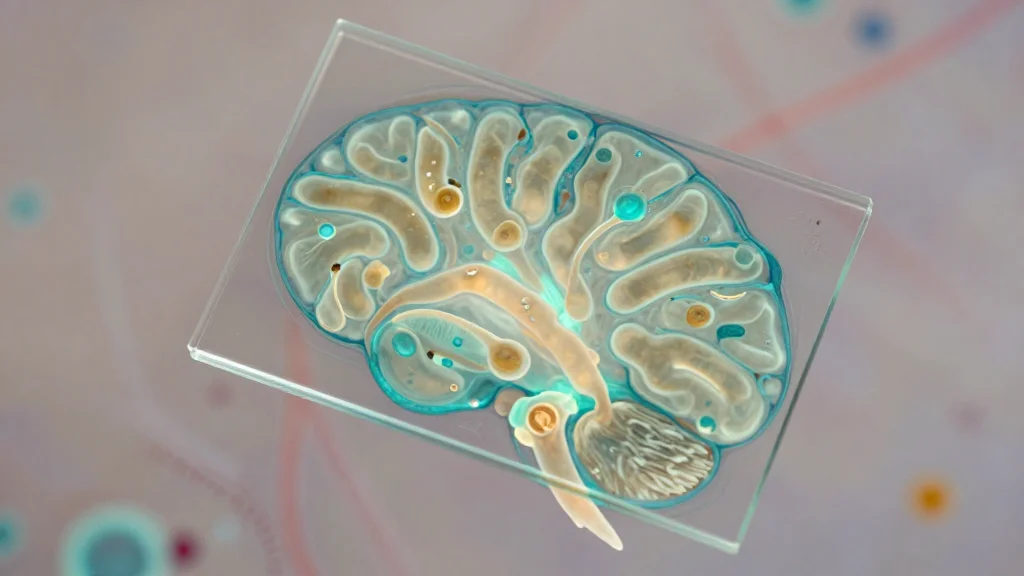
Comprehensive Single-Cell Transcriptomic Atlas of Microglia in Alzheimer’s Disease Mouse Models
A new study delivers a comprehensive single‑cell transcriptomic atlas of microglia from multiple Alzheimer’s disease mouse models. By profiling thousands of cells, researchers uncovered diverse microglial states, including disease‑associated subtypes linked to TREM2 signaling and amyloid pathology. The atlas integrates...
Autism Spectrum Disorder Across the Lifespan: Dynamic Symptom Trajectories and Multidimensional Support Framework
The Molecular Psychiatry review maps autism spectrum disorder (ASD) from childhood through old age, highlighting that symptom expression and functional challenges evolve across life stages. While pediatric ASD research dominates, the article underscores a stark evidence gap for adults and...
Mechanistic Insights Into Cannabidiol-Mediated TrkB Activation via FRS2 Interaction in Attenuating Alzheimer’s Disease Pathology and Cognitive Impairment
A recent preclinical study demonstrates that cannabidiol (CBD) directly engages the TrkB neurotrophin receptor through its PTB‑binding domain, recruiting the adaptor protein FRS2 to trigger robust downstream signaling. This activation attenuates amyloid‑β deposition, tau hyperphosphorylation, and neuroinflammation in transgenic Alzheimer’s...
Pursuing the Elusive Biosignature for Suicide: A Decennial Update
A new review surveys a decade of post‑mortem research seeking biological signatures of suicide, highlighting consistent alterations in stress‑related systems, inflammation, neuroplasticity, and especially serotonergic pathways. The authors compiled 129 studies, emphasizing shifts from hypothesis‑driven to data‑driven multi‑omic analyses, yet...
Genetic Pathways Linking Oxytocin-Vasotocin Hypothalamic Subunit Architecture with Psychiatric and Metabolic Traits
A recent genome‑wide analysis identified genetic variants shaping oxytocin‑vasotocin hypothalamic subunits that also influence risk for severe mental disorders and metabolic syndrome. Using UK Biobank data, researchers derived polygenic scores for oxytocin‑pathway genes and found significant associations with schizophrenia, bipolar...
Deciphering the Causal Influence of BMI and Related Metabolic, Inflammatory, and Cardiovascular Factors on Brain Structure: A Mendelian Randomization Study
The study applied univariate and multivariate Mendelian randomization to test whether body mass index (BMI) causally influences brain structure. Results indicate that genetically higher BMI leads to reduced cortical thickness, especially in the precentral and fusiform gyri. Visceral adipose tissue...
The Short-Chain Fatty Acid Butyrate Prevents Gut-Brain Amyloid-Β Pathology and Neuroinflammation in an Alzheimer Mouse Model
Researchers demonstrated that oral sodium butyrate supplementation prevents amyloid‑β accumulation and neuroinflammation in both the gut and brain of the SAMP8 mouse model of sporadic Alzheimer’s disease. Longitudinal analyses revealed early Aβ deposition in the enteric nervous system, leading to...
Combining Neurobiological Markers and a Sociodemographic Risk Score to Predict Adolescent Depression – An IDEA RiSCo Prospective Cohort Study
Researchers integrated inflammatory cytokines, kynurenine pathway balance, and amygdala reactivity with the IDEA‑RS sociodemographic risk score to predict adolescent depression over three years. The composite model (IDEA‑BIO‑RS) raised predictive accuracy from a 0.715 AUC to 0.889, correctly classifying 82.2% of...
Synaptic Correlates of Benzodiazepine Tolerance
Recent pre‑clinical work has mapped the synaptic changes that underlie benzodiazepine tolerance. Chronic exposure uncouples GABA(A) receptors from their benzodiazepine binding site, down‑regulates α1‑subunit mRNA, and reshapes receptor trafficking through auxiliary proteins such as Shisa7. These alterations weaken inhibitory signalling,...
A Nuclei-Specific Fronto-Amygdala Pathway and Its Neurotransmitter Receptor Distribution: Implications for Antidepressant Selection
Recent neuroimaging and tract‑tracing studies have identified a nuclei‑specific fronto‑amygdala pathway that links distinct amygdala subregions with ventromedial prefrontal cortex. The work maps serotonin, norepinephrine and dopamine receptor densities across these nuclei, revealing divergent pharmacological profiles for SSRIs and SNRIs....
The Novel Role of GADD45A in the Etiology of Autism: Modulating Neuronal Excitability via TET1/R-Loop Dependent Regulation of KCNQ5
Researchers identified GADD45A as a hub gene dysregulated in both valproic acid‑induced and MECP2‑related autism models. Deleting Gadd45a in mice produced core autistic traits, heightened neuronal excitability, and seizures, while rescuing GADD45A in excitatory mPFC neurons restored normal social behavior....

Myelin Dysfunction in Autism Spectrum Disorder: Insights Into Core Symptoms and Mechanisms of Brain Development
Recent research highlights myelin dysfunction as a central factor in autism spectrum disorder, linking abnormal white‑matter development to core social and communication deficits. Genetic and epigenetic studies reveal that disruptions in oligodendrocyte maturation, driven by mTOR and ERK signaling, occur...

Dual Regulatory Roles of CPT1C in Chronic Stress-Induced Depression-Related Outcomes
A recent study reveals that carnitine palmitoyltransferase 1C (CPT1C) exerts dual regulatory functions in chronic stress‑induced depression‑related phenotypes. CPT1C enhances surface expression of GluA1‑containing AMPA receptors via SAC1‑mediated lipid signaling while simultaneously dampening mTORC1 activity through AMPK pathways. Genetic deletion...
Nitric Oxide-Mediated S-Nitrosylation of TSC2 Drives mTOR Dysregulation Across Shank3 and Cntnap2 Models of Autism Spectrum Disorder
Researchers identified that neuronal nitric oxide (NO) S‑nitrosylates the TSC2 protein at cysteine 203, triggering its ubiquitination and degradation. The loss of TSC2 removes inhibition of the mTOR pathway, causing hyperactivation in both excitatory and inhibitory neurons of Shank3Δ4–22 and Cntnap2‑/‑...
Biomarker for Craving and Acamprosate Treatment Response in Patients with Alcohol Use Disorder: Insights From Multi-Omics
A multi‑omics investigation identified molecular signatures that link alcohol craving to acamprosate treatment response in patients with alcohol use disorder (AUD). The study highlighted IL17RB genetic variants and elevated plasma TNFSF10 as robust predictors of therapeutic success, while proteomic and...
Trends and Patterns of Medical Stimulant Use by US Adults
Recent analyses reveal a steady rise in medical stimulant prescriptions among U.S. adults, with a 30% increase between 2013 and 2022. The expansion of telehealth, especially after COVID‑19, contributed to roughly 40% of new adult ADHD initiations, while FDA alerts...
Pharmacogenomics of Antiepileptic Drug Mood Stabilizer Treatment Response in Bipolar Disorder: A MoStGen Consortium Study
The Mood Stabilizer Genomics (MoStGen) Consortium analyzed 917 bipolar disorder patients to identify genetic predictors of response to antiepileptic mood stabilizers (AMS). Genome‑wide association studies revealed a robust association between lamotrigine response and variants in ROBO2, and a gene‑level signal...
A Transcriptional Program Associated with Neurotransmission in the Living Human Brain
Researchers from the Living Brain Project combined prefrontal cortex biopsies from 130 neurosurgical patients with intracranial recordings of dopamine, serotonin, and other neurotransmitters. Differential‑expression analyses of single‑nucleus and bulk RNA‑seq data revealed reproducible gene‑expression signatures that correlate with fast‑scan cyclic...

Exercise Mimetics as Unexplored Therapeutics for Treating Depression
The paper proposes exercise mimetics—pharmacological agents that imitate endurance training—as a novel class of antidepressants. While regular physical activity cuts depression risk by about 18 percent, adherence challenges limit its real‑world impact. Exercise mimetics activate muscle signaling pathways and alter the...

Sex Differences in Placebo and Antidepressant Response to Intranasal Esketamine for Treatment-Resistant Depression
A pooled analysis of five double‑blind, placebo‑controlled intranasal esketamine trials (n≈1,016) confirms that esketamine significantly reduces Montgomery‑Åsberg Depression Rating Scale (MADRS) scores versus placebo. Female participants showed larger total MADRS improvements at later visits (days 22 and 28) and greater reductions in...
MiR126-Mediated Alteration of Vascular Integrity in Rett Syndrome
The study engineered 3D microvascular networks from Rett syndrome (RTT) patient‑derived iPS cells carrying MeCP2[R306C] or MeCP2[R168X] mutations and discovered markedly increased vascular permeability. Transcriptomic profiling linked this defect to up‑regulation of endothelial‑specific miR‑126‑3p, which suppresses tight‑junction regulators such as...
Exploring the Impact of Cognitive Profiles on the Response to Magnetic Seizure Therapy and Electroconvulsive Therapy
An open‑label, non‑randomized trial compared magnetic seizure therapy (MST) and electroconvulsive therapy (ECT) in 398 patients with major depressive disorder (MDD) or schizophrenia (SCZ). Both modalities produced comparable symptom reductions, but MST yielded faster re‑orientation and less decline in processing...
Protective Mutations Associated with APOE in Alzheimer’s Disease
Recent research has identified several rare APOE mutations that confer protection against Alzheimer’s disease, including the R136S variant, the APOE3‑Christchurch (R136S) allele, loss‑of‑function CASP7, and missense changes V236E and R251G. These variants mitigate tau pathology, improve amyloid clearance, and dampen...
A Large-Scale DNA Methylation Study of Alcohol Use Identified Robust Associations and Cell-Type Specific Insights
Researchers conducted the largest DNA‑methylation study of alcohol consumption to date, analyzing blood samples from 13,970 participants and deconvoluting epigenetic signals across 12 distinct blood cell types. The methylome‑wide association study identified 1,266 CpG sites reaching genome‑wide significance in whole...
Efficacy and Safety of Pharmacological Treatments in Borderline Personality Disorder: A Systematic Review and Network Meta-Analysis
A recent systematic review and network meta‑analysis evaluated the efficacy and safety of pharmacological interventions for borderline personality disorder (BPD). The analysis pooled data from randomized trials of antipsychotics, mood stabilizers, antidepressants, and novel agents, comparing them head‑to‑head using a...
Connectome-Based Growth Models Reveal Individual Heterogeneity and Neurophysiological Subtypes of Subthreshold Depression
The study applied connectome‑based normative modeling to 197 individuals with subthreshold depression (StD), revealing that 69% exhibit extreme functional connectivity deviations. Two neurophysiological subtypes emerged: Subtype 1 with pronounced positive deviations in default‑mode, limbic and subcortical networks and negative deviations in...
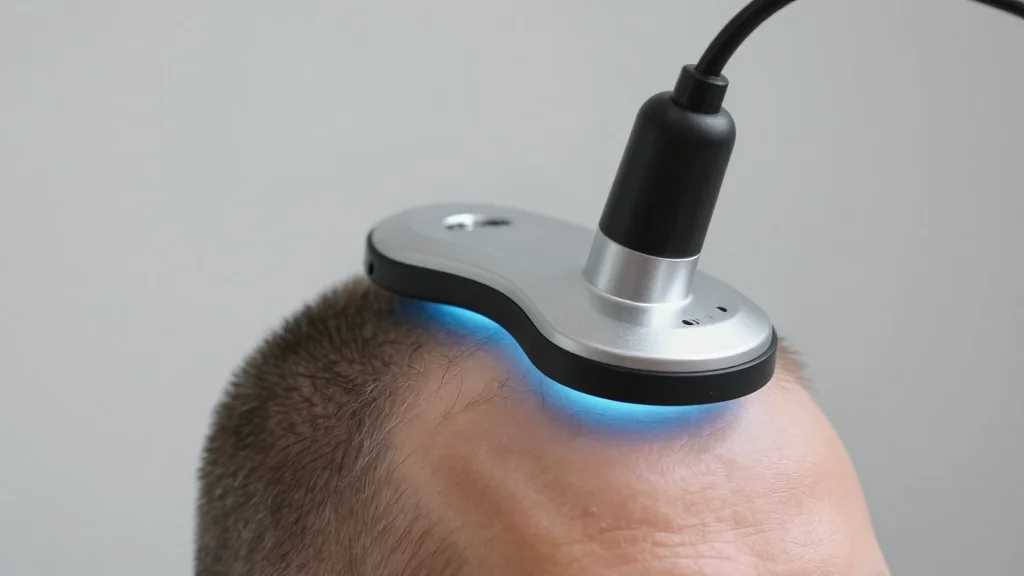
TMS in Adolescent Depression: A Milestone FDA Clearance
The FDA granted clearance for transcranial magnetic stimulation (TMS) as an adjunctive therapy for major depressive disorder in adolescents aged 15‑21, marking the first non‑pharmacologic device approval for this group. Clinical trials show response rates as high as 96‑98% when...

Cerebellar Microglia-Derived IL-17A Mitigates Autism-Related Behavioral and Synaptic Deficits
Researchers discovered that cerebellar microglia are the sole source of elevated interleukin‑17A (IL‑17A) in a Fragile X mouse model of autism. The microglia‑derived IL‑17A restores Purkinje cell firing rates and normalizes synaptic inhibition, leading to improved social interaction and reduced...
The Many-to-Many Problem of Endophenotypes in Psychiatry - a Biological Perspective
The article argues that current psychiatric diagnostic systems and neuroimaging endophenotypes fail to capture the underlying biological complexity of mental illness. Genetic studies reveal extensive pleiotropy and overlapping risk loci across disorders, while neurotransmitter systems exhibit strong spatial colocalization, creating...
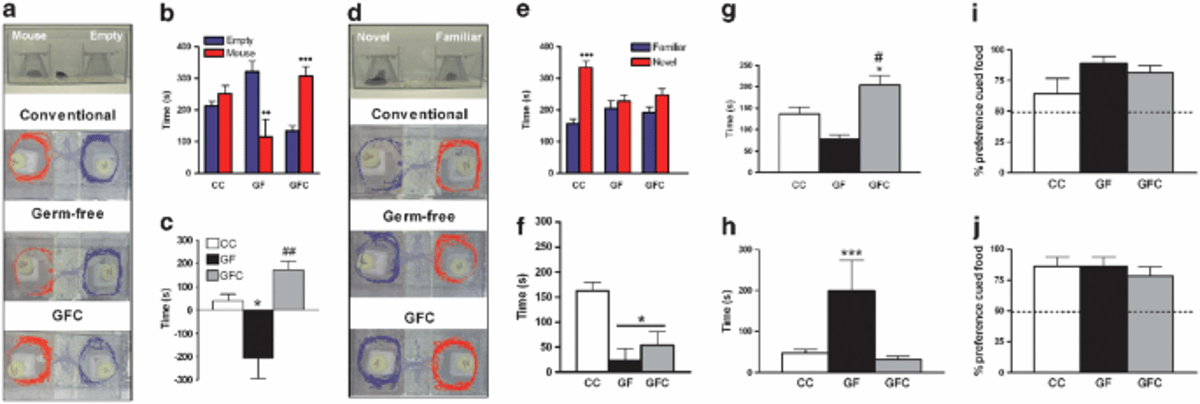
Correction: Microbiota Is Essential for Social Development in the Mouse
A correction notice was issued for the Molecular Psychiatry article that originally linked gut microbiota to social development in mice. The wrong image was published as Figure 1a and has now been replaced with the correct visual, while Figure 1b and the...
Circuit-Informed Modulation of Traumatic Memory in PTSD: Integrating Extinction, Suppression, and Reconsolidation
A new review synthesizes recent circuit‑level findings to propose an integrated model for modulating traumatic memories in PTSD. It combines extinction, memory suppression, and reconsolidation mechanisms, emphasizing the amygdala‑prefrontal‑hippocampal network and its neuromodulatory inputs. The authors highlight how this framework...
Circulating Mitochondrial and Cellular Damage Markers in Long COVID: Links to Cognitive Function, Psychological Distress, and Inflammation
A recent Molecular Psychiatry study measured circulating mitochondrial DNA and other cellular damage markers in individuals with long COVID and found them significantly elevated compared with recovered controls. The analysis revealed strong correlations between higher mtDNA levels and reduced performance...
UBE3A Isoform-Selective and Non-Selective Contributions to Angelman Syndrome Phenotypes
Researchers created a mouse model that overexpresses the cytoplasmic UBE3A isoform mIso2 and demonstrated that this manipulation fully rescues most Angelman syndrome (AS) behavioral deficits, including motor coordination, anxiety‑like behavior, and weight gain. However, the same overexpression does not correct...
Effectiveness of Network Analysis–Driven Personalized Digital Interventions versus Standard Intervention for Depression: A Proof-of-Concept Pilot Randomized Controlled Trial
A pilot randomized controlled trial tested a network analysis‑driven personalized digital intervention against a standard digital program for adults with depression. Using person‑specific symptom networks, the experimental arm delivered tailored content, while the control received a generic module. Over eight...