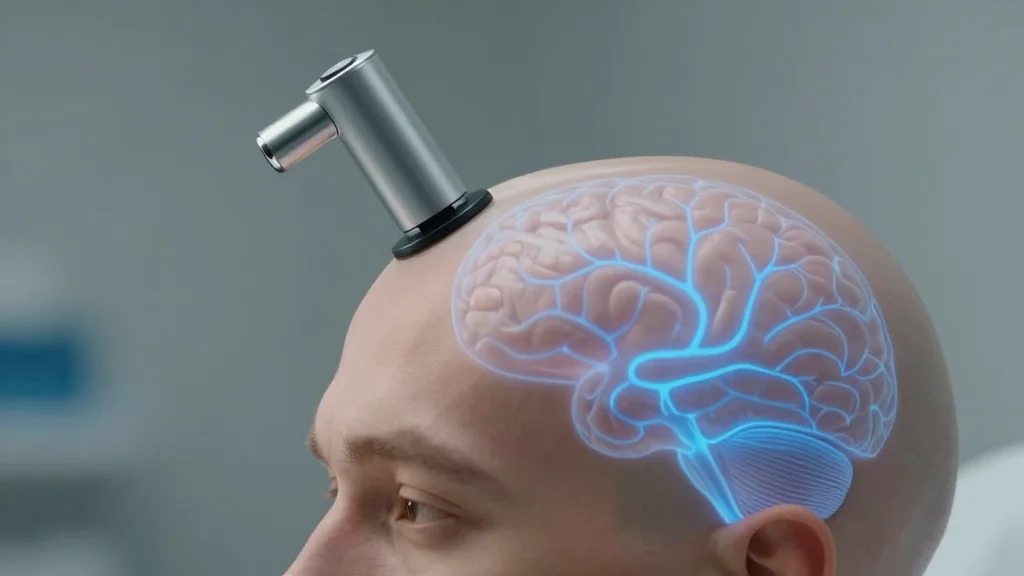
Circuit-Targeted Modulation of Anxiety Symptoms in Individuals with Major Depression: A Randomized Head-to-Head TMS Trial
Why It Matters
Personalized TMS targeting directly addresses comorbid anxiety, a major driver of treatment resistance, offering clinicians a more effective tool for complex depressive presentations. This advances the broader shift toward circuit‑based neuromodulation in psychiatry.
Key Takeaways
- •Circuit-targeted TMS outperformed standard targeting for anxiety
- •Personalized brain maps guide TMS electrode placement
- •Anxiety reduction achieved without compromising depressive outcomes
- •Open data enable replication and further research
- •NIH and private grants fund precision neuromodulation
Pulse Analysis
Transcranial magnetic stimulation has become a cornerstone for treatment‑resistant depression, yet its impact on co‑occurring anxiety has been inconsistent. Recent advances in functional connectivity mapping allow clinicians to identify distinct neural circuits that underlie specific symptom clusters. By aligning stimulation sites with the anxiosomatic network—identified through large‑scale resting‑state datasets—researchers can tailor magnetic pulses to modulate the exact pathways driving anxiety, rather than relying on a one‑size‑fits‑all left‑prefrontal protocol.
The head‑to‑head trial led by Harvard and Mass General Brigham operationalized this precision approach, directly comparing circuit‑guided TMS against the traditional left‑dorsolateral prefrontal target. Participants receiving anxiosomatic stimulation showed a markedly larger drop in Beck Anxiety Inventory scores, while Hamilton Depression Rating Scale improvements were statistically indistinguishable between groups. These results underscore that targeting the right circuit can alleviate anxiety without sacrificing antidepressant efficacy, addressing a key limitation of earlier TMS studies that often reported modest anxiety benefits.
Beyond immediate clinical implications, the study’s open‑access data repository and publicly shared atlases empower the research community to validate and extend the findings across diverse populations. As insurers increasingly demand evidence of cost‑effectiveness, symptom‑specific neuromodulation offers a pathway to higher response rates and reduced treatment duration, potentially lowering overall healthcare expenditures. Continued investment from NIH and private foundations will be crucial to scale these protocols, integrate real‑time neuroimaging feedback, and ultimately embed circuit‑based TMS into standard psychiatric practice.
Circuit-targeted modulation of anxiety symptoms in individuals with major depression: A randomized head-to-head TMS trial
Comments
Want to join the conversation?
Loading comments...