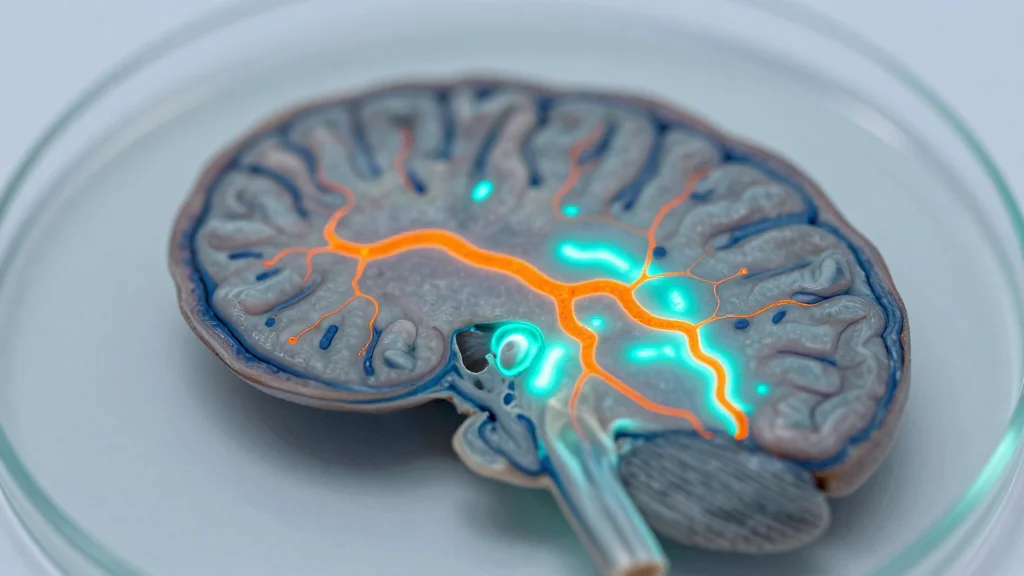
Astrocytic Connexin 43 Hemichannel Dysregulation Drives Prefrontal Circuit Dysfunction and Schizophrenia-Like Behaviors
Companies Mentioned
Why It Matters
Targeting astrocytic Cx43 hemichannels could provide a new therapeutic strategy for schizophrenia, addressing circuit deficits that current neuron‑focused drugs do not resolve.
Key Takeaways
- •Cx43 protein levels rise in schizophrenia prefrontal cortex
- •MK801 mice show region‑specific Cx43 upregulation in mPFC
- •Elevated Cx43 hemichannel activity increases gliotransmitter release
- •Hemichannel blocker TAT‑Gap19 restores synaptic balance and behavior
- •Targeting astrocytic Cx43 offers a novel schizophrenia therapeutic avenue
Pulse Analysis
The discovery that astrocytic connexin 43 (Cx43) hemichannels are overactive in schizophrenia reshapes the traditional neuron‑centric view of the disorder. While decades of research have emphasized glutamate and GABA imbalances, this study demonstrates that glial signaling—specifically the uncontrolled release of gliotransmitters through Cx43 hemichannels—directly perturbs medial prefrontal cortex (mPFC) microcircuitry. Elevated Cx43 was detected in post‑mortem prefrontal tissue from patients and replicated in the MK801 mouse model, confirming a disease‑relevant, region‑specific glial alteration.
Mechanistically, the heightened hemichannel activity amplifies extracellular glutamate, ATP, and D‑serine, which dysregulate neuronal firing patterns and synaptic plasticity. Electrophysiological recordings revealed increased excitatory drive and disrupted inhibitory balance in mPFC pyramidal neurons, mirroring the cognitive and social deficits observed in behavioral assays. Importantly, selective blockade of Cx43 hemichannels with the peptide inhibitor TAT‑Gap19 normalized these electrophysiological abnormalities and rescued performance in novel object recognition, social interaction, and pre‑pulse inhibition tests, underscoring a causal link between astrocytic hemichannel dysfunction and schizophrenia‑like phenotypes.
Clinically, these findings open a promising avenue for drug development focused on glial targets. Existing antipsychotics largely modulate dopaminergic and glutamatergic pathways, offering limited relief for negative symptoms and cognitive impairment. By attenuating aberrant astrocytic signaling, Cx43 hemichannel inhibitors could complement current therapies and address core circuit deficits. Future research should explore the safety profile of chronic hemichannel modulation, its effects across diverse schizophrenia subtypes, and potential biomarkers for patient stratification, paving the way for a new class of glia‑centric interventions.
Astrocytic connexin 43 hemichannel dysregulation drives prefrontal circuit dysfunction and schizophrenia-like behaviors
Comments
Want to join the conversation?
Loading comments...