Dynamic Immune and Metabolic Dysregulation in Women with Post-Traumatic Stress Disorder: Longitudinal Transcriptomic Insights Following Sexual Assault
Why It Matters
The findings identify peripheral gene‑expression signatures that differentiate symptom persistence from remission and point to transcriptomic biomarkers that could guide personalized PTSD treatment for women, a historically understudied population.
Key Takeaways
- •65 women with PTSD and 65 controls underwent baseline RNA‑seq.
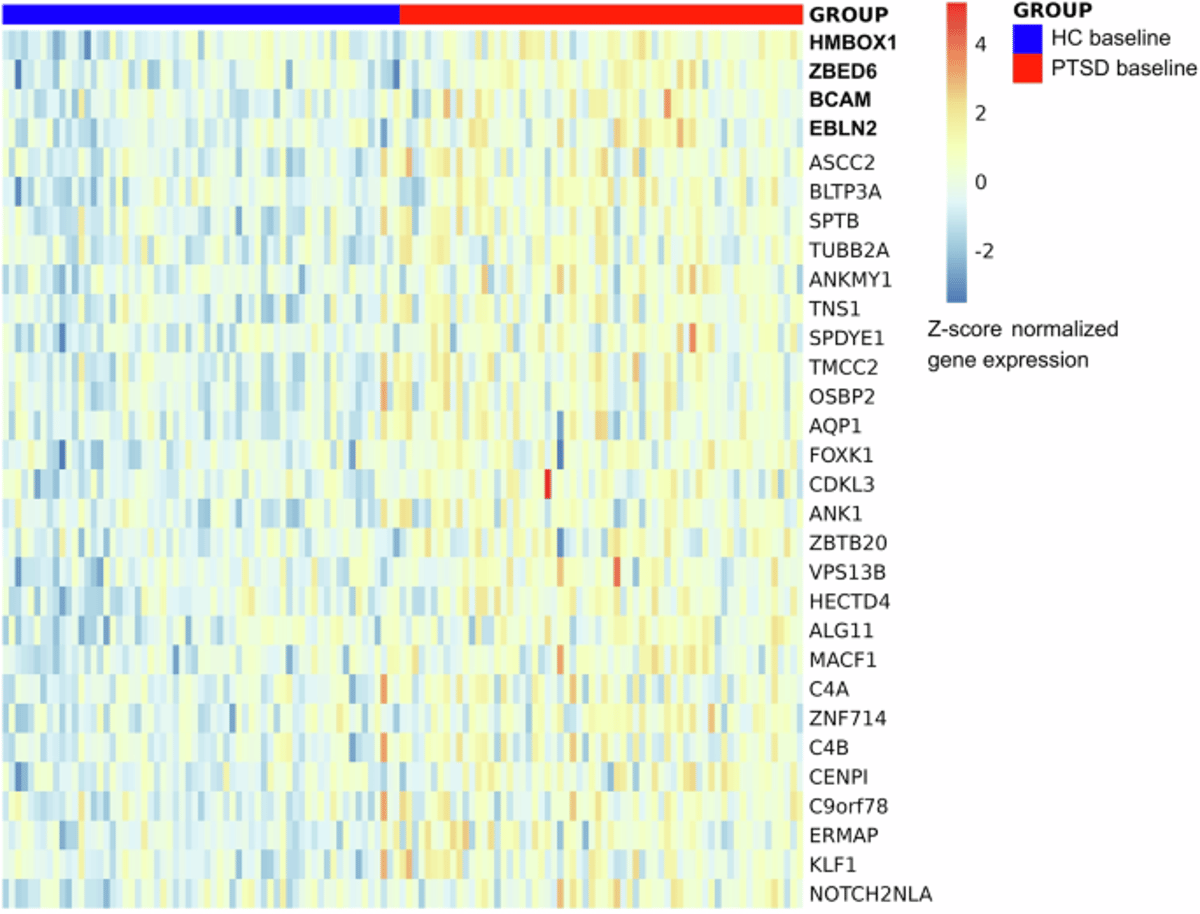
- •Baseline PTSD showed down‑regulated immune pathways and up‑regulated erythropoiesis.
- •Persistent PTSD retained immune suppression and increased mitochondrial activity.
- •Remitting cases displayed restored immune response and enhanced cell‑communication genes.
- •Sertraline and IPT‑PTSD produced overlapping gene expression changes.
Pulse Analysis
Sexual assault remains the leading precipitant of PTSD in women, yet most molecular investigations have centered on male military cohorts. This gender gap limits our understanding of how trauma reshapes the immune and metabolic landscape in female survivors. By leveraging high‑throughput RNA sequencing in a well‑characterized sample of 65 women with PTSD and an equal number of healthy controls, the study provides the first longitudinal portrait of peripheral transcriptomic dynamics specific to this demographic, filling a critical knowledge void in psychiatric genomics.
At study entry, women with PTSD exhibited a striking down‑regulation of immune‑related gene sets alongside up‑regulation of erythropoietic and metabolic pathways, indicating systemic immune suppression coupled with compensatory metabolic adaptation. Over a year, participants whose symptoms persisted maintained this immune‑suppressive signature and showed amplified mitochondrial activity, suggesting chronic cellular stress. Conversely, those who achieved remission displayed a rebound in immune response and cell‑communication pathways, highlighting a potential molecular correlate of clinical improvement. Importantly, both sertraline and IPT‑PTSD elicited similar gene‑expression changes, implying convergent therapeutic mechanisms despite differing modalities.
These insights open avenues for developing blood‑based biomarkers that predict PTSD trajectory and treatment response in women. By pinpointing specific immune and metabolic signatures linked to symptom persistence, clinicians could stratify patients for targeted interventions, optimizing outcomes while minimizing trial‑and‑error prescribing. Future research should validate these markers in larger, diverse cohorts and explore how they interact with genetic risk loci identified in genome‑wide studies. Ultimately, integrating transcriptomic profiling into routine psychiatric assessment could usher in a new era of precision mental health care for trauma‑affected women.
Dynamic immune and metabolic dysregulation in women with post-traumatic stress disorder: Longitudinal transcriptomic insights following sexual assault
Comments
Want to join the conversation?
Loading comments...