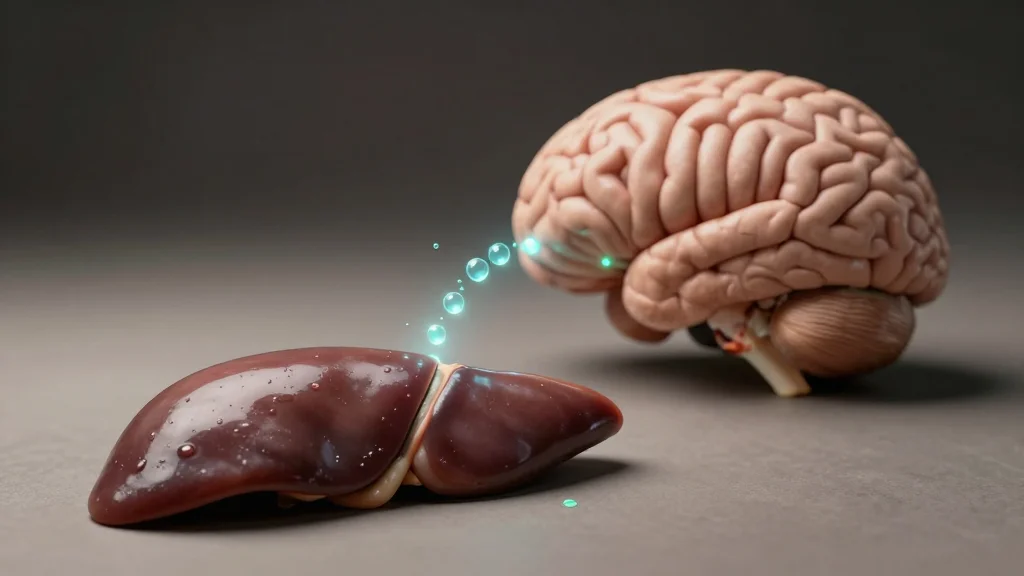
Liver-Derived Complement Component 3 Promotes the Susceptibility to Stress-Induced Depression by Impairing Blood-Brain Barrier Integrity
Why It Matters
By linking peripheral immune signaling to blood‑brain barrier breakdown, the study identifies hepatic C3 as a novel, drug‑gable target for stress‑related depression, offering a potential biomarker and therapeutic pathway beyond traditional neurotransmitter approaches.
Key Takeaways
- •Liver C3 rises in stressed mice, not other organs.
- •C3 knockout restores BBB claudin‑5, reduces depressive behavior.
- •Hepatic C3 overexpression triggers depression under mild stress.
- •C3aR‑CEBPα signaling mediates claudin‑5 down‑regulation.
- •Corticosterone drives hepatic C3 via NF‑κB activation.
Pulse Analysis
The emerging liver‑brain axis reshapes how we view stress‑related mood disorders. Recent work published in Molecular Psychiatry demonstrates that chronic psychosocial stress provokes the liver to secrete excess complement component 3 (C3), a central protein of innate immunity. While peripheral inflammation has long been linked to depression, this study pinpoints hepatic C3 as a decisive upstream factor that sensitizes the brain to stress. By connecting endocrine cues such as corticosterone to NF‑κB‑driven C3 production, the research bridges metabolic signaling with neuropsychiatric outcomes.
Blood‑brain barrier (BBB) integrity emerges as the critical downstream target of hepatic C3. The investigators showed that elevated C3 suppresses claudin‑5, the tight‑junction protein that seals the BBB in the nucleus accumbens, thereby increasing vascular permeability. Genetic ablation or RNA‑mediated knockdown of liver C3 restored claudin‑5 levels, reduced BBB leakiness, and alleviated depressive‑like phenotypes in mouse models of chronic social defeat stress. The C3a receptor‑CEBPα cascade was identified as the molecular conduit, offering a precise node for therapeutic intervention.
These findings open a new therapeutic avenue: targeting hepatic C3 production or its signaling cascade to fortify the BBB and blunt stress‑induced depression. Small‑molecule NF‑κB inhibitors, liver‑directed antisense oligonucleotides, or C3aR antagonists could be repurposed or developed for mood‑disorder treatment, especially for patients with elevated peripheral complement markers. Moreover, the study suggests that routine measurement of serum C3 might serve as a biomarker for depression susceptibility. Future research will need to validate these mechanisms in humans and explore long‑term safety of hepatic complement modulation.
Liver-derived complement component 3 promotes the susceptibility to stress-induced depression by impairing blood-brain barrier integrity
Comments
Want to join the conversation?
Loading comments...