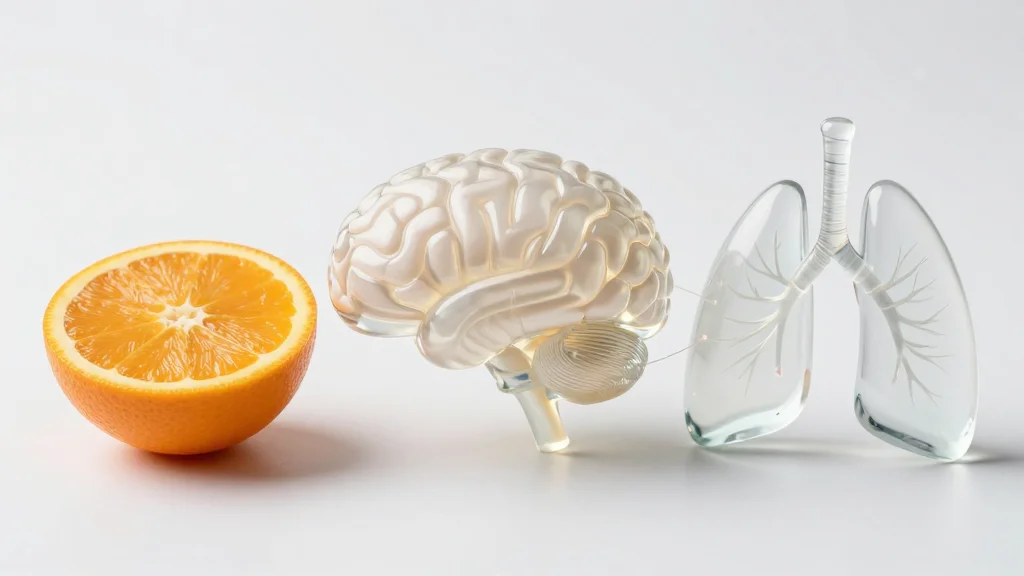
Pleiotropic Modulation of the Gut-Brain-Lung Axis by Ketamine and Its Enantiomers
Why It Matters
Understanding ketamine’s microbiome‑driven actions opens avenues for treating depression, sepsis‑related lung injury, and other inflammatory disorders, while informing safer, targeted use of each enantiomer.
Key Takeaways
- •Ketamine and enantiomers alter gut microbiota composition, boosting beneficial metabolites.
- •Microbiota changes modulate systemic inflammation, affecting neuroinflammation and lung injury.
- •Arketamine’s antidepressant effect links to vagus‑mediated gut‑brain signaling.
- •Esketamine reduces gut‑derived γδ T‑cell migration, protecting against acute lung injury.
- •Clinical translation needs larger trials and optimized dosing for each enantiomer.
Pulse Analysis
Ketamine’s reputation has long rested on its rapid antidepressant and anesthetic properties, yet emerging research shows its influence extends far beyond the central nervous system. By reshaping the gut microbiome, both racemic ketamine and its stereoisomers increase the production of short‑chain fatty acids and other metabolites that dampen systemic cytokine release. This microbiota‑driven anti‑inflammatory cascade not only mitigates neuroinflammation—a key driver of treatment‑resistant depression—but also curtails the recruitment of gut‑derived immune cells that exacerbate pulmonary injury. The review underscores that arketamine’s benefits are tightly coupled to vagal signaling pathways, suggesting that gut‑brain communication is a pivotal conduit for its sustained mood‑lifting effects.
The gut‑lung axis emerges as a parallel therapeutic target, especially for esketamine. Preclinical models demonstrate that esketamine blocks the migration of γδ T17 cells from the intestine to the lung, directly reducing acute lung injury in sepsis models. This finding positions esketamine as a potential adjunct in critical‑care settings where inflammation spirals into multi‑organ failure. Moreover, the distinct molecular signatures—arketamine favoring ERK activation and serotonergic release, esketamine relying on mTOR signaling—provide a mechanistic rationale for selecting one enantiomer over the other based on the patient’s comorbidities, whether neuropsychiatric or respiratory.
Translating these insights into clinical practice will require rigorously designed trials that stratify patients by microbiome profile, inflammatory biomarkers, and enantiomer dosing. Larger, placebo‑controlled studies could validate whether microbiota‑targeted adjuncts (e.g., probiotics or dietary interventions) amplify ketamine’s efficacy and safety. As the field moves toward precision psychopharmacology, integrating gut‑brain‑lung dynamics may redefine ketamine’s role from a niche antidepressant to a broader immunomodulatory agent capable of addressing complex, inflammation‑driven disorders.
Pleiotropic modulation of the gut-brain-lung axis by ketamine and its enantiomers
Comments
Want to join the conversation?
Loading comments...