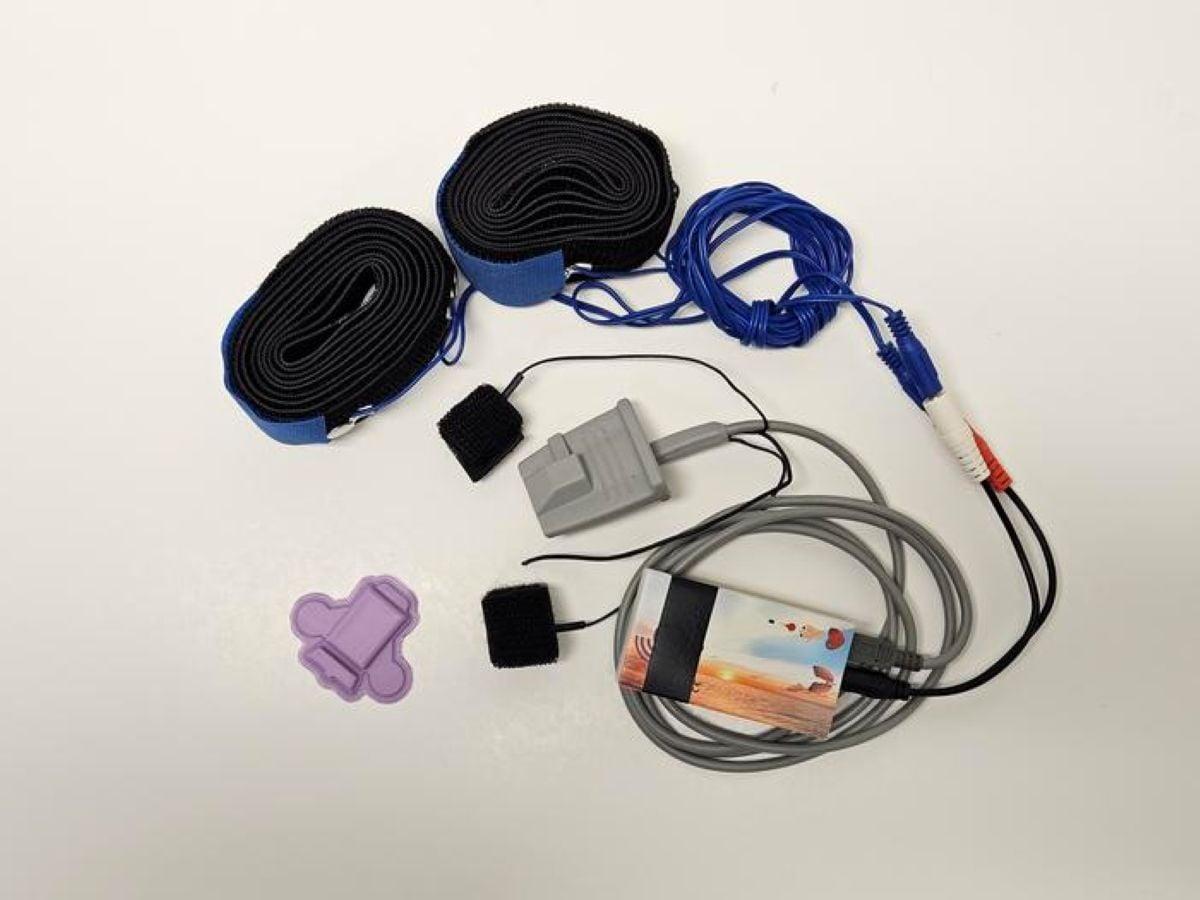
Wearable Polygraph Tracks Deep-Body Stress Signals
Northwestern University engineers have created a sub‑8‑gram, wireless polygraph that adheres to the chest like a bandage and continuously records heart activity, respiration, sweat, blood flow and temperature. The system streams real‑time data to a smartphone, delivering an objective stress readout for patients who cannot verbalize discomfort, such as infants and the elderly. Validation tests showed accuracy comparable to commercial lie‑detector polygraphs and the ability to detect sleep‑apnea events in pediatric sleep studies. Researchers plan to broaden clinical trials and add brain‑activity sensors for at‑home monitoring.

Why 90% of Humans Share the Same Dominant Hand
University of Oxford researchers used Bayesian comparative modeling of 41 primate species to explain why about 90 % of humans are right‑handed. The analysis shows that the combination of upright bipedal locomotion and a dramatic increase in brain size uniquely drives...
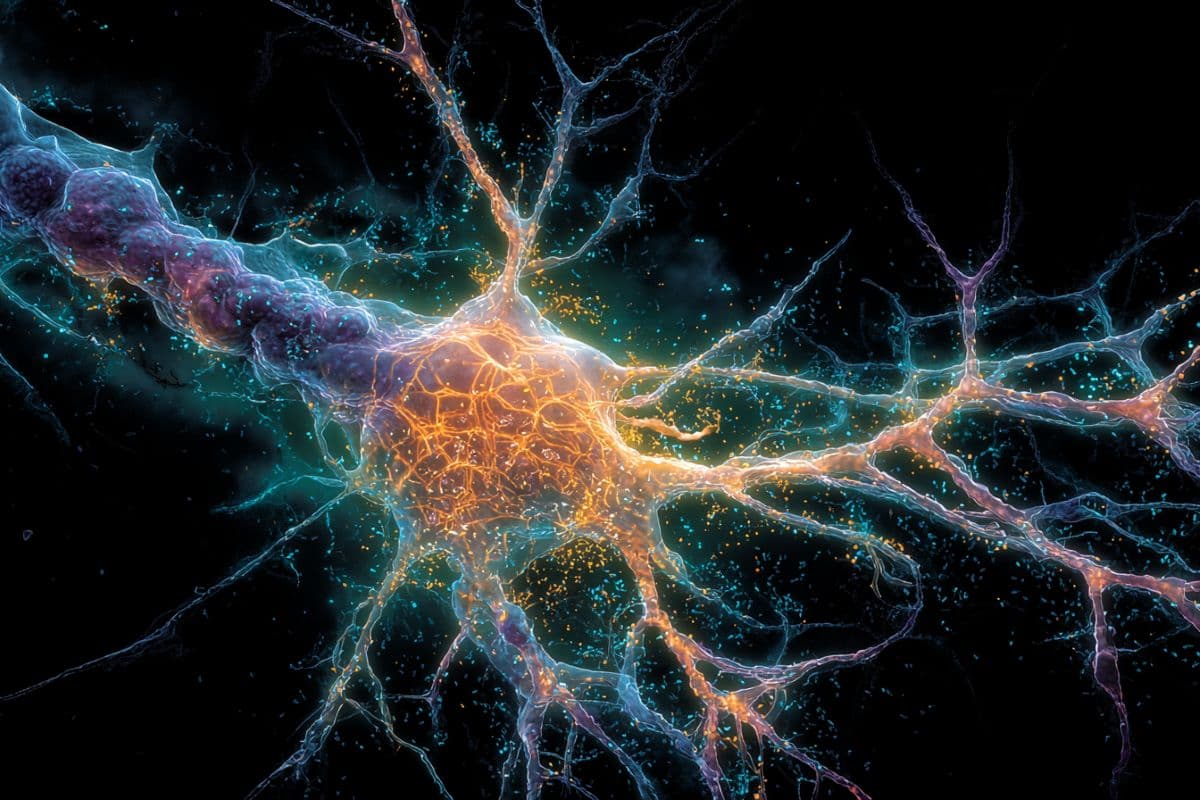
Rogue Antibodies Drive Tau Pathology
Researchers at DZNE and Charité have demonstrated that patient‑derived anti‑IgLON5 antibodies directly cause neuronal hyperactivity, which in turn drives the mislocalization and toxic aggregation of Tau proteins. Experiments in cultured neurons and wild‑type mice showed IgLON5 clustering on the cell...

Genetic Pathways Link Cannabis Use to Psychosis Risk
A large‑scale genetic meta‑analysis identified over 500 loci linked to psychosis, including 122 new associations, and demonstrated that cannabis use disorder (CUD) drives psychosis more strongly than the reverse. The researchers pinpointed three distinct biological pathways—neurodevelopment, neuronal signaling, and other...
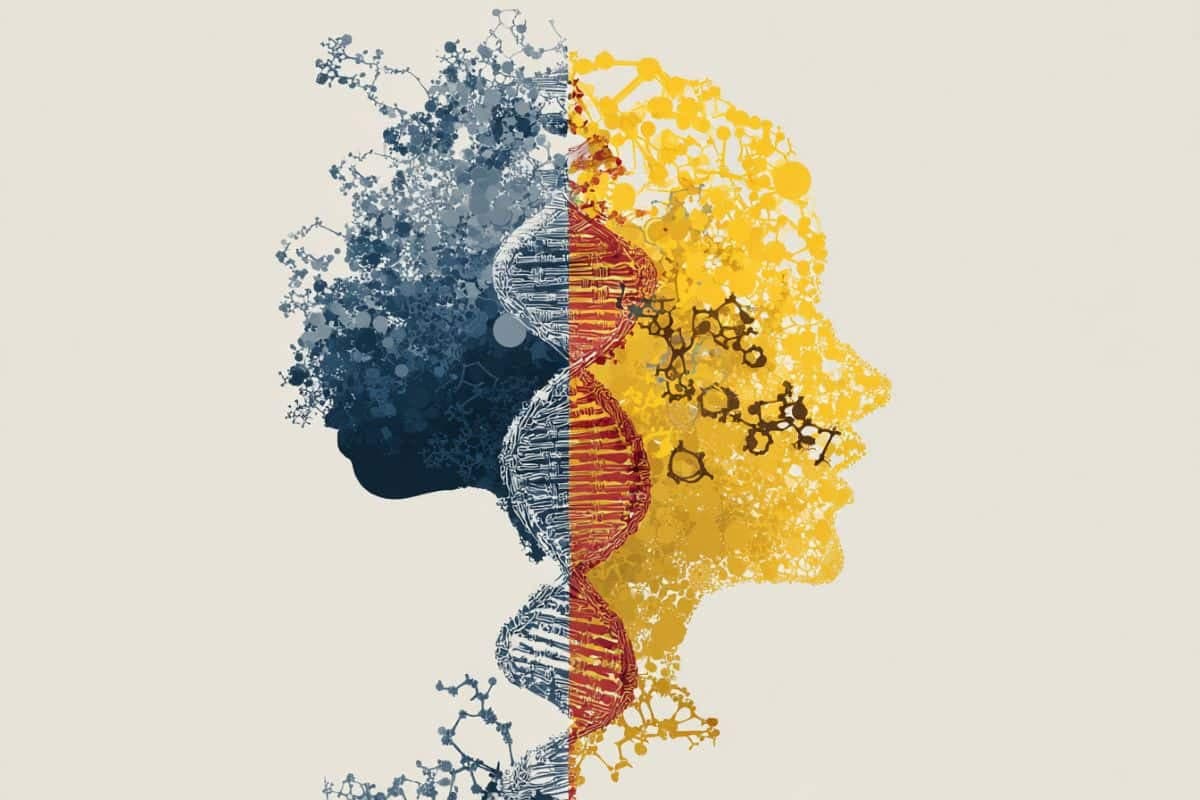
Genetic Risk for Schizophrenia Diverges Brain Growth in Teens
A new longitudinal study of 6,228 adolescents shows that high polygenic risk for schizophrenia triggers a decline in frontal cortical surface area during ages 9‑14, while low‑risk peers exhibit normal growth. The effect is specific to surface area in the...
Single Brain Connection Pinpointed as the Starting Point of Learning
Researchers at Duke University identified a single cortico‑basal ganglia synapse as the initial locus where song learning begins in zebra finches. Using AI‑driven analysis of thousands of vocalizations and optogenetic manipulation, they showed that silencing this connection reverts mature song...

Brain Signal Predicts and Restores Attention in Children
Researchers at SickKids identified a millisecond‑scale brain signal that predicts attention lapses in children. Using machine‑learning on intracranial recordings, they created a closed‑loop system that delivers a brief electrical pulse exactly when the signal appears, instantly restoring focus. The same...
Personalized DNA Vaccine Doubles Glioblastoma Survival Rates
A phase‑1 trial of Geneos Therapeutics' personalized DNA vaccine GNOS‑PV01 showed it was safe and generated robust immune responses in newly diagnosed glioblastoma patients. The vaccine, which encodes up to 40 patient‑specific neoantigens, more than doubled 12‑month overall survival to...
Slowing Parkinson’s by Blocking a Key Protein
Researchers at the University of Pennsylvania have pinpointed glycoprotein nonmetastatic melanoma B (GPNMB) as a key driver of alpha‑synuclein spread in Parkinson’s disease. In pre‑clinical models, monoclonal antibodies that block GPNMB halted the neuron‑to‑neuron transmission of toxic protein clumps. Analysis...

“Jumping Genes” Shaped the Evolution of the Brain
Researchers at Kindai University have shown that transposable elements (TEs) contributed over 20,000 new binding sites for the neural transcription factors Sox2 and Brn2, reshaping gene‑regulatory networks during mammalian brain evolution. Specific TE families such as MER51 and MER49 spread...
GLP-1 Drugs Dramatically Reduce “Food Noise” In Weight Loss
Researchers presented data at the European Congress on Obesity showing that adding GLP‑1 receptor agonist drugs to a digital behavioral weight‑management program dramatically lowers "food noise," the intrusive thoughts about food that hinder healthy choices. In a month‑long trial, participants...
First Real-Time Brain-Controlled Hearing Device
Columbia University researchers have built the first real‑time brain‑controlled hearing prototype that can isolate a single voice in a noisy setting. By decoding intracranial EEG signals, the system identifies which speaker a listener is attending to and automatically amplifies that...
Decoding the Metabolic Roots of Bipolar Disorder
A new study in Biological Psychiatry: Cognitive Neuroscience and Neuroimaging shows that metabolic dysfunction—particularly insulin resistance and leptin dysregulation—is linked to reduced gray‑matter volume and cognitive deficits in bipolar disorder but not in major depressive disorder. Researchers evaluated 81 bipolar...

How the Brain Dampens Losses to Support Mental Toughness
A new Journal of Neuroscience study reveals that psychologically resilient people tend to downplay minor losses rather than overvalue rewards. Using functional MRI, researchers observed that participants who discounted small losses showed heightened prefrontal activity when confronting those losses and...

Progesterone Exposure Linked to Gene Alterations in Male Brains
Researchers at Edinburgh Napier University reported that excessive prenatal progesterone exposure in sheep leads to a marked increase of the SRD5A1 gene in the frontal cortex of male fetuses. The effect was sex‑specific; female fetuses showed no comparable genetic changes....

Brain Stimulation Boosts Willpower to Quit Smoking
A double‑blind, fMRI‑guided trial found that high‑frequency rTMS targeting the left dorsolateral prefrontal cortex (DLPFC) cut smokers’ daily consumption by about 11 cigarettes, outperforming sham and orbitofrontal cortex stimulation. The 15‑session protocol boosted prefrontal activity while suppressing reward‑related regions, correlating...

Why Massive AI Models Actually Generalize Better
Harvard physicists have used a simplified ridge‑regression toy model to mathematically explain why over‑parameterized AI systems often generalize better as they grow. By applying statistical‑physics tools such as renormalization, they show that high‑dimensional data fluctuations act as a stabilizing regularizer,...

Organic Synaptic Transistors for Sustainable AI Developed
University of Missouri researchers have created organic synaptic transistors that merge memory and processing, mimicking brain‑like efficiency. The devices leverage a finely tuned semiconductor‑dielectric interface, allowing them to learn and adapt with far lower power than conventional chips. In prototype...

Digital Memory Paradox: Social Networking “Mutes” Content Learning
A University of Bristol study found that joining online communities or following pages shifts mental effort from learning content to mapping social connections. Participants showed a 40% drop in content recall but a 65% rise in remembering who knows whom....
Primary Cilium Shapes the Developing Brain
A new study published in Cell Reports shows the primary cilium in neural progenitor cells contains over 1,000 proteins, including ribosomal machinery, indicating on‑site protein synthesis. Regional specialization was observed, with more than 40 proteins varying by brain region. Loss...

The “Goldilocks” Choice: Why Older Adults Are Turning to Cannabis
A new University of Utah and Colorado study finds adults over 60 are the fastest‑growing cannabis consumers in the U.S., driven primarily by a desire for better quality of life rather than a psychoactive high. Participants cite chronic pain, insomnia...

Why Regret Loses Its Sting as We Age
A new American Psychological Association study published in *Emotion* finds that adults over 60 report fewer recent regrets and experience them with far less anger and frustration than younger adults. While the total count of long‑term regrets stays roughly constant...

High Cognitive Scores Might Predict Depressive Relapse
A new BMJ Mental Health study of 1,800 UK Biobank participants shows that, contrary to long‑standing assumptions, higher cognitive performance predicts a greater risk of depressive relapse in people with a history of major depressive disorder. Thirty‑three percent of the...

Gene Therapy Restores Walking After Paralysis
Researchers at the University Hospital Cologne used a designer cytokine, hyper‑interleukin‑6 (hIL‑6), delivered via an AAV2 viral vector into the motor cortex of mice with spinal‑cord contusions. The protein traveled transneuronally to brainstem serotonergic neurons, prompting intact fibers to sprout...
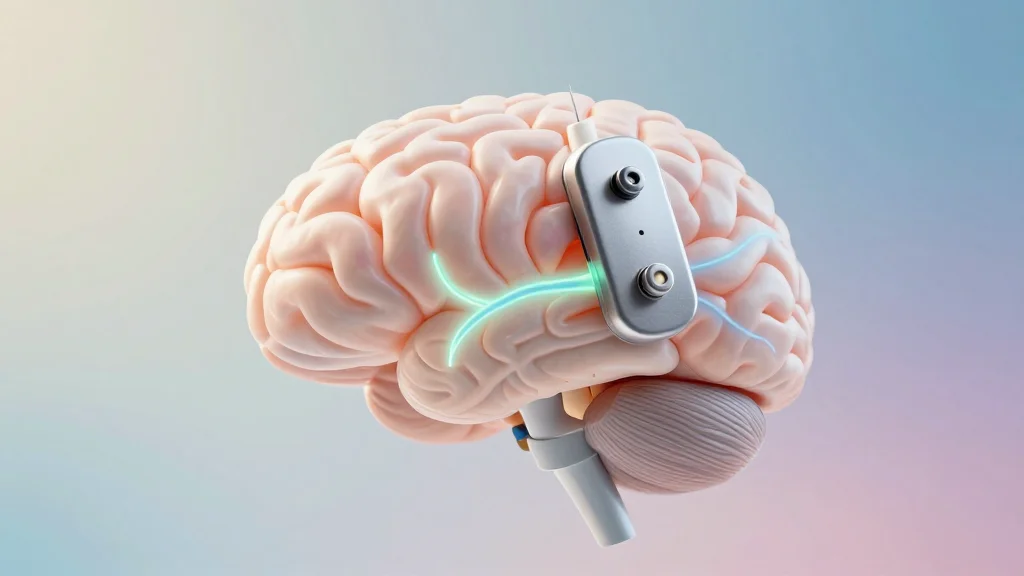
Magnetic Pulses Restore Brain Circuits to Treat Depression
UCLA researchers demonstrated that accelerated intermittent theta burst stimulation (aiTBS), a fast‑acting form of transcranial magnetic stimulation, can rebuild lost dendritic spines in prefrontal cortex intratelencephalic (IT) neurons within 24 hours. The structural repair was stable for at least a...

Sexual Arousal Distorts the Perception of Romantic Interest
New research published in Personality and Social Psychology Bulletin shows that sexual arousal creates a perceptual tunnel vision, causing individuals to interpret ambiguous romantic signals as signs of interest. In experiments, participants primed with sexual content rated confederates as more...
Freeze-Dried Platelets Combat TBI Brain Swelling and Bleeding
Researchers at UCSF have shown that Thrombosomes, a freeze‑dried platelet‑derived product, dramatically reduces bleeding and cerebral edema in a mouse model of traumatic brain injury (TBI). The biologic, originally created for battlefield hemorrhage, can be stored at room temperature for...
Dopamine Depletion: The Hidden Driver of Alzheimer’s Memory Loss
University of California, Irvine scientists discovered that dopamine signaling in the entorhinal cortex collapses by more than 80% in Alzheimer’s mouse models, directly impairing new memory formation. Restoring dopamine—either with optogenetic stimulation or the Parkinson’s drug Levodopa—rescued associative learning in...
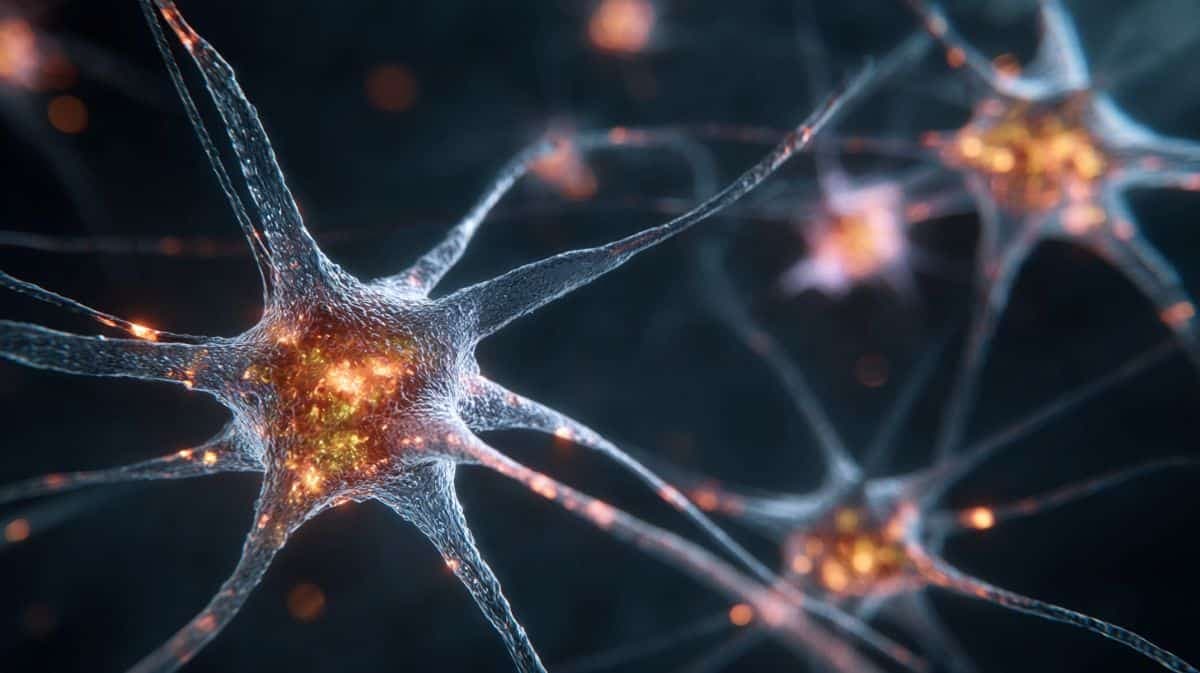
3D Bio-Hybrid Device Merges Neurons and Computing
Princeton researchers have built a three‑dimensional bio‑hybrid device that integrates living neurons with a flexible metal‑mesh electrode array. The scaffold lets tens of thousands of brain cells grow through the mesh, enabling chronic recording and stimulation for more than six...
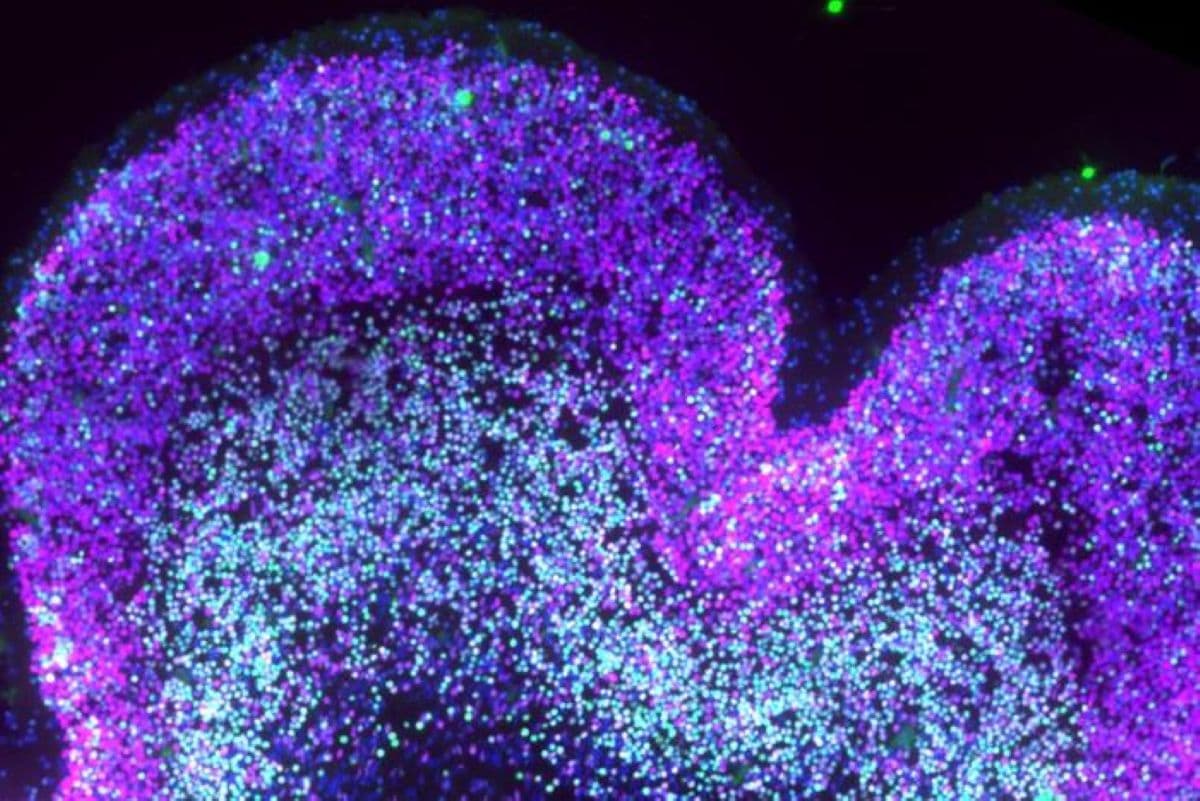
How Down Syndrome Reshapes the Developing Brain
UCLA researchers produced the first cellular‑resolution molecular map of the human prenatal brain in Down syndrome, analyzing over 100,000 nuclei from gestational weeks 13‑23. The study shows that progenitor stem cells in Down‑syndrome brains rush into neuron production, depleting the...

Emotional Touch Leaves a Permanent Mark on the Mind
A new paper by Laura Crucianelli, Federica Meconi and Henrik Bischoff proposes the first comprehensive neurobiological model of affective tactile memory. It argues that emotionally meaningful touch is encoded through a specialized interaction between C‑tactile sensory pathways and limbic‑prefrontal networks,...
Stroke Impact Determines Future Dementia Risk
A national cohort of over 42,000 adults tracked for up to 30 years shows a clear dose‑response link between stroke severity and later dementia. Survivors of severe ischemic strokes face roughly five times the odds of developing dementia, while even...
GLP-1 Drugs Target the Roots of Dementia
A systematic review of 30 preclinical studies finds that GLP‑1 receptor agonists—particularly liraglutide, semaglutide, dulaglutide and exenatide—consistently reduce amyloid‑beta plaques and tau tangles, the hallmarks of Alzheimer’s disease. The drugs also appear to curb neuroinflammation and improve brain insulin signaling,...

25% of Chronic Pain Patients Show ADHD Traits
A University of Tokyo study of 958 Japanese adults with chronic pain found that roughly 25% exhibited significant ADHD traits, a rate 2.4 times higher than in the general population. The research shows that ADHD does not directly cause pain...
Embryonic Pathways Found to Balance the Adult Mind
Researchers identified the embryonic GPCR Smoothened as a critical regulator of adult striatal learning. In cholinergic interneurons, Smoothened shortens the acetylcholine pause, tightening the window during which dopamine can reinforce behavior. Mice lacking Smoothened learn motor tasks faster but lose...
How AI “Brain States” Decode Reality
Researchers from Brown University presented evidence that large language models encode causal constraints of the real world, forming distinct mathematical "brain states" that align with human judgments of plausibility. By testing sentences ranging from commonplace to nonsensical, they found vectors...
Glutathione Prevents Cellular Clogs
Researchers at Rockefeller University identified the membrane protein SLC33A1 as the primary exporter of oxidized glutathione (GSSG) from the endoplasmic reticulum, preserving the organelle’s oxidative environment needed for proper protein folding. Using CRISPR screens, rapid ER profiling, and cryo‑EM structures,...

Cortisol Kill-Switch: Exercise Rewires Stress Biology
A year‑long, randomized clinical trial of 130 mid‑life adults found that meeting the American Heart Association’s recommendation of 150 minutes of moderate‑to‑vigorous aerobic exercise each week significantly lowered long‑term hair cortisol, the primary stress hormone. The same participants also exhibited...

AI Restores Voices Through Microscopic Neck Movements
Researchers at POSTECH have unveiled a soft multiaxial strain‑mapping sensor that reads microscopic neck movements to reconstruct speech in real time. The wearable device pairs a miniature camera with AI algorithms to translate subvocal muscle activity into the user’s own...

Music Corrects the Brain’s “Glitched” Predictions
A Yale‑led longitudinal study found that weekly group songwriting can reduce paranoia in people with psychosis, especially those with milder hallucinations. Linguistic analysis revealed a shift from first‑person to plural pronouns, suggesting participants felt more socially connected. The music‑making intervention...

Decoding the Shame Associated with Ozempic Weight Loss
A new study published in *Stigma & Health* finds that women who lose weight with GLP‑1 drugs such as Ozempic or Wegovy face significantly more stigma than those who rely on diet and exercise, and the bias is strongest when...

Noise Is the Signal: Why Weak Brain Connections Predict Behavior
A Yale-led study of over 12,000 participants shows that brain connections traditionally dismissed as noise can predict behavior with accuracy comparable to the strongest 10% of links. By partitioning the connectome into ten non‑overlapping groups, the researchers found that lower‑ranked...

Could Alzheimer’s Begin in the Nerves, Not the Brain?
University of Central Florida researchers used a human‑on‑a‑chip neuromuscular‑junction model to show that familial Alzheimer’s mutations can impair peripheral nerves and muscle connections independent of the brain. The study demonstrates that balance and gait problems in Alzheimer’s may originate in...
Designing Implants that Don’t Scar the Brain
A new study systematically compared stiff silicon electrodes with flexible polyimide probes for intracortical neural implants. The researchers found that material choice dominates tissue response: polyimide probes trigger far less scarring and inflammation than silicon, while probe thickness or wireless...

High-Dose Folic Acid Slashes Birth Defect Risks
A large Nordic study of over 13,000 pregnancies shows that high‑dose folic acid taken at least one month before conception cuts the risk of major congenital anomalies in children of women using antiseizure medications by about 45%, an absolute reduction...

Wetware AI: Living Brain Cells Trained to Run Chaos Math
Researchers at Tohoku University have trained living rat cortical neurons to perform complex machine‑learning tasks using a reservoir‑computing framework. By applying FORCE learning to the biological network, the cells generated time‑series patterns, including the chaotic Lorenz attractor, demonstrating real‑time computational...

Mapping the Brain’s Internal Stopwatch
A new 7‑tesla fMRI study has charted the brain’s internal stopwatch, showing that visual time perception travels through three cortical stages—from raw duration encoding in the occipital lobe, to duration‑selective firing in parietal and premotor regions, and finally to subjective...

Individual Cone Cells Create Our Sharpest Sight
A collaborative study by UAB and UC Berkeley has demonstrated that the human eye’s sharpest vision stems from a “private line” system in which each cone photoreceptor in the fovea sends an isolated, unmixed signal directly to the brain. The...

Alzheimer’s Risk Gene Shrinks Neurons
Researchers at the Gladstone Institutes have identified a molecular cascade linking the Alzheimer’s risk gene APOE4 to early hippocampal neuron shrinkage and hyperexcitability. The study shows that neuronal APOE4 up‑regulates the protein Nell2, which reduces neuron size, making cells fire...

Noninvasive Stimulation “Talks” To the Brain’s Memory Center
Researchers at the University of Iowa have demonstrated that transcranial magnetic stimulation (TMS) can non‑invasively engage the deep hippocampus by targeting cortical regions identified through each patient’s functional connectivity map. In eight neurosurgical patients with intracranial electrodes, personalized TMS elicited...