
Unmasking the Epigenetic Disparity in Anxiety Disorders
Researchers at Penn State and the University of Wisconsin‑Milwaukee have secured a five‑year, $3.2 million NIH grant to dissect epigenetic mechanisms in the amygdala that lock in traumatic fear memories. The team will focus on the histone‑modifying enzyme HDAC3, using RNA sequencing, ChIP‑seq and CRISPR/Cas9 to map and edit stress‑responsive genes. A key aim is to explain why women develop PTSD at twice the rate of men by comparing gender‑specific molecular thresholds. Success could pave the way for targeted, gender‑optimized epigenetic therapies for PTSD and related anxiety disorders.
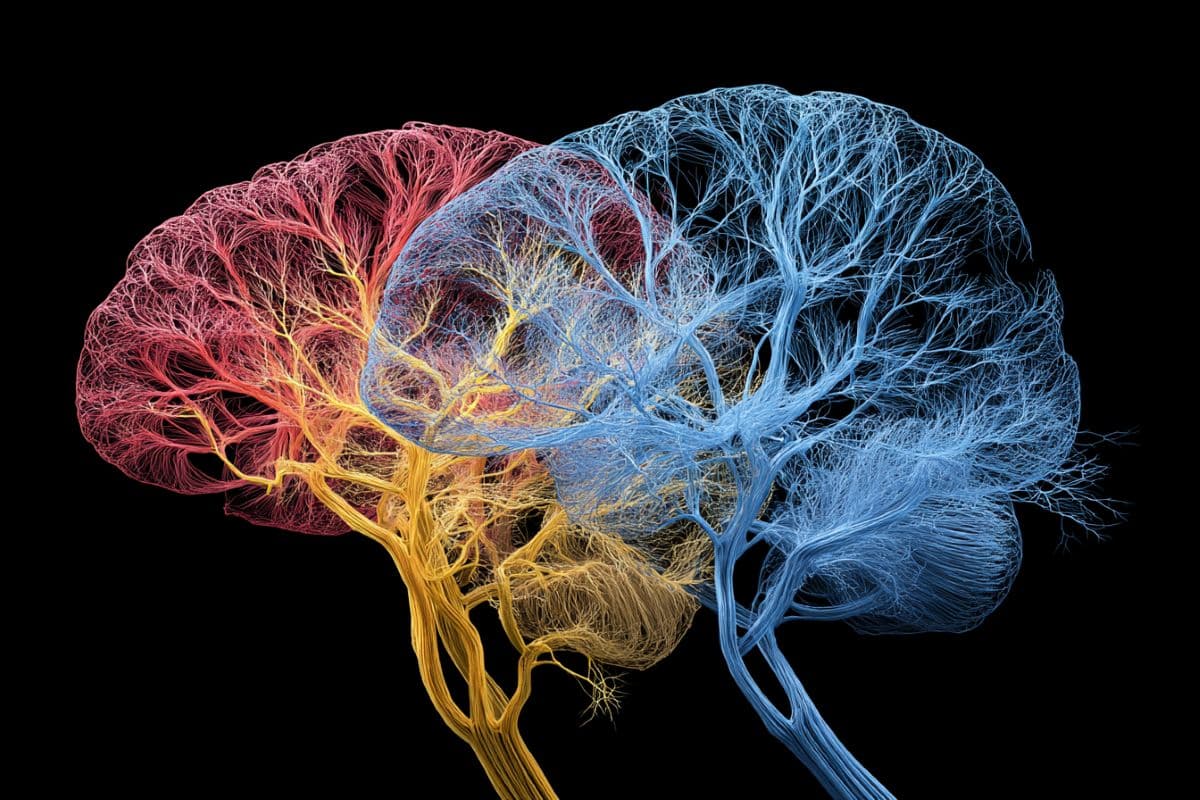
Two Distinct Autism Subtypes Identified Via Brain Connectivity
A new study published in Nature Neuroscience shows autism can be split into at least two biologically distinct subtypes based on functional connectivity patterns. Researchers examined over 1,900 human fMRI scans alongside 20 genetically engineered mouse models, uncovering a hypoconnectivity...

Study Exposes Risks of Emotional Bonds With AI Chatbots
A Drexel University study examined over 4 million Reddit posts, focusing on 5,126 mental‑health‑related discussions, to gauge how users rely on general‑purpose AI chatbots for emotional support. The analysis revealed that 51% of posts explicitly flagged risks, and the majority view...
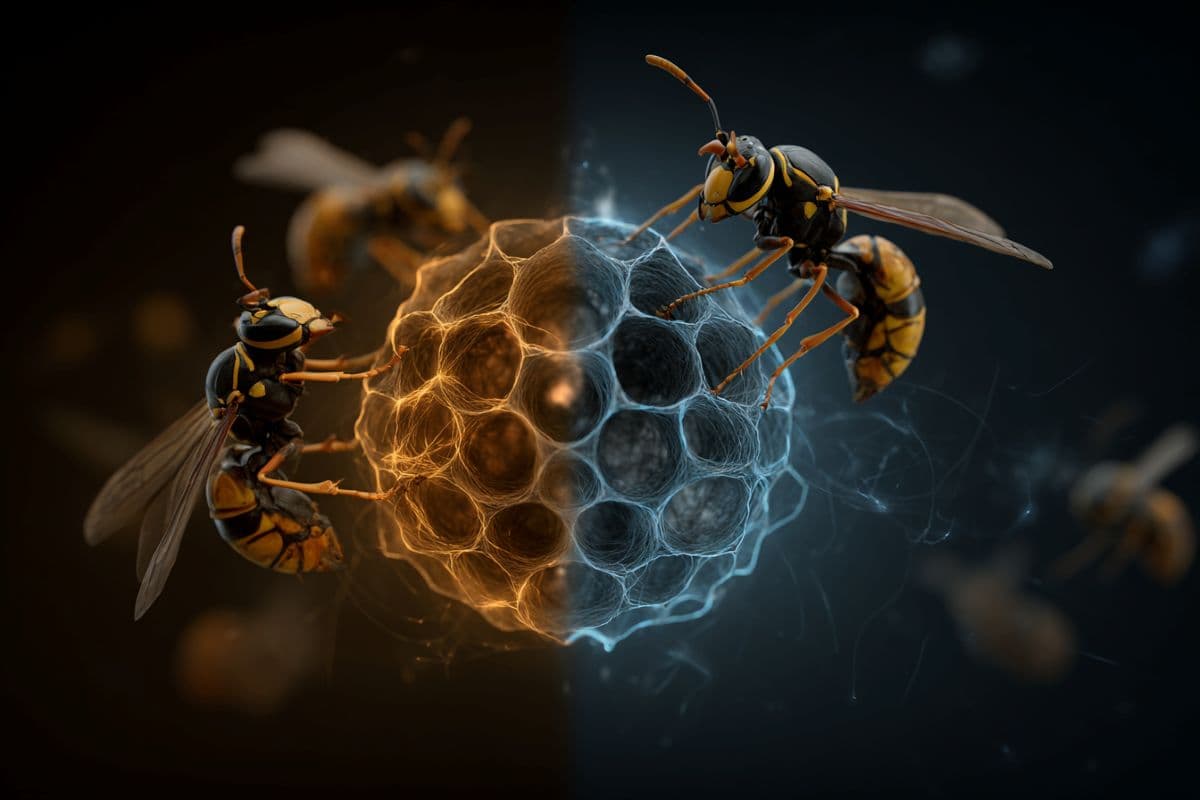
Compensator Wasps Proven to Save Colonies From Chaos
UCL researchers experimentally removed queens from tropical paper wasp colonies (Polistes canadensis) in Panama, sparking immediate, violent power struggles among workers. Amid the chaos, a distinct subset of individuals—dubbed “compensators”—stepped back from the conflict and dramatically increased foraging and brood‑care...
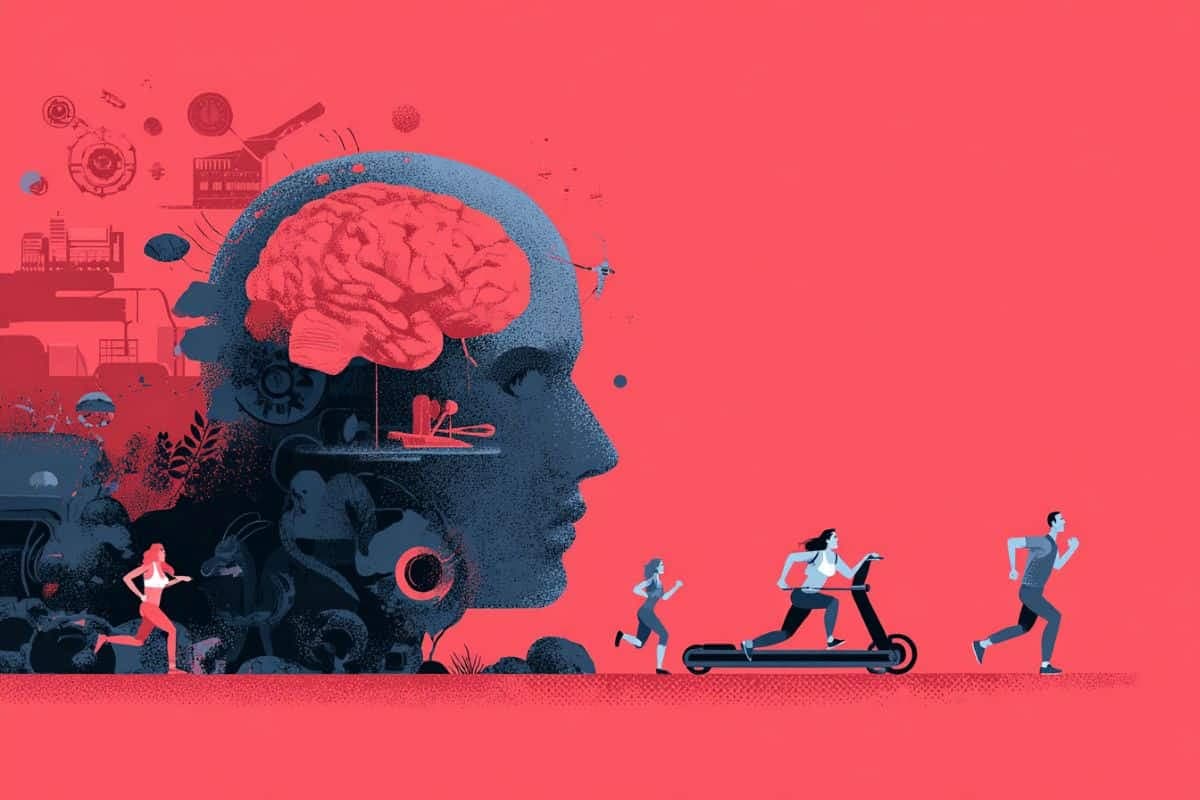
Humans Avoid Wasted Effort Rather Than Exertion
A new synthesis in Neuroscience & Biobehavioral Reviews argues that humans do not inherently dislike effort; they avoid only effort that is perceived as wasted. Developmental studies show infants and young children freely engage in challenging tasks, while older children actually...
Serotonin Proven to Reduce Cognitive Belief Stickiness in OCD
A double‑blind trial showed that a single dose of escitalopram reduces “belief stickiness,” the tendency to cling to outdated mental models, in healthy participants. Using a computer‑based “Seasons” shell‑collecting game, researchers found higher plasma serotonin levels enabled faster updating of...

Psilocybin Resets Brain Pain Networks and Boosts Painkillers
University of Reading researchers found that a single injection of psilocybin eliminates neuropathic pain in mice for up to a month and reconfigures the brain’s pain‑processing networks. The psychedelic’s effect endures long after the compound leaves the system, creating a...

Heart Attacks Release Toxin That Damages Brain Function
University of Ottawa researchers have identified methylglyoxal (MG) as a toxin that spikes in the bloodstream after a myocardial infarction and accumulates in brain regions governing mood and memory. The excess MG provokes neuroinflammation, driving depression, anxiety and cognitive decline...
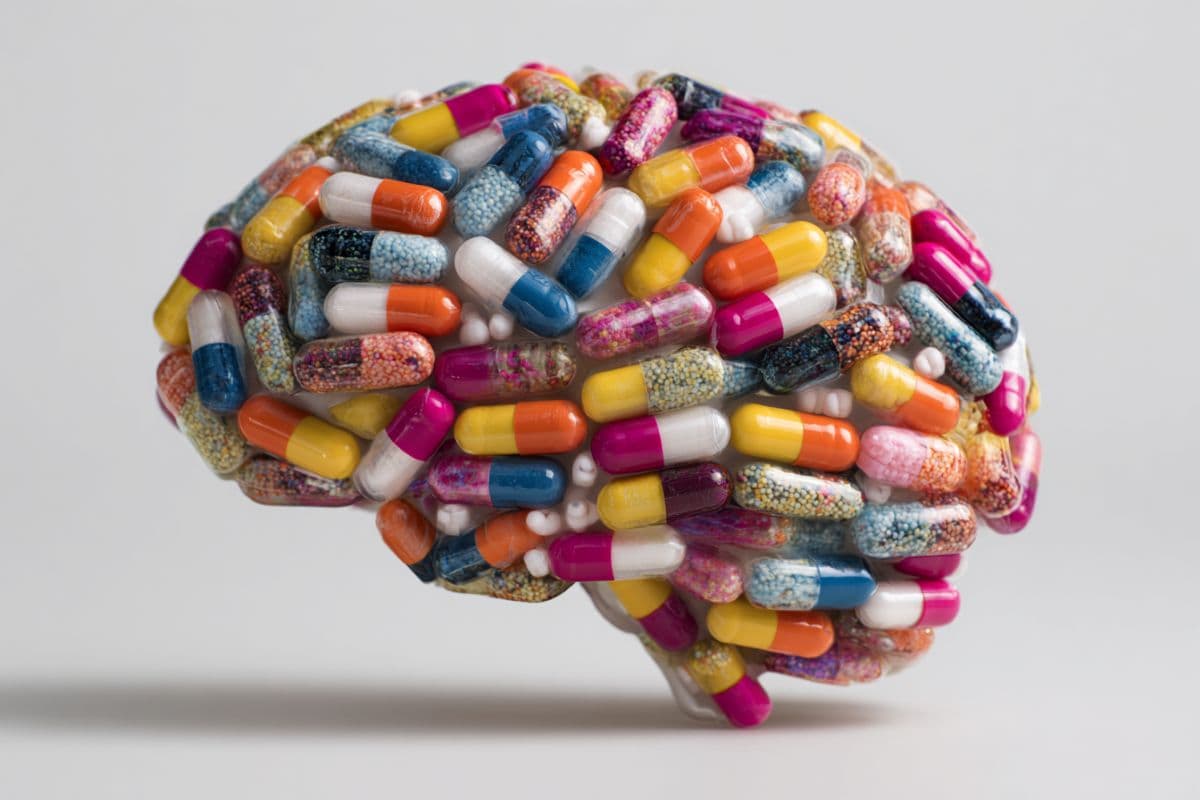
New Math Method Inflates Alzheimer’s Drug Success by 29x
A Brown University research letter published in JAMA Neurology warns that the statistical technique known as quantile aggregation can dramatically overstate the efficacy of emerging Alzheimer’s drugs. Simulations showed the method inflates the perceived link between amyloid clearance and cognitive...

Cooperation Emerges Naturally Through Recognition
A Rutgers‑Hebrew University study published in PNAS overturns a 75‑year‑old game‑theory tenet by showing that simple memory of individual opponents can spark and sustain cooperation in the Prisoner’s Dilemma. Using statistical‑mechanics models and neural‑network simulations, the researchers demonstrated that cheaters...

Leucovorin Autism Prescriptions Surge 2,000% via Media Hype
A national study of 838,801 children with autism found leucovorin prescriptions surged over 2,000%, jumping from 34 to 835 per 100,000 outpatient encounters between 2023 and 2025. The spike coincided with a February 2025 TV segment highlighting dramatic language gains...

Connected Biochip Tracks How Diabetes Triggers Dementia
The Engineering and Physical Sciences Research Council has awarded a £500,000 (~$635,000) grant to launch the three‑year GlucoBrain project, a University of Bath‑led effort to build the first multi‑organ‑on‑chip that physically links human gut, pancreas and brain tissue. By integrating...
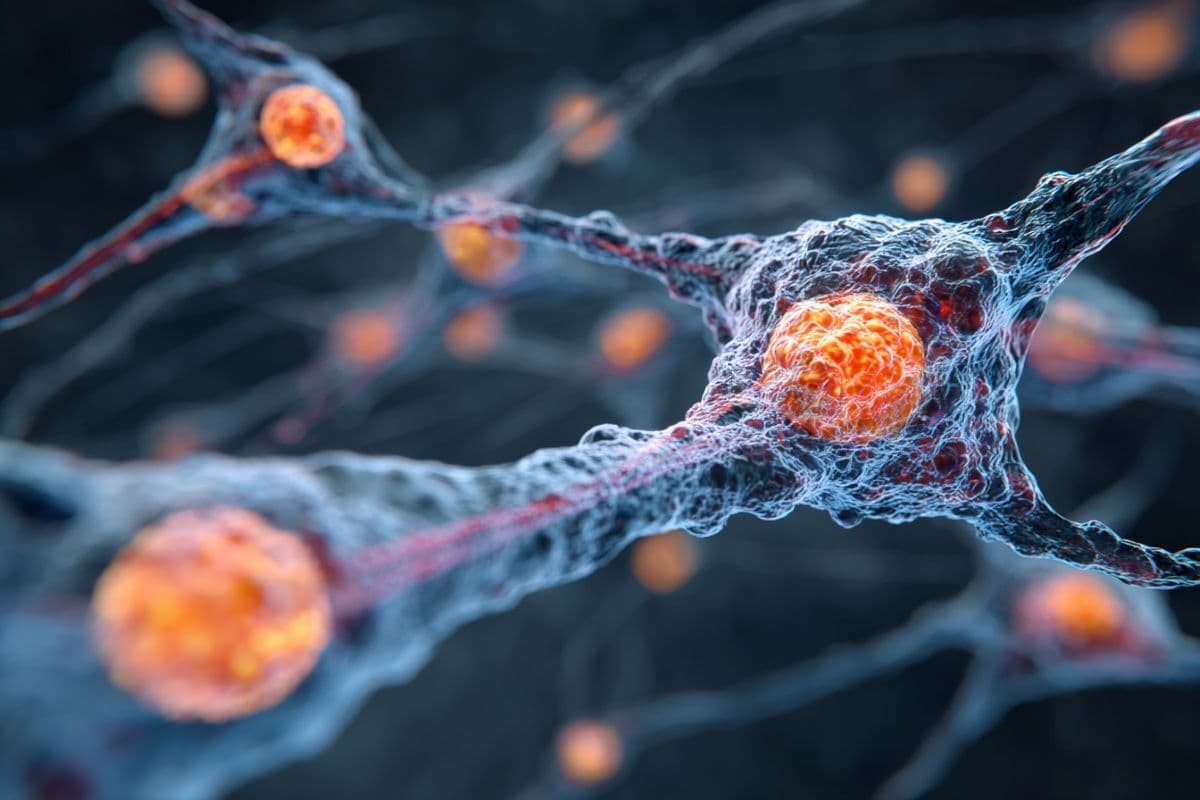
Study Maps Brain Immune Cells to Block Melanoma Metastasis
Yale researchers are targeting the brain's native immune cells to stop melanoma from forming deadly brain metastases. Their work focuses on the IL‑4 signaling axis, which overactivates myeloid cells and creates a pre‑metastatic niche that shields tumor cells from standard...
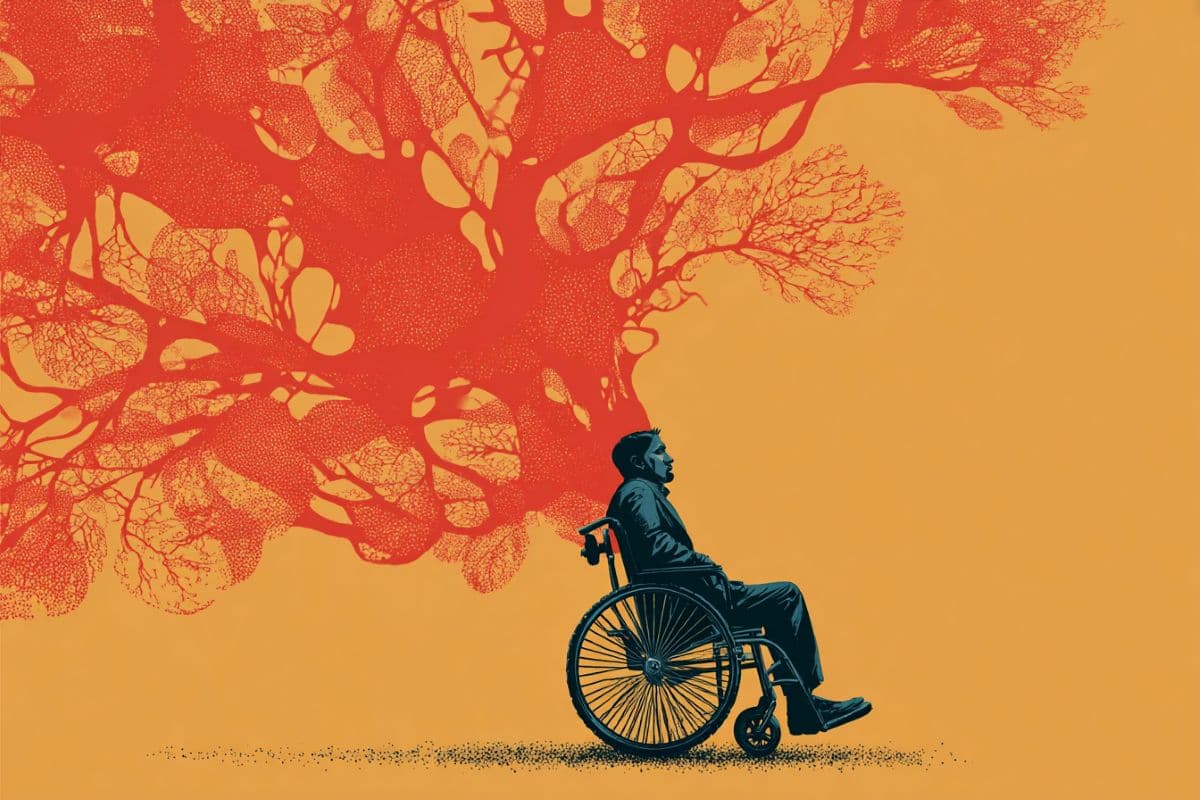
SCI Redefined as a Broken Brain–Body–Environment Loop
A new perspective in Science Bulletin reframes spinal cord injury as a systems‑level disorder, emphasizing loss of closed‑loop communication, state mismatch, and learning failure. The authors propose a “neuromodulation palette” that layers state‑setting, execution, and plasticity‑biasing to rebuild the brain‑spinal‑environment...
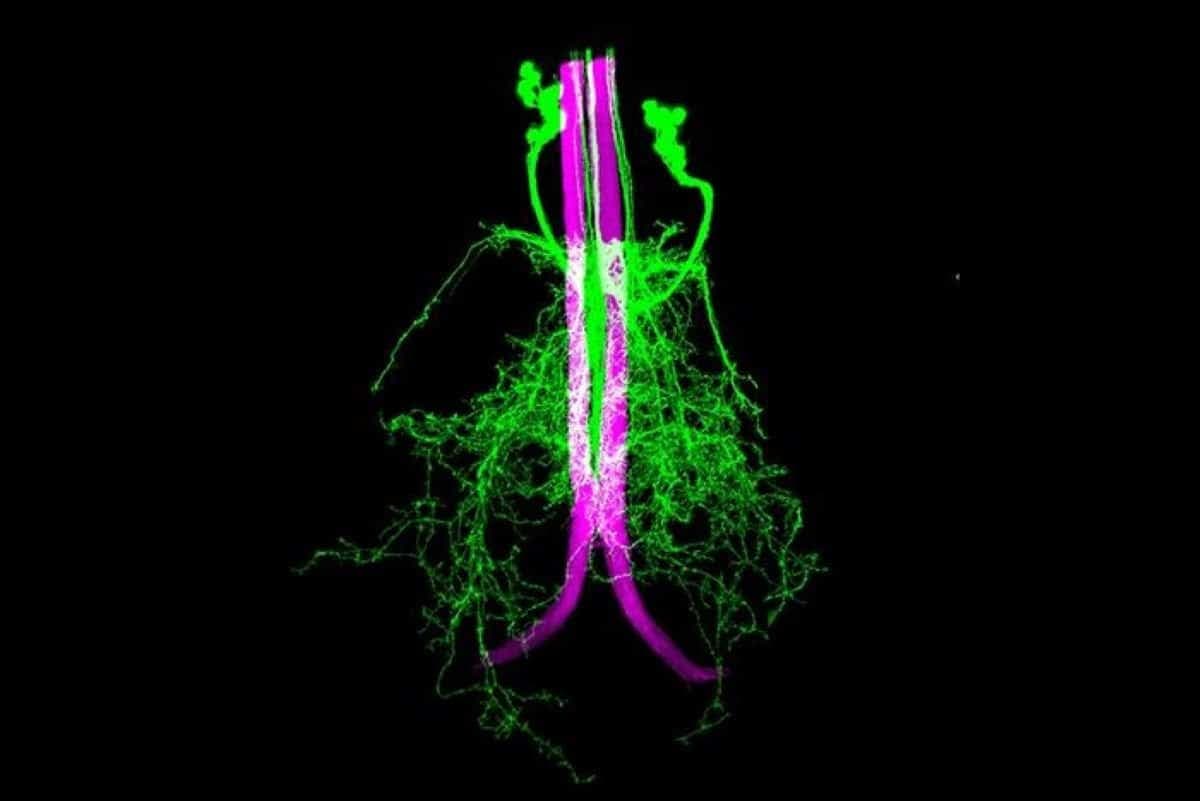
Axo-Axonic Synapses Drive Split-Second Fly Escape Reflexes
Researchers mined the high‑resolution Drosophila ventral nerve‑cord connectome and catalogued all 1,314 descending neurons, uncovering rare axo‑axonic synapses that modulate motor output. These connections, present in roughly 1 % of possible pairings, directly amplify the giant‑fiber escape pathway, delivering split‑second reflexes....