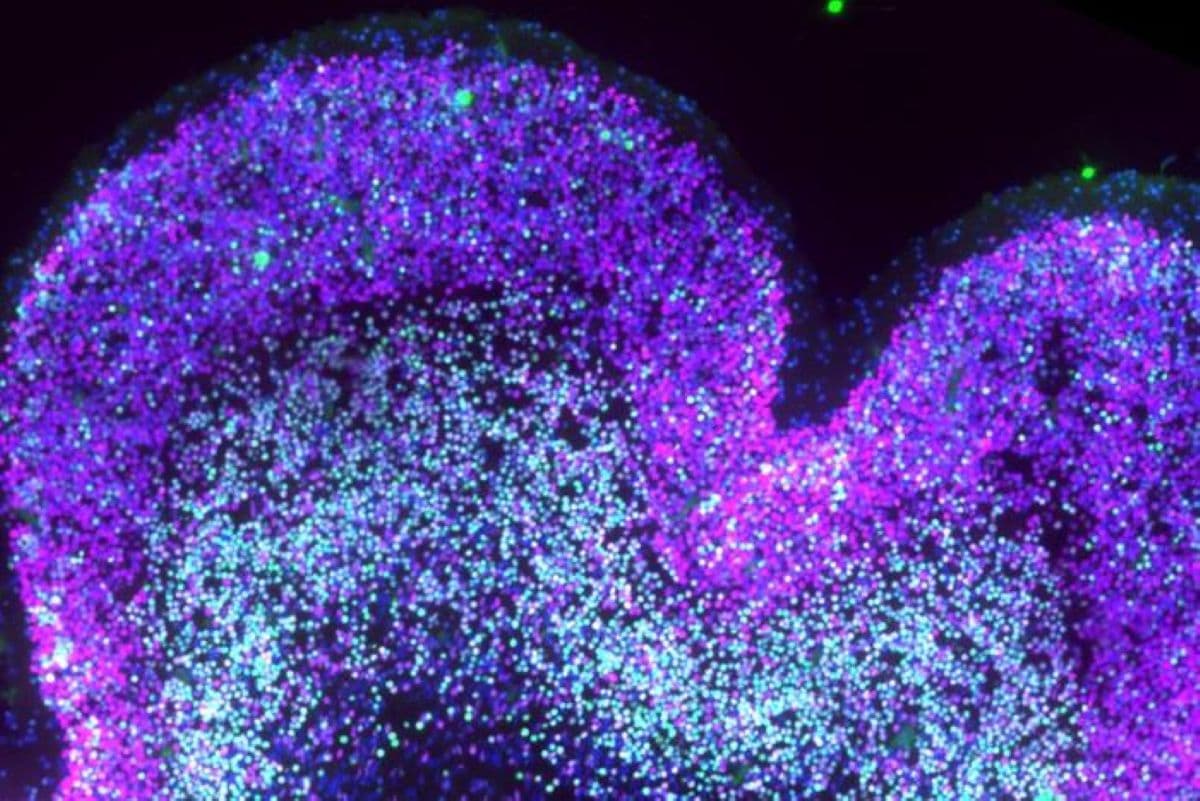
Why It Matters
The findings reveal a developmental mechanism behind the reduced brain size and cognitive profile of Down syndrome, opening new avenues for targeted prenatal therapies and broader insights into neuropsychiatric disorders.
Key Takeaways
- •DS progenitor cells differentiate early, depleting stem cell pool.
- •Upper‑layer IT neurons increase while deep‑layer CT neurons decrease.
- •Multi‑omics reveal altered metabolism and neuro‑vascular interactions.
- •Molecular changes overlap with autism, epilepsy, and developmental delay genes.
- •Provides human reference for prenatal therapies targeting neurogenesis.
Pulse Analysis
Down syndrome has long been studied through mouse models and adult brain analyses, leaving a critical gap in understanding how the disorder shapes the human brain from its earliest stages. By applying paired single‑nucleus RNA sequencing and chromatin accessibility profiling to more than 100,000 nuclei harvested from 26 genotyped prenatal donors, the UCLA team generated an unprecedented, high‑resolution map of neocortical development. This human‑centric approach eliminates the species‑specific noise that has plagued prior research, delivering a definitive baseline for how a typical cortex builds its neuronal architecture during the narrow 13‑23 week window when all cortical neurons are born.
The data reveal a striking deviation in Down‑syndrome neurogenesis: progenitor cells abandon their proliferative phase prematurely, leading to a depleted stem‑cell reservoir and an over‑representation of upper‑layer intratelencephalic (IT) neurons at the expense of deep‑layer corticothalamic (CT) neurons. Such a shift explains the smaller brain volumes and altered cognitive profiles observed in infants with the condition. Beyond cell‑type composition, the multi‑omics analysis identified dysregulated metabolic pathways and abnormal neuro‑vascular signaling, suggesting that energy supply and blood‑brain interactions may accelerate this premature differentiation. Notably, the disrupted gene‑regulatory networks intersect with risk genes for autism, epilepsy and other developmental delays, positioning Down syndrome as a valuable model for broader neuropsychiatric research.
Clinically, the study offers a roadmap for therapeutic intervention. By pinpointing specific transcription factors and pathways—such as the chromosome‑21‑encoded BACH1 regulator—that drive the early progenitor rush, researchers can explore gene‑editing or small‑molecule strategies to restore a more balanced neurogenic timeline. While translation to prenatal treatment remains distant, the human reference atlas equips drug developers and neuroscientists with actionable targets and a benchmark for evaluating candidate therapies. Ultimately, this work not only reshapes our understanding of Down‑syndrome brain development but also enriches the scientific toolkit for tackling a spectrum of intellectual‑disability and neurodevelopmental disorders.
How Down Syndrome Reshapes the Developing Brain
Comments
Want to join the conversation?
Loading comments...