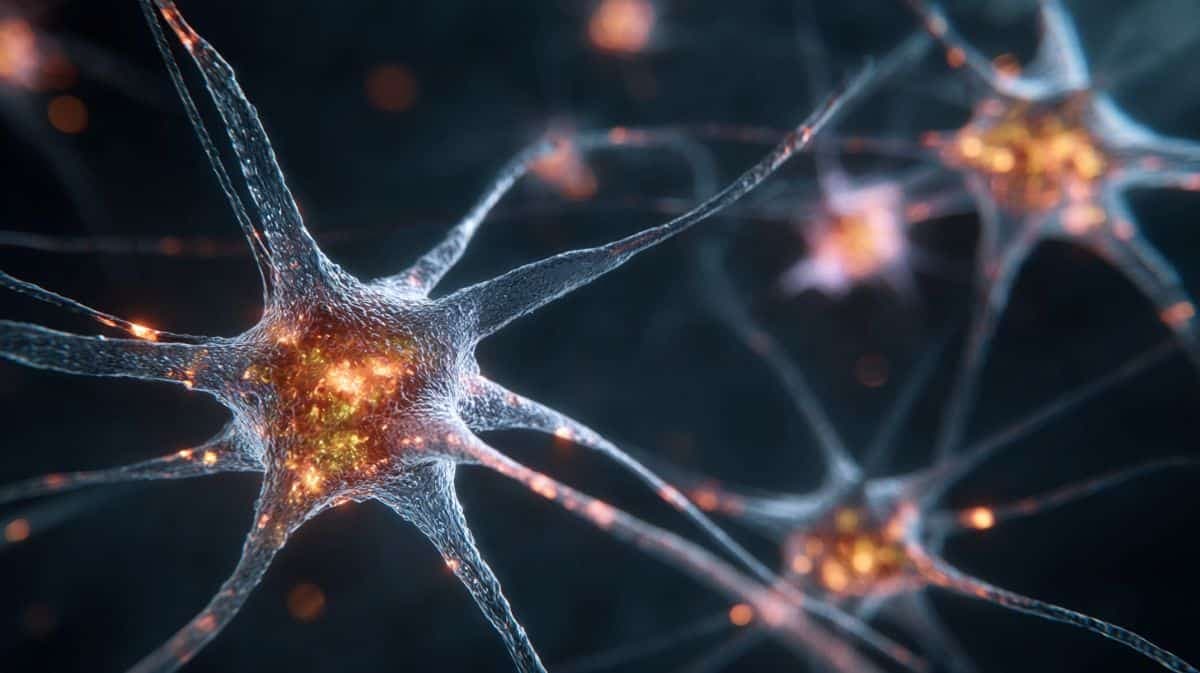
3D Bio-Hybrid Device Merges Neurons and Computing
Why It Matters
The hybrid platform bridges biology and silicon, offering a path to AI processors that consume a fraction of the power of today’s GPUs, while also opening new avenues for brain‑machine interfaces and disease modeling.
Key Takeaways
- •3D mesh lets neurons grow around electrodes, not just on surface
- •Device maintained stable recordings and stimulation for over six months
- •Trained biological network distinguished spatial and temporal electrical patterns
- •Energy use approaches brain efficiency, far below conventional AI
- •Potential path to low‑power implants for neurological disease treatment
Pulse Analysis
Neuromorphic computing has long chased the brain’s remarkable energy efficiency, yet silicon‑based AI chips still draw megawatts to train large models. The Princeton team’s bio‑hybrid device sidesteps this gap by letting living neurons perform the core computation, leveraging the brain’s natural low‑power signaling. By embedding a flexible, microscopic metal mesh within a three‑dimensional culture, the researchers created a scaffold that mimics the brain’s extracellular matrix, allowing neurons to form authentic three‑dimensional connectivity while remaining electrically accessible.
The technical breakthrough lies in the device’s durability and granularity. Over a six‑month period the system recorded action potentials across multiple planes and delivered targeted stimulation, enabling synaptic plasticity to be programmed much like weight updates in artificial networks. Pattern‑recognition tests showed the biological network could reliably differentiate both spatial and temporal pulse sequences, effectively acting as a reservoir computer. This level of control and long‑term stability has been elusive in prior two‑dimensional cultures, marking a significant step toward scalable biocomputing platforms.
Beyond energy savings, the technology hints at transformative medical applications. A flexible, implantable mesh that can both read and write neural activity could serve as a high‑resolution interface for treating disorders such as epilepsy or Parkinson’s disease. As the field moves toward integrating living tissue with electronics, investors and AI developers alike will watch for scaling milestones that could redefine the economics of compute‑intensive workloads while opening a new frontier in neurotechnology.
3D Bio-Hybrid Device Merges Neurons and Computing
Comments
Want to join the conversation?
Loading comments...