
Recent Posts
News•Mar 2, 2026
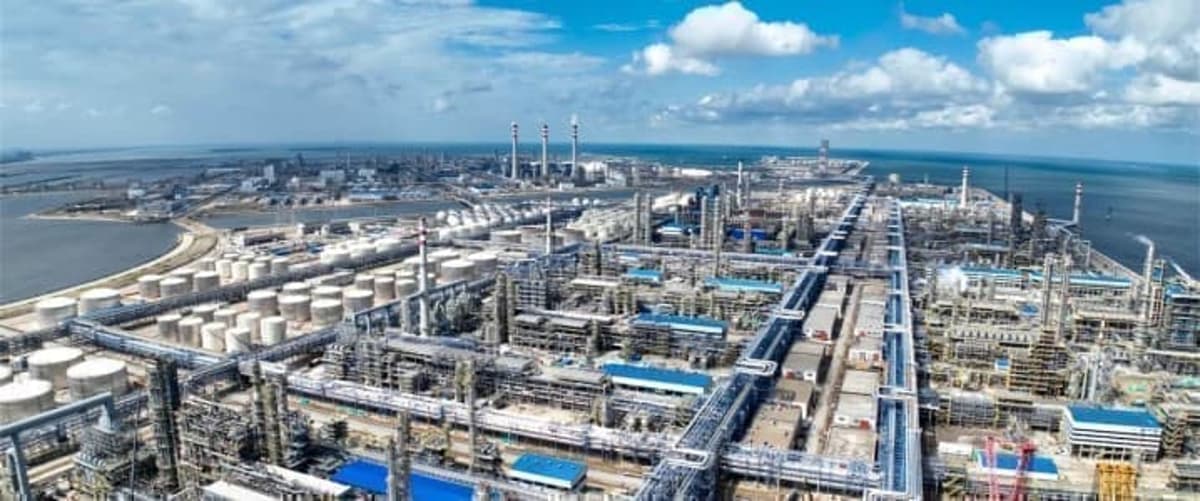
China’s Oil Buying Spree May Be Running Out of Steam
China’s oil imports reached a record 11.55 million barrels per day in 2025, a 4.4% increase over the prior year, driven by aggressive stockpiling and expanded storage capacity. While the country continues to buy discounted Russian crude and benefits from Saudi price cuts, rising Brent prices and surging VLCC freight rates are beginning to temper demand. Analysts expect imports from Africa and the Middle East to decline from April onward as higher logistics costs and tighter pricing erode margins. Nevertheless, China’s buying power keeps it a key price‑setter in the global market.
By OilPrice.com – Main
News•Mar 1, 2026
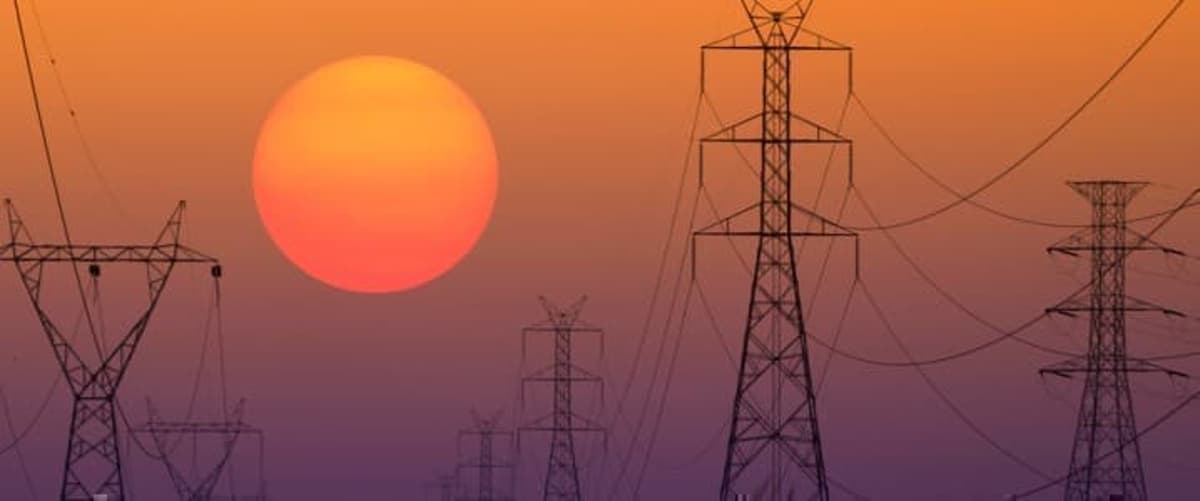
Middle Eastern Oil Giants Accelerate Multibillion-Dollar Clean Energy Push
Middle Eastern oil powerhouses, led by the UAE and Saudi Arabia, are accelerating multibillion‑dollar clean‑energy programs that span solar, wind, nuclear, and green‑hydrogen. The region’s renewable capacity is set to surge, with solar projected to grow ten‑fold and nuclear output...
By OilPrice.com – Main

News•Feb 28, 2026
How America’s Action in Venezuela Guaranteed Guyana’s Oil Future
U.S. forces captured Venezuelan President Nicolas Maduro in a January 2026 raid, removing the military threat to Guyana’s Essequibo region and clearing the path for the country’s oil expansion. Guyana’s offshore Stabroek Block, operated by ExxonMobil with Chevron and CNOOC,...
By OilPrice.com – Main

News•Feb 27, 2026
Germany Plans to Scrap Subsidy for Small-Scale Rooftop Solar
Germany plans to abolish fixed feed‑in tariffs for rooftop solar installations under 25 kW starting in 2027, arguing that falling equipment costs now make small systems economically viable without subsidies. The draft proposal, seen by Bloomberg, would shift policy emphasis toward...
By OilPrice.com – Main

News•Feb 26, 2026
Trump’s Secret Weapon in the Rare Earth War
China’s decades‑long dominance of rare‑earth processing is being challenged as the United States and allies pour over $8.5 billion into reshaping the supply chain. REAlloys Inc. has become the only North‑American company that can convert rare‑earth concentrates into metals and alloys,...
By OilPrice.com – Main

News•Feb 26, 2026
5 European Oil Stocks To Buy As Iran Risk Premium Boosts Oil Prices
Geopolitical tensions between the United States and Iran have added a sizable risk premium to oil, pushing Brent into the low‑70s and sparking forecasts of $100 per barrel if conflict escalates. The surge has lifted the STOXX Europe 600 Oil...
By OilPrice.com – Main
News•Feb 26, 2026
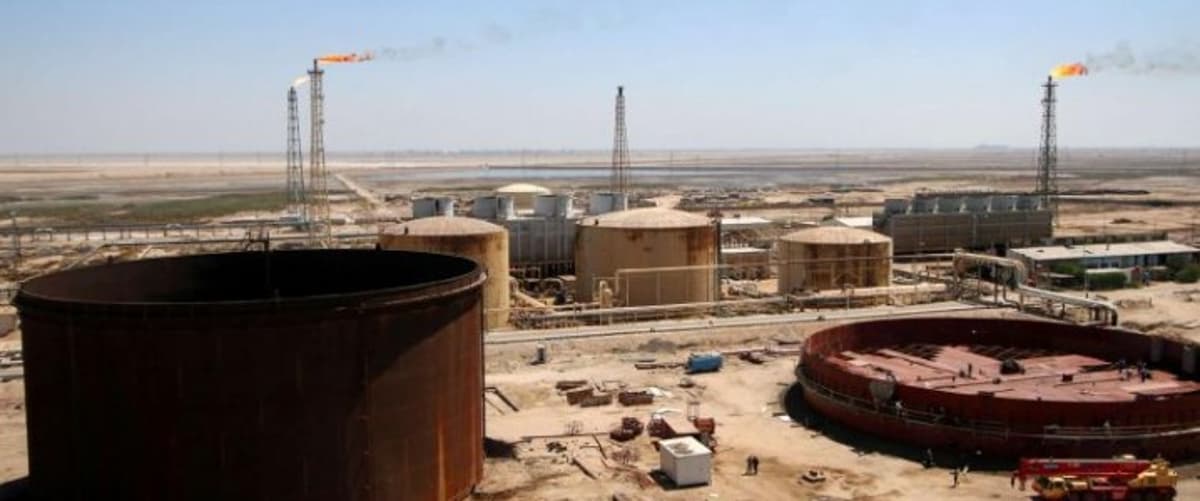
Turkey and BP Reshape the Balance of Power in Northern Iraq
Turkey’s state‑owned TPAO and Britain’s BP have signed a comprehensive oil and gas cooperation agreement targeting Iraq’s Kirkuk basin. TPAO aims to lift 500,000 barrels per day by 2028, while BP’s initial target is 328,000 barrels per day, with plans...
By OilPrice.com – Main
News•Feb 24, 2026
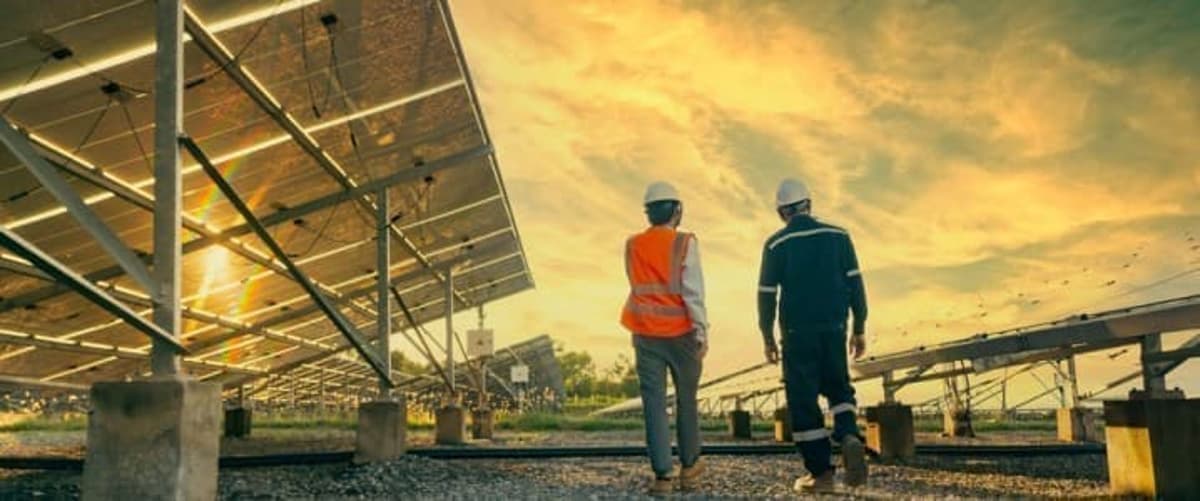
Clean Energy Markets Face a Volatile Year Despite Record Global Investment
Global renewable‑energy investment hit a record $386 billion in 2025, driven by offshore wind and small‑scale solar in emerging markets. In the United States, clean‑energy funding slumped sharply in Q4, falling 36 percent after the Biden‑era EV tax credit was eliminated, resulting...
By OilPrice.com – Main

News•Feb 24, 2026
How the EU Could Unlock 22 Trillion Cubic Feet of Barents Gas
The European Union is reviewing its Arctic policy, and a tighter definition could unlock the Barents Sea’s estimated 22 trillion cubic feet of gas. Norway’s offshore fields could then supply 20‑30% of EU gas demand through 2050, offering a lower‑emission alternative...
By OilPrice.com – Main

News•Feb 24, 2026
U.S. Energy Dominance Push Collides with EU Methane Rules
U.S. Energy Secretary Chris Wright urged the IEA to refocus on energy security, coinciding with a federal push to boost oil and gas exports, especially LNG to Europe. The EU, facing record LNG imports and only 30% gas reserves, has...
By OilPrice.com – Main
News•Feb 23, 2026
India’s Carbon Capture Moment Has Arrived
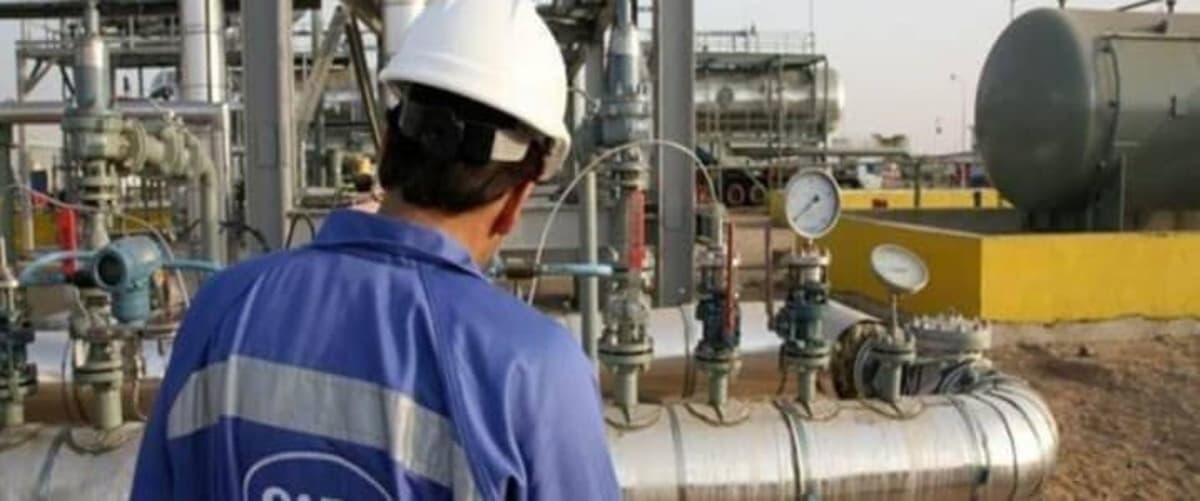
India’s 2026‑27 Union Budget earmarked roughly $2.4 billion (₹20,000 crore) for a national carbon capture, utilisation and storage (CCUS) programme targeting steel, cement and other heavy‑industry emitters. The funding marks a shift from research‑only projects to a full‑scale industrial strategy, driven by...
By OilPrice.com – Main
News•Feb 22, 2026
EU Names Azerbaijan a Cornerstone of Europe’s Post-Russia Energy Map
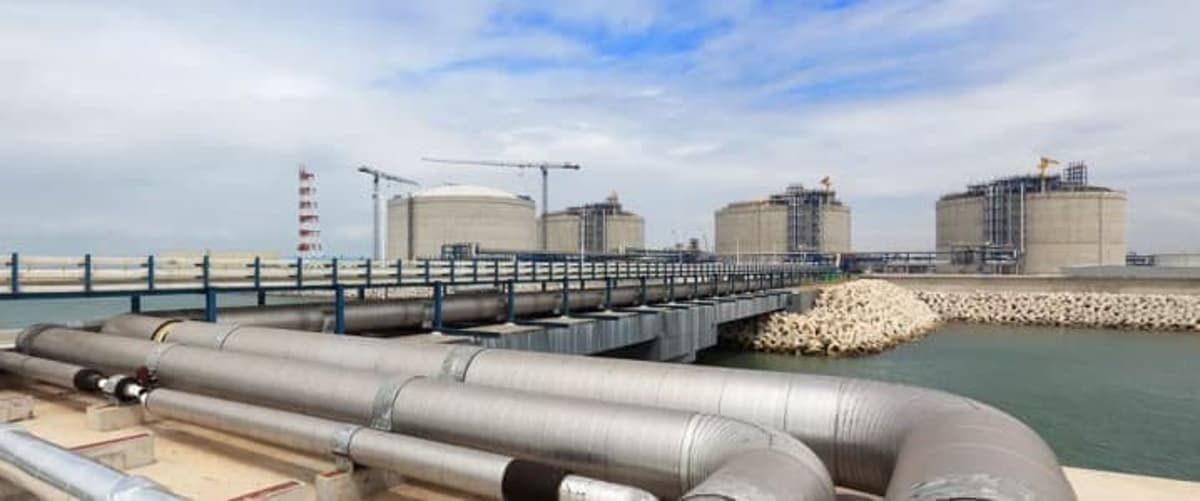
The European Union has designated Azerbaijan as a cornerstone of its post‑Russia energy strategy, pledging to double gas imports to 20 bcm per year by 2027 through the Southern Gas Corridor. Azerbaijan’s gas exports to Europe surged 60% to 12.9 bcm in...
By OilPrice.com – Main
News•Feb 22, 2026
Romania About to Break Ground on Biggest Solar Farm in Europe
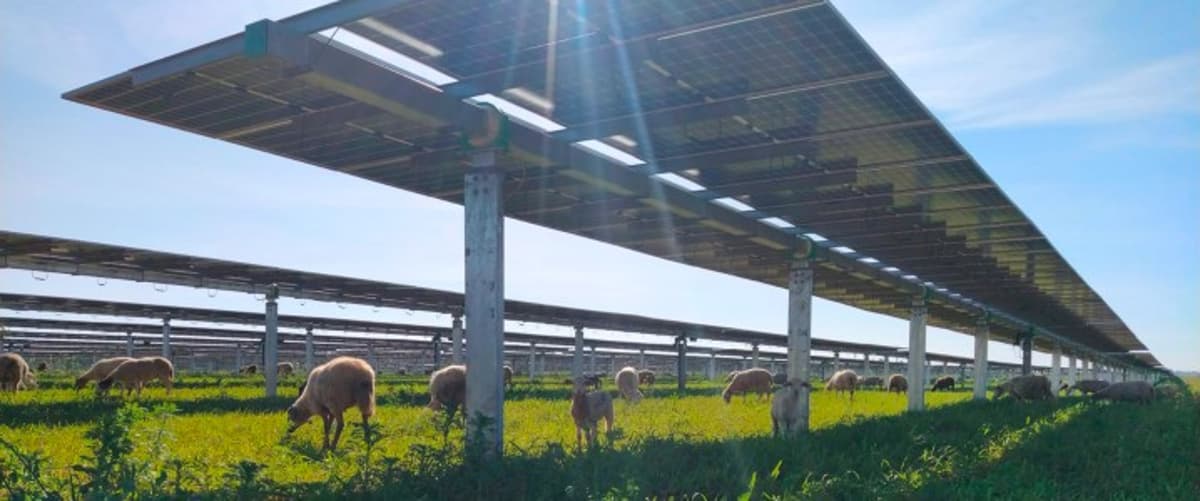
Romania is set to break ground on a 760 MW solar farm outside Bucharest, poised to become Europe’s largest single‑site solar installation. The country’s total solar capacity is projected to exceed 7 GW by early 2026 and reach 8.2 GW by 2030, supporting...
By OilPrice.com – Main
Deals•Feb 22, 2026
Scatec Secures €34M Debt Financing From EIB and EBRD for 190 MW Romanian Solar Project
Scatec announced it has reached financial close for a 190 MW solar power project in Romania, backed by a €34 million loan from the European Investment Bank and the European Bank for Reconstruction and Development. The financing will enable construction of the...
OilPrice.com – Main

News•Feb 21, 2026
Petro's Policies Are Decimating Colombia's Natural Gas Industry
Colombia’s proven natural‑gas reserves have slumped to just over two trillion cubic feet, giving the country less than six years of production life. President Gustavo Petro’s policies—halting new exploration contracts and raising extractive taxes—have sharply curbed foreign investment and accelerated...
By OilPrice.com – Main

Deals•Feb 17, 2026
Berkshire Hathaway's PacifiCorp Sells Washington Assets for $1.9 Billion
Berkshire Hathaway's utility subsidiary PacifiCorp announced the sale of its Washington state assets for $1.9 billion. The transaction marks a significant divestiture for the utility, though the buyer was not disclosed in the announcement.
OilPrice.com – Main