
There's Enough Hydrogen Underground to Power Earth for 170,000 Years
Scientists estimate Earth holds enough naturally occurring geologic hydrogen to satisfy global energy demand for roughly 170,000 years. The U.S. Department of Energy projects extraction could cost under $1 per kilogram, dramatically cheaper than today’s green‑hydrogen price of $3.50‑$6.00/kg. Research published in Nature Reviews highlights the Canadian Shield as a prime, economically viable deposit, prompting startups like Vema Hydrogen to begin test drilling in Quebec. While the resource promises a low‑cost, carbon‑free fuel, large‑scale extraction still faces significant technical and financing hurdles.
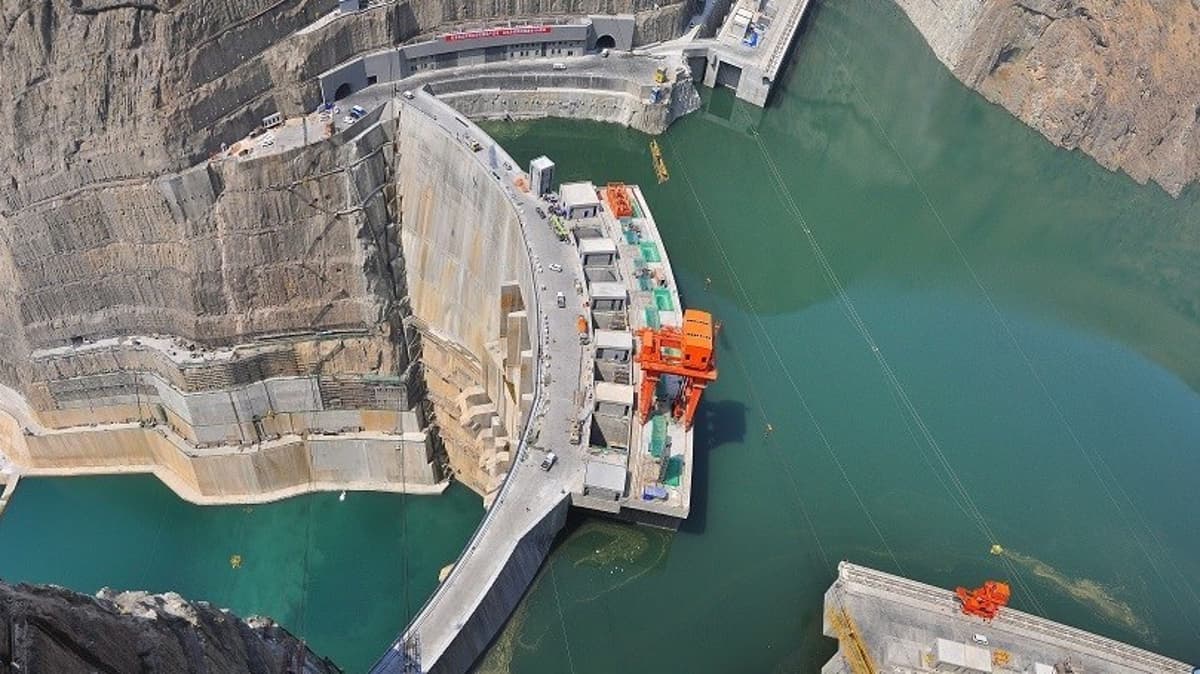
The Next Stranded Asset Crisis Could Hit Utilities
Utilities, long‑seen as safe dividend payers, face a looming stranded‑asset crisis as cheaper renewables, battery storage, and climate‑driven water infrastructure costs erode traditional rate‑base models. Rising capital expenditures and high debt ratios mean cash flow rarely covers spending, forcing regulators...
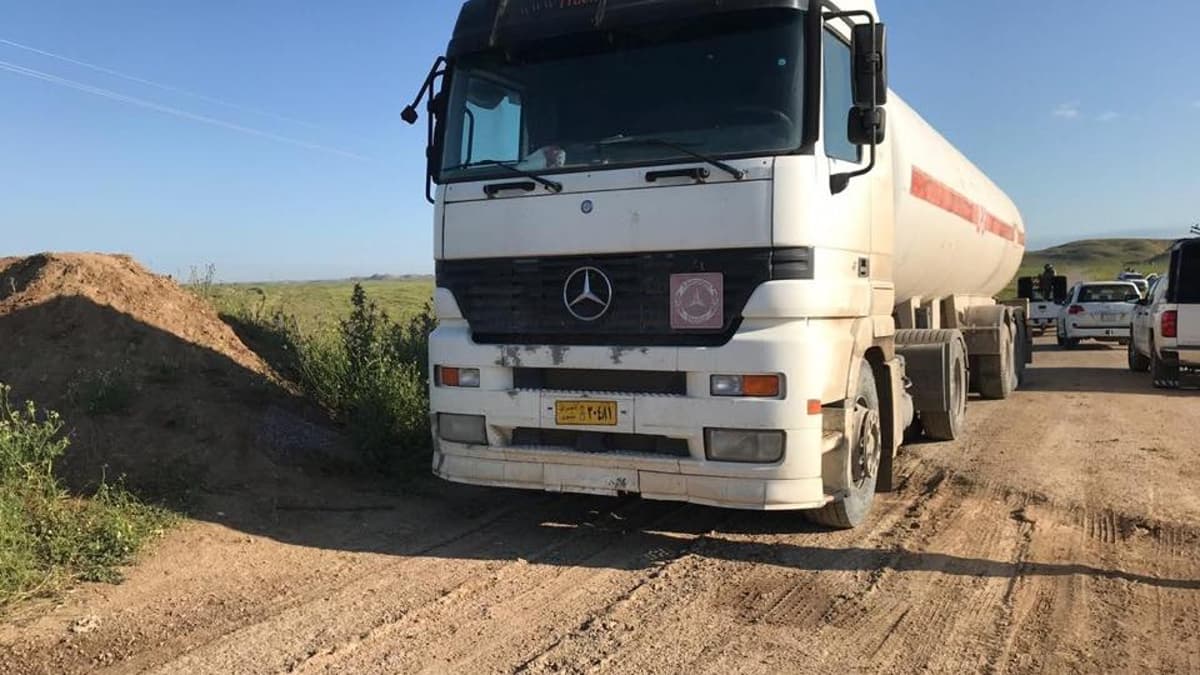
The Iran War’s First 90 Days Upended Energy Markets
The U.S.-Israeli strikes on Iran have triggered the largest oil and LNG supply shock in history, wiping out roughly 1 billion barrels of crude and condensate in the first 90 days. The de‑facto closure of the Strait of Hormuz cut about...
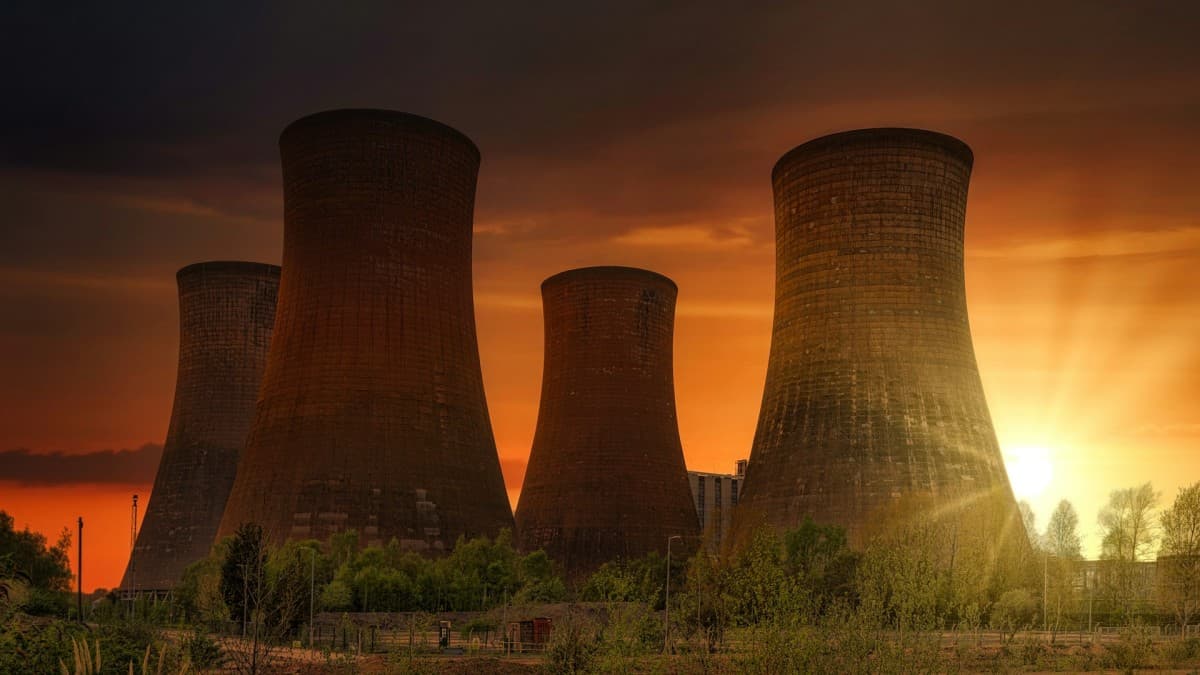
Britain’s Nuclear Renaissance Faces Mounting Cost Pressures
Britain is pushing ahead with two flagship nuclear projects—Sizewell C and Hinkley Point C—to meet a 24 GW capacity goal by 2050. Sizewell C, slated for late‑2030s operation, carries a £38 million ($48 m) development cost and £14.2 bn ($18 bn) of public investment, while Hinkley Point C’s budget has ballooned...
Spent Nuclear Fuel Could Be America's Answer to Russia's Uranium Grip
BLSK Energy has signed a Cooperative Research and Development Agreement with Argonne National Laboratory to commercialize pyroprocessing, a high‑temperature technique that extracts reusable fuel from spent nuclear waste. The United States holds roughly 95,000 tonnes of spent fuel, a liability that...
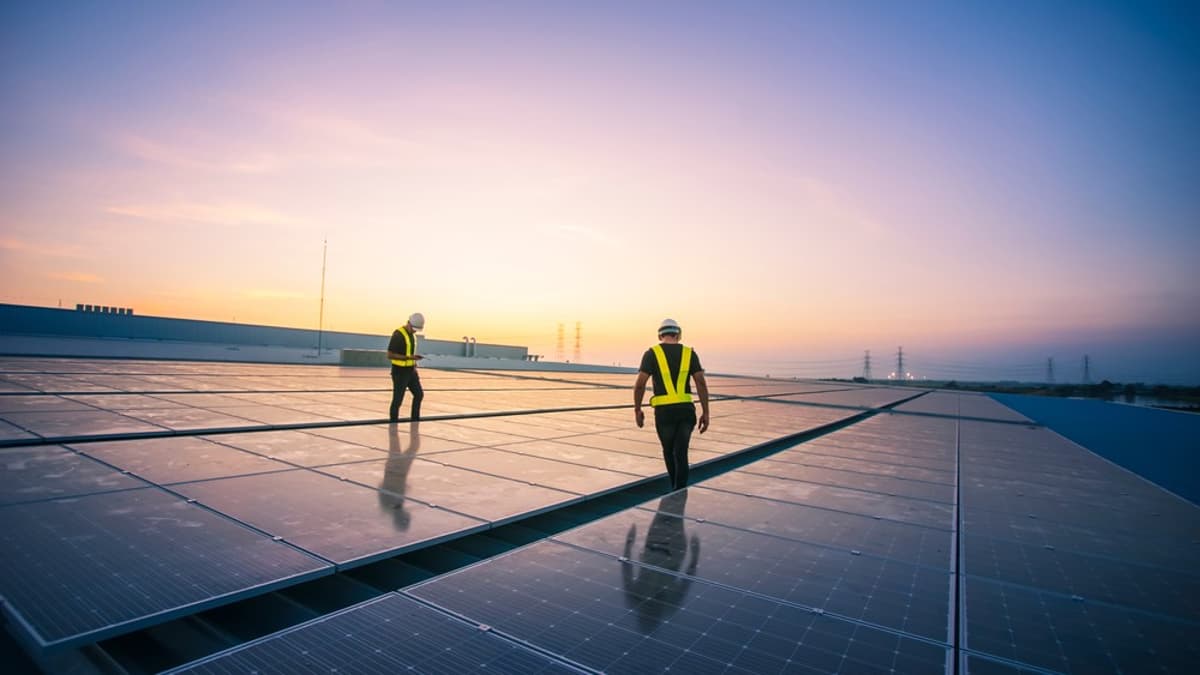
The Race to Build the World’s Largest Solar Farms Is Accelerating
Developers worldwide are racing to construct giga‑scale solar farms, with China’s 16.9 GW Talatan Solar Park, California’s proposed 21 GW project, and India’s 30 GW Khavda Renewable Energy Park leading the push. Falling photovoltaic prices and rising panel efficiency are making these massive...

America’s LNG Boom Is Real — But China Is Planning Beyond It
The Iran‑Israel strikes that shut roughly 20% of global LNG flow have sparked a sharp surge in U.S. gas prices and exports. In April, U.S. LNG shipments to Asia jumped about 25%, backed by $100 billion of private investment aimed at...

Cuba Bets on Solar Power as Energy Crisis Deepens
Facing chronic blackouts and fuel shortages, Cuba is accelerating a renewable energy push to cut its reliance on imported oil. The government has opened private‑sector participation, introduced a mixed limited‑liability company law, and granted tax exemptions for solar‑panel imports. Chinese‑backed...
Morocco Is Emerging as a Renewable Energy Superpower
Morocco has lifted its renewable‑energy capacity to about 5.5 GW, representing roughly 45 % of its total power mix, and is targeting 52 % by 2030. The Moroccan Agency for Sustainable Energy (MASEN) and utility ONEE plan to add another 4.4 GW of solar...

How a Regional Gulf Coast Port Became America's Crude Oil Export Capital
The Port of Corpus Christi has become the United States’ largest crude‑oil export hub, moving over two million barrels per day since the 2015 lift of the export ban. Its geographic proximity to the Permian Basin and the Eagle Ford pipeline gave...

Colombia’s Oil Industry Faces a Defining Election in 2026
Colombia’s oil and gas output has slumped to historic lows under President Gustavo Petro’s left‑wing agenda, which banned new exploration contracts and restricted fracking. The 2026 presidential race pits Petro‑aligned candidate Iván Cepeda, who favors a gradual energy transition, against...
Vanadium Batteries Could Break Lithium's Grip on Energy Storage
Vanadium redox flow batteries (VRFBs) offer safer, longer‑lasting utility‑scale storage but still cost up to $500 per kWh, a barrier to widespread adoption. Their liquid‑electrolyte design separates energy from power, allowing underground tanks and flexible heat‑management layouts. While VRFBs have...

U.S. Scores Major Rare Earth Win With Greenland Deposit Deal
REalloys (NASDAQ: ALOY) signed a definitive 15‑year offtake agreement for 15% of Phase 1 production from the Tanbreez heavy‑rare‑earth deposit in southern Greenland, securing dysprosium and terbium for U.S. defense applications. The deal expands REalloys' feedstock network as it builds the...
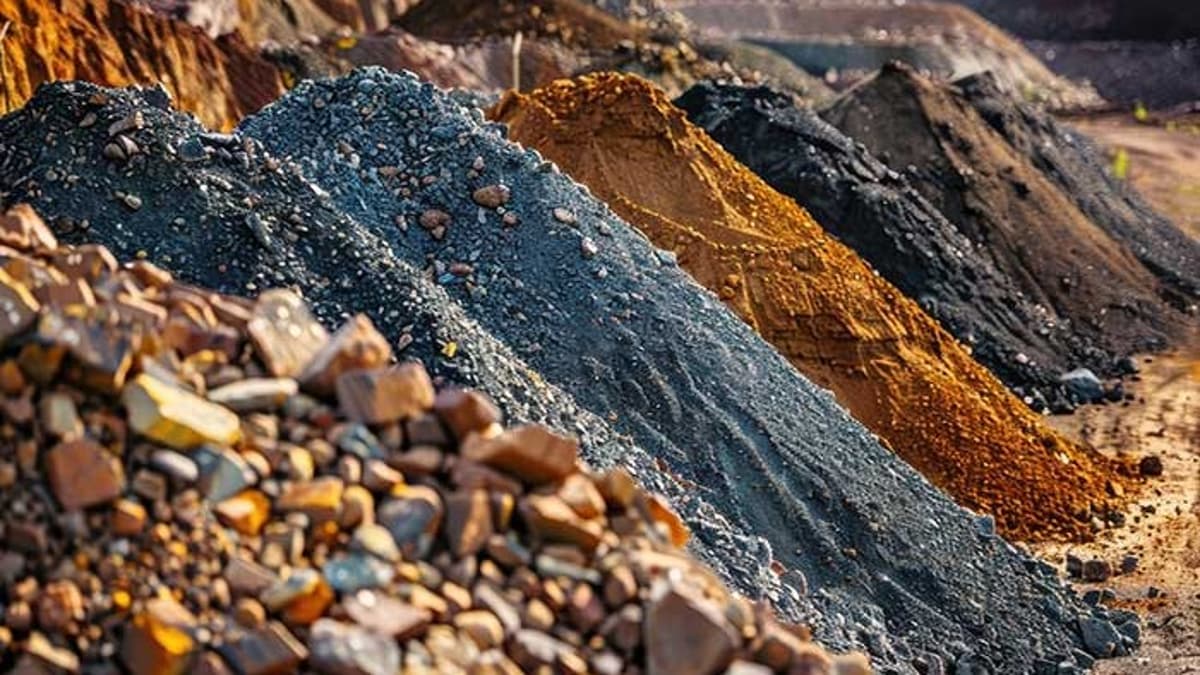
China Keeps Rare Earth Pressure on Washington After Trump Summit
China’s rare‑earth export restrictions remain largely intact despite the Trump‑Xi summit, keeping heavy rare earths such as dysprosium, terbium and yttrium at roughly 40‑50% of pre‑restriction volumes. The United States is accelerating domestic supply‑chain projects, highlighted by a $400 million DoD...
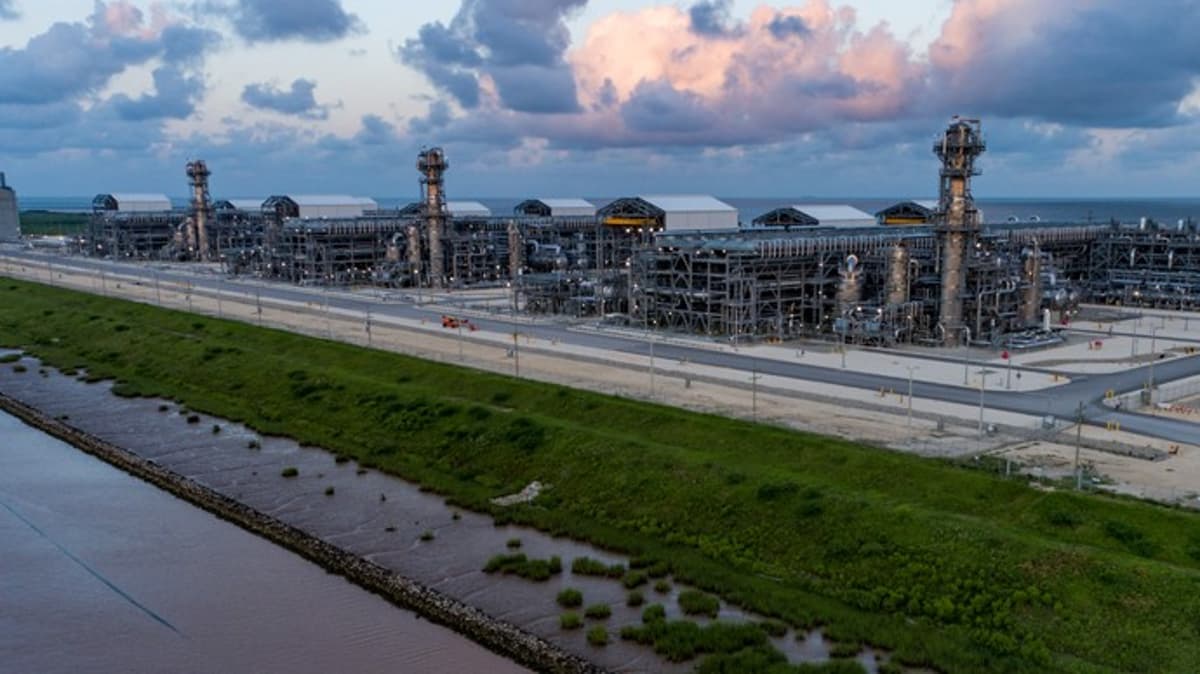
Middle East Crisis Accelerates U.S.-Thailand LNG Supply Talks
The Iran‑Israel war and the closure of the Strait of Hormuz have halted Qatari LNG exports, trapping roughly 20% of global LNG flows. Thailand, Southeast Asia’s top LNG importer, is fast‑tracking long‑term supply talks with U.S. exporters, notably Venture Global...