
China’s Return to the Energy Market Could Become the Next Global Price Shock
China’s sharp cut in oil and LNG imports has acted as a temporary stabiliser for global energy markets, but analysts warn the pause cannot be sustained. Crude imports fell to about 6.6 million bpd in May, the lowest level since 2016, while strategic reserves of roughly 1.4 billion barrels have been drawn down. Within the next three months Beijing is expected to rebuild inventories, a move that could push Brent back to $120‑130 per barrel and tighten Asian LNG supplies. The resurgence would reignite competition for cargoes across Europe and Asia.

How U.S. Control of Venezuelan Oil Is Reshaping Asian Energy
The Trump administration seized control of Venezuela’s roughly 303 billion barrels of proven reserves after capturing President Maduro, and is now pushing the crude back into global markets. In the latest quarter, Venezuelan shipments to India jumped about 50%, making Caracas the...
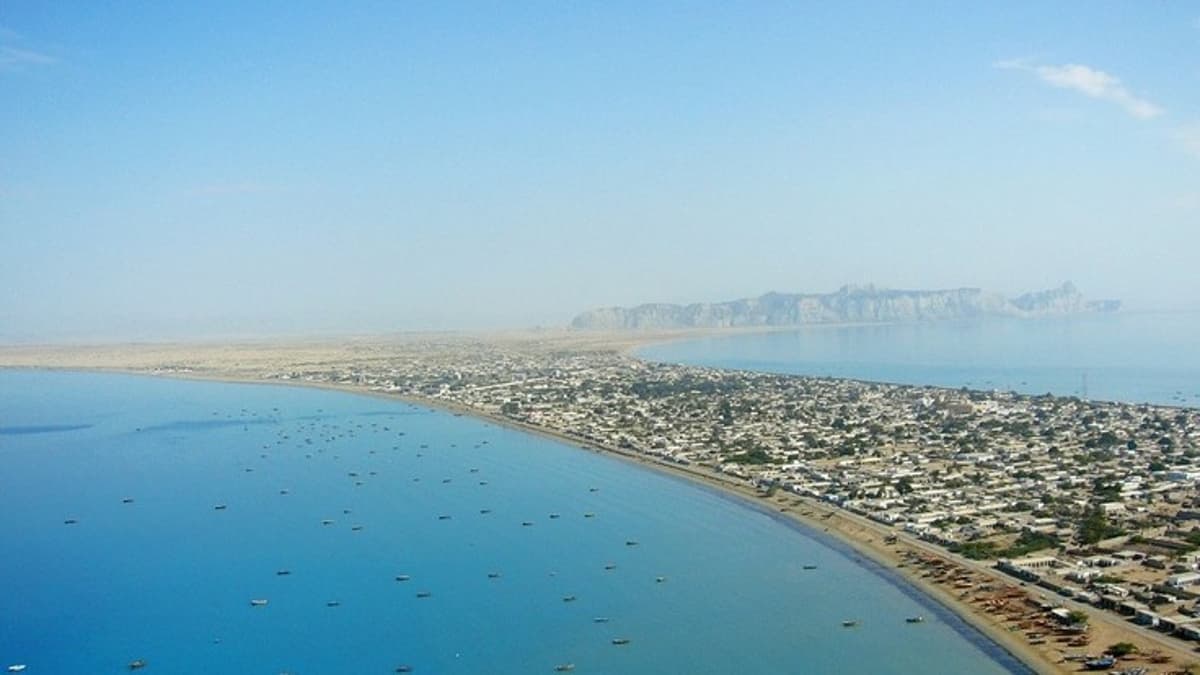
Gulf Shipping Crisis Fuels New Eurasian Corridors
U.S. and Israeli strikes on Iran have crippled ship traffic through the Strait of Hormuz, prompting regional powers to accelerate overland trade corridors across Eurasia. Pakistan announced six new overland routes to Iran and is courting a role as a...

Russia Threatens New Strikes on Kyiv as It Urges Americans to Leave
Russia escalated its campaign against Ukraine by warning of systematic strikes on Kyiv and urging the United States to evacuate its diplomats and citizens. The threat follows a massive drone and missile barrage that killed three people and the launch...
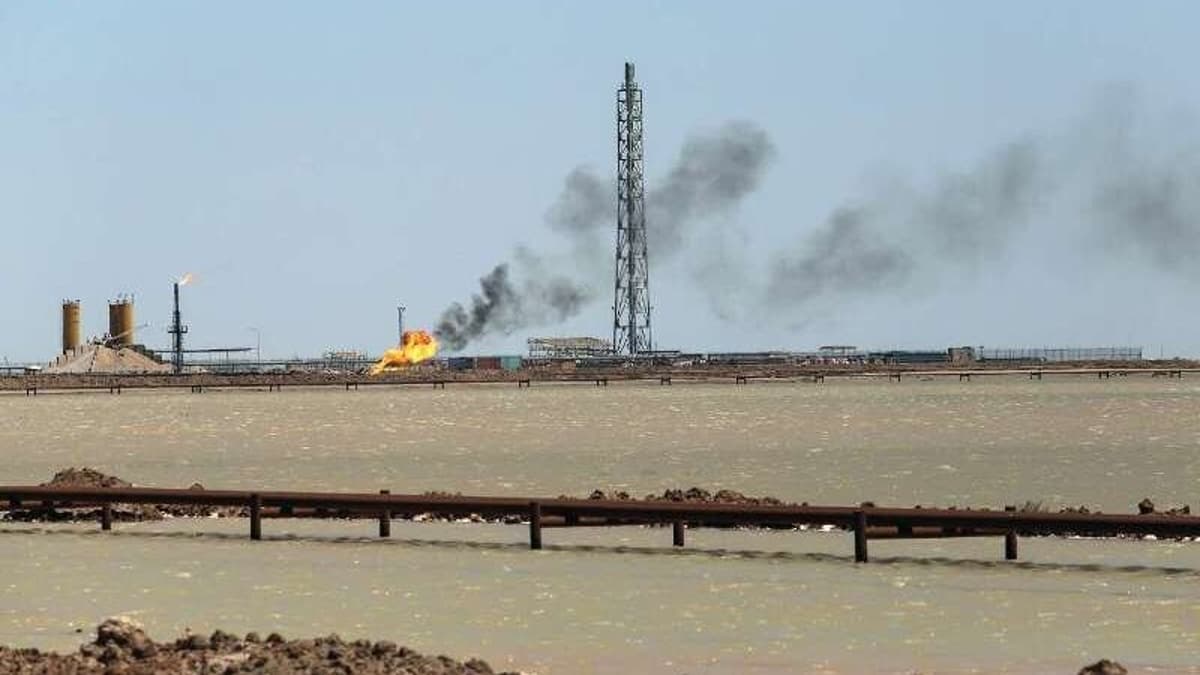
Trump’s Iran Signals Send Oil Markets Into Chaos
U.S. President Trump’s tentative framework with Iran and subsequent strikes triggered a dramatic swing in crude markets, with Brent plunging 6% before rebounding to around $100 per barrel. The volatility coincides with a looming Super Niño that could raise LNG demand,...
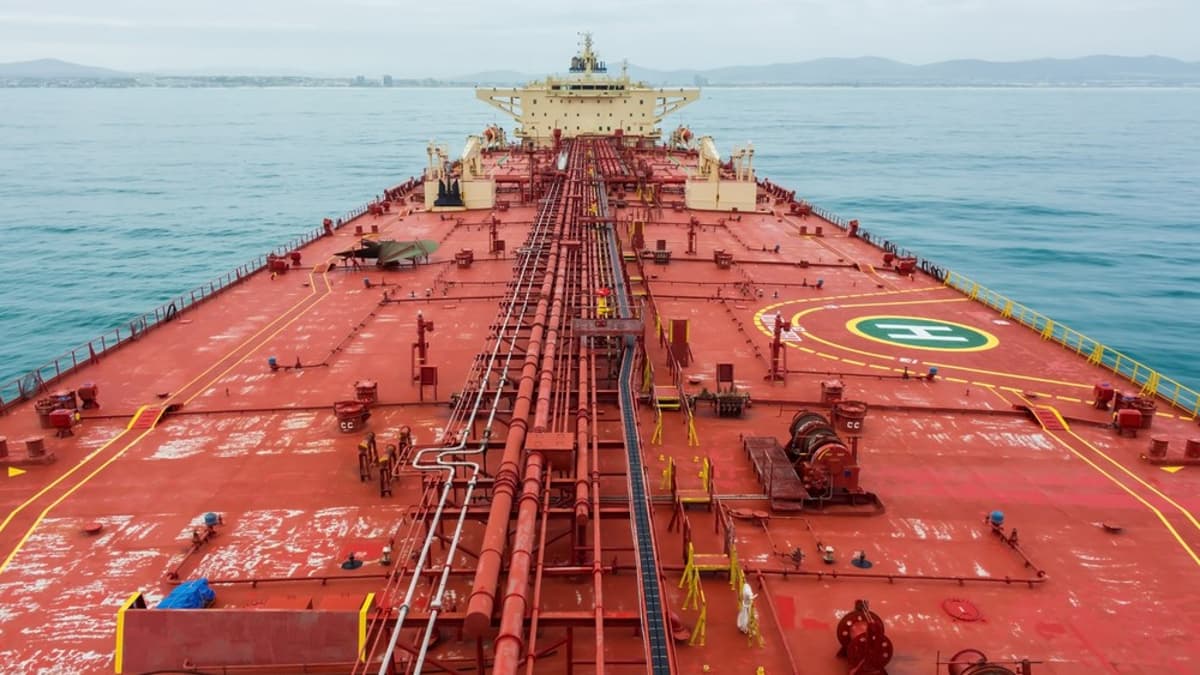
Why Hasn’t Oil Hit $150?
Oil prices have risen to just over $100 a barrel three months after the Strait of Hormuz was fully closed, far short of the $150 many expected. The restraint is due to unusually high global inventories, floating storage, and OPEC’s...
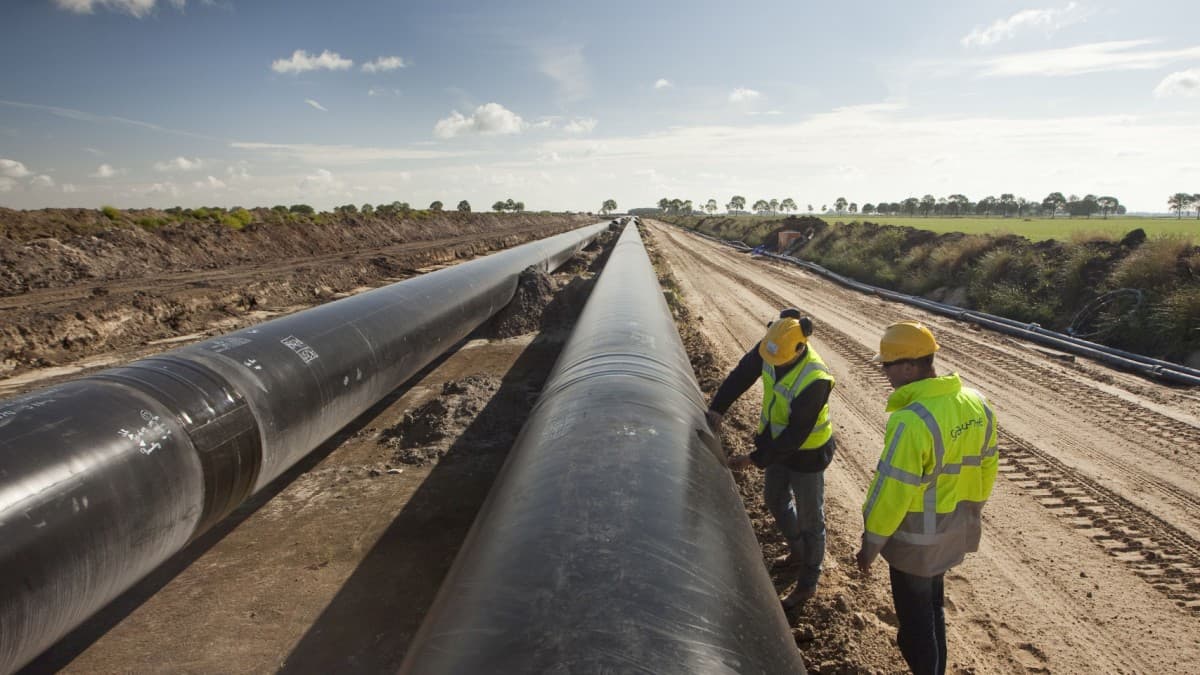
European Gas Storage Can’t Survive 3 More Months of Hormuz
Europe’s gas storage sits at only 35‑37% of capacity, far short of the 50% seasonal norm and the EU’s 80‑90% winter target. A prolonged 1‑3‑month disruption in Hormuz shipping could push Dutch TTF prices to €90/MWh (about $98/MWh), forcing industrial...
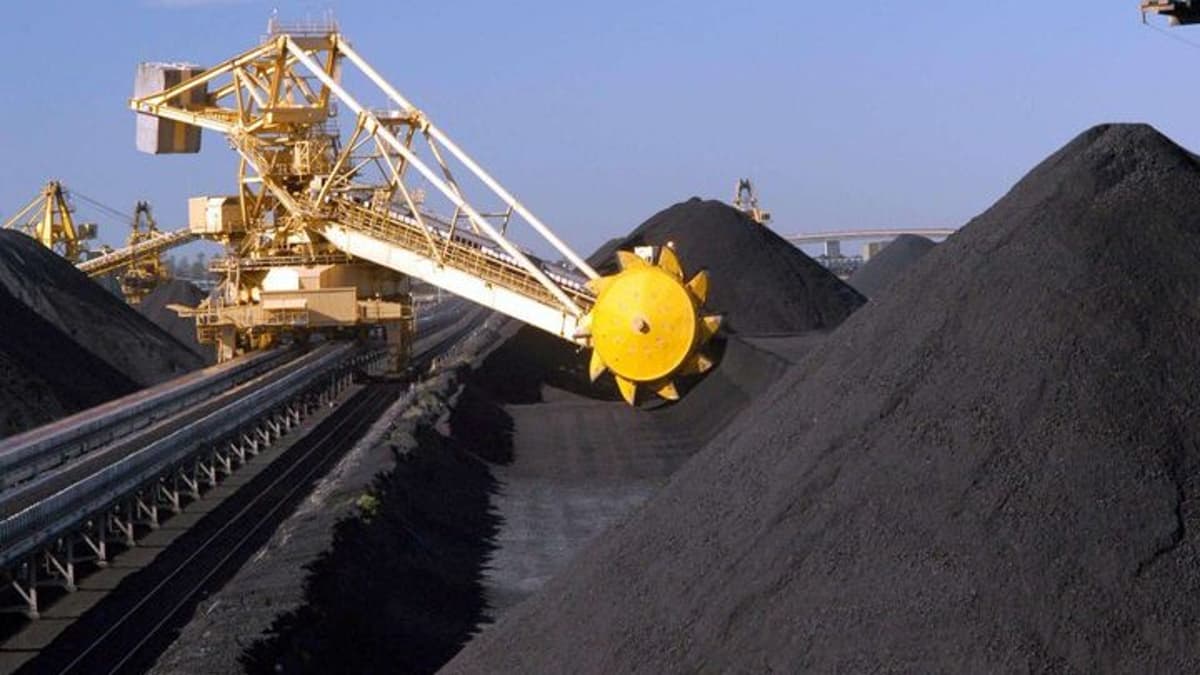
Coal Is Fueling China’s Next Energy Power Play
China is rapidly expanding coal‑to‑chemicals and coal‑to‑gas projects as soaring oil and gas prices make coal a cheaper domestic feedstock. The strategy is paying off: PetroChina aims for 30 billion m³ of rock‑gas by 2035 and the sector’s stocks surged 30% after...

1 In 4 Cars Sold Globally Is An Electric Vehicle
Global electric‑vehicle (EV) sales reached 21 million units in 2025, more than doubling the 2022 figure. This surge lifted EVs to 25 percent of all passenger‑car sales worldwide, up from just 2 percent in 2018. China drove the trend, delivering over 13 million EVs...

Australia’s LNG Industry Warns Policy Uncertainty Is Hurting Investment
Australian LNG producers are urging the federal and state governments to accelerate project approvals, maintain fiscal stability, and avoid new taxes to secure investment. The ongoing Iran‑U.S. conflict and the disruption of Qatari LNG exports have created a supply gap...

Norway Doubles Down on Oil and Gas as Europe Scrambles for Supply
Norway announced a renewed push to expand oil and gas output, pledging to reopen three North Sea gas fields by the end of 2028 and keep production near 2025 levels. The move follows supply disruptions caused by the closure of...

EU's 20th Sanctions Package Forces Kyrgyzstan's Hand on Russia Trade
The European Union’s 20th sanctions package labeled Kyrgyzstan a country of concern after an 800% surge in specialized electronics imports, many linked to drone production, suggested the Central Asian state was facilitating Russia’s war‑economy. In response, Kyrgyzstan’s Justice Ministry suspended...
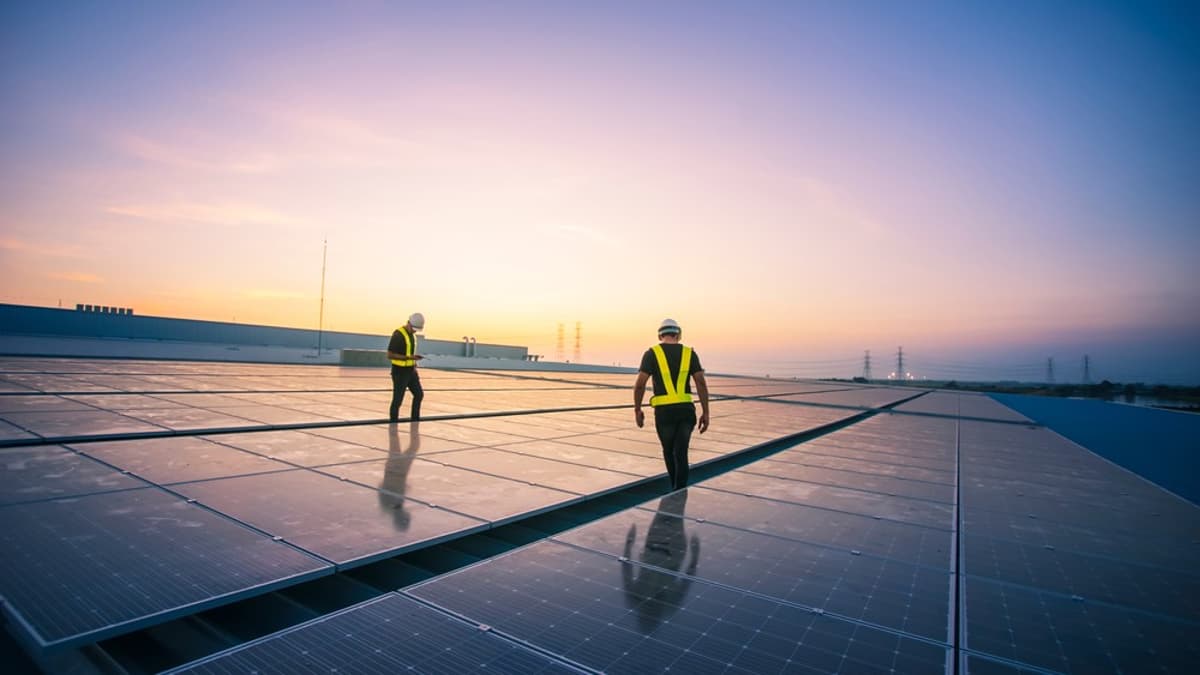
Soaring Energy Prices Are Driving a Home Solar Boom
Rising oil and gas prices after the Iran conflict are driving a surge in residential solar installations across the U.K. and the United States. Falling panel and battery costs, combined with government incentives, have made rooftop PV more affordable, with...
Colombia's Natural Gas Crisis Deepens as Strait of Hormuz Closure Cuts Supply
Colombia’s natural‑gas supply gap is widening as global LNG markets tighten after the Strait of Hormuz closure. Domestic output fell 15% year‑over‑year to 700 million cubic feet in March 2026, while reserves slipped to 2 trillion cubic feet, enough for just 5.9...

AI Could Unlock $500 Billion for Oil and Gas Producers by 2030
Rystad Energy estimates that artificial intelligence and digitalization will unlock roughly $500 billion in cumulative value for upstream oil and gas producers between 2026 and 2030. The upside stems from cost cuts, higher production uptime and faster development cycles, with cost...

Oil Markets Ignore Red Flags as Global Energy Crisis Deepens
Global oil markets remain under pressure as a historic U.S. inventory drawdown failed to lower Brent, which stays near $105 per barrel. OPEC+ members are set to raise output by 188,000 barrels per day despite a 10‑million‑barrel decline from Gulf...

Scientists Unveil ‘DNA Battery’ That Charges Directly From The Sun
Scientists at UC Santa Barbara have created a liquid solar battery that mimics DNA’s pyrimidone molecule to capture sunlight, store it chemically for months or years, and release it as heat on demand. The molecular system achieves an energy density...

How 3D Printing Could Unlock America’s Untapped Hydropower
Researchers at Oak Ridge National Laboratory and Wisconsin startup Cadens have unveiled 3D‑printed turbines that can lower hydropower costs by up to 40% per kilowatt and be retrofitted onto existing dams. With fewer than 3% of the United States' roughly...

Utilities Are Betting Billions on a Technology That Could Become Obsolete
U.S. utilities have shifted from coal to natural‑gas plants, citing higher efficiency, lower shipping costs and minimal waste. However, recent EIA data show solar‑plus‑storage at $53.44/MWh and on‑shore wind at $29.58/MWh now undercut the $64.55/MWh levelized cost of combined‑cycle gas....

The Iran War Could Trigger a Global Fertilizer Shock
The Iran‑U.S. conflict has halted a sizable share of fertilizer exports from the Persian Gulf, cutting off roughly 36% of global urea, 29% of anhydrous ammonia, and significant portions of phosphate fertilizers. The disruption also curtails 20% of the world’s...
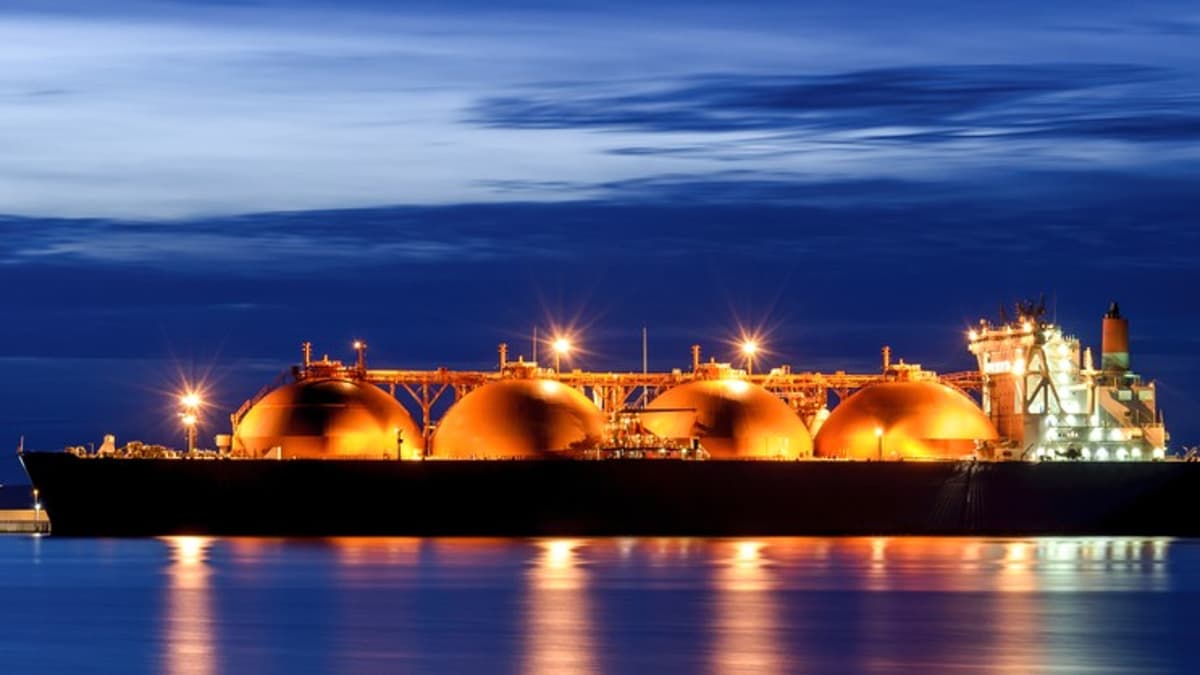
U.S. LNG Is Becoming the Backbone of Global Gas Supply
The United States has overtaken Qatar as the world’s largest LNG producer, with roughly 120 million metric tons per annum (MTPA) of export capacity versus Qatar’s 77 MTPA. Ongoing projects could lift U.S. capacity to about 220 MTPA within five years, giving it...
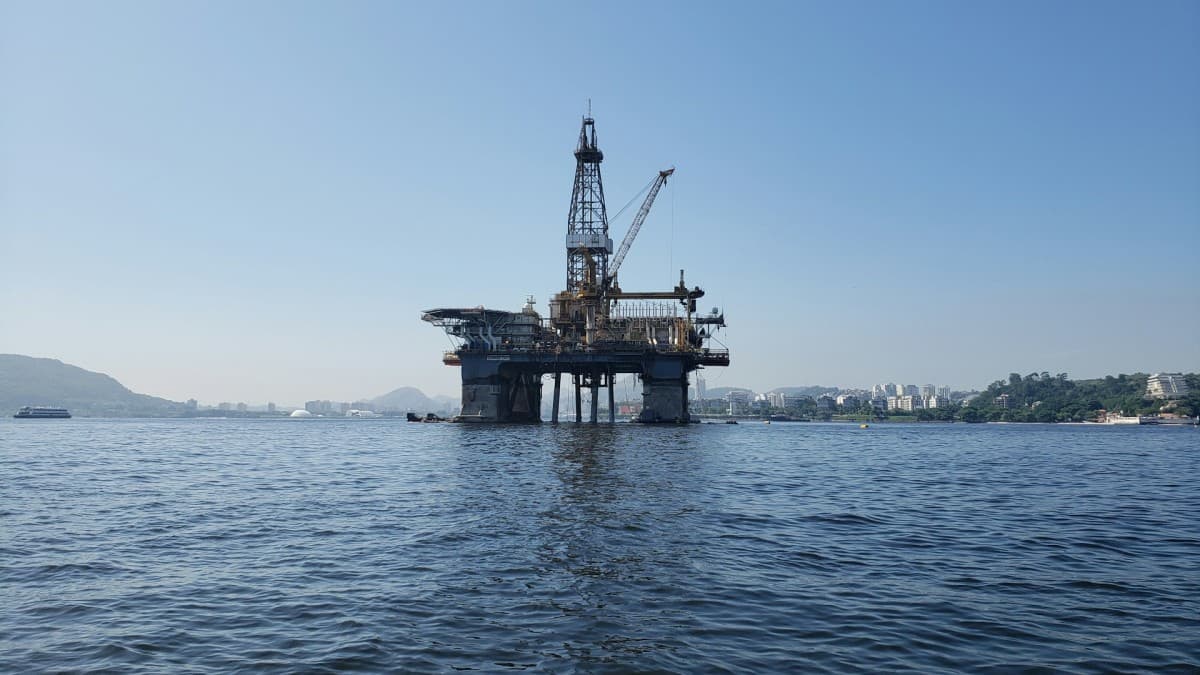
Brazil’s Record Oil Production Comes at a Crucial Moment for Global Markets
Brazil’s oil output hit a record 4.24 million barrels per day in March 2026, driven by ultra‑deepwater pre‑salt projects in the Santos Basin. Petrobras, Shell and Equinor are committing billions to offshore development, with Petrobras planning $109 billion of capital spending through 2030,...

Clean Energy’s Dirty Secret Lies in Critical Mineral Extraction
Demand for lithium, cobalt, copper, nickel and other critical minerals is set to double by 2030 and quadruple by 2050 as the world races to expand renewable‑energy and electric‑vehicle production. The surge is prompting governments to secure supply chains, but...

Molten Salt Reactors Move Closer to Reality After Breakthrough at U.S. Lab
Researchers at Oak Ridge National Laboratory have successfully measured the thermal conductivity and viscosity of molten salts, providing the first reliable data on how these fluids behave inside a reactor. The breakthrough addresses a long‑standing data gap that has hampered...
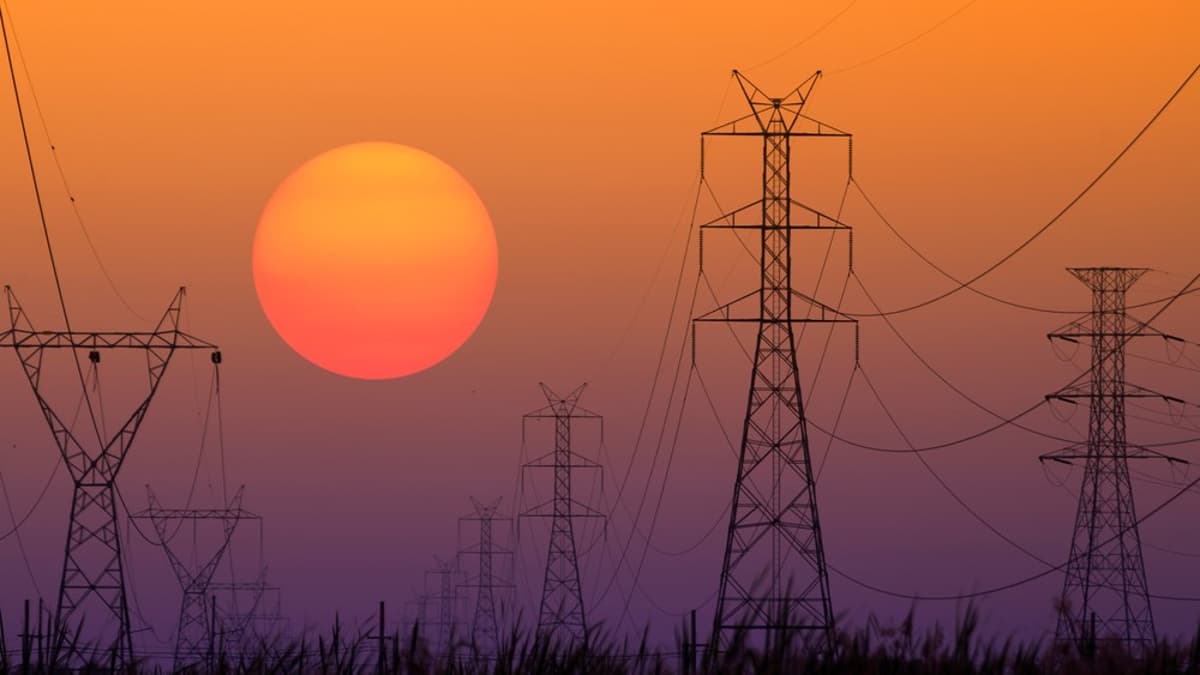
Mexico’s Renewable Energy Revival Sparks $4.75 Billion Investment Wave
Mexico’s new National Energy Reform, championed by President Claudia Sheinbaum, opens 46% of the grid to private producers and dissolves previous regulators. The policy has already attracted $4.75 billion in private capital to build 20 solar and wind projects, adding 3.32 GW...

Beijing’s Silence Is Fueling the Hormuz Crisis
The Xi‑Trump summit in Beijing failed to deliver any concrete framework for securing the Strait of Hormuz, leaving the critical oil‑shipping chokepoint in limbo. Both leaders claimed progress, but no joint maritime‑security mechanism or diplomatic breakthrough with Tehran emerged. The...

The Fertilizer Shock That Could Trigger a Global Food Crisis
The U.S.-Israeli strike on Iran has forced Iran to close the Strait of Hormuz, choking shipments of fuel, urea and other fertilizer inputs. The disruption is halting roughly half a million tons of nitrogen fertilizer production and driving up costs...

China Spent More on Clean Energy Than the Rest of the World Combined
China poured roughly $500 billion into clean‑energy projects between 2019 and 2025, accounting for more than half of the $1.1 trillion global spend. By contrast, the United States invested about $236 billion, less than half of China’s total. Around $136 billion of Chinese capital...
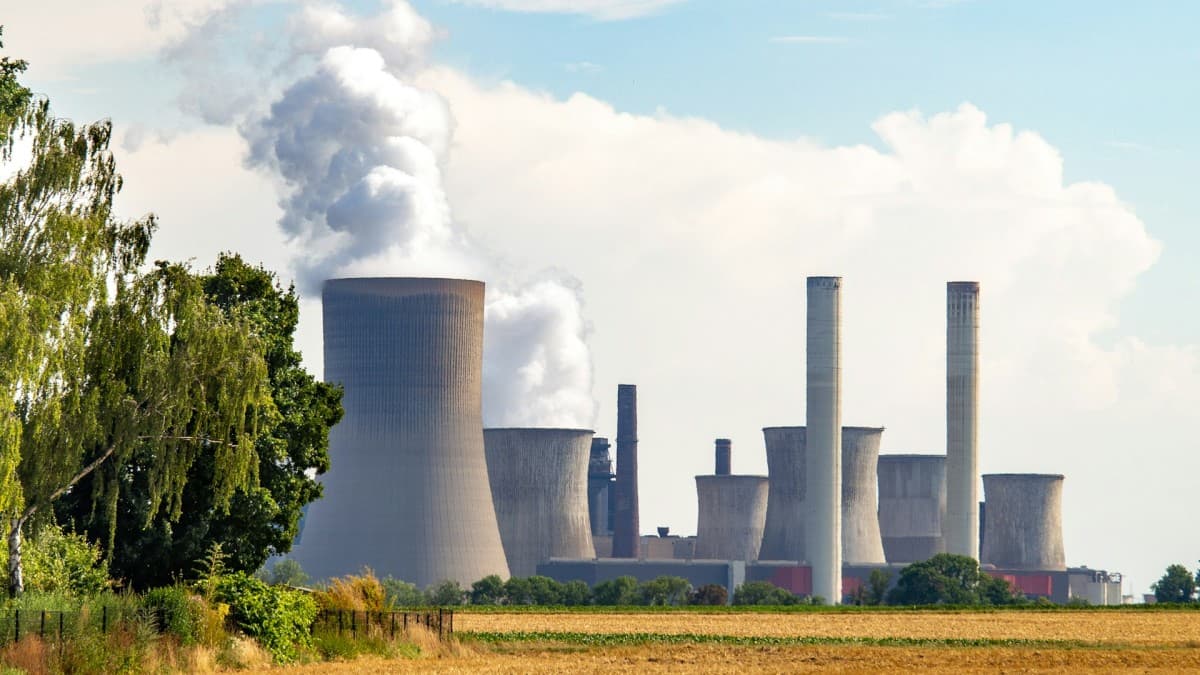
Goldman Adds SMRs to Nuclear Model, Sees 17% Upside in Uranium Demand
Goldman Sachs has revised its nuclear power model to include roughly 46 GW of small modular reactor (SMR) capacity by 2045, raising its nuclear generation outlook by 6% and adding 62 million lb of uranium demand – a 17% increase over previous forecasts....
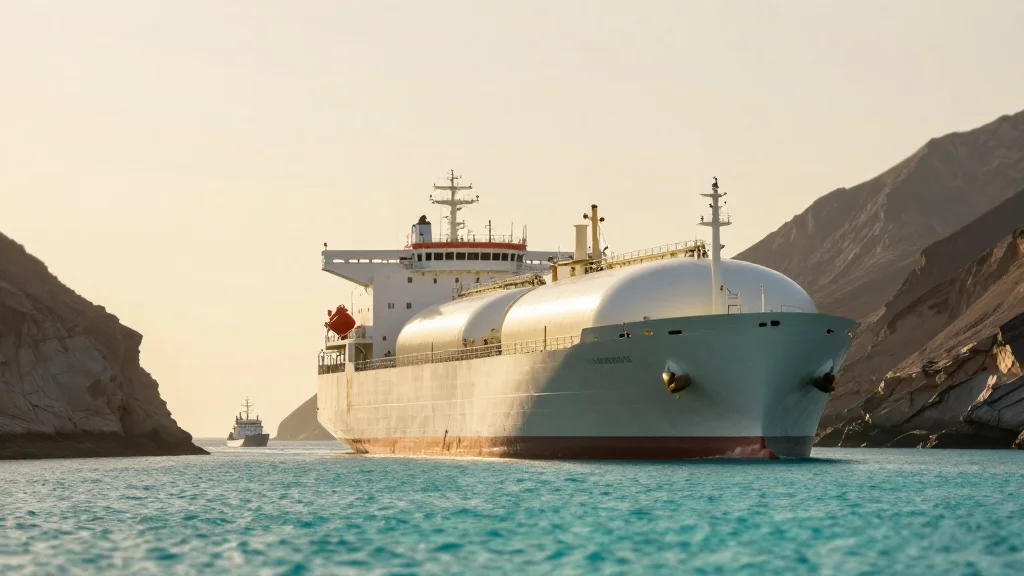
Pakistan Uses Diplomacy to Secure LNG Supply From Hormuz
Pakistan negotiated safe passage for two Qatari LNG tankers through the Strait of Hormuz, leveraging its diplomatic ties with both Qatar and Iran. The move restores a critical supply line after Qatar halted LNG production amid the Iran‑Qatar conflict, easing...

UK Moves to Ban New North Sea Oil and Gas Licences Permanently
The UK government’s Energy Independence Bill will permanently ban new oil and gas licences in the North Sea, fulfilling Labour’s pre‑election clean‑energy pledge. The move comes as oil prices have surged amid the Iran conflict, intensifying scrutiny over Britain’s energy...

China's Gasoline Consumption Could Plunge 5.5% in 2026 as Oil Prices Surge
China’s gasoline demand is projected to fall 5.5% in 2026, slightly deeper than the 5.2% decline forecast earlier. The drop follows a 30% surge in retail fuel prices triggered by the Iran‑Israel conflict and accelerating electric‑vehicle adoption. Overall oil demand...
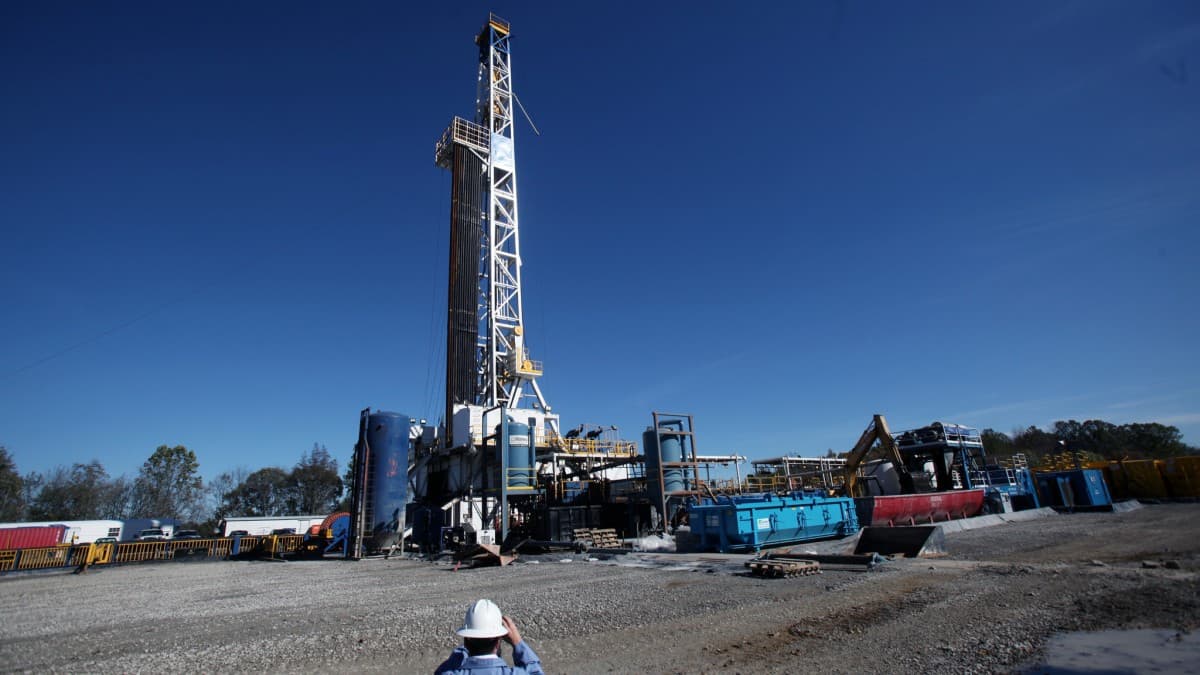
Permian Gas Glut Means Producers Are Paying Buyers to Haul It Away
The Permian Basin is experiencing a severe natural‑gas glut, pushing spot prices to a record low of –$9.60 per MMBtu and even forcing producers to pay buyers to take the gas. Companies such as Diamondback Energy and EQT have curtailed...
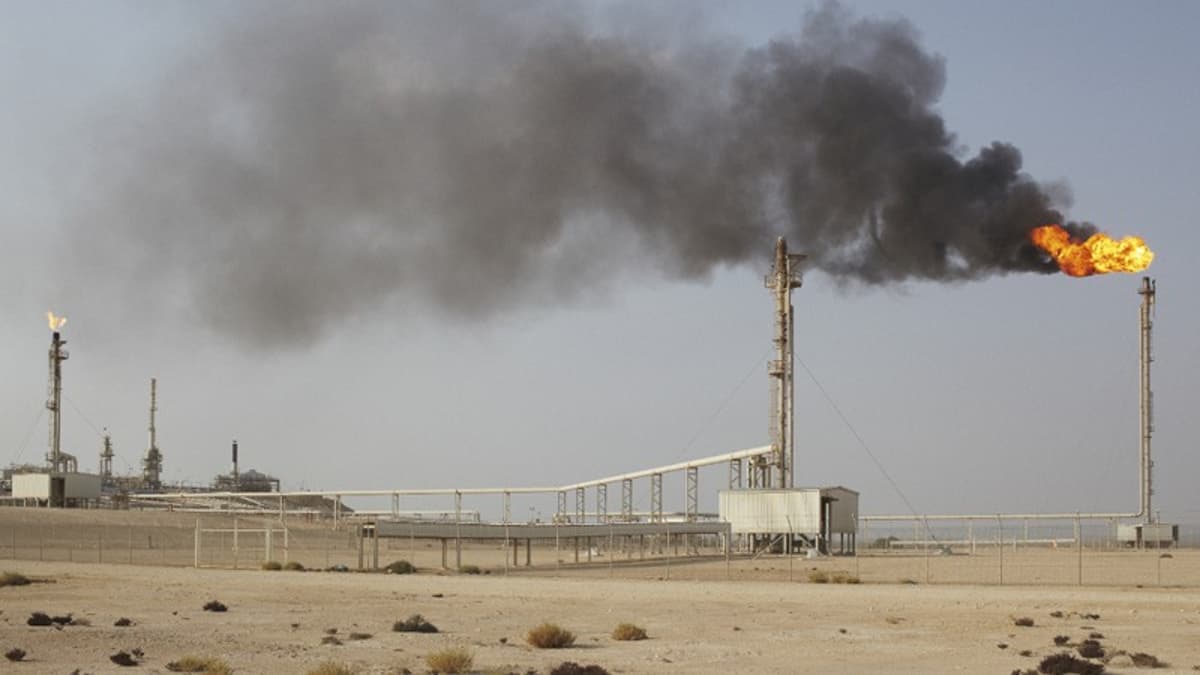
Trump’s Ceasefire Warning Sends Oil Prices Higher Again
President Trump’s warning that the Iran cease‑fire is on “life support” sent Brent crude back toward $110 a barrel, reviving price gains of about 3% this week. Gulf producers, still repairing drone‑damaged facilities, now expect full output recovery only by...

Suriname’s Delayed Oil Boom Is Finally Ready for Takeoff
Suriname’s offshore oil sector is poised for a breakthrough as the $10.5 billion Gran Morgu project reaches 50% completion and targets first oil in 2028. The development, led by TotalEnergies and APA, will produce 220,000 barrels per day with breakeven costs...

Diplomacy Falters as Hormuz Crisis Edges Toward Escalation
President Donald Trump dismissed Iran’s latest reply to a U.S.-backed de‑escalation plan, deepening the diplomatic deadlock over the Strait of Hormuz. Both Washington and Tehran continue to signal willingness to negotiate on sanctions relief, uranium enrichment limits, and shipping freedoms,...
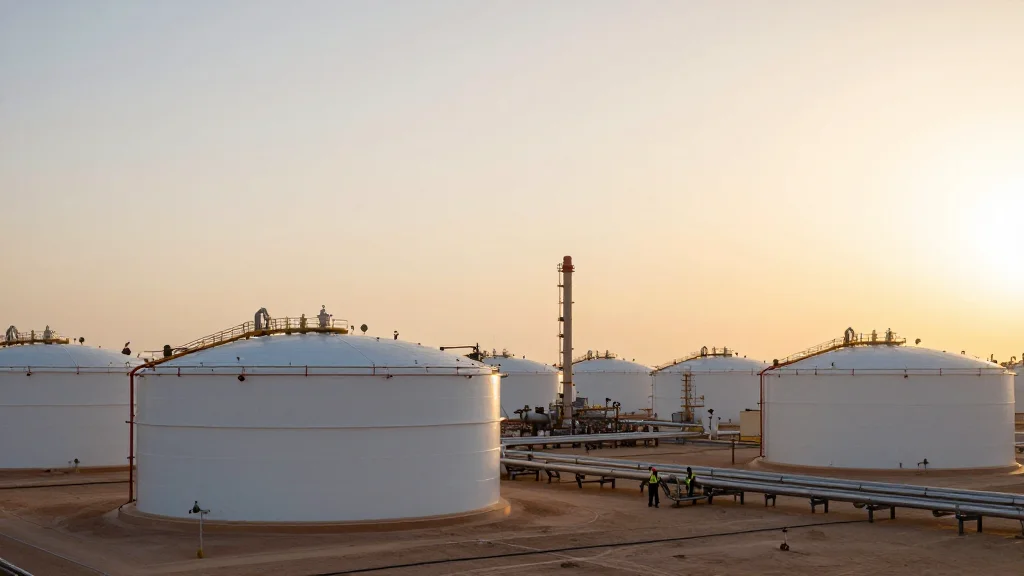
ADNOC Gas Targets 80% Habshan Recovery by End-2026
ADNOC Gas announced it expects to restore 80% of the Habshan gas‑processing complex by the end of 2026, after Iranian strikes forced a shutdown in April. The Habshan complex, with 6.1 billion standard cubic feet per day capacity across five plants,...

China's Solar Boom Has Created a Massive Oversupply Problem
China now produces more than twice the global demand for solar components, driving a price war that has left many manufacturers indebted. Industry leaders and the government have convened to launch a $7 billion buy‑out of inefficient plants, impose capacity caps,...
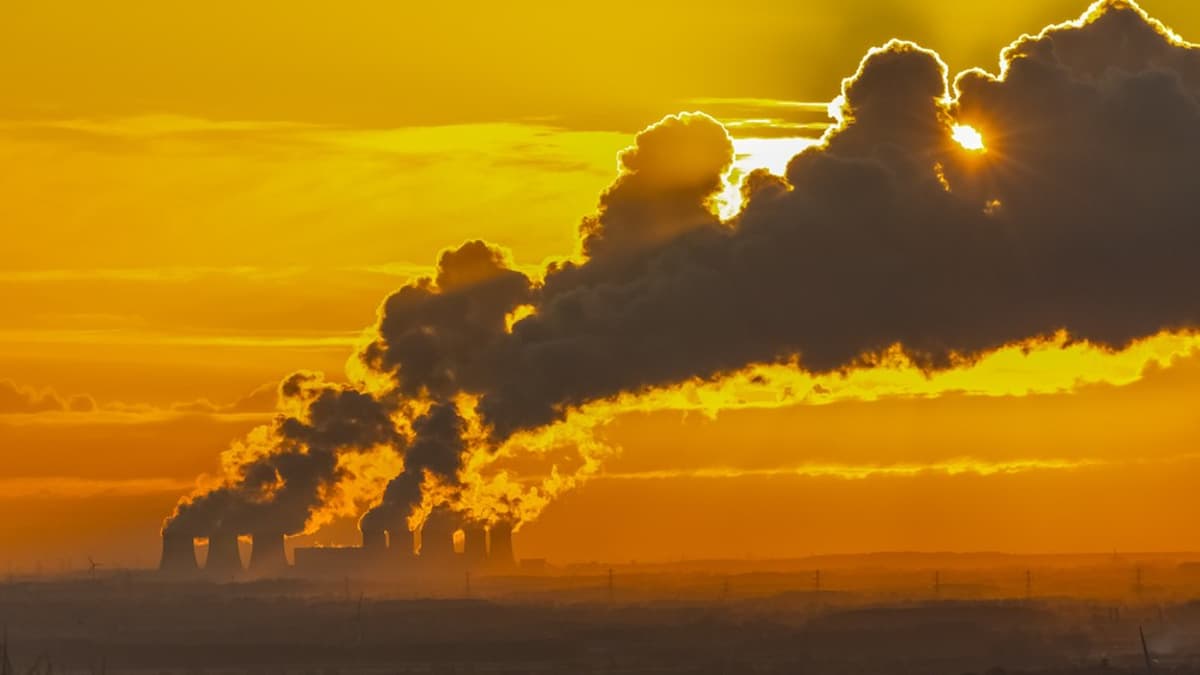
The Breakaway Climate Conference Challenging the COP Process
The first Transitioning Away from Fossil Fuels Conference convened 57 nations in Santa Marta, Colombia, to draft concrete roadmaps for phasing out coal, oil and gas. Co‑hosted by Colombia and the Netherlands, the summit positioned itself as an action‑focused complement to...

Iran War Threatens Gulf Investment Boom in Central Asia
The 2026 "Ramadan War" between the United States, Israel and Iran has forced Gulf sovereign‑wealth funds to pause a $16 billion investment surge in Central Asia. Disruptions to the Strait of Hormuz, which carries about 20% of global oil and LNG,...

Power Shortages Threaten Kazakhstan’s $1.9 Billion Data Center Push
Kazakhstan has signed a memorandum to build a Tier IV data center worth up to $1.5 billion, paired with a $400 million, 250 MW gas‑fired power plant. The initiative is a cornerstone of President Kassym‑Jomart Tokayev’s plan to position the country as a regional...

Japan’s Hybrid Car Strategy Gains Ground as EV Demand Rises
Japanese automakers are solidifying their lead in the global hybrid market as demand surges in emerging economies. In India, hybrid sales jumped fourfold from 98,010 units in 2020 to 362,866 in 2026, and hybrids are expected to account for about...
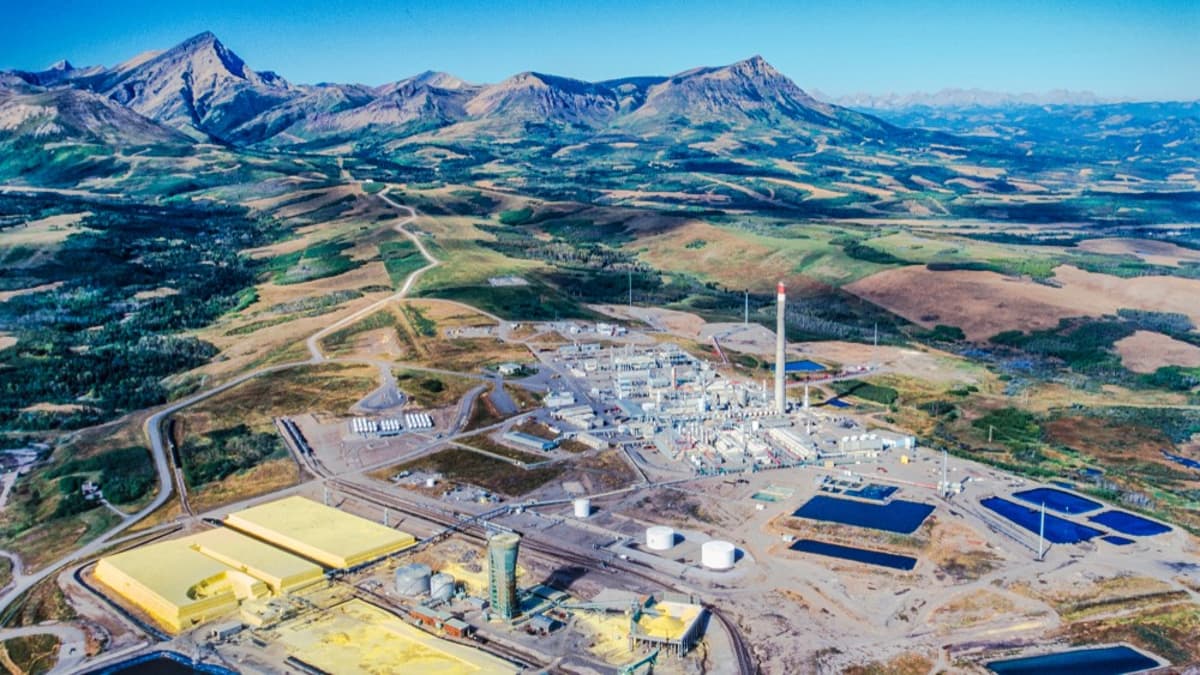
Cenovus Warns Oil Sands Growth Is Drying Up as Policy Uncertainty Mounts
Cenovus Energy posted a record Q1 2026 with net earnings of C$1.57 billion (≈$1.2 billion USD), a 19% rise in upstream output to 972,100 BOE/d, and a 10% dividend increase. CEO Jon McKenzie warned that Canada’s unresolved carbon‑pricing talks and a unique industrial carbon tax...

Upstream Oil and Gas Deal Value Plunges Amid Oil Price Uncertainty
Upstream oil and gas M&A value collapsed to $5.55 bn in March, an 83% drop from February’s $32 bn, while the number of deals stayed flat at 35. South America accounted for 55% of the month’s value, led by Prime Infrastructure’s $1.4 bn...

How Iran Is Bypassing the Strait of Hormuz Blockade
Iran is circumventing the U.S.-led Strait of Hormuz blockade by routing food, consumer goods, and oil through land corridors and the Caspian Sea, and by planning rail shipments to China. Trucking from Pakistan, Turkey, and Armenia now supplies essential imports,...
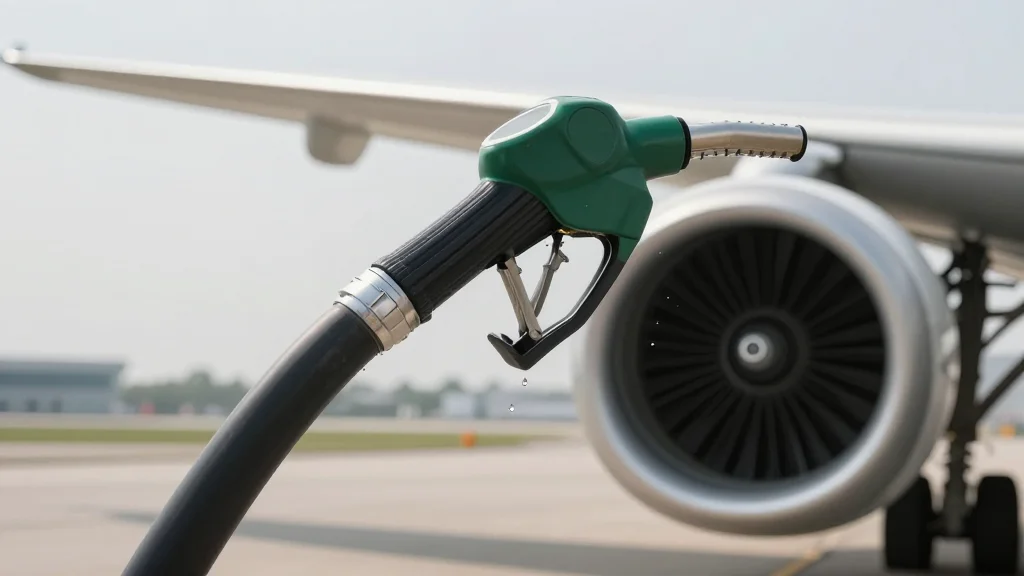
EU: Airlines Should Pay Passengers for Cancelations Due to Fuel Price Surge
European airlines face a sharp rise in jet‑fuel costs, with prices topping $200 per barrel and Lufthansa alone estimating a $2 billion hit this year. EU Sustainable Transport Commissioner Apostolos Tzitzikostas told the Financial Times that fuel price spikes do not...

A Chemical Breakthrough That Could Fix the Plastic Crisis
Chemical‑recycling startup Denovia unveiled a proprietary process that breaks down mixed, contaminated polyester waste into 98.3% pure terephthalic acid, a key PET building block. The technology depolymerises plastics in about five minutes—far faster than the 30‑180 minute cycles of existing...

Oil Futures Markets Still Too Complacent About Supply Shock
Oil futures are trading $20‑$30 per barrel below physical spot prices as the Strait of Hormuz remains closed, underscoring a market underestimation of the ongoing Middle East supply shock. Physical grades like Forties, Troll, Cabinda and Sverdrup have surged to...
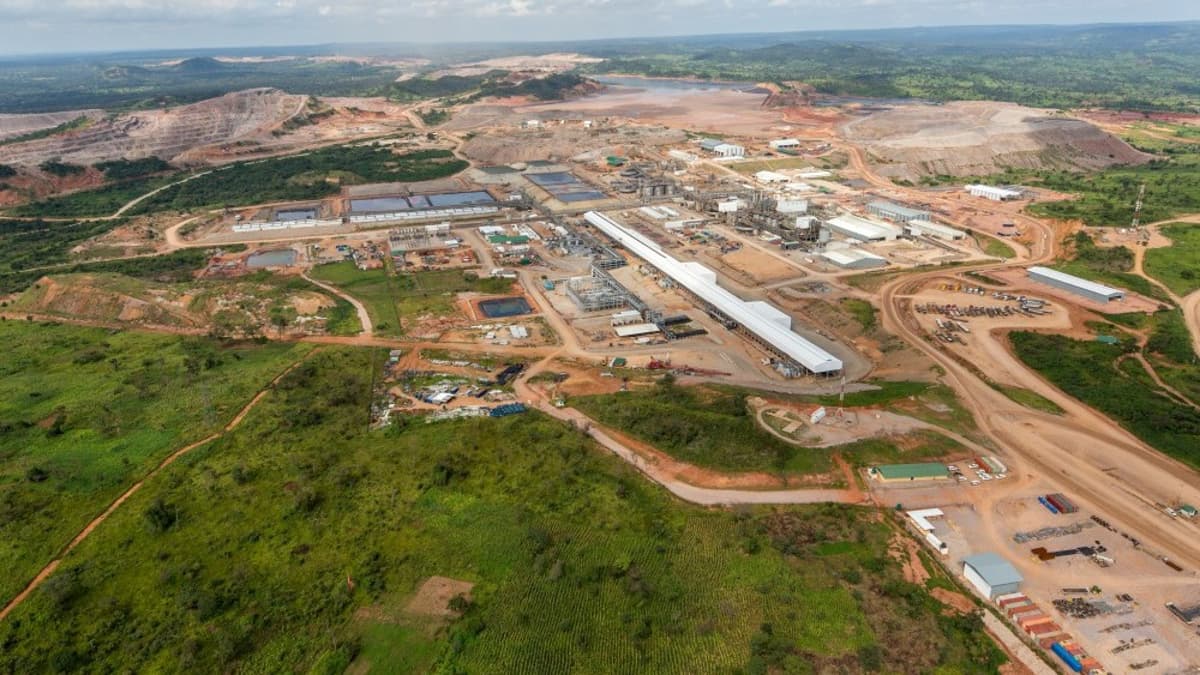
DR Congo’s Cobalt Miners Pivot To Copper Amid Price Crash
The Democratic Republic of Congo is curbing cobalt output and imposing strict export quotas as prices plunge, while redirecting capital toward copper, where demand from AI data centers and electric vehicles is surging. Glencore cut cobalt production by 39% year‑on‑year...
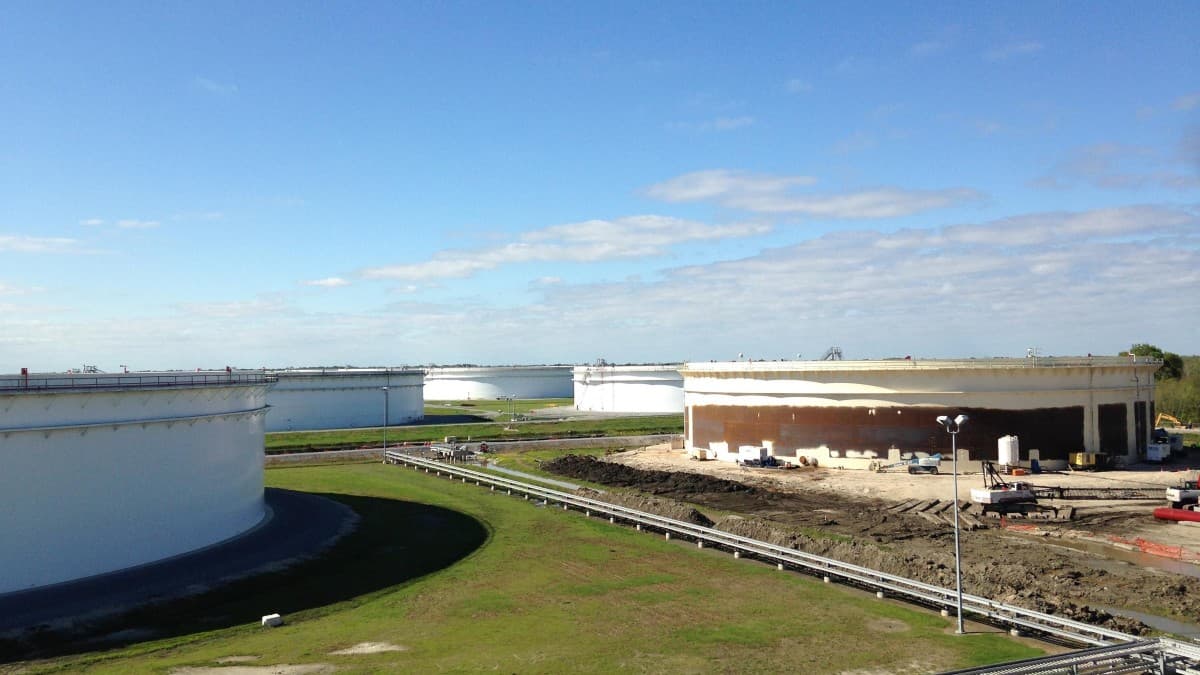
U.S. Oil Can’t Fill the Middle East Supply Hole
U.S. crude exports hit a record 5.2 million barrels per day in early May as Middle East supply disruptions force the United States to act as a “supplier of last resort.” The surge has drawn down the Strategic Petroleum Reserve, emptied...