
Pharma Pulse: PBM Crackdowns and Lilly’s $3.8B Vaccine Spree
The House Education and Workforce Committee unanimously approved the PBM Kickback Prohibition Act, while the Ways and Means Committee moved forward the Main Street Pharmacy Access Act to broaden Medicare reimbursement for pharmacist‑administered services. In the UK, Macfarlane Packaging partnered with German cold‑chain specialist eutecma to launch modular insulated boxes that guarantee up to 120 hours of temperature stability and incorporate a circular reverse‑logistics program. Eli Lilly announced definitive agreements to acquire three private vaccine developers for up to $3.83 billion, expanding its infectious‑disease portfolio beyond metabolic and oncology drugs. Additionally, Intelliguard and Accucold integrated RFID‑enabled inventory cabinets into hospital refrigeration units, enhancing real‑time cold‑chain visibility.

How RFID-Enabled Mira Care Can Bolster Hospital Cold Storage Resilience
Intelliguard and Accucold have introduced the RFID‑enabled Mira Care inventory cabinet, embedding Intelliguard’s medication tracking platform into Accucold’s Pharma‑Vac refrigerated units. The system delivers real‑time visibility of temperature, expiration dates, recall exposure, user access and inventory movement. It arrives amid...

Q&A: How RWE Is Reshaping Specialty Pharma Market Access
Tommy Bramley, SVP of global consulting at Cencora, says real‑world evidence (RWE) has moved from a post‑approval safety tool to a core component of specialty pharma value dossiers. Payers and providers now expect RWE to inform formulary placement, tiering, and...
Pharma Pulse: TrumpRx Goes Generic and the FDA Loses More Leaders
The Trump administration expanded TrumpRx.gov to feature more than 600 generic drugs, using price aggregation and tariff exemptions for 17 manufacturers to target $64.3 billion in savings over ten years. The Supreme Court declined to hear industry challenges, leaving Medicare drug‑price...

How Direct-to-Patient Is Redefining Drug Pricing
Jeremy Richardson, CCO of Gifthealth, argues that integrated direct‑to‑patient (DTP) models can overhaul the prescription journey by delivering transparent pricing, faster access, and reduced administrative friction. He highlights that 55% of Americans fear unaffordable drugs and that prior authorizations generate...

How AI Fits Into the Pharmaceutical Supply Chain
AI is moving from experimental pilots to core operations across pharmaceutical supply chains, driven by a market projected to grow from $4 billion today to $25.7 billion by 2030. Persistent drug shortages and fragile cold‑chain logistics have highlighted visibility gaps that AI...

Why Pharma Is Rethinking the Centralized Hub Model
Pharma companies are abandoning the legacy centralized hub model in favor of a tech‑enabled “hubless hub” that distributes access functions across digital platforms and specialized partners. The shift is driven by the growing complexity of specialty therapies, tighter payer requirements,...
Pharma Pulse: The FDA Shake-Up and Growing Frustration with Prior Auth Reform
FDA Commissioner Marty Makary announced his resignation, with deputy Kyle Diamantas stepping in as acting commissioner. Eli Lilly released data indicating patients can sustain weight loss when transitioning from higher‑dose injectables to lower‑dose Zepbound or its oral GLP‑1, Foundayo. The...

BIOSECURE and Beyond: What It Really Means for Pharma Supply Chains
The BIOSECURE Act, enacted in early 2026, bars certain foreign biotech providers from U.S. pharmaceutical supply chains, prompting firms to shift production away from long‑haul Asian routes. Companies are diversifying manufacturing footprints toward domestic or allied sites, which reduces concentration...
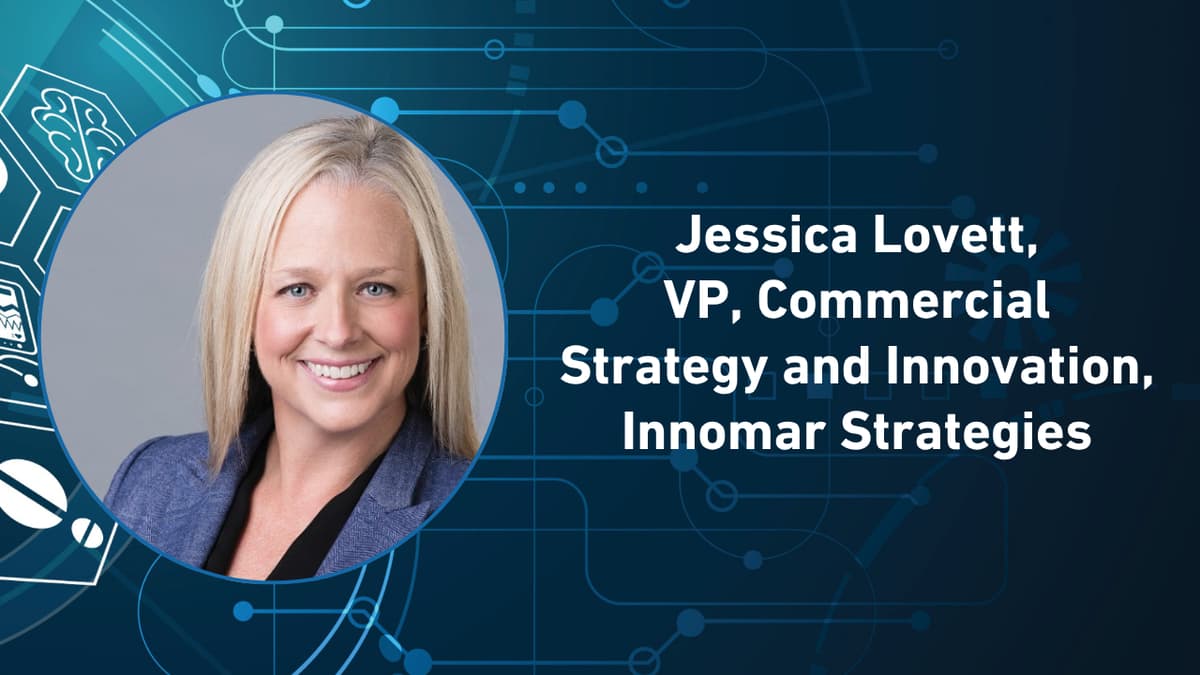
How Pharma Can Adjust to Global Market Uncertainty
In the closing segment of Pharmaceutical Commerce’s interview series at Asembia AXS26, Jessica Lovett, VP of commercial strategy at Innomar Strategies, examined how pharma manufacturers are reshaping market‑access and commercialization plans amid heightened political, regulatory and reimbursement uncertainty. She illustrated the growing...

How Data and Workflow Orchestration Are Reshaping Patient Support Models
In a recent interview at Asembia AXS26, Kim Plesnarski, SVP of market access and patient support at Syneos Health, outlined how data, predictive analytics, and generative AI are redefining field reimbursement and patient‑support models. She argued that workflow orchestration can...

How MFN Impacts Drug Development and Launch Planning
President Trump’s Most Favored Nation (MFN) drug‑pricing proposals, still pending congressional approval, would cap Medicaid, Medicare Part B and Part D prices at the lowest GDP‑adjusted price among a list of 20 reference nations. The rule would force pharmaceutical companies to reassess...

Asembia AXS26: How Drug Innovation Could Strain Access Systems
In a follow‑up interview at the Asembia AXS26 summit, Aradigm Health CEO Will Shrank warned that emerging therapies priced above $1 million per patient could overwhelm existing market‑access and financing frameworks. He highlighted upcoming treatments for type 1 diabetes, wet macular degeneration...
Pharma Pulse: GLP-1 Momentum Builds While Lilly Expands Genetic Medicine Manufacturing
Eli Lilly opened its first dedicated genetic‑medicine manufacturing plant in Lebanon, Indiana, expanding U.S. capacity for advanced gene‑editing and RNA therapies. GLP‑1 drugs accounted for eight percent of all prescriptions filled in March 2026, highlighting their growing role beyond diabetes. Bayer...

How Specialty Drug Commercialization Differs in Canada From the US
Jessica Lovett, VP of Commercial Strategy at Innomar Strategies, outlined a 24‑month planning horizon for specialty drug launches in Canada, emphasizing early coordination with Health Canada. The roadmap moves from pre‑development regulatory and import considerations to a 12‑18‑month development and...