
Eli Lilly Opens First Dedicated Genetic Medicine Facility
Eli Lilly inaugurated Lilly Lebanon Advanced Therapies, its first dedicated genetic‑medicine manufacturing site in Lebanon, Indiana, alongside a $4.5 billion capital infusion. The investment lifts Lilly’s Indiana spending to over $21 billion since 2020 and its U.S. commitments to more than $50 billion. The plant will handle the full spectrum of cell and gene therapy production, from early‑stage research to commercial supply. Its launch coincides with industry forecasts that advanced‑therapy approvals could nearly triple by 2030, signaling a pivotal shift toward in‑house genetic‑medicine manufacturing.
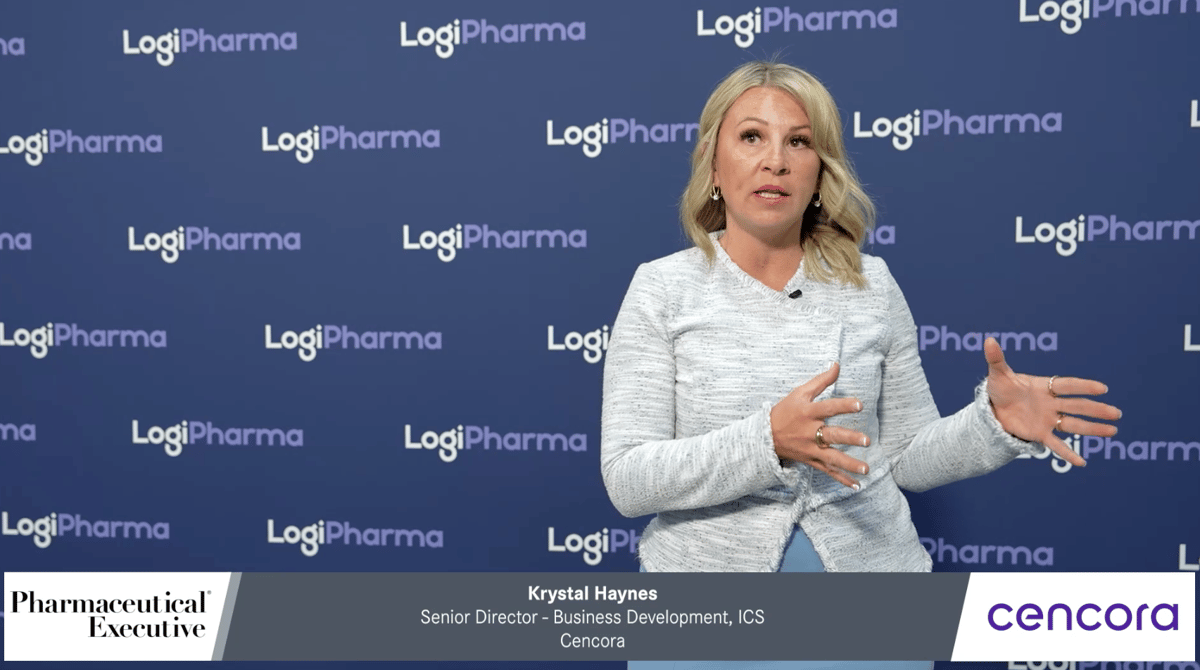
Understanding Supply Chain Constraints to Enable Growth for Cell & Gene Therapies
Cell and gene therapies are poised for growth, yet only 3 % of the 4,000+ candidates in development secure FDA or EMA approval. Prices ranging from $100,000 to $3 million per dose lack a unified reimbursement framework, creating payer uncertainty worldwide. Logistics...
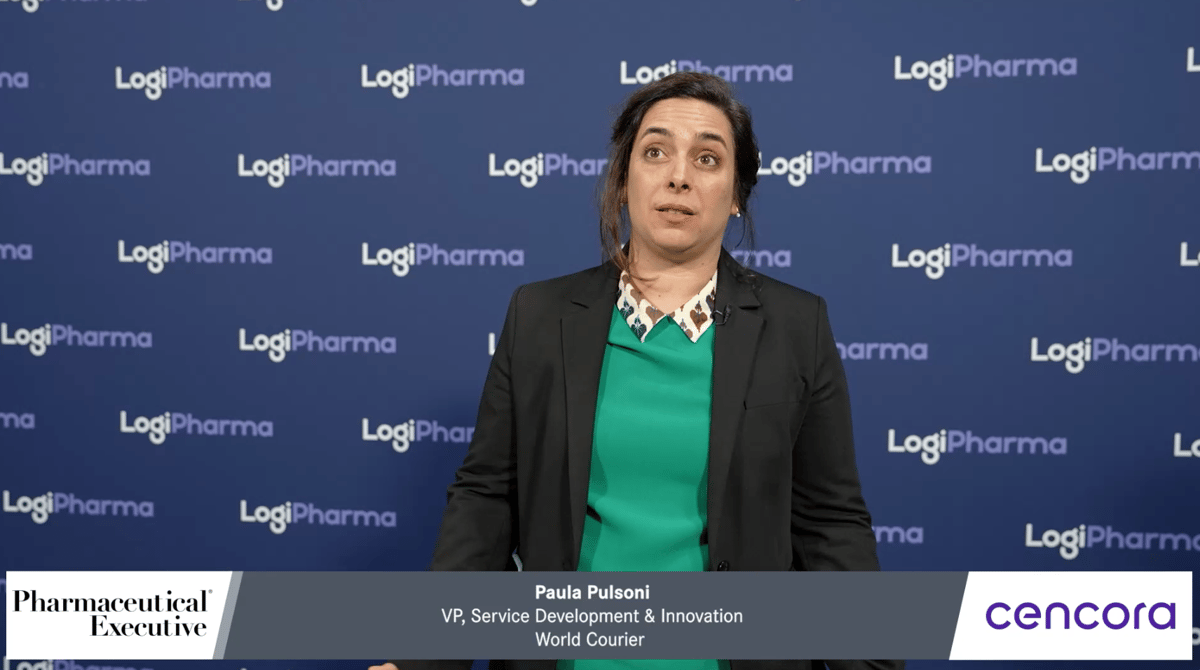
Gaining Supplier Trust, Transparency, and Cross-Functional Collaboration During a Period of Volatility
World Courier’s Vice President Paula Pulsoni outlines how pharmaceutical companies can secure supplier trust and maintain resilience amid heightened market volatility. She stresses the need for structured governance and a regular communication cadence to evaluate partnership readiness before disruptions hit....
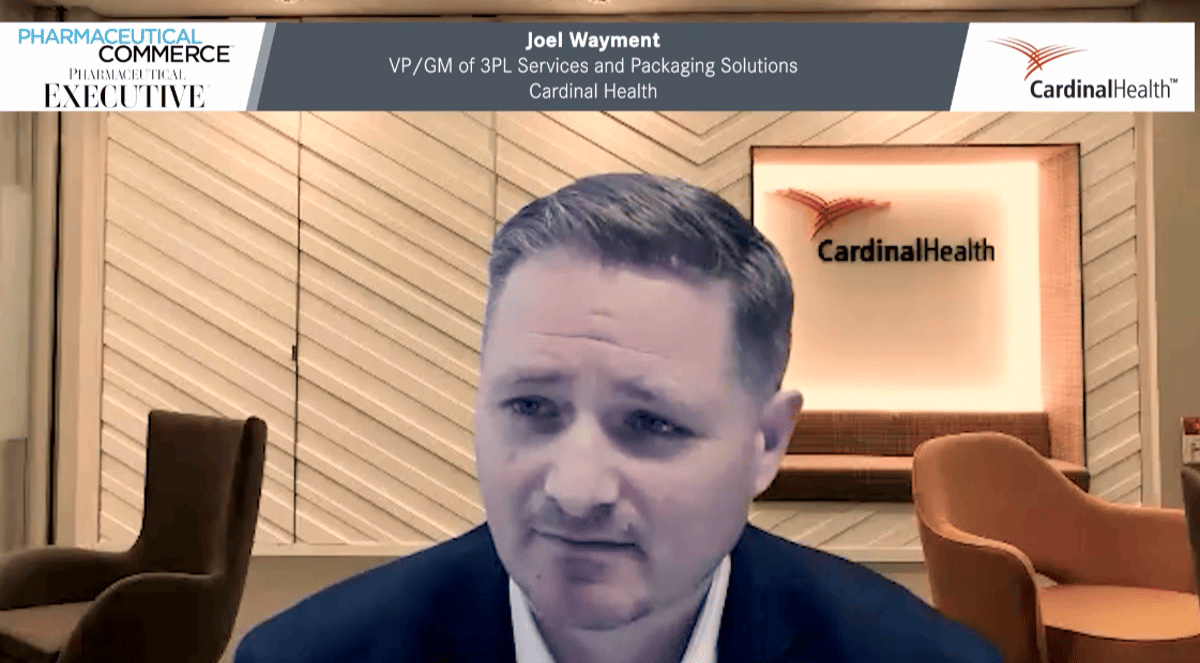
The Past, Present, and Future of Cardinal Health 3PL Services and Packaging Solutions
Cardinal Health’s 3PL Services and Packaging Solutions division is tackling biopharma supply‑chain challenges by expanding cold‑chain capacity, launching sustainable shipping options, and integrating packaging to move products from FDA approval to patients within seven days. The unit has added temperature‑controlled...

Austin Russian: How Fragmentation Delays Rare Disease Therapy Access
Austin Russian, SVP of Program Excellence at PANTHERx Rare, warned that fragmentation across prescribers, insurers, pharmacies and manufacturers slows patient access to orphan drugs. As more rare‑disease therapies reach the market, the lack of a single coordinating entity creates miscommunication...

Asembia AXS26: Closing the Gap Between Prescription Fill and Patient Use
Asembia’s AXS26 platform, presented by HealthBeacon GM Kieran Daly, tackles the gap between prescription fill and actual patient use. Traditional metrics track shipments and refills but lack visibility into at‑home administration. AXS26 uses connected in‑home devices that timestamp injections, giving...

Two Strategies for Specialty Drug Savings—And How to Choose the Right One
Specialty drug prices are climbing, prompting employers to seek sustainable savings through two main pathways: alternative funding programs (AFPs) and in‑benefit optimization. AFPs tap manufacturer assistance or non‑traditional sourcing to lower out‑of‑pocket costs for high‑price therapies, but they add coordination...
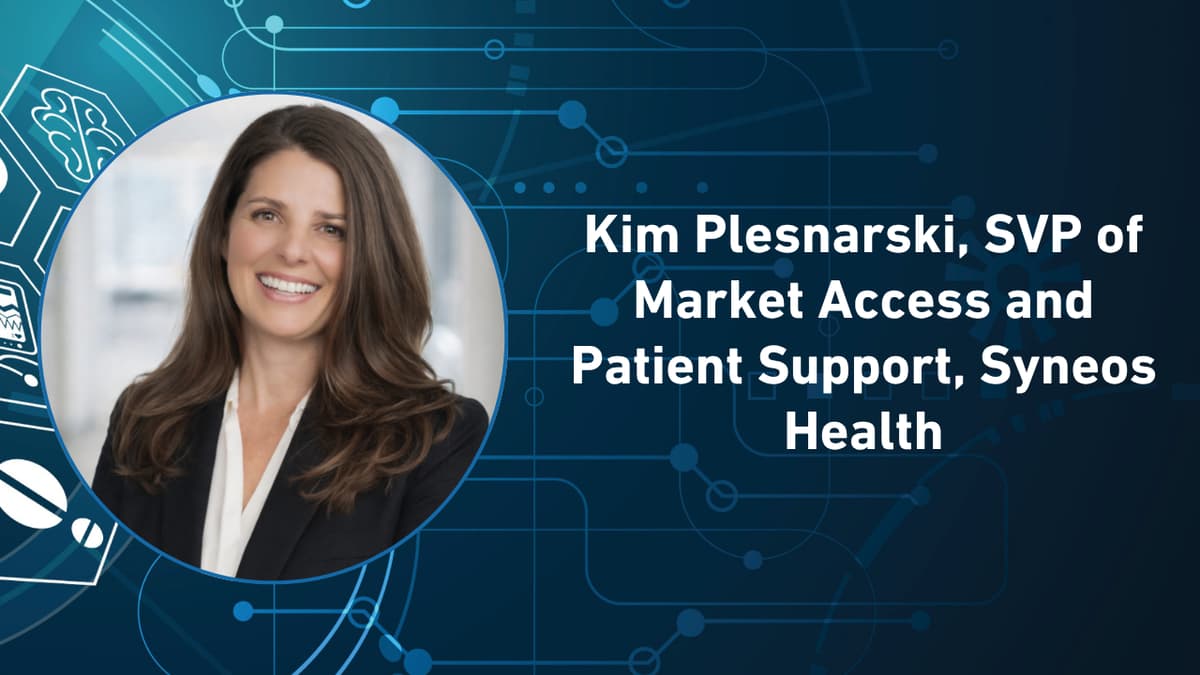
Asembia AXS26: Why Pharma Can’t Afford to “Go It Alone” Anymore
At the Asembia AXS26 Summit, Syneos Health’s SVP of Market Access Kim Plesnarski warned pharma that rising costs and complex access hurdles demand a shift from legacy patient‑support models to agile, outcome‑focused partnerships. She highlighted that many manufacturers still rely...

Joel Wayment: Rethinking Waste in the Cold Chain
In a follow‑up interview with Pharmaceutical Commerce, Joel Wayment, VP of 3PL Services at Cardinal Health, highlighted the hidden waste problem in pharma cold‑chain logistics. While recyclable materials have improved, single‑use gel packs and insulated containers still dominate shipments. Wayment...

GoodRx Expands Cash-Pay Access to Oral Ozempic for Patients With Type 2 Diabetes
GoodRx announced a new cash‑pay option for oral Ozempic, the tablet form of semaglutide, making it available through its nationwide pharmacy network. The program lists transparent monthly prices of $149 for the 1.5 mg dose, $199 for 4 mg, and $299 for...

Asembia AXS26: How CGTs Are Reshaping Specialty Pharmacy
Cell and gene therapies (CGTs) are fundamentally changing the specialty pharmacy landscape, moving beyond traditional buy‑and‑bill models toward highly coordinated, patient‑specific workflows. The therapies demand specialized treatment‑center activities such as apheresis, conditioning, and strict cold‑chain logistics. High upfront costs create...

Pharma Pulse: The Ember Cube 2 and a $1 Trillion Prescription Spending Projection for 2026
Ember LifeSciences unveiled the Ember Cube 2, a modular cold‑chain solution with real‑time monitoring, GPS tracking and cloud visibility, earning a Red Dot “Best of the Best” award. At the Asembia AXS26 summit, policy experts warned that new pricing legislation is compressing post‑launch...

How Supply Chain Becomes a Growth Partner in Pharma
At Logipharma Europe 2026, Boehringer Ingelheim’s CVP Clemens Twardy argued that pharma supply chains must become growth partners, not peripheral functions. He outlined three moves—organizing around commercial counterparts, enhancing transparency of supply risks and opportunities, and upskilling teams to speak the...

With Cell and Gene Therapies Proliferation, Specialty Pharmacy Faces New Pricing, Distribution Pressures
Cell and gene therapies are moving from ultra‑rare indications to broader patient populations, prompting a fundamental redesign of specialty‑pharmacy distribution and pricing models. At the 2026 Asembia meeting, experts warned that current flash‑title and buy‑and‑bill channels may not scale to...

Asembia AXS26: Jessica Lovett on the RWE That Matters Most
Jessica Lovett, VP of Commercial Strategy and Innovation at Innomar Strategies, discussed the most valuable real‑world evidence (RWE) for specialty medicines at Asembia AXS26. She highlighted two primary data sources: patient support programs and patient registries, both of which can...

Drug Pricing, PBM Reform, and the 2026 Midterms: What You Need to Know
Analysts at Avalere Health’s AXS26 summit warned that the 2026 midterm elections will reshape drug pricing and PBM practices. Recent FTC settlements require Express Scripts, CVS Caremark and Optum Rx to end spread pricing and unlink compensation from rebates, while...

Asembia AXS26: What the Rise in CGTs Means for the Supply Chain
Cardinal Health’s VP Joel Wayment told Pharmaceutical Commerce that the surge in cell and gene therapies is forcing a redesign of the supply chain toward reusable, multi‑use shipping systems and geographically closed packaging models. These changes aim to cut waste,...

LogiPharma Europe: Quickfire Questions With Nico Vandaele
Nico Vandaele, a professor of Operations Research at KU Leuven, warned that pharmaceutical supply‑chain disruptions have become structural, driven by geopolitics, energy limits and climate events. He argued that traditional safety‑stock buffers are losing potency and that companies must adopt...

LogiPharma Europe: A New Model for Cold Chain Decision-Making
At LogiPharma Europe 2026, Roche’s global head of Distribution Technology, Raquel Vazquez, outlined a shift from experience‑based to data‑driven cold‑chain decision‑making. She highlighted the need to contextualize fragmented sensor data across lanes, products and environmental conditions to select the right packaging...

Beyond Tools: Joydeep Ganguly on Building End-to-End 4IR Supply Chains
Pharma supply chains are hitting a complexity inflection point, with DSCSA enforcement and the rise of temperature‑sensitive therapies demanding tighter visibility and traceability. Joydeep Ganguly, Agilent’s chief operations and quality officer, told LogiPharma Europe 2026 that successful 4IR adoption starts with a...

How Automation and Real-Time Monitoring Improve Cold Chain Resilience
Anthony “TJ” Rizzo, chief commercial officer at Cold Chain Technologies, highlighted at LogiPharma Europe 2026 how automation and real‑time monitoring are reshaping pharmaceutical cold‑chain logistics. He explained that these tools turn a historically reactive, post‑delivery process into a proactive, data‑driven...

LogiPharma Europe: Why Packaging Must Evolve For Patients
In a follow‑up interview with Pharmaceutical Commerce, Richard Harrop of Topa Thermal argues that pharmaceutical packaging must transition from a product‑centric to a patient‑centric model. The rise of cell and gene therapies and radiopharmaceuticals demands smaller, intuitive, temperature‑controlled packs that...

How Pharma Importers Can Recoup Trump Tariff Payments
The U.S. Supreme Court ruled that the Trump administration lacked authority to impose tariffs under the 1977 International Emergency Economic Powers Act, invalidating a suite of duties that cost importers $166 billion. In response, U.S. Customs and Border Protection launched an...

Industry Report: Advanced Therapy Market May Triple by 2030
Cardinal Health’s 2026 Advanced Therapy Report projects that the U.S. advanced therapy market will nearly triple, rising from 61 approved cell and gene treatments today to around 180 by 2030. The study, based on input from 160 physicians and administrators,...

Why Annex 21 Is an Important Commercial Risk Point in EU Market Entry
Charley Maxwell highlights that Annex 21, the EU GMP annex governing medicinal product imports, is more than a paperwork hurdle—it is a commercial risk point that can delay market entry. The annex requires the holder of a Manufacturing Import Authorisation and...
Pharma Pulse: Walgreens’ New Hybrid Pharmacist Model, Pharmacies Expand Injectable Access, and More
Walgreens is launching a hybrid pharmacist model that blends in‑store duties with centralized, remote clinical work to ease staffing pressures and boost medication therapy management. A new study highlights community pharmacies’ expanding role as key sites for immunizations and injectable...

LogiPharma Europe: Richard Harrop on Packaging Innovation
Richard Harrop, product director at Topa Thermal, outlined how cold‑chain packaging must juggle sustainability, performance, and real‑world resilience ahead of his LogiPharma Europe 2026 presentation. He warned that traditional materials such as EPS, polyurethane and vacuum insulation face growing regulatory...

LogiPharma 2026: Seamus Keane on Building Smarter Supply Networks
Seamus Keane, VP of Pharma and Healthcare for Europe at Kuehne+Nagel, will lead a LogiPharma Europe 2026 panel on building intelligent, resilient supply networks. He argues that resilience must be embedded in network architecture through data, scenario modeling, and end‑to‑end visibility rather...

LogiPharma 2026: How Automation Is Reshaping Pharma Supply Chains
At LogiPharma 2026, Cold Chain Technologies’ chief commercial officer Anthony “TJ” Rizzo emphasized that automation and real‑time monitoring are redefining pharmaceutical cold‑chain logistics. He explained that end‑to‑end visibility can shift companies from reactive, post‑delivery investigations to proactive risk mitigation. Regulators are...

How GLP-1s Are Shifting Pharma Commercialization Trends
The GLP‑1 class has evolved from a niche injectable therapy to a high‑volume market that now includes oral formulations, prompting pharma to pivot toward larger total addressable markets. Over the past decade the industry focused on ultra‑rare, high‑price drugs, but...

How to Optimize a Hub Model for Efficiency and Commercial Success
Traci Miller, senior director of Access and Patient Support at Sonexus (Cardinal Health), explains how hybrid hub services are shifting from basic benefit verification to strategic partners that manage specialty product onboarding, adherence, and data analytics. Digital intake and prior‑authorization...

Jessica Ledesma on Navigating the New Era of Hospital Cold Storage Resilience
The rapid growth of biosimilars and high‑value specialty drugs is straining hospital pharmacy cold‑storage capacity, according to Jessica Ledesma, product manager at Swisslog Healthcare. Aging refrigeration units now pose a heightened risk of costly inventory loss and treatment interruptions. Hospitals...

Why Streamlining Support Is Key to Long-Term Adherence
In a final interview with Pharmaceutical Commerce, ConnectiveRx chief commercial officer Laura Blair argues that simplifying patient‑support workflows is essential for sustaining long‑term adherence to specialty therapies. She calls for “cleaner” digital tools that embed enrollment and diagnostic assistance directly...

How to Master the Pharmacovigilance System Master File for Inspection Readiness
Mastering the Pharmacovigilance System Master File (PSMF) is essential for inspection readiness, as regulators use it to gauge a company’s PV compliance before any formal interview. In the EU and UK, the PSMF must be supplied within seven days of...

Laura Blair: Rethinking Hub Efficiency and the Role of AI in Patient Support
ConnectiveRx’s chief commercial officer Laura Blair says specialty‑pharma patient‑support hubs are under‑utilized, with only 10‑15% of eligible patients engaging. She attributes the gap to design and access flaws rather than technology, noting that cumbersome enrollment and regulatory hurdles deter usage....
Pharma Pulse: Tariffs, a Ceasefire, and Patient Access
The U.S. Commerce Department announced a 100% base tariff on imported active pharmaceutical ingredients and patented drugs, urging manufacturers to shift production domestically. Companies can avoid the full rate by securing a most‑favored‑nation pricing agreement or by filing an onshoring...

Laura Blair: Balancing Virtual Fulfillment and Traditional Pharmacy Distribution
ConnectiveRx chief commercial officer Laura Blair says direct‑to‑patient (DTP) models and virtual fulfillment are reshaping pharmaceutical distribution, a shift accelerated by the surge in GLP‑1 therapies. She stresses that true DTP value lies in integrated benefits verification that matches patients...

Copay Funds Are Being Misused at the Pharmacy. Now There’s a Way to Stop It in Real Time
Pharmaceutical manufacturers rely on copay assistance programs to boost patient access and drug utilization, but misuse at the pharmacy level is eroding billions in spend. ConnectiveRx’s ShieldRx platform intervenes at the moment a claim is submitted, using AI‑driven analytics to...

The Role of Class of Trade Research in Pharmaceutical Market Access
Manasi Salgaonkar highlights that class of trade (CoT) research is essential for precise pharmaceutical pricing, contract eligibility, and regulatory compliance. Accurate CoT classification links dispensing settings—retail, hospital, specialty, mail‑order, and IDNs—to specific pricing tiers and rebate agreements. Continuous updates are...

Op/Ed: Why Rare Disease Brands Are Losing Patients at Critical Moments
Anthony Bianciella argues rare‑disease brands lose patients because their HCP journey maps stop at prescribing intent, neglecting the complex post‑diagnosis steps such as referrals, prior authorizations and hub enrollment. He explains that specialists see these handoffs rarely, so the process...

Pharma’s Silent Operational Killer: Lifecycle Change Management
Pharmaceutical companies face a hidden operational crisis: managing thousands of post‑approval changes across hundreds of markets using outdated, spreadsheet‑based processes. A typical large firm evaluates about 6,000 changes annually, generating roughly 90,000 country‑level regulatory filings that can take three to...

How Can Predictive Analytics Transform the Pharma Supply Chain?
Cardinal Health’s senior vice president Emily Gallo says predictive analytics is reshaping the pharmaceutical supply chain by turning massive data streams into actionable decisions. The industry now faces a data‑to‑decision gap that threatens shipment timing, clinical trial progress, and product...
Pharma Pulse: Shionogi’s $2.5B Radicava Acquisition and the Industry Monitors U.S.-Iran Conflict for Supply Disruptions
Shionogi has completed a $2.5 billion purchase of global rights to the ALS drug Radicava from Tanabe Pharma. The deal adds a rare‑disease asset and an established U.S. commercial platform, projecting roughly $700 million in revenue beginning fiscal 2026. Simultaneously, the escalating...

Scaling Security and Speed in Pharmaceutical Cold Chain Delivery at the Last Mile
Consumer expectations have shifted to hour‑level delivery, prompting big‑box retailers to add pharmaceutical cold‑chain shipments to their last‑mile services. This introduces stringent temperature, security, and compliance requirements that differ sharply from general‑merchandise fulfillment. Companies must blend rapid order processing with...
Pharma Pulse: Foundayo’s FDA Approval and the Strategic Risk of Pharmacy Data Consolidation
Eli Lilly’s Foundayo became the first new molecular entity approved under the FDA’s National Priority Voucher pilot, clearing in a record 50 days. It is the only GLP‑1 weight‑loss pill that can be taken without food or water restrictions, aiming to...

The New Infrastructure of Drug Commercialization
The pharmaceutical commercialization landscape is undergoing a rapid overhaul, driven by heightened government pricing controls, the rise of complex biologics, cell and gene therapies, and advanced data systems. Cold‑chain logistics have become a strategic priority as temperature‑sensitive products proliferate, while...

CCT Pledges Net Zero by 2050 as Industry Pressure to Decarbonize Intensifies
Cold Chain Technologies (CCT) announced a formal pledge to achieve net‑zero global emissions by 2050, focusing on Scope 3 emissions that represent roughly 80% of a pharmaceutical company’s carbon footprint. The company has already reduced landfill waste by 147 million lb, surpassing its...

The Ways Pharma Leaders Are Rewiring Their Organizations for Launch Success
Pharma executives face mounting pressure to deliver faster, more successful product launches amid volatile markets and tighter timelines. Inizio Ignite’s Global President Remco op den Kelder argues that traditional static launch plans must give way to agile, data‑driven execution models....

Point-of-Care Isn’t a Marketing Tactic—It’s a Gross-to-Net Strategy
Point‑of‑care (PoC) messaging has shifted from a peripheral marketing tactic to a core gross‑to‑net lever for pharmaceutical brands. By delivering timely, relevant information at prescribing or dispensing moments, PoC improves first‑fill rates and therapy continuity. The rise of electronic health‑record...

Traci Miller on How Hybrid Hub Models Redefine Pharma Partnerships
Hybrid hub models are evolving from basic administrative functions into coordinated ecosystems that link manufacturers, distributors, specialty pharmacies, and service providers. This shift transforms vendor relationships into strategic partnerships involving dozens of stakeholders. Automation and digital intake are compressing prior‑authorization...