Practical Ecommerce
How-to advice and e-commerce insights for online merchants.

E.U. Product Safety Laws Reach Sellers
The EU’s revised General Product Safety Regulation (GPSR) took effect in December 2024 and now covers every merchant selling consumer goods into the bloc, including U.S. sellers. A core requirement is the appointment of an EU‑based “Responsible Person” who must be listed on product packaging and online listings. Marketplaces such as Amazon, eBay and Etsy are tasked with enforcing the rule, often removing non‑compliant items before regulators intervene. The regulation also tightens traceability, demanding technical files and safety documentation to be retained for up to ten years.

New Ecommerce Tools: May 12, 2026
The weekly roundup spotlights a wave of AI‑driven ecommerce tools launched in May 2026, ranging from Shoplazza’s Athena admin agent to GoDaddy’s Airo WordPress builder and Marqo’s Sibbi conversational shopper. Platforms are also adding AI‑powered marketing and ad‑tech, such as...
Ecommerce May Not Save the USPS
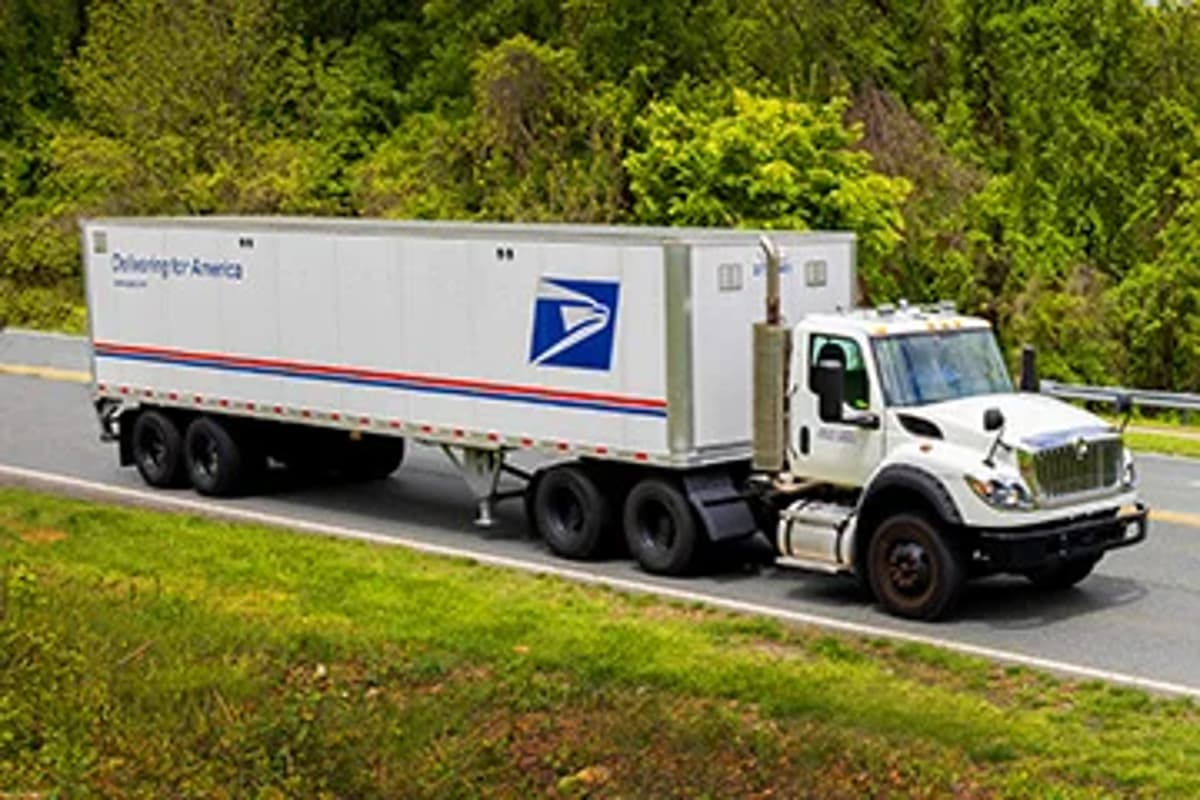
The U.S. Postal Service posted a $2 billion loss for Q2 2026, an improvement over the $3.3 billion loss a year earlier, even as package revenue grew 4.5% year‑over‑year. First‑Class mail volume has fallen more than 50% since its 2001 peak, eroding the...

Inside Beardbrand’s Expansion Plan
Beardbrand, the 15‑year‑old direct‑to‑consumer grooming brand, is confronting a revenue plateau and intensified competition. Founder Eric Bandholz outlines a growth plan that triples Meta ad spend, taps TikTok creator affiliates, and tests a $300 ultra‑premium beard trimmer. The company is revising...

5 Content Marketing Ideas for June 2026
June 2026 presents a rich tapestry of cultural and seasonal moments that ecommerce marketers can turn into high‑impact content. The article outlines five ideas: capitalizing on the North American FIFA World Cup, the lucrative wedding season, historic anniversaries such as...

New Ecommerce Tools: May 6, 2026
Amazon has opened its full supply‑chain suite—including freight, fulfillment and parcel‑shipping—to any merchant via a centralized console, leveraging its 80,000 trailers, 24,000 containers and 100 aircraft. Amazon Business now adds same‑day grocery delivery in 2,300 U.S. cities, extending B2B food...

Chrome Extensions for GenAI Visibility
Ann Smarty outlines three Chrome extensions that help marketers gauge how well their pages perform in generative‑AI models. GEO Auditor scores sites on semantic coverage, extractability and answerability, flagging missing topics and schema gaps. AI SEO Extension evaluates AI‑readable content, crawlability...

Vibe Code Your Own Ecommerce App
Vibe coding lets ecommerce merchants generate custom applications by describing requirements in natural language to AI tools. The approach replaces manual monitoring, SaaS subscriptions, or costly developer projects with rapid, low‑cost automation. In a recent demonstration, ChatGPT crafted a prompt...

Viahart Founder Eyes Sales in China
Viahart founder Molson Hart announced plans to enter China’s direct‑to‑consumer toy market, targeting local e‑commerce platforms and live‑selling channels. He highlighted the lower marketplace fees, stronger 3PL performance, and the premium pricing potential for foreign brands in China. Hart also...

Competitive Pricing Starts with Data
Competitive pricing is becoming a strategic imperative as shoppers grow more price‑sensitive. A Retail Systems Research survey of 97 global brick‑and‑mortar executives found 53% list rising consumer price sensitivity among their top fears. Online shoppers can instantly compare offers on...

GenAI Citations, Explained
Generative AI tools such as ChatGPT, Claude, Gemini and others now attach source links—called citations—to their answers. The article reveals that Google powers citations for ChatGPT, Gemini, AI Mode and Grok, while Brave supplies citations for Claude and Perplexity, making high...

At 55, Email Is Vital for Marketers
Email celebrated its 55th anniversary, yet it remains a cornerstone for ecommerce marketers as one of the few truly owned media channels. In an AI‑driven landscape where social and search algorithms dominate, email offers a direct, controllable line to customers....

Surviving D2C’s Boom and Bust
Koio, a luxury D2C shoe brand founded in 2015, raised nearly $20 million over a decade before the pandemic collapsed its retail footprint and D2C funding. Facing $3 million annual losses, the company cut 70% of its New York staff, closed stores, and...

Rethink Your Product Detail Pages
E‑commerce product detail pages must now serve three AI‑centric goals: rankable in traditional search, extractable for answer engines, and understandable as structured entities. An AI‑driven audit of Amazon, Walmart, Target, L.L.Bean and various D2C sites shows marketplaces and large retailers...
B2B Ecommerce Powers Africa Retail
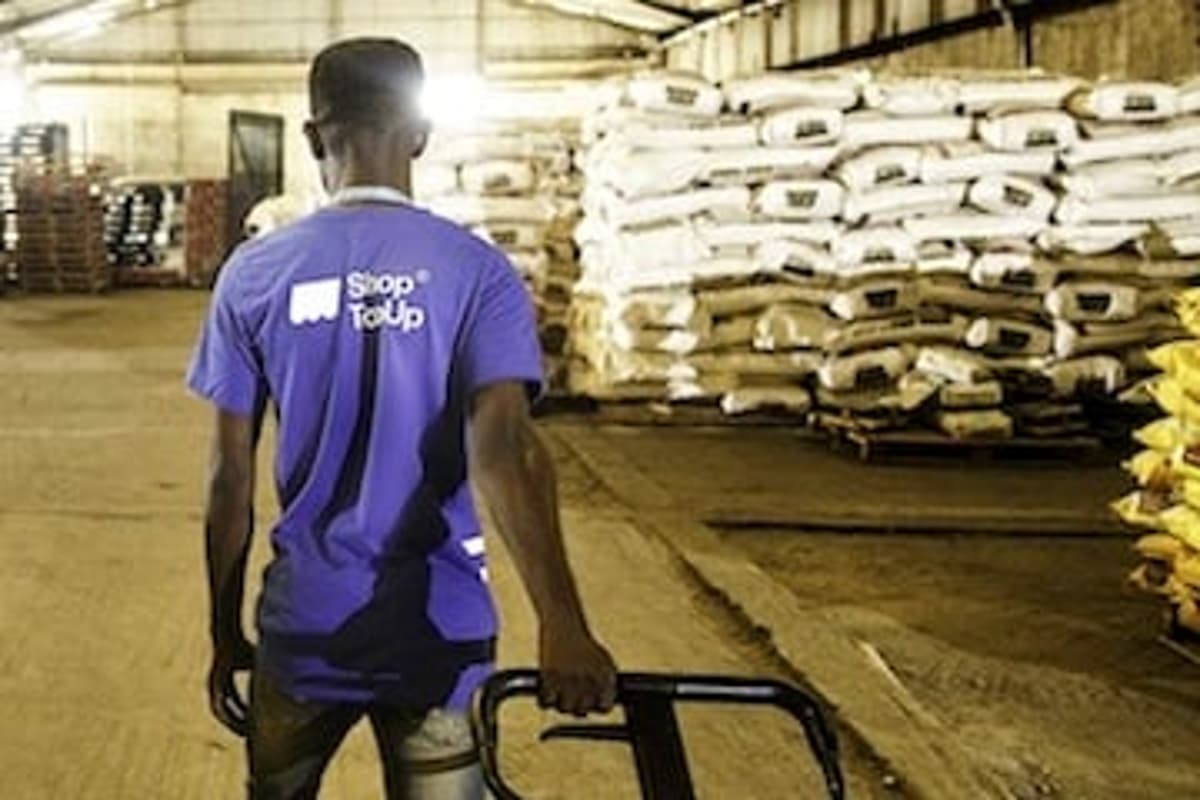
African consumer ecommerce is hampered by high acquisition costs and fragmented delivery, prompting a pivot toward B2B platforms that supply physical retailers. Companies like Nigeria’s TradeDepot and the MaxAB‑Wasoko merger are turning trucks into high‑density supply nodes while also offering...