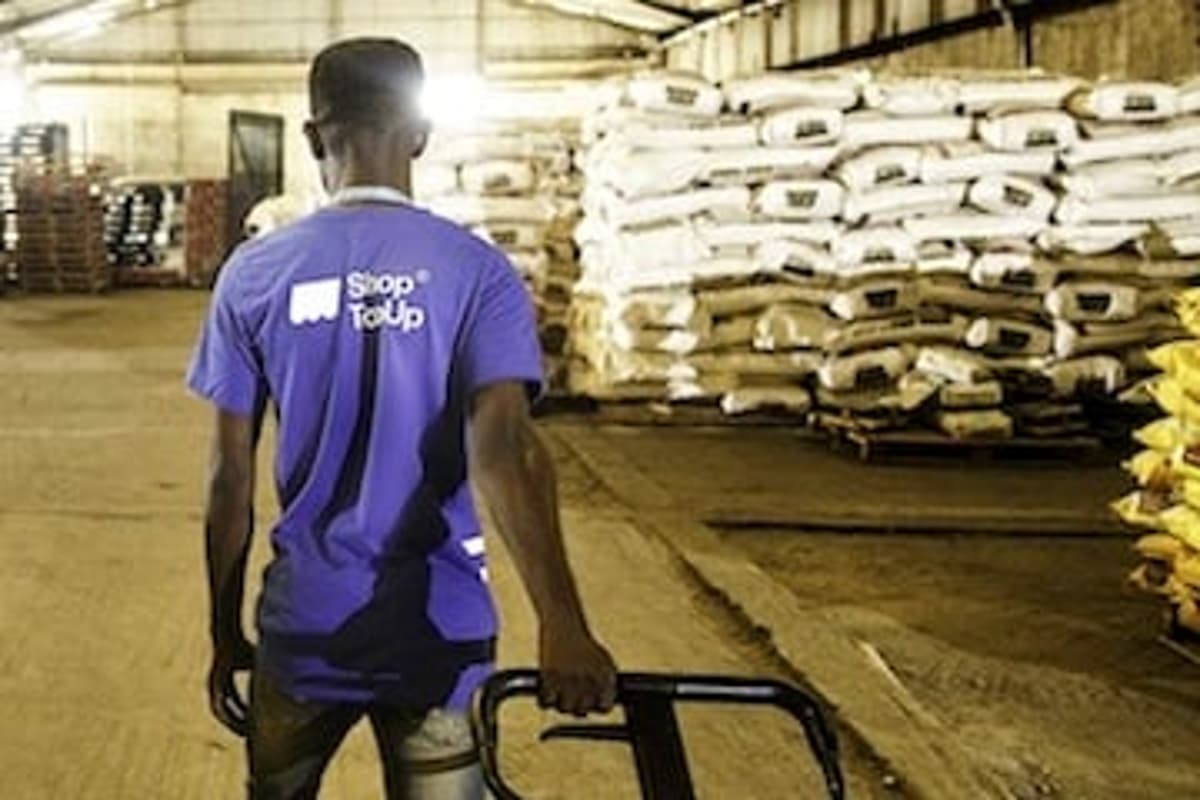
B2B Ecommerce Powers Africa Retail
Why It Matters
The shift gives brands a direct line to the continent’s 90% physical‑shop market and unlocks a new revenue stream through embedded finance, accelerating growth in a low‑margin environment.
Key Takeaways
- •B2B platforms now handle inventory sourcing and trade credit.
- •TradeDepot’s clustered routes boost delivery efficiency fivefold.
- •MaxAB‑Wasoko serves 450k merchants, $180M finance turnover.
- •Distributor data gives brands SKU‑level visibility at retail.
- •Embedded finance becomes primary profit driver in low‑margin markets.
Pulse Analysis
The African retail landscape remains overwhelmingly physical, with roughly ninety percent of consumer spend occurring in mom‑and‑pop shops, kiosks and market stalls. Traditional B2C ecommerce struggles against costly customer acquisition and unreliable last‑mile delivery, especially in congested cities like Lagos. B2B ecommerce platforms have stepped in, transforming from simple ordering apps into full‑stack supply‑chain operators that source inventory, manage warehousing, and extend trade credit to tiny retailers. This model reduces the friction of fragmented demand and creates a scalable distribution network that can move multiple orders in a single truckload, dramatically improving logistics efficiency.
Logistics efficiency is only part of the equation; working capital is the real catalyst. TradeDepot’s pre‑selling strategy guarantees high‑density routes, allowing a single vehicle to deliver five times the volume of a typical B2C courier. Meanwhile, the MaxAB‑Wasoko merger now serves over 450,000 merchants and runs a finance arm that generates roughly $180 million annually, with repayment rates above 99 percent. By capturing transaction data at the SKU level, distributors can offer revolving inventory credit, turning the act of restocking into a profitable service. This data‑driven credit model not only mitigates banks’ risk aversion but also creates a recurring revenue stream for the distributors themselves.
For consumer‑goods brands, the implications are profound. Real‑time visibility into which products sell where enables dynamic pricing, targeted promotions, and precise inventory allocation, bypassing traditional wholesale opacity. In a market where margins hover between two and five percent, the true value lies in the data and financing embedded within each transaction. Brands that partner with distributors owning the last mile and offering credit will secure shelf space, reduce stock‑outs, and ultimately capture a larger share of Africa’s burgeoning retail spend. The convergence of logistics, finance, and analytics signals a new growth frontier for both distributors and manufacturers across the continent.
B2B Ecommerce Powers Africa Retail
Comments
Want to join the conversation?
Loading comments...