
Southco Showcases Rail Access Hardware at RSN
Southco, a global engineered access‑hardware leader, will showcase its rail solutions at the Rolling Stock Networking (RSN) Derby 2026 event on July 2, 2026. The company will be located at Stand P9, presenting a suite of latching systems, hinges, captive fasteners, positioning technology, and electronic access products designed for demanding rail environments. Southco aims to demonstrate how its hardware can improve safety, streamline maintenance, and reduce downtime for rolling‑stock operators. Attendees can meet the engineering team for live demos and application guidance.

Cybersecurity Is Now a Passenger Safety Issue
Rail operators increasingly rely on digital systems, making cybersecurity a passenger safety issue. Recent transport cyber incidents show that attacks can disrupt signalling, communications, and control platforms, directly threatening passenger evacuation. The article stresses the need for resilient emergency egress...

US Passenger Rail Funding Faces Uncertain Future Under BUILD America 250
The House Transportation and Infrastructure Committee’s BUILD America 250 Act authorises roughly $63.9 billion for Amtrak, the Federal Railroad Administration and passenger‑rail grants over five years. Unlike the 2021 Infrastructure Investment and Jobs Act, the bill provides no multi‑year appropriations, meaning...
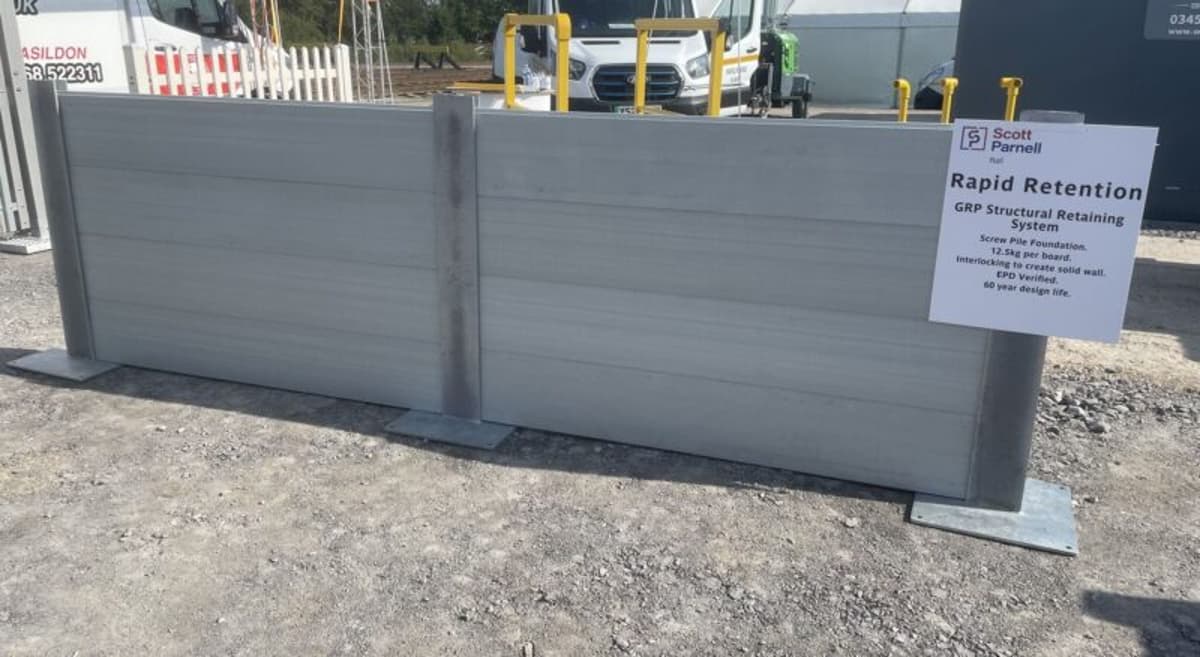
See Complete Composite Systems Products on Display at Rail Live
Complete Composite Systems (CCS) will showcase its low‑carbon composite portfolio at Rail Live, the UK’s premier rail exhibition held June 17‑18 at Porterbrook’s Long Marston Rail Innovation Centre. The company’s partners, Scott Parnell, will display the ARCOSYSTEM® elevated cable containment system...
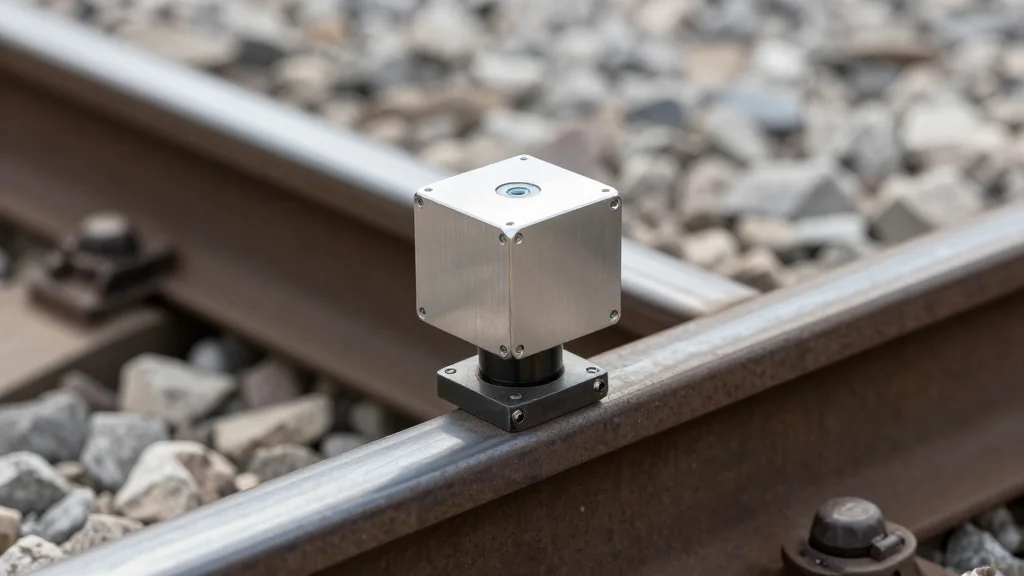
ASC Sensors in the Spotlight as Strainsense Exhibits at Rail Live UK
Strainsense, the official UK reseller for ASC Sensors, will exhibit at Rail Live 2026 on Stand M100, showcasing ASC’s high‑performance accelerometers, gyroscopes and other sensor technologies for rail and infrastructure monitoring. The company highlights its ability to provide precise measurements for rolling‑stock,...

Rail Intervention Prioritisation When Budgets Tighten
Rail operators face tighter budgets, yet network assets still require maintenance, safety upgrades, and performance improvements. The article argues that effective intervention prioritisation must move beyond instinct and local urgency, relying on integrated data, realistic cost models, and scenario planning....
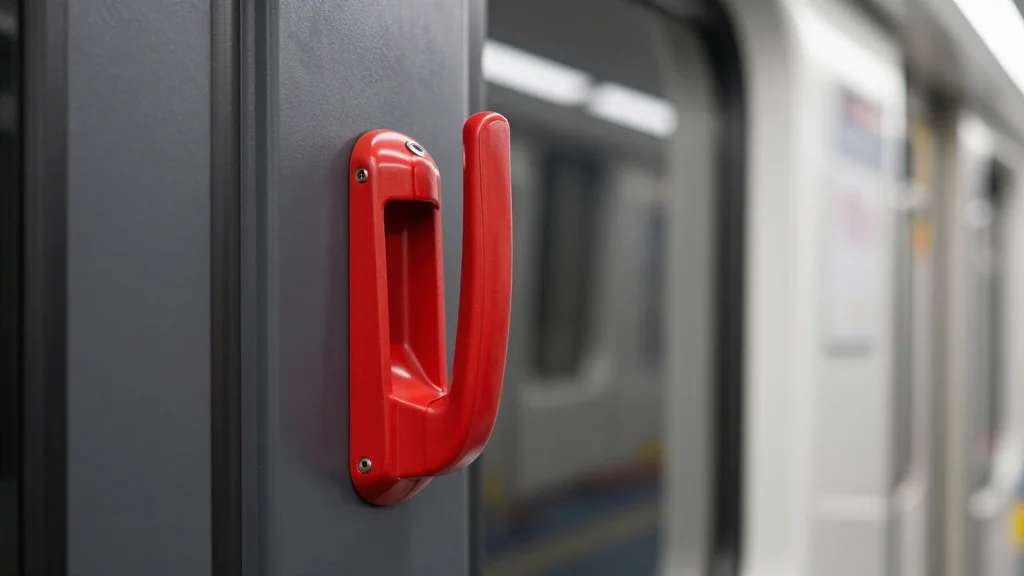
The 20-Second Rule: Engineering Escape Under Pressure
The article highlights the “20‑second rule”—a benchmark from UNECE Regulation 107 requiring emergency glazing on buses to be removed within 20 seconds—and argues its relevance for rail safety. Modern trains rely on electronic systems, but physical egress speed remains critical during...

Knuckles, Couplers, and Yokes: Why Connection Components Matter
Railcar knuckles, couplers and yokes form the high‑stress link that keeps trains moving, transferring pulling and compressive forces between cars. Wear, corrosion or mis‑fit can instantly sideline a car, turning a modest part price into costly downtime. Fast access to...

California High-Speed Rail Identifies Private Consortium for Future Network Expansion
The California High-Speed Rail Authority announced that it will award a co‑development agreement to Momentum Alliance Partners by June, selecting an eight‑member international consortium to help finance and build future rail segments beyond the Central Valley. The model lets private...

International Railway Summit: Military Mobility – Is Europe’s Railway Prepared?
At the 14th International Railway Summit, NATO’s demand to deploy 100,000 troops in ten days sparked a deep dive into Europe’s rail readiness. Ukrainian Railways highlighted its rapid wartime shift, moving over 4.2 million civilians and installing electronic‑warfare protection across 500 km...

Dual Inventive’s May Blog
Dual Inventive highlights how its remotely managed track safety technologies are moving from trial phases to routine deployment across UK and European rail networks. Usage data from late 2025 and early 2026 shows hundreds of activations, delivering faster access windows,...

International Railway Summit: Great British Railways, Privatisation & Integration
Britain’s rail sector is undergoing a major overhaul as Great British Railways (GBR) prepares to reunite infrastructure and train operations under a single public authority. The International Railway Summit highlighted the debate between integrated versus separated models, citing ticket‑ing fragmentation...
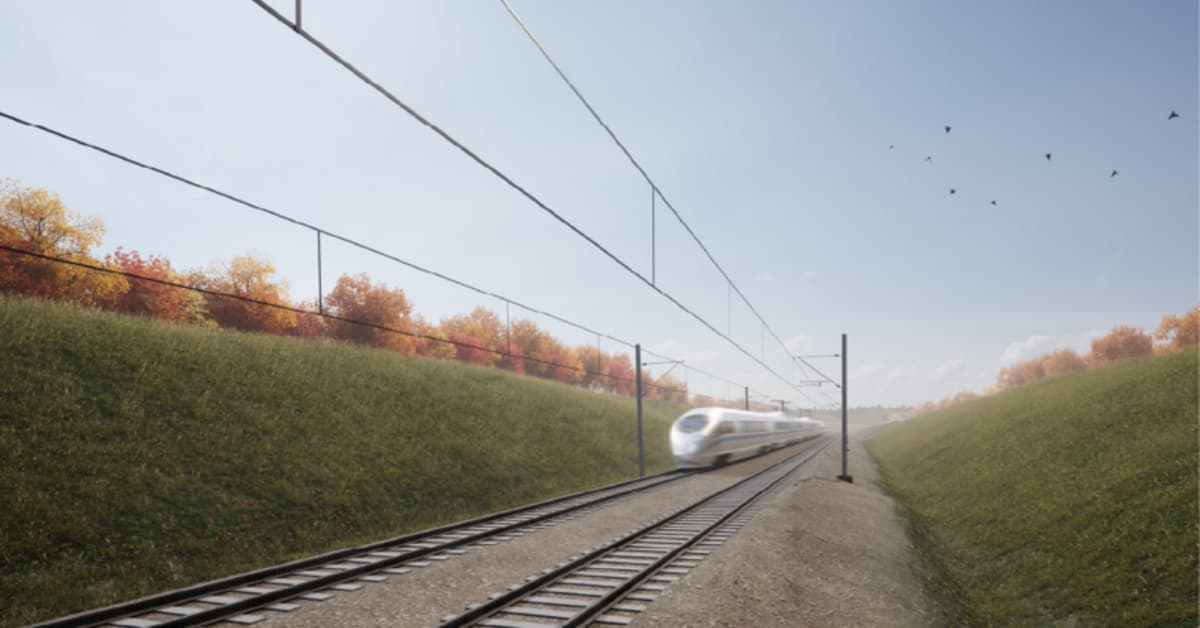
Port Polska.KDP to Procure Rolling Stock for Poland’s Future Rail Network
Port Polska.KDP, a new rolling‑stock operating company within the Centralny Port Komunikacyjny (CPK) group, has been created to procure high‑speed, Aero Express and Regio Express trains for Poland’s future rail network. Tenders for both high‑speed and conventional fleets are slated...

Holland at InnoTrans 2026
Holland is showcasing its most extensive exhibit at InnoTrans 2026, featuring the Intelliweld® Gauge Corner Restoration (GCR) machine for tram rail systems. The GCR provides an automated submerged‑arc welding solution that restores side‑worn grooved rail in place, extending asset life and...

Renfe Renews Partnership with Expretio, Strengthening Rail Revenue Management Innovation
Renfe has renewed its decade‑long partnership with Expretio, extending the use of the Appia revenue‑management platform. The agreement adds seamless integration with Renfe’s in‑house reservation system and the upcoming Sqills CRS, while delivering S3P 2.0 compliance and AI‑driven market intelligence. Enhanced...