
Cardiovascular Health 2026
A massive Mendelian randomization analysis of 173,082 genetic exposures and over one million survival records shows that higher lifelong LDL‑cholesterol directly shortens lifespan. A one‑standard‑deviation rise in LDL (≈38.7 mg/dL) cuts overall life expectancy by about 1.21 years and reduces the odds of reaching the 90th‑percentile survival threshold by 28 percent. Genetic proxies for PCSK9 inhibition, mirroring modern PCSK9‑targeted drugs, were linked to roughly a full year of added life, while only 58 percent of LDL’s mortality impact is explained by classic heart attacks or strokes. The findings argue for early, sustained LDL‑lowering to maximize longevity.
Peptides / Bioregulators
Therapeutic peptide development has accelerated over the past decade thanks to new synthesis, modification, and analytical platforms, positioning peptides as a fast‑growing drug class. While FDA‑approved peptides remain limited to GLP‑1 analogues and a handful of niche indications, a flood...
2g/Day of DHA for 2 Years Has No Impact on Cognition or Hippocampal Volume (PreventE4)
The PreventE4 trial tested 2 g per day of DHA for two years in cognitively normal APOE ε4 carriers, achieving a significant rise in the CSF DHA‑to‑arachidonic‑acid ratio. Despite this biochemical target engagement, magnetic‑resonance imaging showed no change in hippocampal volume or...
Oral Peppermint Oil Rapidly Deflates Blood Pressure and Heart Rate in Clinical Trial
A randomized, placebo‑controlled trial of 40 unmedicated adults with pre‑ or stage 1 hypertension found that 100 µL of oral peppermint oil taken daily for 20 days lowered systolic pressure by 8.48 mmHg, diastolic by 4.57 mmHg, and resting heart rate by 8.92 bpm. The intervention...
Lifestyle Strategies and Mechanistic Implications for Slowing Neurodegeneration (Paper March 2026)
A 2026 narrative review in npj Metabolic Health and Disease by Gunning et al. evaluates four lifestyle interventions—intermittent fasting/ketogenic metabolic switching, calorie restriction, high‑quality diets (Mediterranean/MIND/DASH), and exercise—as strategies to slow neurodegeneration, especially Alzheimer’s disease. The authors map each intervention to...

Predicting Alzheimers & Dementia (and Minimizing Risk)
Recent preclinical work shows rapamycin clears soluble tau and amyloid by boosting autophagy, improving cognition in multiple AD mouse models. Human brain studies reveal chronic mTORC1 hyperactivation correlates with plaque and tangle burden, while transplant patients on mTOR inhibitors exhibit...
Omega-3 Supplements May Increase Risk of Cognitive Decline, Scientists Warn
A new ADNI observational study of 273 older adults found that self‑reported omega‑3 supplement users experienced faster cognitive decline over a median five‑year follow‑up, with the only imaging change being reduced brain glucose metabolism on FDG‑PET. The researchers controlled for...
Deep Generative Molecular Design and Its Value in Modern Drug Discovery (Paper Feb 26)
The February 2026 review maps the rapid rise of deep generative molecular design in drug discovery, arguing that AI is moving from virtual screening toward the creation of new, testable drug hypotheses. It categorises the field into three technical families—graph‑based...
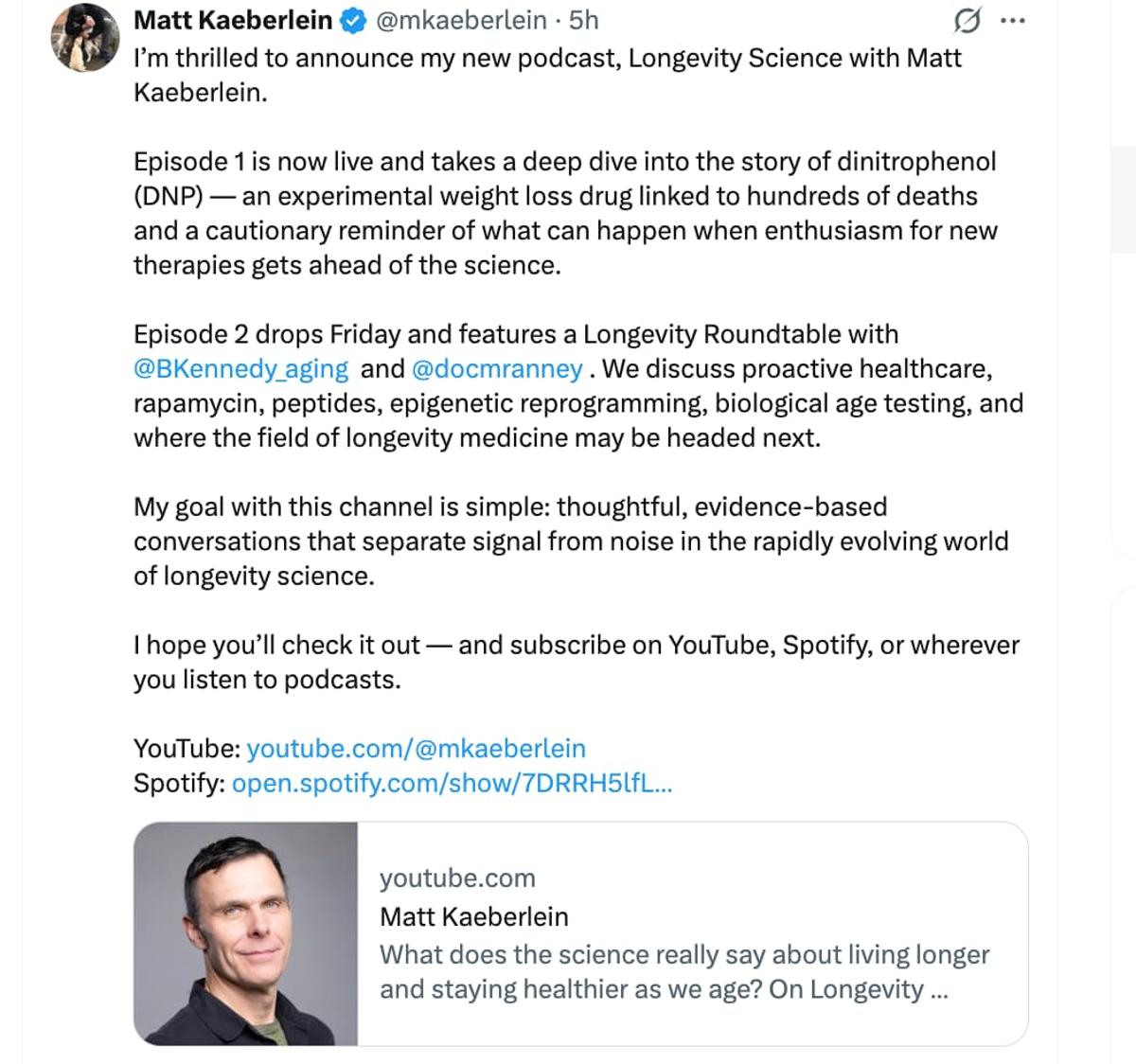
Matt Kaeberlein's New Longevity Science Podcast / Youtube Channel (May, 2026)
Dr. Matt Kaeberlein’s new longevity podcast warns that unapproved mitochondrial activators such as the research‑grade compound SLU‑PP‑332 are being prescribed despite lacking any human safety data. He draws a direct line from this modern gray‑market practice to the historic DNP...
Optimal Cardiovascular Protection May Require Substantially Higher Physical Activity Volumes
A new cohort analysis of 17,088 adults tracked over a median 7.9 years found a non‑linear relationship between moderate‑to‑vigorous physical activity (MVPA) and cardiorespiratory fitness (CRF). While meeting the current 150 minutes per week guideline modestly lowered cardiovascular disease (CVD) risk...
TPE Long-Term Effects in Healthy Elderly Same as Sham
A 2025 Aging Cell trial of therapeutic plasma exchange (TPE) with and without IVIG in 42 healthy adults over 50 showed a modest 2.6‑year biological‑age reduction at the mid‑point but no significant difference versus sham at the final assessment. The...
Amount of Central Fat Predicts Mortality Risk in Non-Obese Individuals
Recent clinical data confirm that targeted dietary strategies can dramatically reduce visceral and hepatic fat in non‑obese adults, independent of overall weight loss. Polyphenol‑rich Green Mediterranean patterns, high‑protein regimens, and resistant‑starch supplementation each show 40‑50% liver‑fat reductions, while extreme hypocaloric...
Sam Altman's Anti-Ageing Bet: How AI And Biology Are Beginning To Converge
Sam Altman is backing a new biotech venture that merges AI‑driven protein design with advanced cellular reprogramming to reverse biological aging. The company claims its platform can reset epigenetic clocks and simultaneously address age‑related diseases such as Alzheimer’s, cardiovascular disease,...

Canagliflozin - Another Top Longevity Drug
A small, exploratory randomized trial tested dapagliflozin, an SGLT2 inhibitor, in early‑stage Alzheimer’s disease. The primary endpoint—magnetic resonance spectroscopy measurement of brain N‑acetylaspartate—showed no significant difference versus placebo. Nonetheless, the drug markedly increased systemic glucose disposal, confirming its expected metabolic...
Testosterone Shots: SubQ or IM?
A 2022 head‑to‑head trial of 234 hypogonadal men compared weekly intramuscular testosterone cypionate with subcutaneous testosterone enanthate. Both routes achieved equivalent total testosterone levels, but the subcutaneous group showed significantly lower post‑therapy estradiol and hematocrit. The flatter absorption curve of...
GHK-Cu Rescues Cigarette Smoking‐induced Skeletal Dysfunction via Sirt1
The so‑called Glow Protocol mixes GHK‑Cu, TB‑500 and BPC‑157 into a sub‑cutaneous blend marketed by clinics as an anti‑aging treatment. No peer‑reviewed human trials exist for this injection regimen; the evidence base consists mainly of animal studies and topical human...
Update on Brad Stanfield's Rapamycin Clinical Study in NZ
Brad Stanfield’s New Zealand rapamycin trial tested a 6 mg weekly dose over 13 weeks in sedentary adults aged 65‑85. The intervention blunted improvements in functional tests such as sit‑stand, walking speed, and grip strength compared with an exercise‑only control, though participants...
Too Much or Too Little Sleep May Speed Aging in Brain, Heart, and Lungs
A large observational study of more than half a million adults found that sleeping between 6.4 and 7.8 hours per night is associated with slower biological aging, reduced risk of cardiovascular, pulmonary and neurodegenerative disease, and longer lifespan. Participants who...
Effects of tDCS/tACS? Stochastic Resonance? Glymphatic Waste Clearance?
Oxford researchers examined whether transcranial random noise stimulation (tRNS) could accelerate mathematical learning in 72 university students. Participants received five days of prefrontal tRNS while completing calculation and memorisation tasks, with a sham group as control. Students with weaker baseline...
Olive Oil and Coffee May Slow Ageing, Study Suggests
Researchers have found that diets high in polyphenol‑rich foods such as olive oil, coffee, berries, and cocoa can slow age‑related DNA changes and reduce wrinkle formation. The study observed that participants consuming large amounts of these antioxidants exhibited fewer markers...
Predicting Alzheimers & Dementia (and Minimizing Risk)
A wave of new research links environmental and immunological factors to dementia risk. Epidemiological data show heat‑related illness raises long‑term dementia incidence, while regular sauna exposure appears to cut Alzheimer’s risk by roughly two‑thirds. Observational studies also suggest the recombinant...
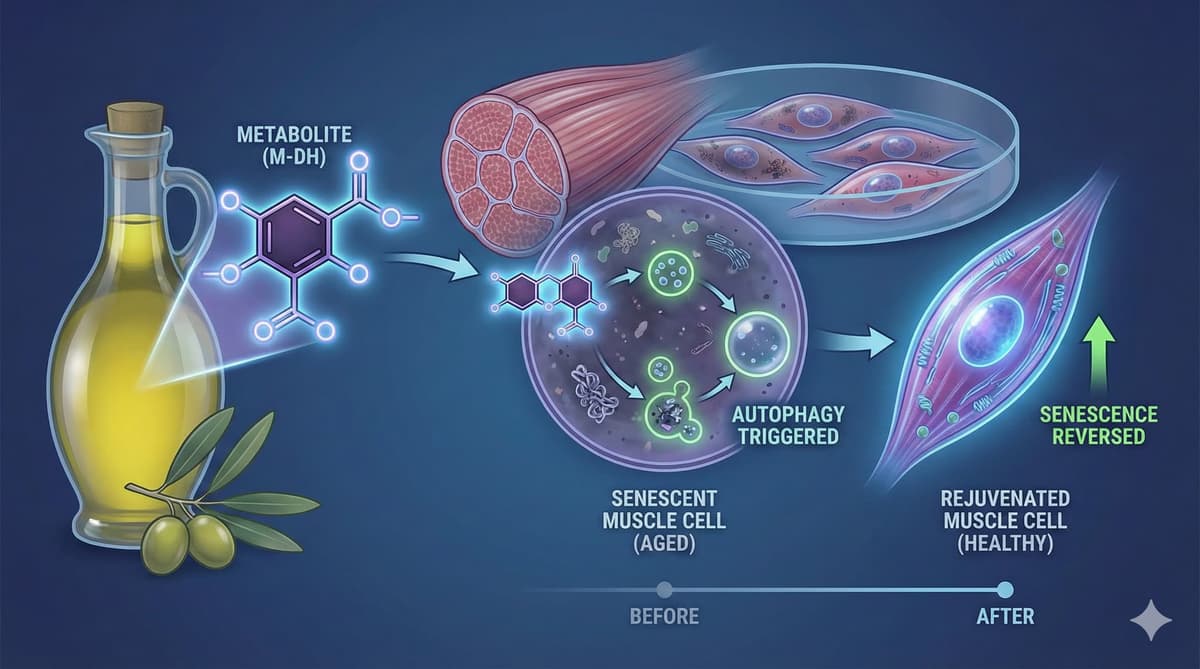
Olive Oil’s "Dark Horse" Metabolite Triggers Autophagy and Reverses Senescence in Human Muscle
Researchers at the University of Udine and Sorbonne Université identified Oleuropein Aglycone (OLE), a polyphenol in extra‑virgin olive oil, as a potent activator of the AMPK‑FOXO3a‑Sestrin pathway in human skeletal‑muscle cells. In vitro experiments showed a 43% reduction in reactive oxygen...
Magnesium-Acetyl-Taurate Superior to Magnesium L-Threonate? Recent Study Poinst to This Being True
A recent pre‑clinical rat study compared magnesium‑acetyl‑taurate (MAT) with magnesium L‑threonate (MLT) and found MAT superior in raising magnesium concentrations in brain tissue, blood plasma, cerebrospinal fluid, and muscle. MAT also delivered greater gains in spatial learning, memory, anxiety‑related behavior,...

Physionic Podcast Videos and Summaries / Transcripts
A 2023 meta‑analysis of 29,913 patients shows that pure EPA, administered as icosapent ethyl, significantly reduces myocardial infarction, cardiovascular death and all‑cause mortality. The REDUCE‑IT trial, using 4 g daily of prescription EPA, delivered a 25 % relative risk reduction and a...

Fasting-Mimicking Diet Clinical Trial Led to 2.5 Years of Reduced Biological Aging, 12.5 Years Increase I Max Life Expectancy if...
A recent clinical trial of a fasting‑mimicking diet (FMD) reported a 2.5‑year reduction in biological age and, if sustained for two decades, a projected 12.5‑year increase in maximum life expectancy. Participants in online forums describe lower hsCRP, improved heart‑rate variability,...

How the Collapse of Nitric Oxide Signaling Accelerates Aging
A recent audit of commercial fermented beetroot powders uncovers major standardization gaps in fermentation methods, nitrate and betalain quantification, and drying processes. The analysis ranks five popular brands by cost per 100 mg of powder, showing Better Health as the cheapest...

Dietary Advanced Glycation End Products as Active Drivers of Biological Aging
Advanced glycation end products (AGEs) formed during high‑heat, dry cooking are now recognized as active drivers of biological aging rather than passive biomarkers. Dietary AGEs (dAGEs) cross‑link proteins and activate the RAGE‑NF‑κB axis, promoting oxidative stress, vascular stiffening, impaired bone...

More Sunshine = More Longevity?
Large epidemiological studies in the UK and Sweden link higher sunlight exposure to a 12‑15% drop in overall mortality and roughly a 50% reduction in death risk for sun‑seeking individuals. The Economist cites mechanisms beyond vitamin D, including UV‑triggered nitric oxide...
Discussing Drugs to Slow Ageing BSRA Youtube Video
The British Society for Research on Ageing hosted a public discussion with Professor Gordon Lithgow, highlighting that ageing is a modifiable biological process demonstrated in model organisms such as C. elegans. Lithgow emphasized the exposome’s potential to accelerate ageing, the...
Cardiovascular Health 2026
Recent imaging studies reveal that subclinical atherosclerosis is common well before symptoms appear. The PESA study shows 63% of asymptomatic adults aged 40‑54 have plaque in at least one vascular bed, while the SCAPIS trial reports 42% of 50‑64 year‑olds...
The Adiponectin Paradox: Fat’s Secret Longevity Signal or a Bio-Marker of Decline?
Adiponectin, a hormone secreted by fat cells, is celebrated for its anti‑inflammatory and insulin‑sensitizing effects, yet epidemiological data reveal a paradox: while centenarians exhibit high levels, elevated adiponectin in most older adults correlates with higher mortality and frailty. Researchers attribute...
Scientists Discover How Coffee Impacts Memory, Mood, and Gut Health
Scientists have identified that both caffeinated and decaffeinated coffee influence brain function and gut health. Clinical studies show caffeine improves short‑term memory, while decaf enhances mood by modulating the microbiome. Regular consumption of two to three cups daily reshapes gut...
Intensity Matters: High-Intensity Interval Exercise Enhances Motor Cortex Plasticity More Than Moderate Exercise
A recent Cerebral Cortex study shows a single 20‑minute high‑intensity interval training (HIIT) session markedly enhances motor‑cortex plasticity, outperforming moderate‑intensity continuous exercise and rest. Using transcranial magnetic stimulation, researchers observed increased cortico‑motor excitability and reduced intracortical inhibition after HIIT, while...
Omega-3 Supplements May Increase Risk of Cognitive Decline, Scientists Warn
Recent clinical observations highlight nuanced effects of cardiovascular therapies and diet on atrial fibrillation and neurovascular health. A small randomized trial found that high‑dose telmisartan (80 mg) reduced AF recurrences compared with the standard 40 mg dose, despite similar blood‑pressure control. Real‑world...

17-Alpha Estradiol - Another Top Anti-Aging Drug
The post details efforts to source 17α‑estradiol (alfatradiol) for anti‑aging and renal‑protective research, listing vendors and pricing—including Octagonchem’s $1,200 for 100 g and Shanghai Jizhi’s roughly $80 for 200 mg (≈¥568). It proposes a group‑buy workflow that starts with small‑scale sampling, purity...

Vitalist Bay Returns: Four Day Longevity Festival in the Bay Area, May 14 to 17
Vitalist Bay, a bootstrapped longevity festival, returns to Berkeley for a four‑day event May 14‑17, 2024. Organized by Adam Gries and Nathan Chang, the conference compresses two months of last year’s content into six thematic tracks covering AI in biotech, biopreservation,...
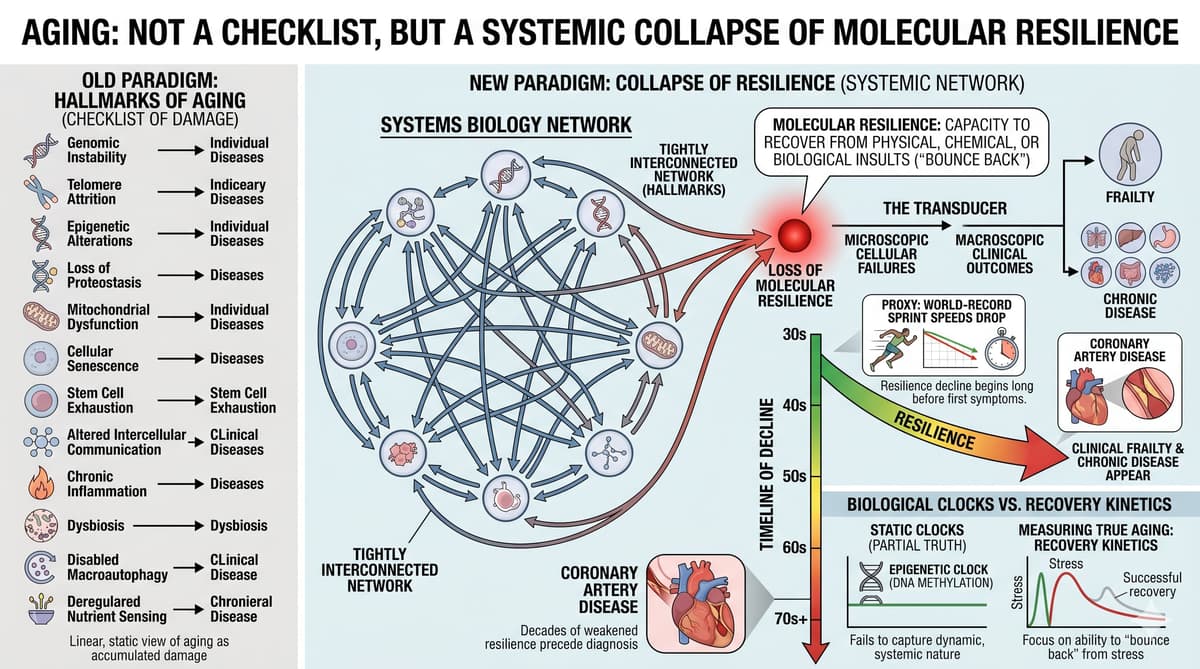
Loss of Resilience as the Key Measure of Aging, And How to Track It
A new kinetic resilience protocol shifts longevity medicine from static damage snapshots to dynamic stress‑response testing. By challenging metabolic, cardiorespiratory, autonomic and immune systems, clinicians can measure how quickly biology returns to equilibrium, using metrics such as OGTT clearance velocity,...

The Everything Technology and Longevity Thread
Samsung unveiled a smartphone display that can measure blood pressure with a single touch, expanding consumer health monitoring. Atlas emerged from stealth with $14 million funding to launch a behind‑the‑ear brain‑sensing wearable that provides real‑time mental acuity feedback. Google announced the...
Generally Good Indian Pharma Companies
An audit of top‑tier Indian generic manufacturers evaluated 20 therapeutic compounds based on market cap, API integration, ANDA volume, and GMP compliance. The review highlights Cipla, Sun Pharma and Zydus as leaders for propranolol, cardiovascular agents, and complex molecules like...
Predicting Alzheimers & Dementia (and Minimizing Risk)
Recent research highlights a multi‑pronged approach to predicting and preventing Alzheimer’s and other dementias. Large meta‑analyses show routine adult vaccinations can lower dementia risk by up to 40%, while a novel drug combo (ACX‑02) demonstrated rapid clearance of amyloid and...
S-Mitochonic Acid 5. Increases ATP, NAD+ and SIRTUINS
Researchers have synthesized the S‑enantiomer of Mitochonic Acid‑5 (MA‑5) with 99 % enantiomeric purity. The compound strengthens the mitochondrial protein Mitofilin, preserving crista junction geometry and boosting ATP synthase efficiency. It also acts as a direct NAMPT agonist, raising intracellular NAD⁺,...

Sleep 2.0 – Understanding and Upregulating the Rejuvenating Aspects of Good Sleep
Researchers have identified the plant‑derived alkaloid harmine as a candidate drug that reverses cellular aging caused by sleep loss. In animal studies and cultured human cells, harmine blocked the DREAM protein complex, restoring mitochondrial function and reducing oxidative stress. The...
Testosterone Replacement for Older Men
Matt Kaeberlein, a longevity researcher and Optispan CEO, began weekly testosterone injections in his 50s after testing revealed low levels. Six years of therapy has, by his account, boosted energy, mood, body composition and overall well‑being, positioning TRT as a...
Canagliflozin - Another Top Longevity Drug
The class of sodium‑glucose cotransporter‑2 (SGLT2) inhibitors has moved from glucose‑lowering pills to a cornerstone of cardiometabolic care. Large‑scale trials and real‑world registries consistently show that agents such as canagliflozin, dapagliflozin and empagliflozin cut heart‑failure admissions, slow chronic kidney disease...

Loyal Raises $100 Million: Dog Longevity Drugs Targeting IGF-1 and PPAR Pathways
Loyal, a biotech startup focused on canine longevity, raised $100 million in Series A funding to advance its anti‑aging pill that targets the IGF‑1 and PPAR pathways. The drug received a favorable “likely effective” assessment from the FDA, positioning it for market...
FOXO4-DRI Is Fascinating, but Was Never Intended for Human Use, What Are the Takeaways?
FOXO4‑DRI, a laboratory‑engineered senolytic peptide, has generated excitement for its ability to clear aged cells but was never designed for human administration. Enthusiasts are experimenting with off‑label protocols that combine FOXO4‑DRI, dasatinib, fisetin, quercetin and a suite of peptides such...
Telomeres: History, Health and Hallmarks of Aging
Bill Andrews, a co‑discoverer of human telomerase, argues that telomere shortening is the primary limiter of human lifespan and that systemic activation of telomerase can reverse biological aging. He promotes small‑molecule activators such as TAM‑818 and botanical blends like Telo‑Vital,...

Neural Maintenance: Why Some Brains Defy the Calendar
A new review in Ageing Research Reviews argues that chronological age is a poor predictor of cognitive performance, highlighting extreme inter‑individual variability. The authors identify the medial temporal lobe, especially the hippocampus and entorhinal cortex, as the hub where network...
The Strength Training Thread
Andy Galpin, PhD, challenges the long‑standing belief that core training belongs to high‑rep, low‑load endurance work. He argues that abdominal muscles share a roughly 50/50 mix of slow‑ and fast‑twitch fibers, so they obey the same hypertrophy and strength principles as...

The Thymus As A Key Target For Aging Intervention, Dr. Greg Fahy (May/2026 Berkeley)
Dr. Greg Fahy argues that restoring the thymus is essential for true immune rejuvenation, citing anecdotal benefits from long‑term HGH use and early data from his TRIIM program. Recent Nature papers link thymic health to lower mortality and stronger cancer‑immunotherapy...