
Siim Land: Biohacking Longevity, Health Span Truths & Cutting Through the Noise
Stanford geneticist Dr. Michael Snyder’s 13‑year multi‑omic study shows human aging is non‑linear, with two major molecular inflection points at roughly ages 44 and 60. About 81 % of tracked transcripts, proteins, metabolites, lipids and microbiome features shift dramatically at these milestones, creating distinct “ageotype” trajectories—metabolic, immune, hepatic or nephrotic. Revised modeling that strips extrinsic mortality raises intrinsic lifespan heritability to 50‑55 %, doubling prior estimates. Snyder proposes a three‑pronged longevity blueprint—autologous mitochondrial transplantation, targeted senolytics, and continuous stem‑cell replenishment—driven by wearable‑based personal baselines and high‑frequency dried‑blood‑spot sampling.
Turning Back Time: A Comprehensive List of Interventions that Decrease Next-Generation Epigenetic Aging Clocks in Humans
A systematic review in Frontiers in Genetics evaluated 41 human trials to see which interventions move next‑generation epigenetic aging clocks such as GrimAge, OMICmAge and DunedinPACE. The analysis found that GLP‑1 agonist semaglutide, FTC/TAF, omega‑3 supplementation and lifestyle changes like...
The Longevity Show - The UK’s First Longevity Festival - 26 – 27 June 2026
The Longevity Show announced its inaugural Top 30 startup finalists, chosen from 95 entries spanning 32 countries. The cohort covers AI‑driven diagnostics, women’s health, nutrition, oncology, and environmental health, reflecting a broader move toward preventive and scalable longevity solutions. The competition...
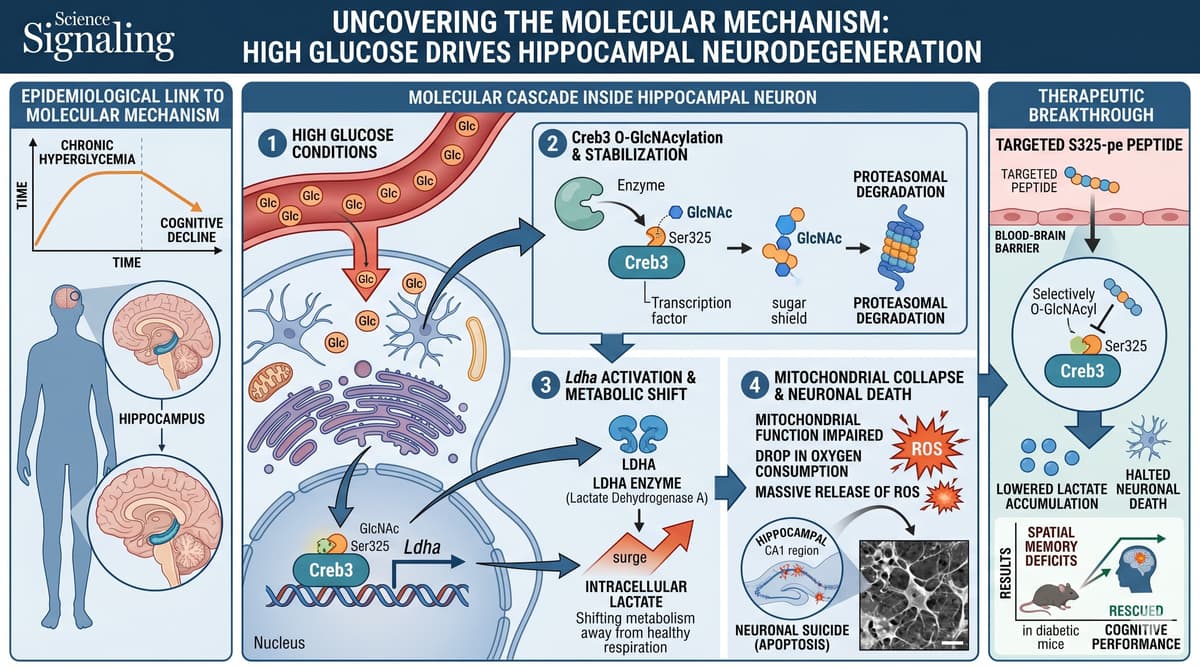
The Sugar Brain Drain: How Diabetes-Induced Lactate Accumulation Triggers Cognitive Decline
A new study in Science Signaling reveals that chronic high blood sugar drives a metabolic cascade in hippocampal neurons, leading to excess lactate production and cognitive decline. The researchers identified O‑GlcNAcylation of transcription factor Creb3 at Ser325 as the trigger...
Rapamycin Signalling Profile on THP-1
A 24‑hour, 10 µM rapamycin treatment of the THP‑1 monocytic leukemia cell line triggers a complex transcriptional rewiring. Negative feedback loops in the PI3K/AKT/mTOR axis are released, leading to up‑regulation of PIK3R1, AKT isoforms and mTORC1 scaffolds while FOXO3 mRNA is...
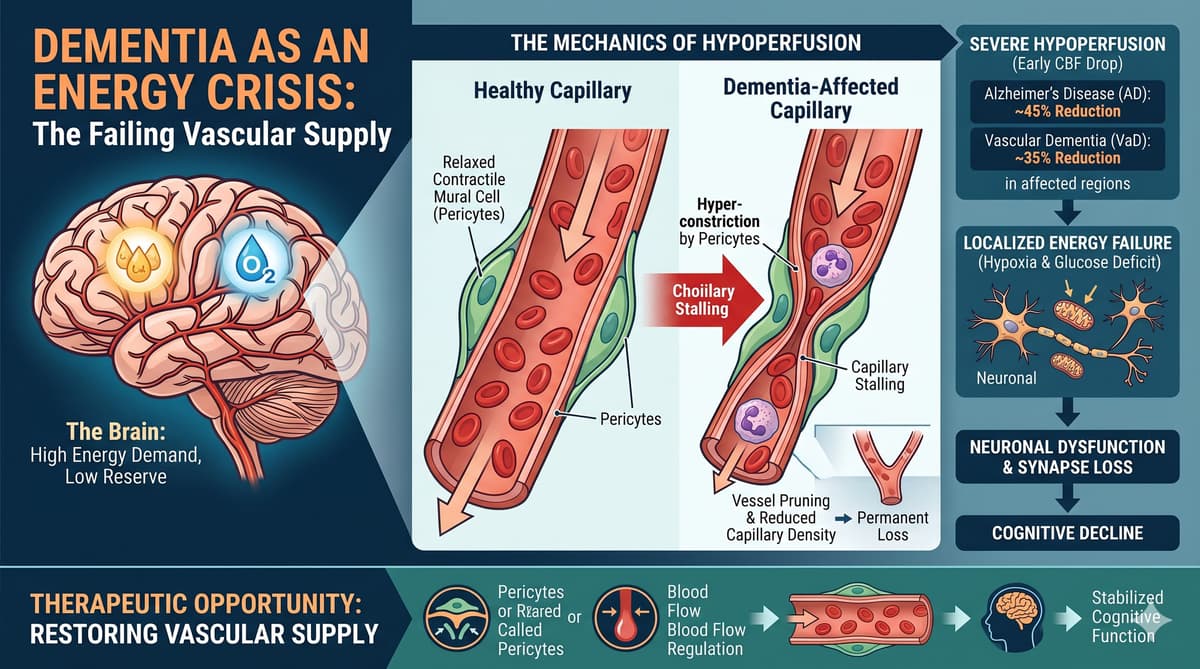
The Brain's Broken Plumbing: Why Diminishing Blood Flow Drives Dementia
A new review from University College London argues that declining cerebral blood flow, not amyloid or tau, is the primary driver of Alzheimer’s and vascular dementia. The authors show blood flow falls 0.3‑0.5% per year, reaching a 45‑50% deficit in...
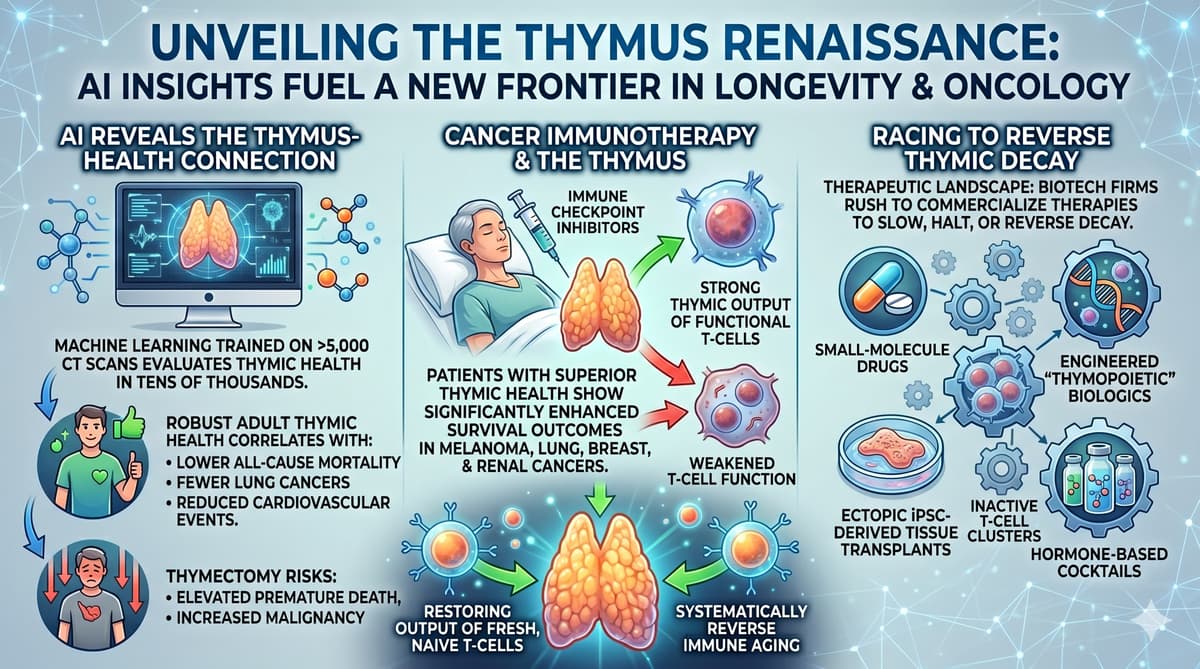
The Thymus Renaissance: Reawakening the Body's Forgotten Immune Engine for Longevity
Decades of belief that the adult thymus is vestigial have been overturned by large‑scale AI analyses of thousands of CT scans, which show that preserved thymic tissue strongly predicts lower all‑cause mortality, fewer lung cancers, and reduced cardiovascular events. A...
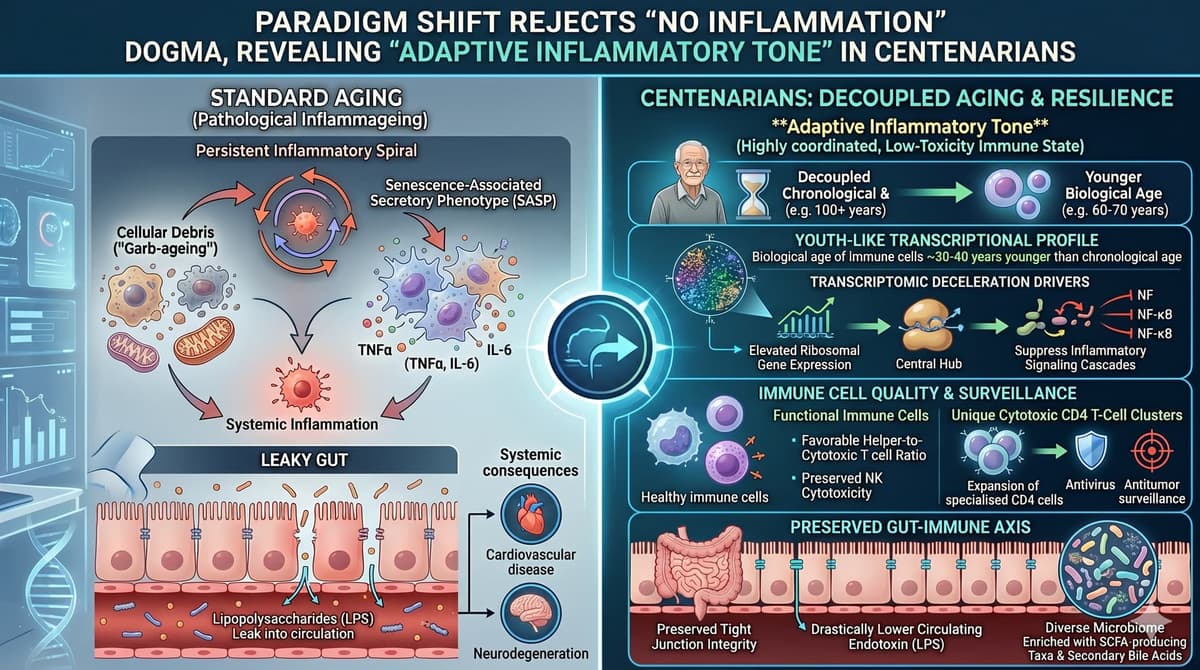
The Century-Old Immunome: Learning From the Adaptive Shield of Human Centenarians
The article outlines translational strategies to mimic centenarians’ elevated RNASEH2C activity, which clears cytoplasmic RNA:DNA hybrids and dampens chronic inflammation. It proposes four therapeutic levers: epigenetic maintenance to prevent RNASEH2C hyper‑methylation, delivery of centenarian‑derived extracellular vesicles, upstream protection of mitochondrial...
This Single Dietary Shift Cuts Cellular Damage By 25% (Modern Healthspan)
Researchers at USC published a cross‑sectional study in Frontiers in Nutrition showing that high adherence to a traditional Mediterranean diet markedly raises circulating mitochondrial‑derived peptides Humanin and SHMOO in older adults with atrial fibrillation. Participants with the highest diet scores...
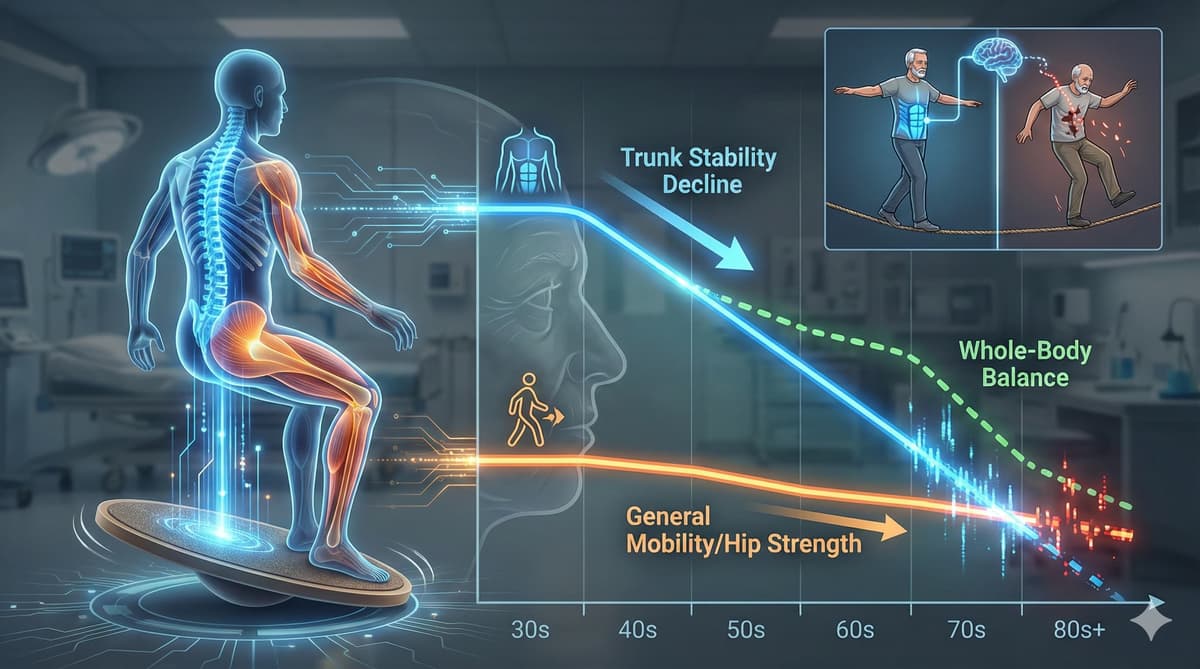
Core Stability: The Silent Biomarker of Aging That Outpaces Mobility and Strength
A new “Neuromuscular Core Calibration” protocol recommends unstable‑surface training to restore age‑related loss of core proprioception. Meta‑analyses define a minimum effective dose of 2–3 weekly 20‑30‑minute sessions over six weeks, delivering measurable balance gains within 2–4 weeks and muscle density...

Retatrutide - Possibly Better than Semaglutide B/C Lower Nausea/Side Effect Profile, but Higher Heart Rate
Retatrutide, a triple‑hormone GIP/GLP‑1/glucagon receptor agonist, demonstrated a dose‑dependent rise in resting heart rate of about 9‑10 bpm by week 24, sustaining 6‑7 bpm through week 48. In late‑stage trials the drug produced unprecedented 28‑30% weight loss over 1‑2 years while showing a lower nausea...
Whole Genome Sequencing
Human Longevity, Inc. announced a clinical‑grade whole‑genome sequencing (WGS) service priced at $599, delivering 30× coverage and AI‑generated disease‑prevention reports. The offering aims to make genomic medicine accessible to a broader consumer base, positioning the company against lower‑cost narrative reports...
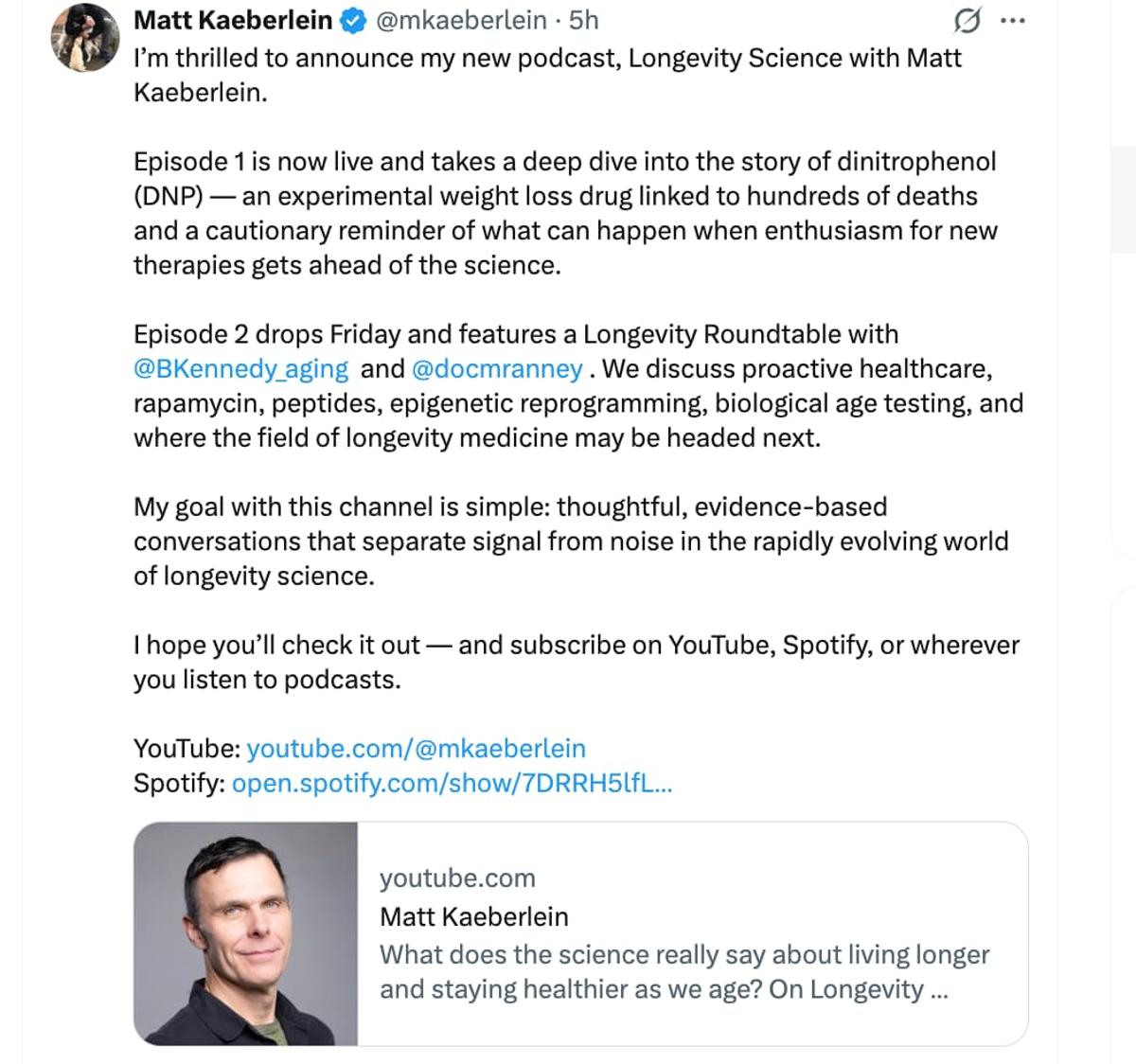
Matt Kaeberlein's New Longevity Science Podcast / Youtube Channel (May, 2026)
Dr. Matt Kaeberlein’s Longevity Science podcast provides a biochemistry‑focused audit of the burgeoning peptide market, clarifying that true peptides are short amino‑acid chains and excluding compounds like NAD+ and rapamycin. He evaluates leading peptides—synthetic mitochondrial agent Elamipretide and the popular...
Cardiovascular Health 2026
A new primary‑prevention trial of the PCSK9 inhibitor evolocumab enrolled over 12,000 high‑risk patients without prior heart attacks or strokes and followed them for 4.6 years. The drug cut LDL‑C by 55%, ApoB by 44% and delivered a 25% relative...
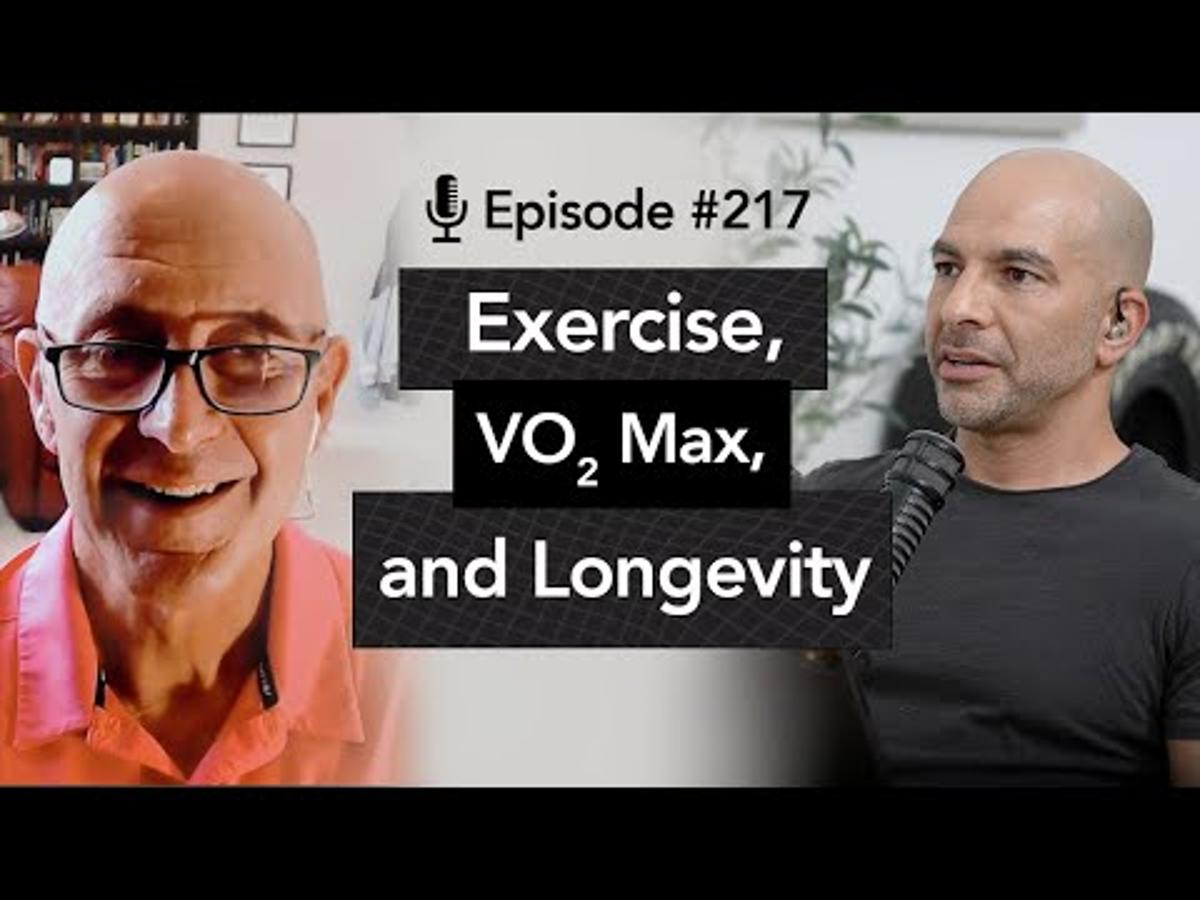
Exercise, VO2 Max, and Longevity | Mike Joyner, M.D
The video reviews major HIIT protocols, comparing supramaximal sprint intervals, longer high‑intensity bouts, and low‑volume “exercise snacks.” It finds that longer intervals (e.g., the Norwegian 4x4) drive superior cardiac remodeling, while the Gibala 1‑minute method offers the best balance of...