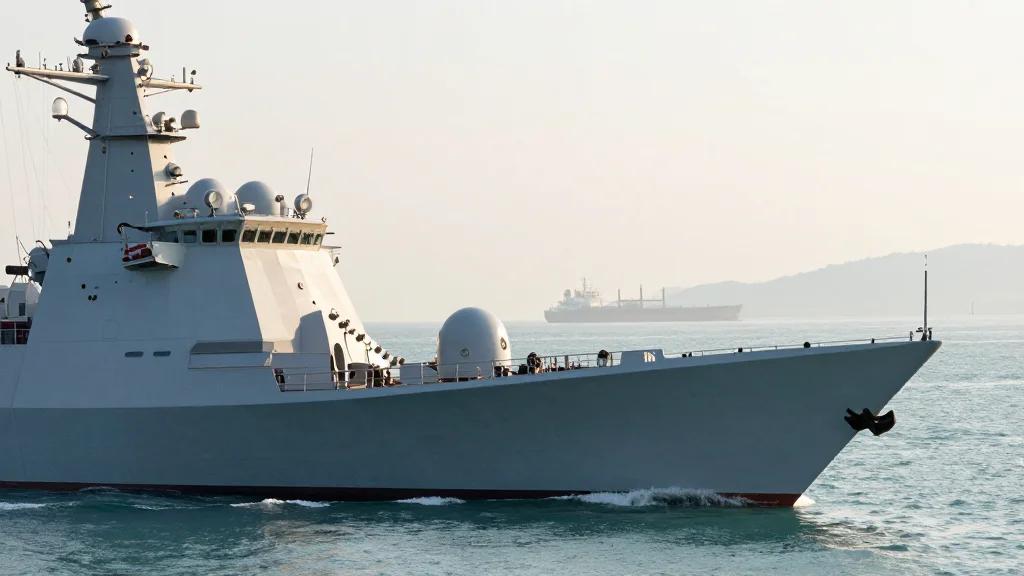
Iran Launches Navy Drills To 'Control' Strait of Hormuz
On February 16, 2026, Iran announced a series of naval exercises in the Strait of Hormuz, framing them as a move to “control” the strategic waterway. The drills follow the U.S. Navy’s decision to station a second aircraft carrier in the region, heightening military posturing on both sides. Iran’s maneuvers aim to demonstrate its ability to influence one of the world’s most critical oil transit routes, where roughly one‑fifth of global petroleum passes daily. Analysts warn the exercises could elevate shipping risks and impact energy markets.
Can the U.S. Repeat Its Venezuela Success in Iran?
The Trump administration recently forced a political opening in Venezuela by deploying sweeping sanctions that crippled Maduro’s oil revenues and emboldened opposition forces. Analysts are now questioning whether the same playbook can be applied to Iran, where Washington has already...
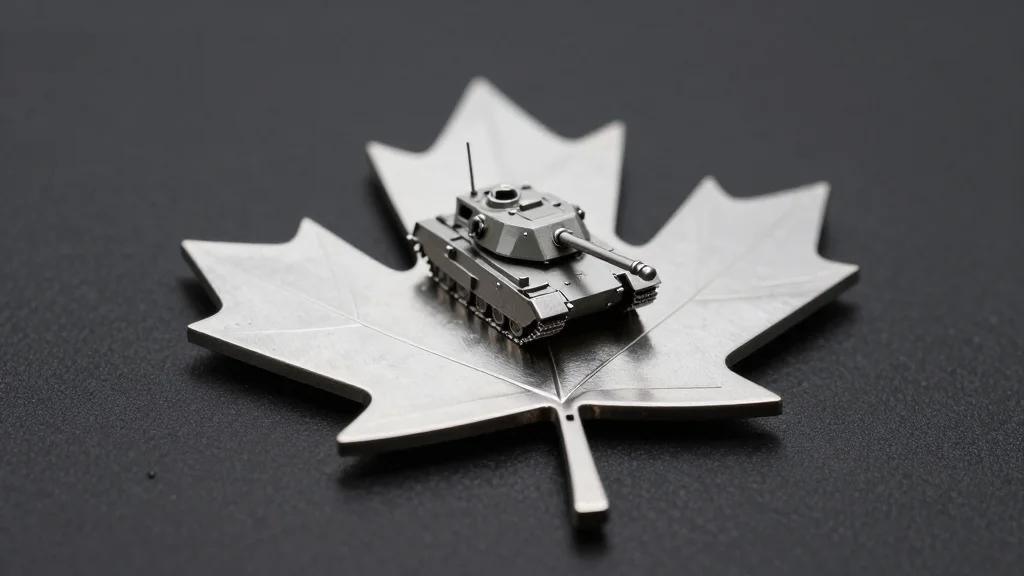
Is Canada Turning Into a Chinese Proxy?
Canada announced a multi‑billion‑dollar shift to fund domestic defense manufacturing, moving away from traditional purchases from U.S. defense firms. The policy signals a growing rift in the historically close Canada‑U.S. security partnership. Officials framed the move as a boost for...
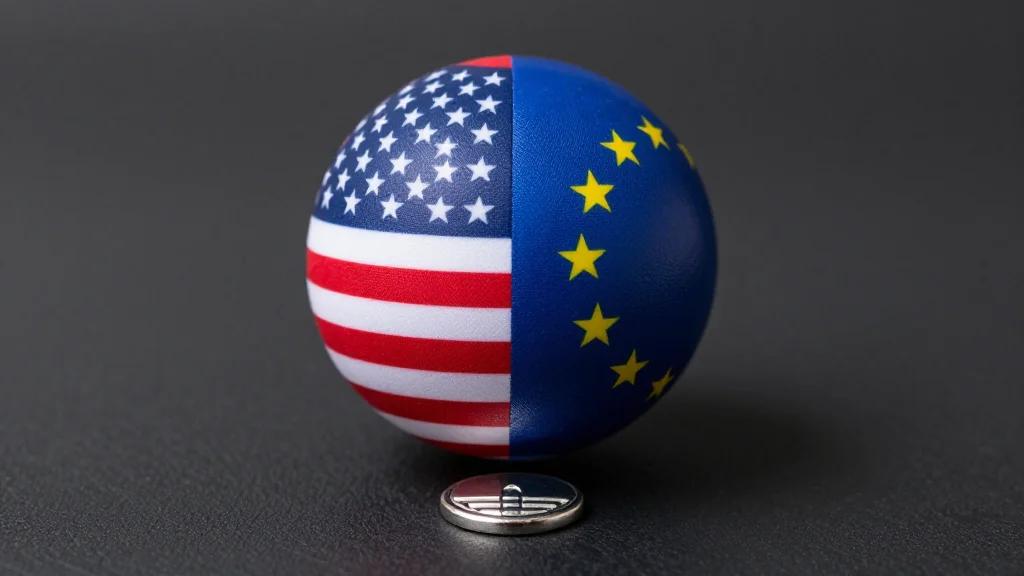
The West vs the West at Munich
U.S. Secretary of State Marco Rubio received a standing ovation from half the audience at the Munich Security Conference after declaring that Europe’s fate will never be irrelevant to America. The applause signaled European relief amid concerns that the Trump...
Why Russia Can't Win in the War in Ukraine
Russia’s invasion of Ukraine has entered its 1,418th day, surpassing the duration of the Soviet Union’s fight against Nazi Germany. Analysts argue that Russia lacks the strategic depth, logistical capacity, and domestic support needed for a decisive victory. Western sanctions,...
Cuba's Alliances Are Crumbling in Trump's World
U.S. President Donald Trump repeatedly warns that Cuba is on the brink of collapse, a stance reflected in heightened sanctions and diplomatic pressure. The island’s traditional backers, notably Russia and Venezuela, are scaling back economic and political support amid growing...
Why a Resurgent Japan Is Good for Asia
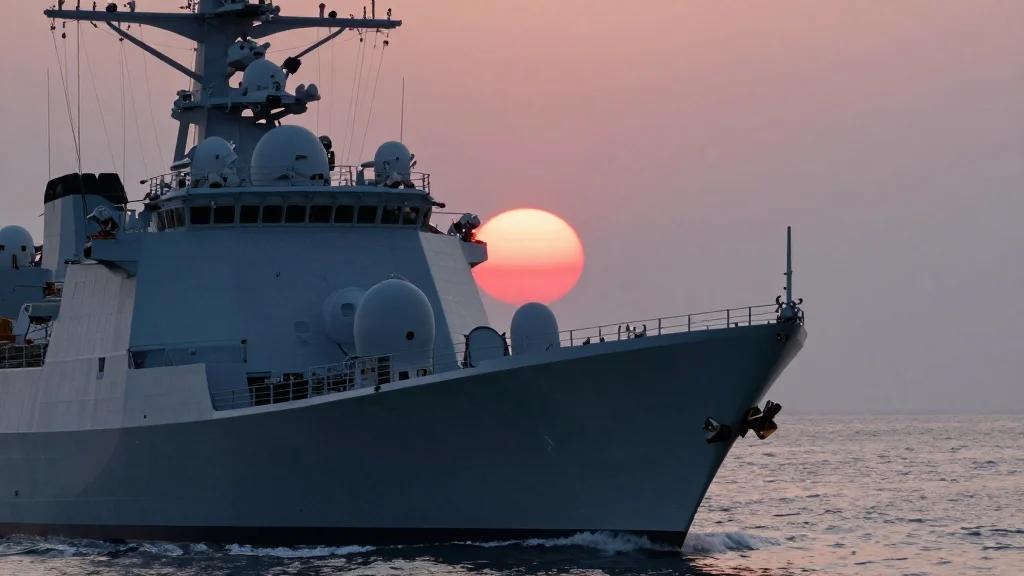
Japan’s newly elected prime minister Sanae Takaichi secured a landslide victory, bringing a right‑wing nationalist agenda to the forefront. Beijing responded with a stark warning, urging Tokyo to pursue peaceful development rather than a return to militarism. Takaichi’s stance on...
Rubio Reassures Europe — but Only if They Change Course
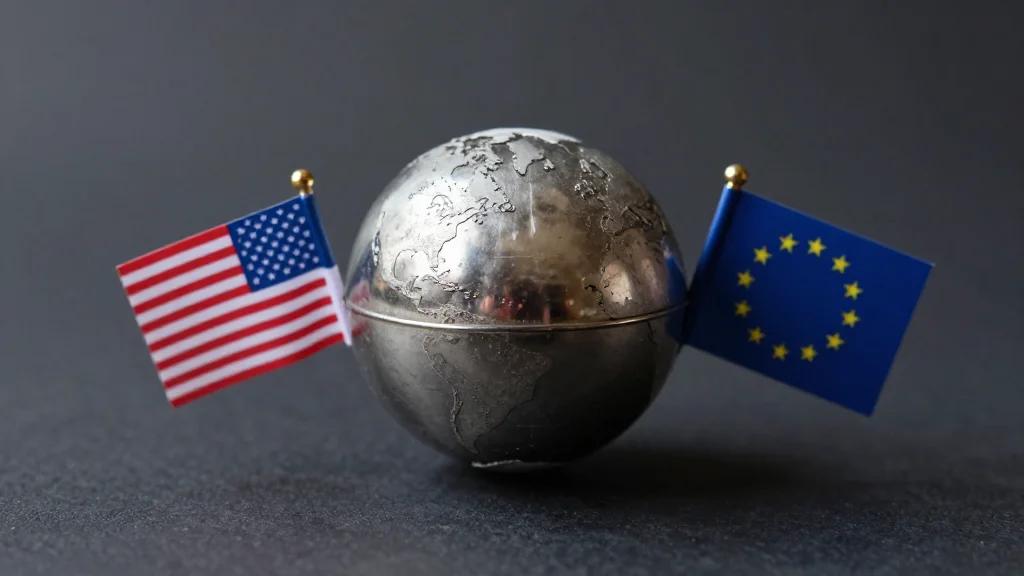
Secretary of State Marco Rubio delivered a high‑profile speech at the Munich Security Conference, reassuring European leaders that the United States remains committed to the transatlantic partnership. He emphasized continuity in security cooperation while simultaneously urging Europe to adjust its...
Autonomy, Anxiety, and the Twilight of Transatlantic Order
The Munich Security Conference underscored a growing crisis in transatlantic relations, with European leaders expressing anxiety over perceived U.S. disengagement. Discussions centered on the EU’s push for strategic autonomy and the broader erosion of the post‑Cold‑War order. Bilateral meetings highlighted...
Ukraine's War of Endurance
The conflict in Ukraine has entered its fifth year, marking a grim milestone since Russia’s full‑scale invasion began on February 24, 2022. Despite heavy casualties and widespread destruction, Ukrainian forces continue to resist, bolstered by sustained Western military assistance. Russian tactics...
When Trump's Bluff Meets Reality on Iran
Leon Hadar argues that President Trump’s "maximum pressure" campaign—combining sweeping sanctions with overt military threats—has repeatedly failed to force Iran into capitulation. The article cites multiple instances where Tehran weathered economic blows and diplomatic isolation without yielding core demands. Hadar...
Munich Security Conference and Europe's Future
Representatives from more than 115 countries convened at the Munich Security Conference this weekend. While the gathering traditionally produces few concrete outcomes, it serves as a snapshot of the issues occupying global leaders. This year, the dialogue centered on Europe’s...
In the Next Pacific War, America Will Be Imperial Japan
The article argues that in any future Pacific conflict, the United States will assume the role once held by Imperial Japan, leveraging a massive, technologically advanced navy backed by a robust defense‑industrial complex. It contrasts World War II Japan’s powerful fleet...
Western Europe in a Multipolar World
The global order has moved from Cold‑War bipolarity to a multipolar system where the United States, Russia and a rising China dominate international affairs. Technological globalization and interdependence have intensified, reshaping how Western Europe engages with these powers. The article...
The UK Chagos Deal Is an 'Act of Great Stupidity'
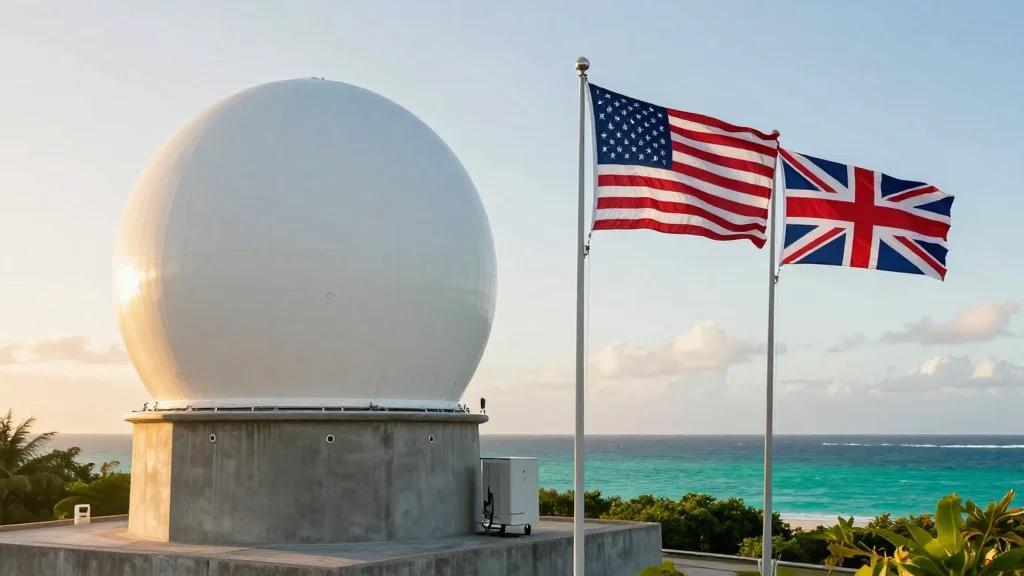
The United Kingdom has announced a plan to transfer sovereignty over the Chagos Islands to an unrelated African nation, sparking alarm among security analysts. The islands host Diego Garcia, a joint U.S.–U.K. military base that underpins American power projection across...
Israel's West Bank Plans Prompt Global Backlash
Israel announced a series of measures to tighten its control over the West Bank, including new settlement permits and restrictions on Palestinian movement. The policy shift has triggered a swift global backlash, with the United States publicly restating the Trump...
Baku's Distancing From Moscow
Azerbaijan’s capital Baku is actively distancing itself from Moscow after Russia’s invasion of Ukraine exposed the Kremlin’s strategic vulnerabilities. President Ilham Aliyev’s administration has curtailed Russian military assistance, opened diplomatic overtures to the European Union, and accelerated energy contracts with...
Taiwan's Strategic Clarity Amid Global Upheaval
CSIS
Iran Faces Multiple Pressures on Its Anniversary
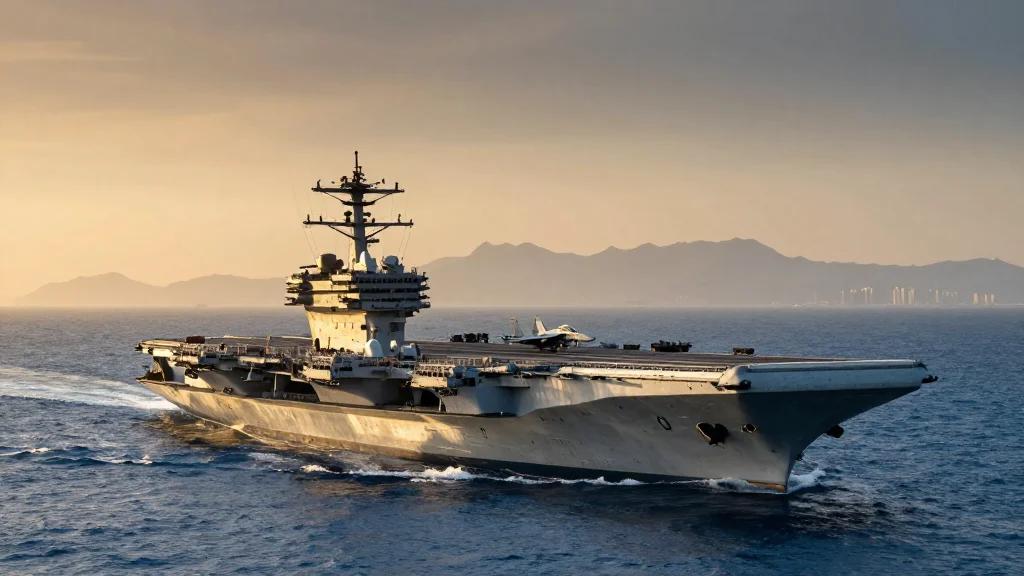
Iran commemorated the 47th anniversary of its 1979 Islamic Revolution amid heightened internal and external pressures. President Donald Trump signaled the possibility of dispatching another aircraft carrier group to the Middle East, intensifying diplomatic friction. Simultaneously, Iranians took to the...
How We Arrived at This Iranian Moment
War on the Rocks
The EU's Secret Weapon To Shut Out Chinese Companies
The European Union is preparing to overhaul its public‑procurement budget rules to systematically exclude Chinese companies from high‑value contracts both within the bloc and in overseas projects. The proposal, revealed by EU officials, introduces stricter thresholds for state‑backed firms and...
Pakistan's Place in China's Eurasia Strategy
China’s Eurasia strategy increasingly relies on Pakistan’s constitutional militarization to create a strategic buffer against India. The partnership deepens through the China‑Pakistan Economic Corridor, linking western China to the Arabian Sea while embedding Chinese security assets in Pakistani institutions. Beijing...
Japan's New Supermajority Mandate To Defend Taiwan
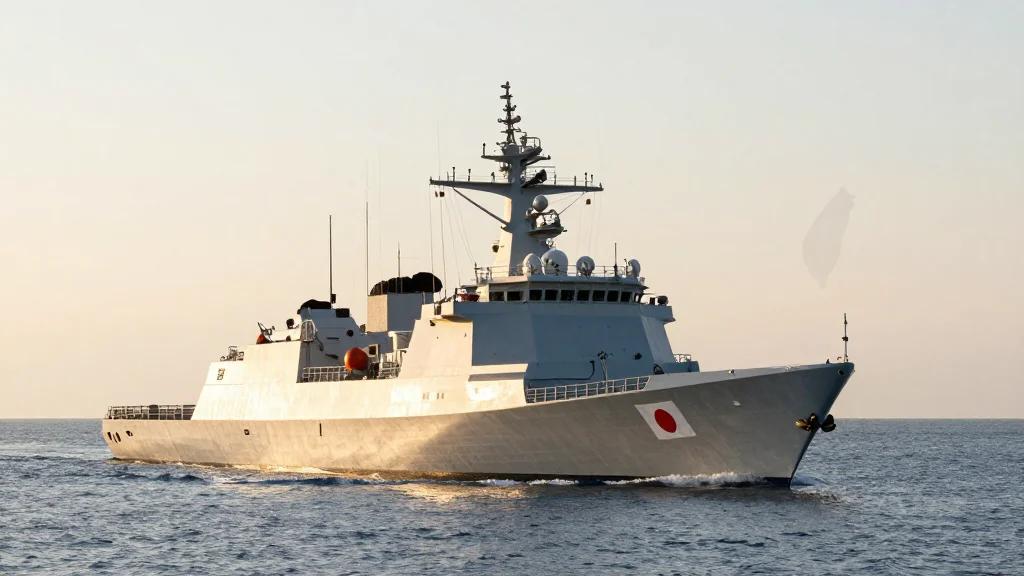
Prime Minister Sanae Takaichi won a landslide in February 2026, securing a two‑thirds majority in Japan’s lower house. The supermajority empowers her administration to adopt a hardline posture toward China’s regional ambitions. Tokyo has publicly pledged to defend Taiwan against any...