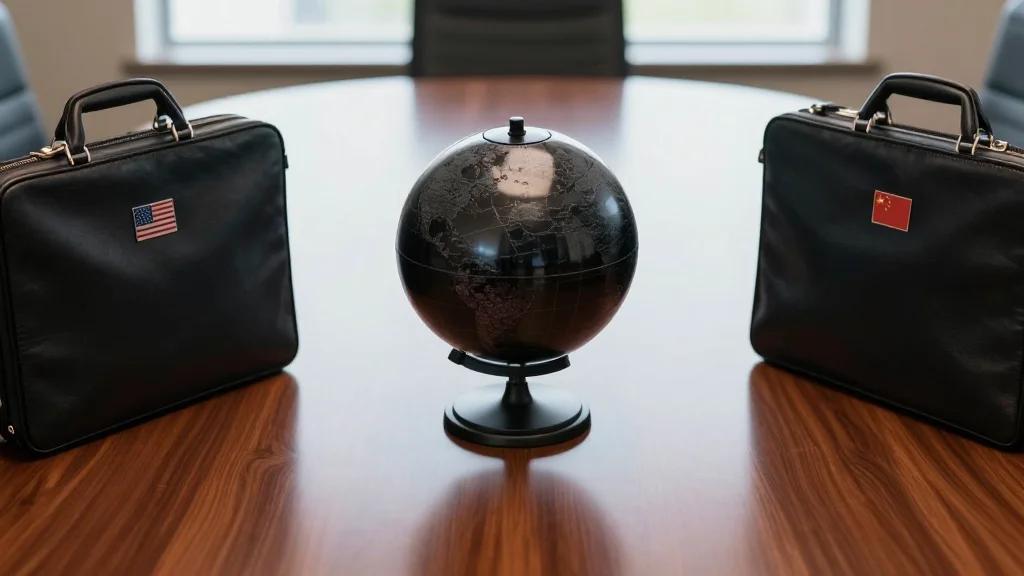
Japan, Australia and a New Regional Order
The United States and China are set to meet at a high‑profile summit between President Donald Trump and President Xi Jinping, a gathering that analysts say will reverberate across the Indo‑Pacific. Japan and Australia, both key U.S. allies, are closely monitoring the talks for signals on trade, security and diplomatic coordination. The article suggests that the summit could accelerate a realignment of regional power structures, prompting Japan and Australia to recalibrate their strategies. Observers expect the outcome to influence everything from supply‑chain diversification to defense posturing in the area.

Japan Leaves WWII Ghosts Behind
Japan announced that two amphibious assault ships, a destroyer and a large ground‑troop detachment will sail to the Philippines for joint combat training. The deployment marks the first overseas combat operation by Japanese forces since World War II, reflecting a reinterpretation...
Sea of Azov: Ukraine's Loss but Hardly Russia's Gain
The war has turned Ukraine’s massive steel complexes on the Sea of Azov into irreparable wreckage, wiping out a key export hub. Analysts say Russia’s territorial gains in the area translate to virtually no economic benefit, as the facilities are...
Europe Must Rejoin History
President Trump continues to publicly criticize NATO, but analysts say a U.S. pull‑out is improbable. His comments expose two underlying realities: Trump views alliances as personal relationships rather than binding treaties, and Europe’s defense capabilities remain insufficient to protect its...
In Iran, Guns in the Streets & Economic Pain
Iranian state forces have flooded the streets with heavy weaponry as the conflict with the United States and Israel enters its fourth week. The coalition has escalated air strikes and is reportedly weighing a ground operation, yet no decisive end...
The War Poses Bigger Questions for Beijing Than Oil
The ongoing conflict, likely the Russia‑Ukraine war, forces Beijing to reassess its strategic priorities beyond the immediate impact on oil supplies. While China’s partnership with Tehran remains limited by sanctions and diplomatic risk, the war highlights broader concerns about energy...
Gulf War I Was a Pyrrhic Victory
The 1990‑1991 Gulf War expelled Iraqi forces from Kuwait but left the coalition’s strategic goals only partially fulfilled. While the U.S.-led campaign succeeded militarily, it failed to dismantle Saddam Hussein’s regime, allowing Iraq to retain significant capabilities. The conflict’s aftermath...
Iran's the One Without an Endgame
Iran projects a victorious narrative while its regime crumbles under economic strain and diplomatic pressure. The government continues to issue maximalist demands in negotiations, despite lacking a realistic path to achieve them. This disconnect highlights Iran’s strategic paralysis and its...
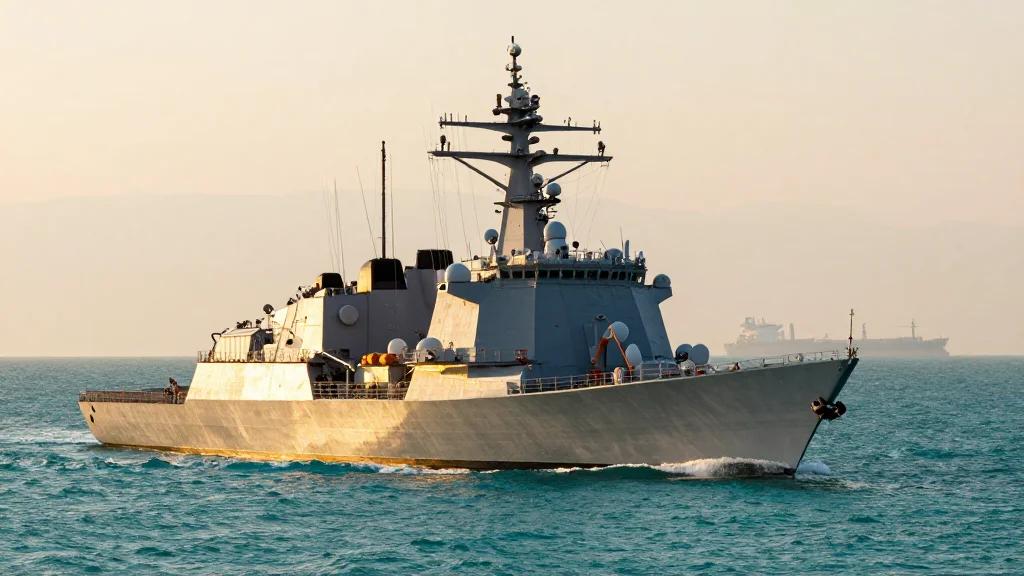
U.S. Can Deter China and Defeat Iran
The United States is adopting a dual‑track strategy to counter Iran’s threats in the Strait of Hormuz while also deterring China’s growing regional influence. President Trump has pledged to protect energy shipments, emphasizing naval readiness and economic safeguards. Tehran’s aggressive...
Ukraine Is America's Biggest Betrayal
Simon Tisdall argues that the United States has repeatedly short‑changed Ukraine, undermining the country’s ability to resist Russia’s invasion. He highlights delayed weapons shipments, wavering political commitment, and a growing disconnect between American rhetoric and concrete support. The piece calls...
Why Arab States Are Terrified of War With Iran
Eldar Mamedov, Responsible Statecraft <div data-block="None" data-format="posts-custom" data-source="current_post" data-source-type="current_post" data-source-unique="true"...
Two Americas on Display in Munich
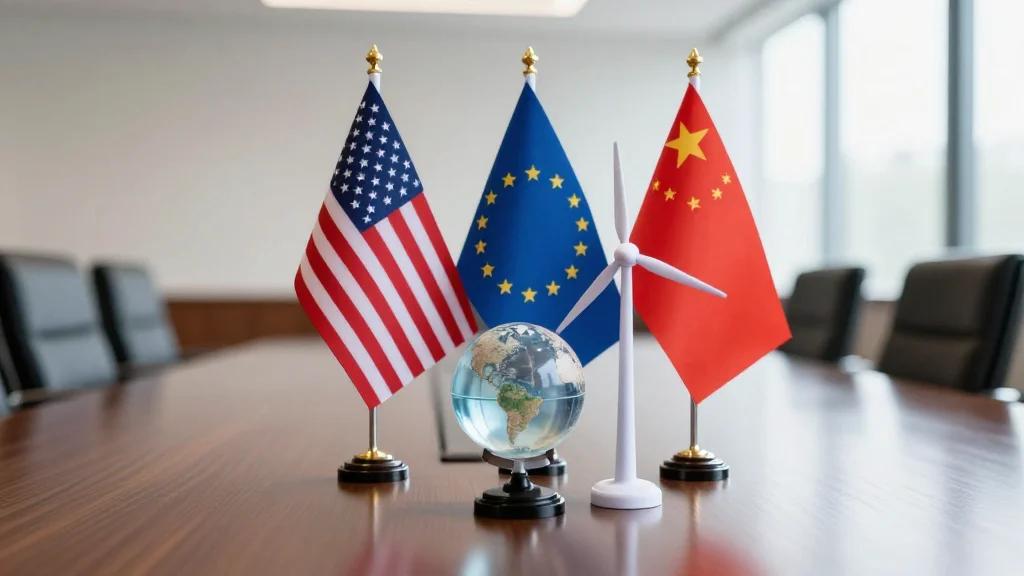
The Munich Security Conference, long‑standing forum for transatlantic dialogue, revealed stark contrasts between U.S. policy strands this year. While European officials pressed for a unified stance against Russian aggression, American participants displayed divergent messages reflecting domestic political divides. The conference...
Trump Moves Closer to a Major War With Iran
The Trump administration is edging toward a direct military confrontation with Iran, according to recent reporting. Heightened rhetoric, expanded sanctions, and increased naval deployments have raised the risk of conflict in the coming weeks. Analysts warn that a miscalculation could...
A War Against Iran Could Open Up a Pandora's Box
A major U.S. strike campaign targeting Iran’s nuclear facilities, missile networks, and IRGC command nodes is being debated. Proponents argue such a blow could cripple Tehran’s ability to develop nuclear weapons and project power regionally. Critics warn the operation could...
U.S.-Iran Talks 2.0: Diplomacy or Déjà Vu?
U.S. and Iran have re‑opened diplomatic channels in what analysts dub "Talks 2.0," but President Donald Trump's administration has set maximalist conditions, demanding an immediate halt to Tehran's uranium enrichment. The demand comes amid reports of a growing Iranian military...