
The Emerging Coalition Challenging Fossil Fuel Politics Outside COP
A coalition of 57 nations representing roughly half of global GDP gathered in Santa Marta, Colombia, to launch the First Conference on the Just Transition Away from Fossil Fuels. Co‑hosted by Colombia and the Netherlands, the group seeks to accelerate implementation of existing climate commitments and advance a Fossil Fuel Non‑Proliferation Treaty, sidestepping the stalled COP process. The summit deliberately excluded the United States, China, Russia and India to avoid the deadlock that has plagued UN negotiations. Participants highlighted equity, civil‑society involvement, and the urgency amplified by the Iran‑related oil crisis.
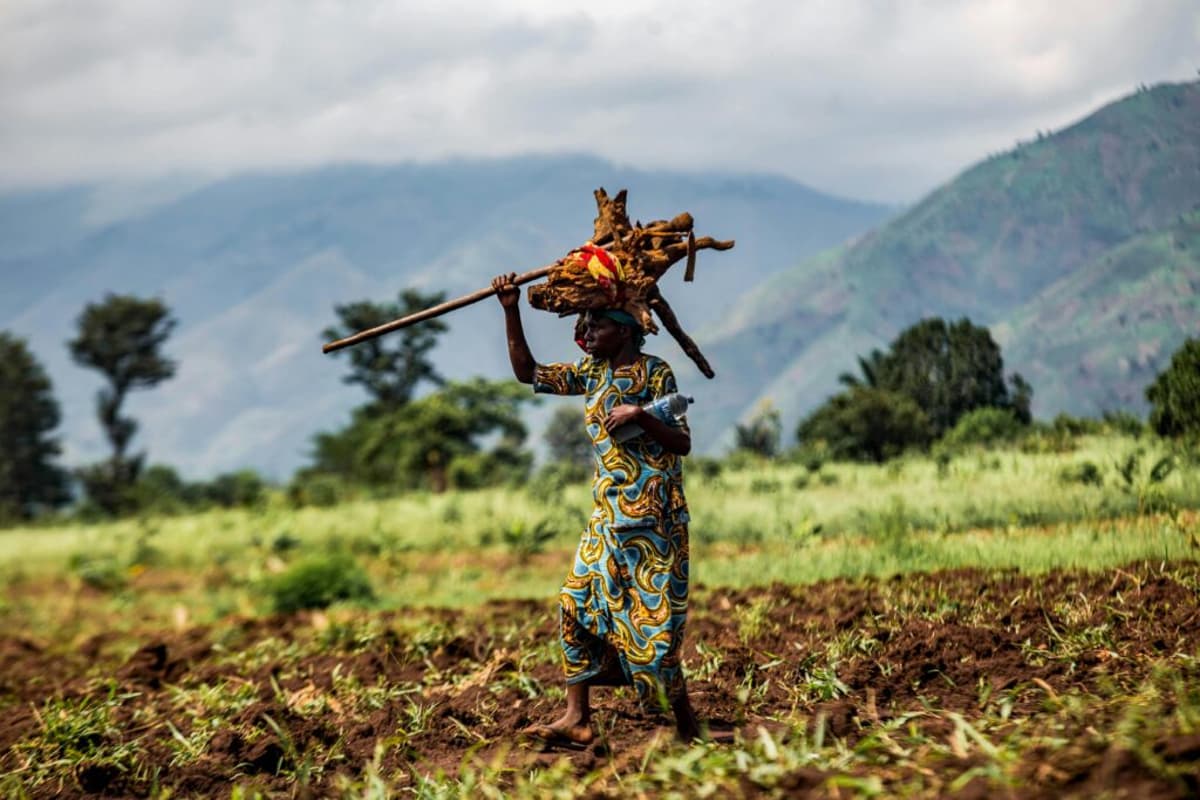
Extreme Heat Is a Growing Threat to Health, Jobs and Food Security in Southern Africa – Study Looks for Practical...
Researchers from the Academy of Science of South Africa released a consensus study showing that extreme heat is emerging as a major health, labor and food‑security threat across the Southern African Development Community. Average temperatures have risen 1‑1.5 °C since 1961...

In the Rising Tide, Episode 5. Raviraj Shetty: Rewriting the Stories We Live By
In episode five of "In the Rising Tide," occupational therapist and narrative practitioner Raviraj Shetty discusses how stories shape identity, hope, and community resilience in India. He co‑founded Narrative Practices India Collective to apply narrative practice—a therapeutic approach originating in...

Key Outcomes From the First Summit on ‘Transitioning Away’ From Fossil Fuels
From April 24‑29, 2026, Colombia and the Netherlands hosted the inaugural “transitioning away” summit in Santa Marta, drawing 57 nations—about a third of the world economy—to discuss concrete steps for phasing out coal, oil and gas. The event introduced a science...
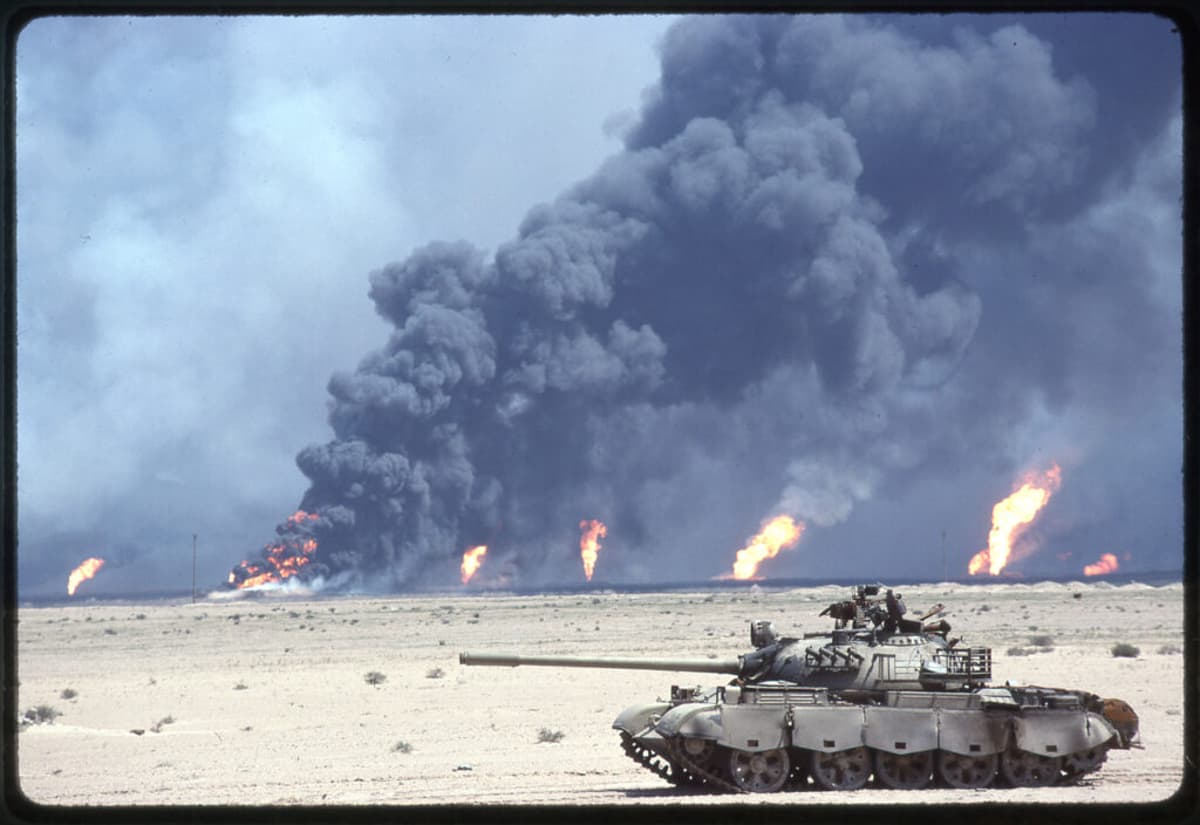
The Oil Security Paradox: Every War Becomes an Oil Crisis in a Fossil-Fuel Economy
On March 10, 2026 Iran closed the Strait of Hormuz, removing roughly 20 percent of global oil trade and sending Brent crude above $120 a barrel. The shock rippled worldwide, pushing US gasoline to $4 a gallon and prompting emergency measures in over...
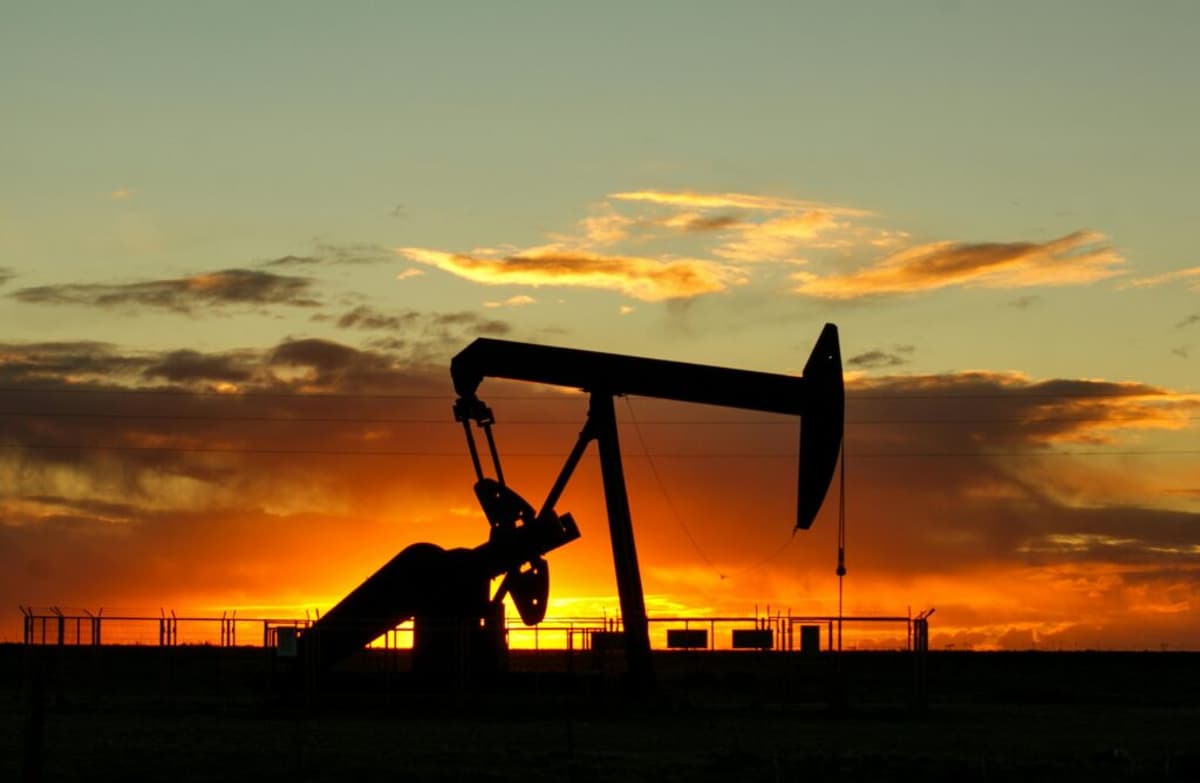
What an Overlooked Oil Protocol Reveals About Managing Resource Decline: An Interview with Richard Heinberg
The 20‑year‑old Oil Depletion Protocol, co‑authored by Colin Campbell and popularized by Richard Heinberg, proposes a staged reduction of oil extraction to match the global 3 % annual decline. Heinberg notes that only Portugal has formally adopted the protocol, and no...

Forest Gardening for Resilience: Growing Regenerative Food Systems in New Zealand
A new guide from the Aotearoa Permaculture Workshop and Resilio Studio translates 15 years of research into practical forest‑gardening methods for New Zealand. The authors identify three climate‑adapted garden types—subtropical, deciduous and Mediterranean—matching the country’s diverse temperate ecosystems. By aligning garden...

The 2026 Energy Crisis and Our Wile E. Coyote Moment
The United States’ war on Iran has triggered a global oil shortage that the IMF says could shave 2 percent off world growth and add 2.3 percent inflation. While oil prices hover around $100 a barrel, the U.S. remains insulated for now...
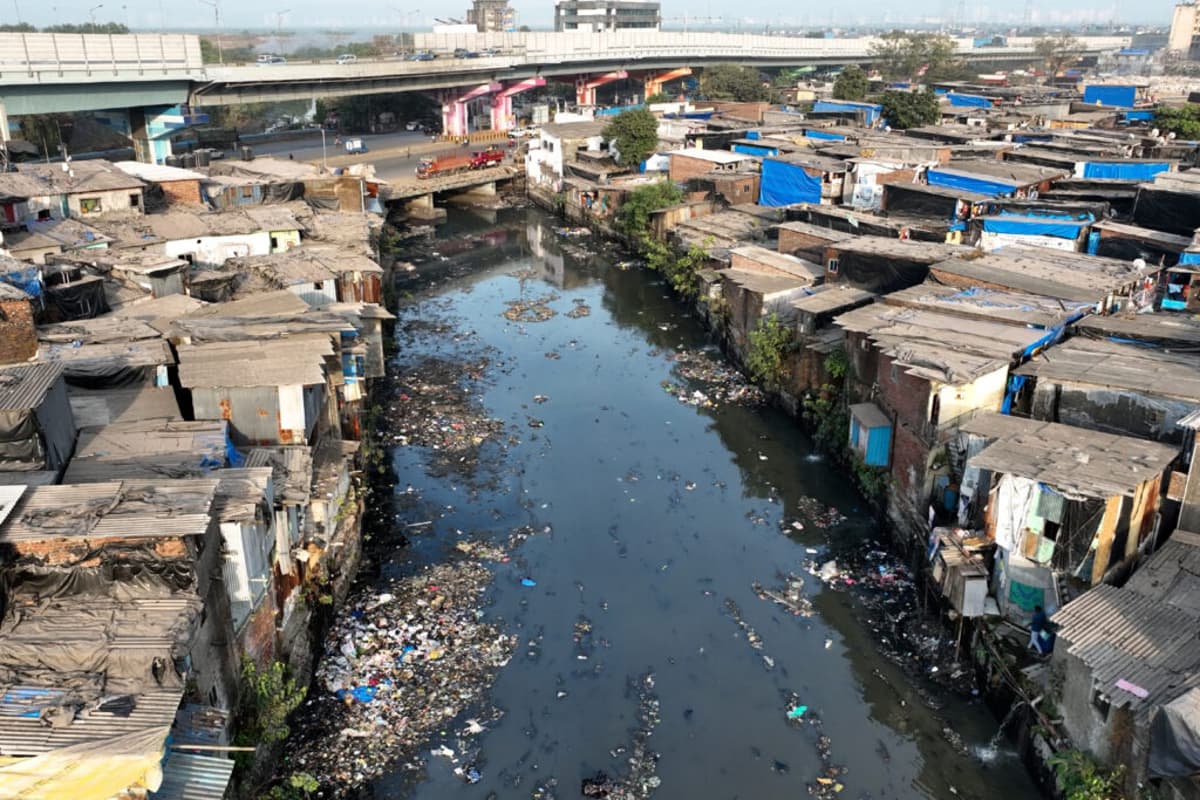
Plastic Waste Is Reshaping Flood Protection in Cities
Plastic waste is emerging as a critical, often overlooked factor that overwhelms urban drainage systems during heavy rains, especially in rapidly expanding cities like Manila. Traditional flood models focus on water flow and ignore solid debris, leading to under‑estimated risk...

Understanding How Plants Pause and Restart Growth Can Help Develop Climate‑resilient Crops
Researchers identified the genetic switch that lets plants pause growth during cold, salt or drought stress and resume within roughly 24 hours once conditions improve. Using Arabidopsis roots as a rapid assay, they pinpointed Cyclin‑dependent Kinase A;1 (CDKA;1) as a...
What to Expect From the First Conference on Transitioning Away From Fossil Fuels
Delegates from more than 50 nations are convening in Santa Marta, Colombia, April 24‑29 for the inaugural Conference on Transitioning Away from Fossil Fuels. The gathering of 53 countries and the EU will produce a report structured around three pillars—reducing economic...
In Conversation: Dave Murphy and Tom Murphy – Can Modernity Survive Planetary Limits?
In a candid interview, energy scholar Dave Murphy and physicist Tom Murphy debate whether modernity can survive within planetary limits. Dave argues that optimism and a pragmatic middle ground—recognizing limits while pursuing an energy transition—can drive positive change. Tom counters...
The UK Can’t Debate Its Way Out of Climate Impacts. It Needs a Plan B Now
UK Prime Minister Keir Starmer’s Guardian op‑ed on national resilience sidestepped the core climate emergency, prompting criticism from climate scholars. In a new report, the Climate Majority Project argues the UK must adopt a "Plan B" that prioritises pragmatic adaptation over ideological...
How Forests Act as Natural Flood Defences: New Research Shows Trees Can Slash Flood Risk
A new study by University of British Columbia forest hydrologists challenges the prevailing view that trees only curb small‑to‑moderate floods. By applying causal analysis, the researchers demonstrate that forest cover can significantly reduce the frequency and magnitude of large floods...

Across Africa, Farmers Are Adopting Regenerative Agricultural Practices that Support Food Sovereignty Amid Global Instability
Geopolitical tensions have driven up fertilizer costs, prompting African farmers to seek alternatives that bolster food sovereignty. Across Kenya, Burkina Faso and Mali, family producers are adopting regenerative agriculture, especially green‑manure cover crops, to restore soil health and cut input expenses....