
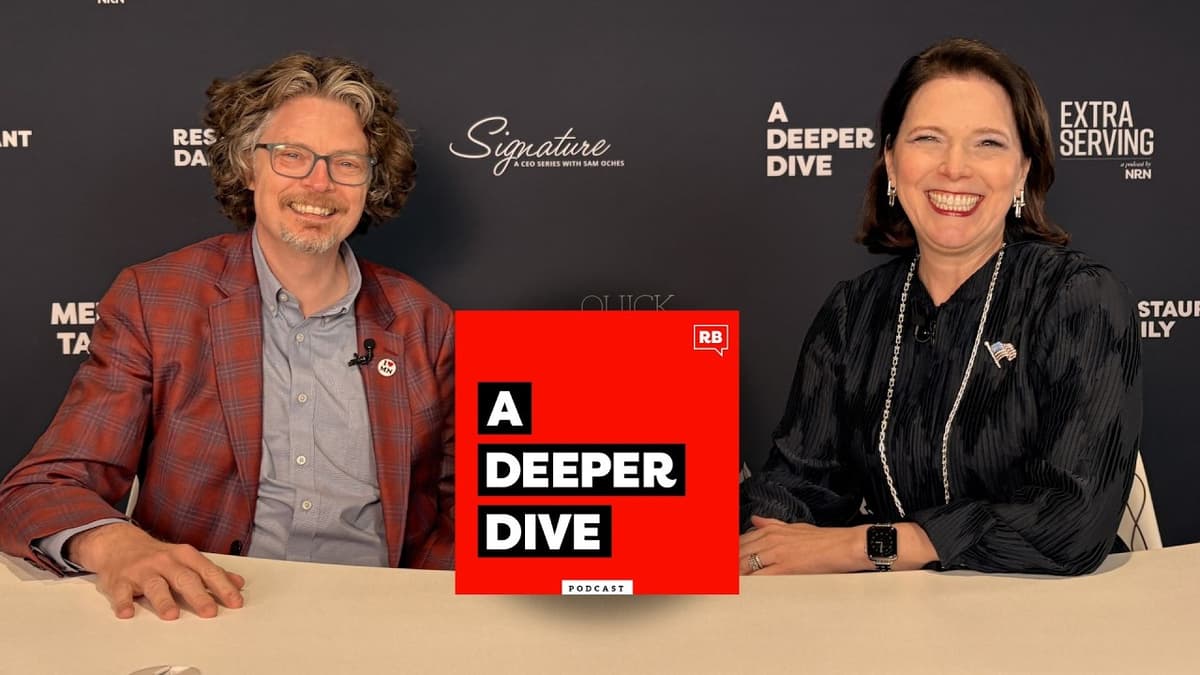
How Restaurants Can Handle the K-Shaped Economy
The podcast with NRA CEO Michelle Cororsmo explores how restaurants can thrive in today’s K‑shaped economy by marrying technology with the human touch. She emphasizes that while automation—robot fryers, AI scheduling, and even robot baristas—offers cost efficiencies, the core of dining remains personal service that justifies higher spend. Cororsmo points to two major industry shifts: the plunge in alcohol consumption and the surge in non‑alcoholic beverage creativity, which many operators are using to fill the revenue gap. She also highlights the widening income divide, noting that consumers earning under $50,000 are curbing discretionary dining, while higher‑income households continue to spend, forcing brands to recalibrate value propositions for each segment. Key quotes illustrate the mindset: “High‑tech, high‑touch is the balance we need,” and “The future’s already here; it’s just not evenly distributed.” These capture the tension between rapid tech adoption and the uneven rollout of benefits across the market. Cororsmo also details the NRA’s lobbying on the US‑Mexico‑Canada trade pact to keep food and beverage imports affordable, underscoring policy as a lever for cost control. The implications are clear: restaurants that integrate technology wisely, diversify beverage offerings, and advocate for trade policies that protect price stability will better navigate the polarized consumer landscape and sustain profitability.
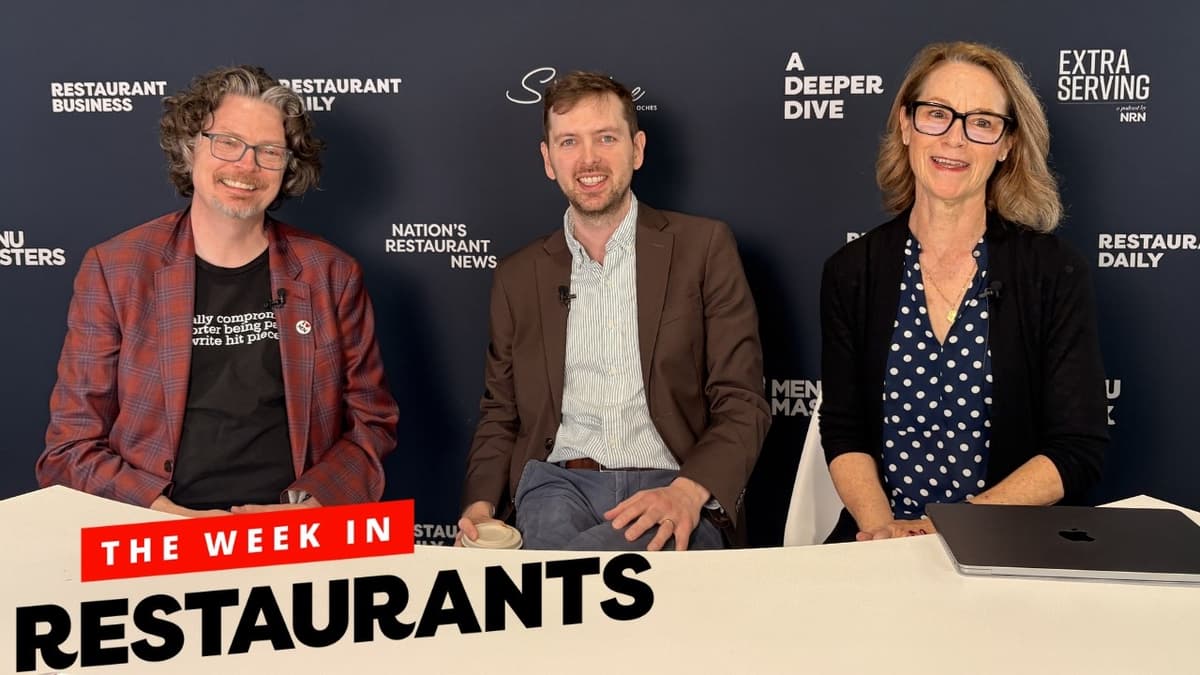
Who Was the Most Relevant Restaurant CEO This Century?
The panel at the National Restaurant Association show debated the most relevant restaurant CEOs of the 21st century, naming Steve Ells, Ron Shaich and the late Kent Taylor as the era’s defining leaders. Each executive reshaped a distinct segment—Ells forged...

This Company Is Taking Chinese Takeout Into the Modern Era
The video profiles SO Chinese, an Austin‑based takeout‑only Chinese restaurant that built its technology stack before opening a single kitchen. The founders, a software engineer and a veteran restaurateur, created a Domino’s‑style ordering experience focused entirely on delivery, eliminating dine‑in...
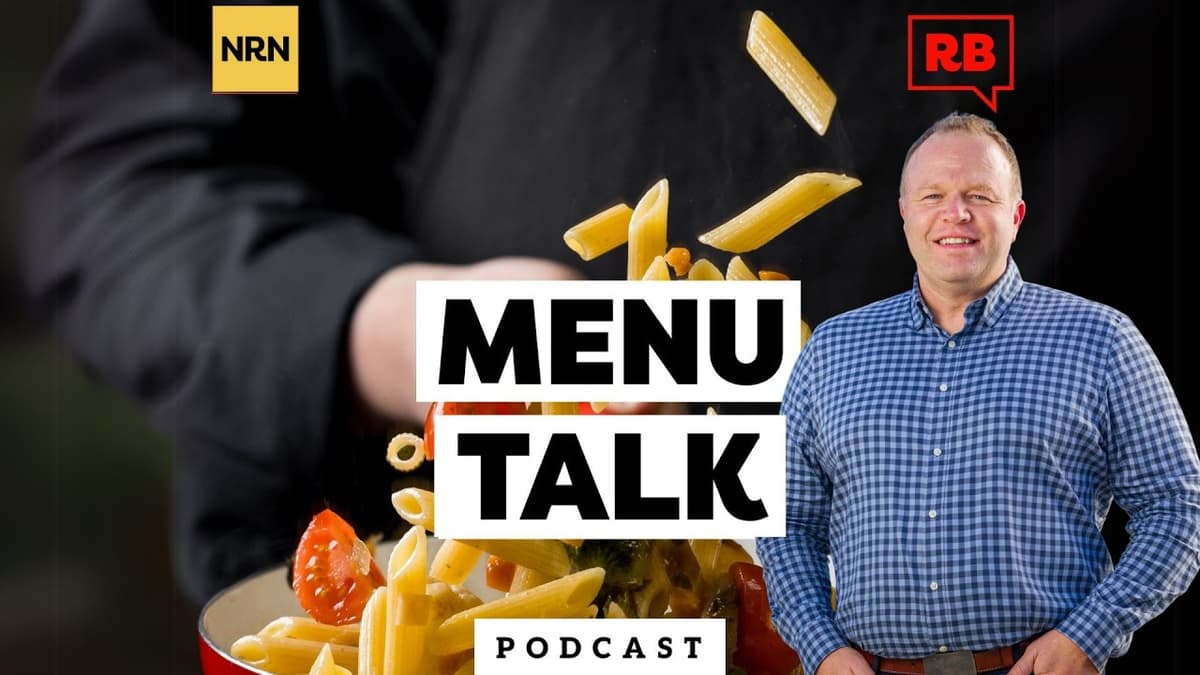
Menu Innovation & Value Strategy with Lazy Dog Restaurants CEO Chris Simms
Lazy Dog Restaurants’ CEO Chris Simms outlined a two‑pronged menu strategy that delivers both value and premium experiences, aiming to satisfy cost‑conscious diners while attracting food‑enthusiasts. Six months ago the chain introduced the $15 Fireside Favorites, a set of entrees, sandwiches,...
Restaurant Sales Were All over the Place Last Quarter
The restaurant industry’s first‑quarter earnings painted a fragmented picture, with fast‑food giants posting mixed same‑store sales while fast‑casual concepts scrambled for relevance. McDonald’s reported a modest 3.9% rise in U.S. same‑store sales, below expectations, whereas Burger King and Taco Bell...
A Look at the Future of Chuck E. Cheese
The interview with Chuck‑E‑Cheese CEO Scott Drake focuses on the brand’s next‑generation “Adventure World” concept, a larger active‑play arena that replaces traditional full‑service kitchens with a streamlined snack bar. Drake explains that the 12,000‑sq‑ft play structure, featuring trampolines, slides and soccer...
The Chef Who Once Banned Black Pepper & Lemons: Spike Gjerde
Chef Spike Gjerde discusses how his flagship Woodberry Kitchen has evolved into a broader culinary platform under the Echo Project, emphasizing hyper‑local sourcing and resilient business models. He details concrete actions: installing on‑site water filtration, converting part of the restaurant into...
Why Restaurant Chain Franchisees Are Struggling Right Now
In this episode of "Deeper Dive," Jonathan Mays talks with Austin Titus, president of Accurate Franchising, about why many restaurant franchisees are under pressure. The discussion highlights a perfect storm of post‑pandemic inflation, rising food, labor, insurance and technology fees,...
Why Jersey Mike's Is Planning an IPO
Jersey Mike's, the top‑selling sub‑sandwich chain, has lodged a confidential registration statement with the SEC, signaling a likely initial public offering that could value the company near $12 billion. The move follows Blackstone’s $8 billion acquisition of the franchise in late 2024,...

Why 2025 Was Another Tough Year for Restaurant Chains
The episode reviews Technomic’s 2025 Top 500 restaurant ranking, highlighting a challenging year for the sector. Wendy’s suffered a 6% sales drop, the steepest decline among the top ten chains, while overall systemwide sales grew only 3%—the slowest pace since 2010. Joe...
This D.C. Duo Is Flipping Indian Cuisine on Its Head
Menu Talk’s latest episode spotlights Daru and Tapori, two H‑Street establishments run by chef Sesh Sundas and beverage director Dante Data. Daru opened in 2021 as a cocktail bar named after the Hindi word for moonshine, but quickly pivoted...
Why some Pizza Chains Are Struggling
The episode spotlights two divergent trends in the restaurant sector: the rapid rollout of AI‑driven ordering tools and the distress facing legacy pizza brands. Starbucks unveiled a ChatGPT plug‑in that tailors drink suggestions to a customer’s mood, attire and weather,...
Gregg Horan Builds Steakhouse Success in the Suburbs
Gregg Horan (Greg Han) launched The Gregory, a year‑old steakhouse in South Bingham, Illinois, positioning it as a high‑end dining destination outside Chicago’s core. Drawing on decades at Gibson’s, the Polo Bar and other elite venues, he built a concept...

How Kilwins Is Adapting to Life Under New Owners
Kilwins, the 80‑year‑old dessert chain, is navigating its post‑sale era under private‑equity firm Leavine Lyman. CEO Brian Britain explains that the new owners have injected capital to modernize the business, replacing legacy systems with a new point‑of‑sale, ERP, CRM, and...

Why Consumers Don’t Think Their Restaurant Visits Are Worth It
The podcast explores why a growing share of consumers feel their restaurant visits aren’t worth the cost. Lisa Miller introduces a new "worth‑it" scale—five points from "definitely worth it" to "not at all"—and reveals that only 33% of diners rate...