
Recent Posts

News•Feb 27, 2026
Phone Calls Are “The Last Mile” Of Hotel Distribution
The article frames phone calls as the "last mile" of hotel distribution, where a direct inquiry can convert online interest into a profitable reservation. It highlights hidden costs of OTA commissions and booking engine fees that can be avoided when staff capture the call. Data from McKinsey shows Gen Z and other generations still favor live phone support, especially for high‑value trips. The author recommends making numbers prominent, training agents, mystery‑shopping calls, and offering booking incentives.
By Revenue Hub

News•Feb 27, 2026
Top 6 Booking Priorities for Today’s Leisure Traveler
The 2026 TravelBoom Leisure Travel Study pinpoints the six factors that dominate leisure travelers’ booking decisions: room value and price (76.6%), hotel location (71%), guest reviews (51%), flexible booking options (29.4%), unique experiences or amenities (20%) and sustainability practices (12.4%)....
By Revenue Hub

News•Feb 27, 2026
What Asset Managers Will Expect From Revenue Management
The article argues that by 2026 hotel revenue management will evolve from a tactical, RevPAR‑centric function into a strategic lever for asset performance. Asset managers will demand that pricing decisions be tied directly to NOI, risk mitigation, and long‑term value...
By Revenue Hub

News•Feb 26, 2026
Help Your Direct Bookings Bloom with Creative Seasonal Strategies
Spring’s longer days and holiday breaks create a prime travel window, prompting hotels to revamp direct‑booking channels. The article showcases seasonal tactics—bright homepage layers, limited‑time discounts, and gamified Easter hunts—that turn seasonal enthusiasm into bookings. Real‑world examples from Savoyen, Penta...
By Revenue Hub

News•Feb 25, 2026
How to Build Your Perfect Competitive Set in 2026
Hotels aiming for revenue growth in 2026 should build a focused competitive set of five to ten primary rivals, optionally adding secondary groups for niche insights. The article advises using OTA search filters—location, accommodation type, price range, rating, and online...
By Revenue Hub

News•Feb 24, 2026
Rate Parity in 2026: What Hotels Need to Know
Rate parity once mandated identical public rates on hotel websites and OTAs, reinforced by contract clauses. Over the past decade, European antitrust rulings have eroded those clauses, allowing OTAs to offer layered discounts and price‑matching guarantees. As a result, uniform...
By Revenue Hub

News•Feb 20, 2026
Why Scoring Hotel Image Quality Matters More Than Ever
Hotel images now shape traveler perception before price or reviews. Platforms and AI algorithms increasingly classify and rank photos, turning visual content into a data quality issue. To address this, hotels adopt structured image quality scores, typically 0‑100, evaluating dimensions...
By Revenue Hub

News•Feb 20, 2026
How Clean Connected Data Improves Pricing and Distribution
Hospitality operators often juggle disparate systems—PMS, channel managers, and finance—resulting in conflicting reports and gut‑driven decisions. The article argues that clean, connected data unifies these sources, delivering a single source of truth for pricing, distribution, marketing, and staffing. By standardising...
By Revenue Hub
News•Feb 20, 2026
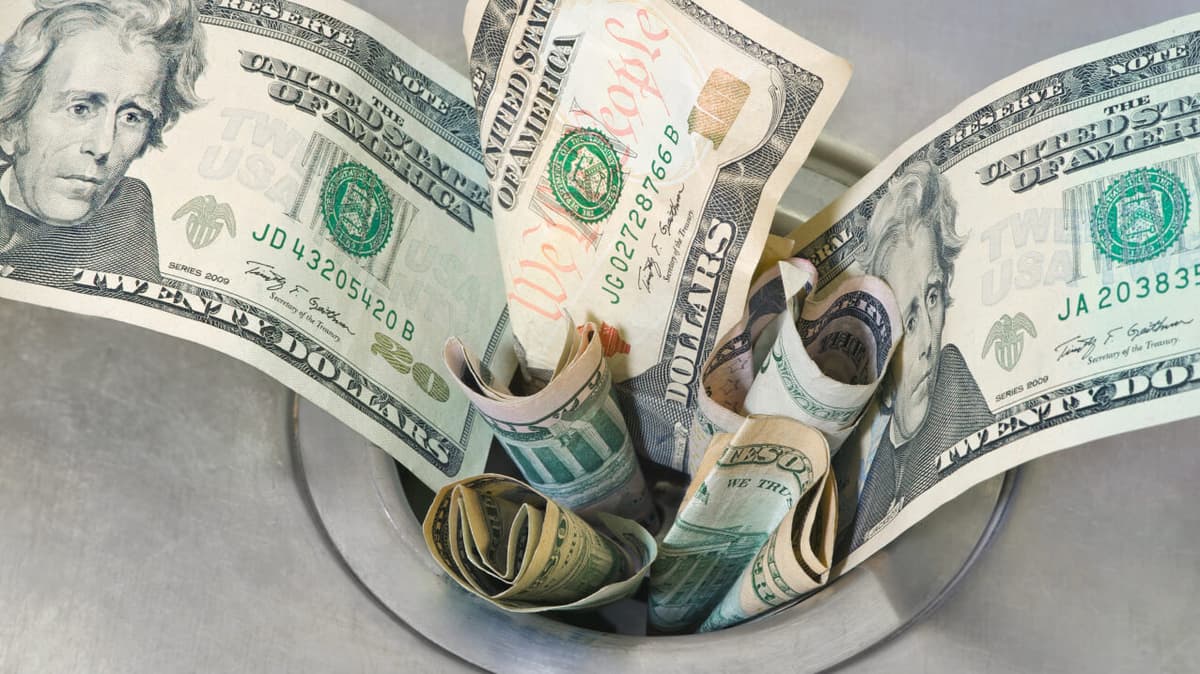
Room Pricing Mistakes and How Channel Managers Can Help
Hotel room pricing mistakes—such as ignoring local demand drivers and maintaining inconsistent rates across channels—continue to drain revenue for many properties. Relying on outdated, intuition‑based methods leaves hotels underpricing high‑demand periods and overpricing low‑demand times. A channel manager centralizes rate...
By Revenue Hub

News•Feb 19, 2026
The Portuguese Hotel Market Can No Longer Grow As Before
Portugal’s hotel sector posted a record‑breaking RevPAR of €72.38 in 2025, up 4.3% year‑over‑year, while ADR rose 4.0%. Occupancy, however, barely moved from 57.8% to 57.9%, meaning revenue growth stemmed almost entirely from higher room rates. Regional analysis shows secondary...
By Revenue Hub

News•Feb 18, 2026
Hotels Didn’t Abandon Spam They Abandoned Acquisition
Luxury hotels abandoned outbound email acquisition after the spam‑filled era of the late 1990s, leaving a vacuum that online travel agencies (OTAs) swiftly filled. OTAs invested billions in search visibility and data-driven targeting, becoming the default discovery engine and extracting...
By Revenue Hub

News•Feb 17, 2026
AI, AEO, and GEO: Questions Every Hotelier Should Ask
The article advises hoteliers to begin AI adoption by focusing on AI‑driven performance analysis of paid search, hotel metasearch and Google hotel ads, where measurable demand already exists. AI can process large campaign datasets to pinpoint high‑converting markets, eliminate wasteful...
By Revenue Hub

News•Feb 17, 2026
Hotel BI vs Excel: The Hidden Costs
Excel remains a default tool in hotels, but its apparent zero‑cost facade hides substantial operational expenses. Hotels can spend up to 125 hours each month cleaning, formatting, and moving data, turning revenue managers into data clerks. This manual burden erodes...
By Revenue Hub

News•Feb 13, 2026
How Boutique Hotels Personalize Without Getting Creepy
Boutique hotels aim for high‑tech, high‑touch experiences by using subtle personalization that feels intuitive rather than invasive. Intelity explains that automation should handle routine tasks while staff focus on human moments, supported by unified guest profiles. The article highlights preference‑based...
By Revenue Hub