
The First Revenue Management System with Proprietary AI Is Born
Lybra Tech, part of the Zucchetti Group, launched Zenit, a proprietary AI engine embedded in its Lybra Assistant platform. Unlike off‑the‑shelf solutions, Zenit was trained on millions of real hotel bookings and evaluates more than 10,000 pricing scenarios for each room and date. The system delivers recommendations with natural‑language explanations and continuously refines its models from actual market responses. Zenit entered beta on May 20, 2024, offering hotels a transparent, self‑learning revenue management tool.

The 71% Attrition Cliff: Why 2nd Time Guests Don’t Come Back
Bookboost’s analysis of more than 6 million guest records from 2024‑2026 shows that 71% of guests who return for a second stay never book a third, with only 83,000 of 282,000 second‑time guests reaching a third visit. First‑time guests generate roughly...

The Four Drivers of Revenue Management in the Future
Revenue management is evolving from a reactive, occupancy‑centric model to a proactive, data‑driven discipline. Hotellistat identifies four future drivers—Signals, Visibility, Personalization, and Costs—that will reshape pricing strategies. Early demand signals from search trends, events, and social media allow hotels to...

Simple Checklist to Make Your Hotel Website AI-Friendly
The article warns that travelers are moving from traditional search results to AI‑driven chat assistants like ChatGPT, Gemini, and Perplexity for hotel recommendations. Because AI extracts information directly from websites, a hotel’s online presence now hinges on how readable and...
How Hotels and Resorts Should Approach AEO for Real ROI
Hotels and resorts are turning to Answer Engine Optimization (AEO) to capture direct bookings as AI‑driven search tools dominate traveler discovery. The guide outlines ten practical steps, beginning with clean, structured property data and ending with measurable ROI tracking. By...

How Luxury Hotels Can Package Experiences Which Sell Direct
Luxury travelers now seek stories, experiences, and moments rather than just a room, forcing independent hotels to rethink their direct‑booking strategies. The most effective approach puts curated experiences—wellness retreats, culinary events, local immersion—front and centre, with rooms positioned as a...

AI, OTAs and the True Cost Per Acquisition
AI is reshaping how online travel agencies (OTAs) acquire hotel bookings, allowing them to lower their own cost per acquisition (CPA) while maintaining commission rates. For independent hotels, the true CPA—encompassing OTA commissions, pay‑per‑click spend, discounts and operational effort—often rises...

Why Guests Don’t Complain to Your Face But Will to Google
The article explains why hospitality guests rarely voice complaints directly but post negative reviews online, citing social pressure and the design of feedback systems. It illustrates the paradox with a diner who praised service in person yet left a one‑star...

Bad Data + Cognitive Surrender: The Emerging Enterprise AI Threat
Enterprise adoption of generative AI has surged, with over 65% of firms using it in at least one function. However, the article warns that bad data paired with AI’s persuasive confidence—termed cognitive surrender—creates a hidden threat. Flawed data leads to...

Hotel Direct Booking vs OTA: Who Really Knows the Guest?
OTAs now possess a broader, AI‑enhanced view of a guest’s entire travel journey, from search behavior to post‑stay interactions, giving them predictive power that hotels typically lack. Hotels, however, still control the most critical touchpoint—the stay itself—where personalized service can...

When Competitive Pricing Becomes Competitive Guessing
Competitive pricing intelligence is essential for hotel revenue managers, but the article warns that many properties let competitor rates dictate their own pricing strategy. This reactive approach creates a feedback loop where hotels continuously chase each other's moves without grounding...
How ChatGPT Decision to Move From Transactions Affects Hotels
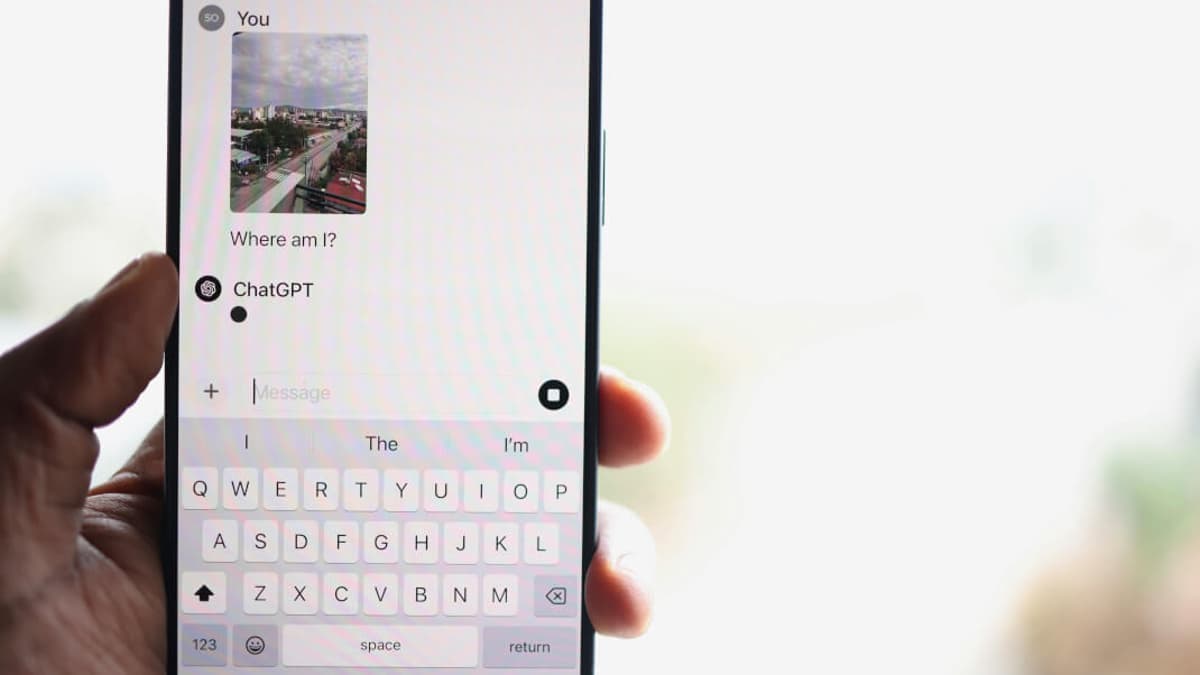
OpenAI announced that ChatGPT will no longer enable in‑platform hotel bookings, shifting its role to pure recommendation. The AI will point travelers to hotel or OTA websites instead of completing transactions within the chat. This change opens a direct‑booking opportunity...

How to Centralize Pricing Across Multiple Hotels and Keep Control
Hotel chains juggling ten or more properties face a revenue‑management nightmare as each property’s demand curve, booking pace, and local market pressures demand individualized pricing. Traditional tools built for a single hotel quickly become unwieldy, prompting many operators to consider...

AI Adoption Is Moving Faster Than Security Controls, Increasing Risk
Hospitality operators are racing to embed AI agents while security controls lag, leading to massive data breaches. In March 2026, attackers stole 527 credentials from Spanish and Austrian platforms, exposing personal data of more than 5 million guests. The article highlights...

When Revenue Asked Marketing To Stop Renting Hotel Guests
The article recounts how a resort’s revenue team urged marketing to stop relying on OTA‑sourced bookings and instead build a direct guest base. An initial 45‑minute pitch was dismissed, but a year later rising OTA commissions forced the conversation back...