
The Two Problems in Hotel Group Business Still Unsolved
The hotel industry has mastered selling individual rooms through dynamic pricing and instant booking, but the deeper value chain—group travel and vacation packages—remains fragmented. Group bookings still depend on manual RFP processes, while packages are shaped by airlines and OTAs, limiting hotel control. Initiatives such as Groups360 aim to bring real‑time inventory to group sales, yet a unified, transactional package model is still missing. AI is now reshaping travel decision‑making, exposing these structural gaps as competitive vulnerabilities.
How to Maximize Your Hotel Bar Revenue
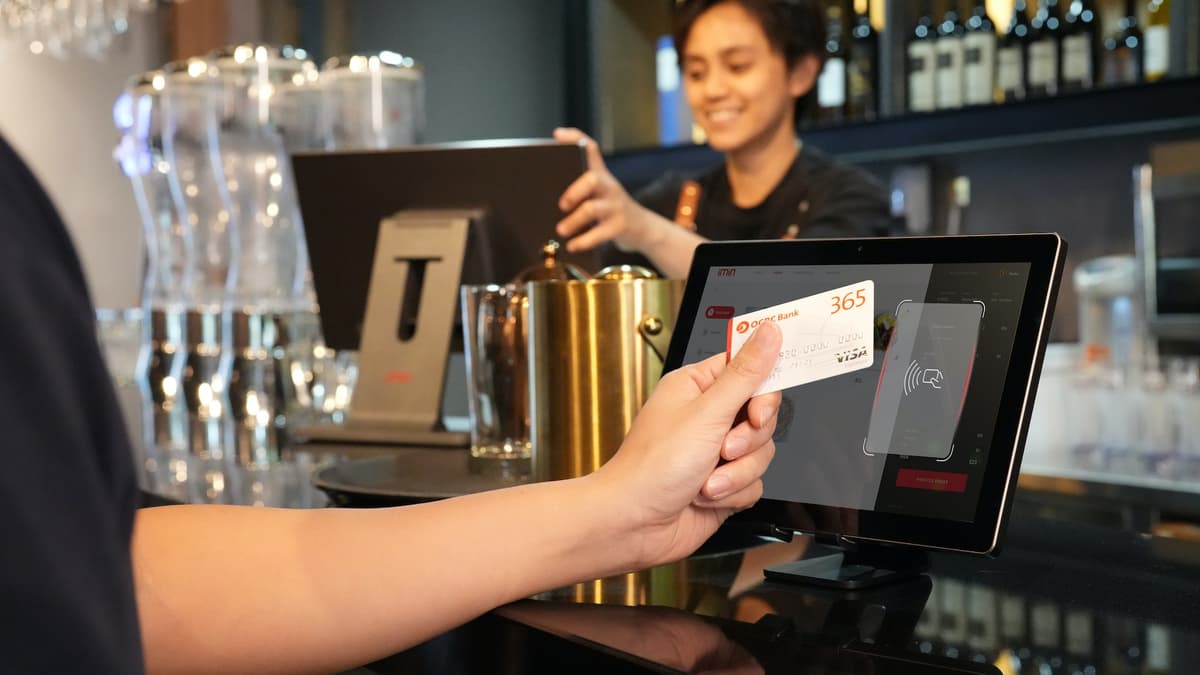
Hotels are increasingly relying on ancillary sources, with bars contributing over 20% of total revenue. The article outlines strategies—pricing, happy‑hour incentives, premium upsells, and a robust non‑alcoholic program—to lift bar sales. It emphasizes data‑driven menu management and the appeal of...

Expand Hotel Marketing Analysis with Website Performance Insights
Exely highlights how hotel marketers can boost revenue by integrating website analytics with traditional demand metrics. By tracking session behavior and acquisition sources, hotels uncover hidden demand—such as foreign traffic that lacks localized content—and can quickly adjust offers. Real‑world examples...
The Revenue Opportunity Hotels Are Missing After Check-In
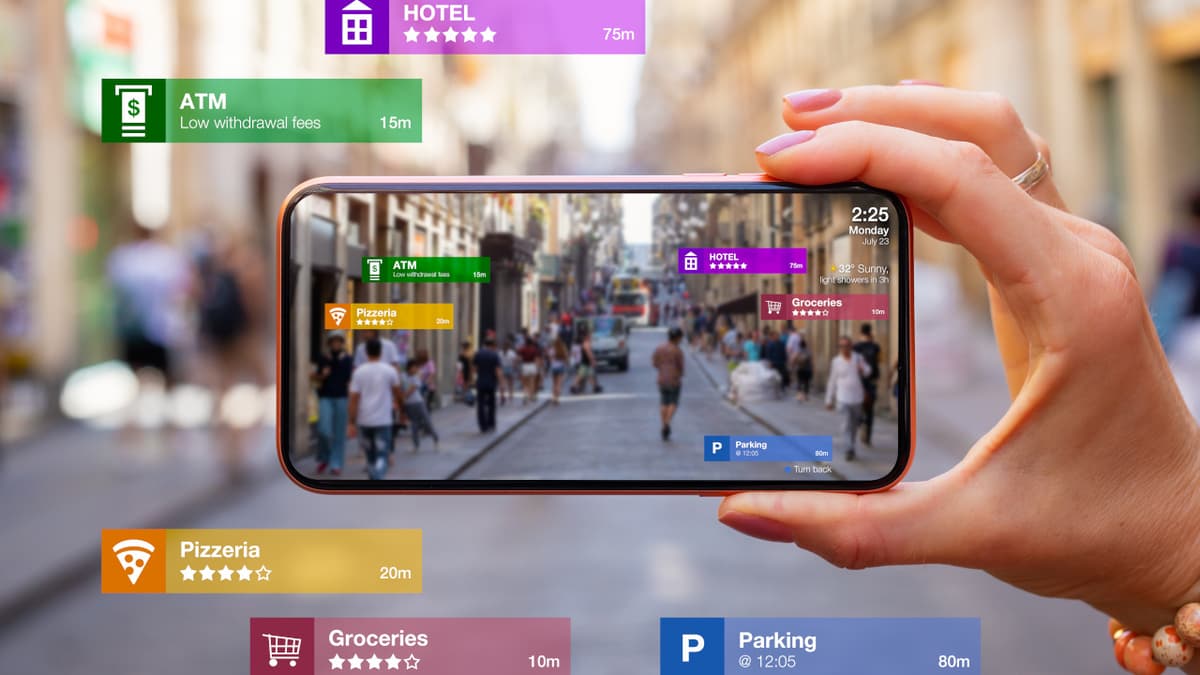
Hotels have long optimized the booking funnel, but new research shows the next revenue goldmine lies after check‑in. About 35% of guest spending – roughly $2 million for a 200‑room hotel at 60% occupancy – occurs during the stay, yet many...

How to Earn More Per Guest With Hotel Upselling
The article explains how hotels can increase revenue per guest by strategically upselling upgrades and ancillary services. It highlights that guests are most receptive during the pre‑arrival window, 2‑5 days before check‑in, when personalized offers feel like enhancements. Structured upsell...

Centralized Pricing: Where Multi Property Strategies Go Wrong
Duetto warns that centralized pricing for multi‑property hotel portfolios often fails because data streams, execution capacity, and team alignment are fragmented. Revenue managers now act as profit managers, needing real‑time insights across dozens of assets. Modern platforms can consolidate data,...

Running a Luxury Hotel? Why Do You Let Expedia Own The Guest
Luxury hotel operators are losing an average 22% commission on each OTA booking, turning a $600 room night into a $468 net revenue after fees. While OTAs once offered essential distribution, today they also capture guest data, loyalty signals, and...

Rate Parity Trap: Luxury Hotels Forced to Compete on Price
Luxury hotels are being forced into rate‑parity agreements that require them to display the same price on OTAs and their own sites, stripping away the price‑based signal of exclusivity that Veblen‑type goods rely on. While the visible cost is the...

New Hotel Distribution Front Line: Regulation Rewrites Visibility Rules
Google is overhauling its European hotel search results to comply with the EU Digital Markets Act, pushing third‑party intermediaries higher in the rankings and pushing direct‑booking listings lower. The change dilutes the traditional Google Hotel Ads model, giving OTAs, metasearch...

CTA, CTD and Rate Parity Mistakes That Kill Hotel Revenue
Hotel revenue can be eroded not just by pricing errors but by access restrictions such as Closed‑to‑Arrival (CTA), Closed‑to‑Departure (CTD), and rate‑parity breakdowns. A blanket CTA on a high‑demand night can block dozens of one‑night guests willing to pay $250,...

How to Build Better ‘Base Business’ Through Smart Contracting
The article explains how hoteliers can strengthen their "base business"—the reliable, recurring stream of guests—through smart contracting and targeted demand‑driver strategies. It clarifies that base business isn’t limited to extended‑stay guests; frequent short stays from groups like flight crews, traveling...

Easter Hotel Demand Resilient: Travellers Book Later, Stay Longer
Hotel bookings for Easter 2026 have surged across Europe, with SiteMinder reporting a 12% increase in overall bookings and an 18.3% rise in room nights year‑on‑year. Southern markets led the growth, as France, Spain and Italy posted double‑digit booking gains...

Independent Hotels Do Not Need a Loyalty Program to Win Guests
Independent hotel groups in Europe can forgo costly points‑based loyalty schemes and instead rely on unified guest data to deliver personalized pre‑arrival, stay and post‑stay experiences. While chains like Marriott, Hilton and IHG chase transactional loyalty, independent properties can boost...

The Hidden Cost of OTA Rate Leakage
Hotels are increasingly seeing their rates posted on online travel agencies (OTAs) appear on other channels at lower prices, a phenomenon known as OTA rate leakage. The leakage stems from affiliate networks, B2B wholesalers, sub‑agents, opaque promotions and auto‑rate‑match tools...

From Yellow Pages to AI: Hotel Booking Behaviour Is Changing
The hotel booking journey has evolved from Yellow Pages, travel agents and walk‑ins to a digital ecosystem dominated by OTAs, metasearch and AI‑driven tools. While the underlying guest behavior—comparing options before committing—remains constant, technology now streamlines discovery, pricing and reviews....

Meta Ads for Hotels: What’s New in 2026
Meta Platforms’ 2026 overhaul forces hotel advertisers into a single, AI‑driven operating model. Automation, once optional, is now the default infrastructure, consolidating campaign types and handing budget, targeting and optimisation to Meta’s algorithms. The platform also trims campaign objectives and...

How to Increase Hotel Profit Without Raising Rates
Hotel operators often consider raising room rates when RevPAR stalls and expenses rise, but price hikes can backfire if market conditions aren’t supportive. Topline Revenue argues that untapped ancillary revenue offers a more sustainable profit boost without altering the rate...

Performance Max for Hotels: Pros & Cons To Consider
Google Performance Max (PMax) consolidates ads across Search, Display, YouTube, Discover, Gmail and Maps into a single AI‑driven campaign for hotels. Independent properties can leverage the platform to broaden reach, automate bidding and creative optimization, and capture more direct bookings....

The WhatsApp Trap: Why Hotel Operations Slip Through Cracks
Hotels increasingly rely on consumer messaging apps such as WhatsApp, LINE, and Signal for daily coordination, but these informal tools lack the structure needed for reliable operations. The article highlights how fragmented chats hide critical updates, leading to missed tasks...

Grow Your Hotel Brand: Essential Facebook and Instagram Strategies
Hotels are urged to treat their Meta presence as a growth engine, adopting a business Instagram profile, strategic captions, location tags, and a balanced mix of professional and user‑generated content. The article stresses concise, emoji‑enhanced captions, limited but relevant hashtags,...

The New Billboard Effect: ChatGPT the Next Front Line of Distribution
The hospitality industry’s distribution model is shifting from OTA‑driven discovery to AI‑powered conversation, with ChatGPT becoming the first point of contact for travelers. Guests now pose natural‑language queries—e.g., “recommend boutique hotels in Milan under €200” (≈ $218)—and receive curated, reasoning‑based...

The Hallucination Crisis: Not an AI Problem but a Data Problem
Enterprise AI projects are failing not due to model weakness but because they rely on legacy, unstructured data. The article argues that hallucinations—confident yet false outputs—stem from data gaps, with error rates of 15‑30% when inputs lack semantic clarity. A...

Your Guests Are Calling. Is Anyone Answering the Phone?
Hotel operators are losing revenue because 10‑40% of inbound calls go unanswered, and 70% of callers hang up within a minute of hold time. Over half of travelers (52%) will abandon the property and book through an OTA if they...

The Revenue Impact Hiding in Your Venue Enquiry Response Time
Venue operators often overlook how response latency erodes revenue. With an average event contract of $18,901.62, three bookings a month translate to roughly $680,000 in annual income, yet planners award 35‑50% of events to the first venue that replies. Faster...

How AI Is Pushing Past Hotel Guest Personas
Hotels are rapidly deploying AI for pricing, forecasting, conversion and personalization, yet many hit a ceiling because they still rely on traditional guest personas. These personas compress diverse behaviors into average profiles, stripping away the individual variation and contextual cues...

You Hired a Revenue Strategist But You Are Using Them as a Clerk
Hotels often hire revenue managers for strategic insight, yet most of their mornings are spent manually pulling data from property management systems, OTA extranets, rate‑shopping tools, and STR reports. This clerical routine consumes two hours before any analysis begins, turning...

Wars Reshape Travel: What the Iran Conflict Means for Europe
The escalating Iran conflict is reshaping European travel dynamics, sharply reducing demand for the Gulf Cooperation Council and United Arab Emirates as stopover routes falter and airfares climb. At the same time, softer sentiment toward the United States and rising...

Why Summer Strategy Starts Long Before Memorial Day
Hotel revenue leaders are mapping the summer calendar early, recognizing that the period between Memorial Day and Labor Day will be shaped by two major catalysts: Independence Day falling on a Saturday and the United States’ 250th anniversary. Both events...

Why Best-of-Breed Beats All-in-One for Revenue Managers
Hotel IQ and RateGain have announced a strategic partnership that merges Hotel IQ’s internal business intelligence with RateGain’s competitive rate intelligence. The integration delivers a single‑sign‑on, real‑time view of pacing data and competitor pricing, powered by an AI engine that...

When Every Hotel Looks Premium, How Do The Best Stand Apart?
Brand Finance’s 2026 study shows the luxury hotel tier is compressing as upscale and lifestyle brands adopt high‑design, seamless service, and experiential consistency. High‑income travelers now group traditional ultra‑luxury names like St. Regis and Aman with brands such as Hyatt and...

The Role of Color Psychology in Hotel Marketing
Color psychology is emerging as a strategic lever in hotel marketing, influencing guest perceptions within seconds of visual contact. Hotels are leveraging both physical environments and digital touchpoints—such as websites, email, and social ads—to align hues with brand emotions. Warm...

Your Hotel Website Is Not Competing With Other Hotels
Hotel websites are often benchmarked against rival properties, but their true competition is the streamlined booking flow of OTAs like Expedia and Booking.com. OTAs have poured billions into frictionless checkout experiences, so any hesitation on a hotel’s own site pushes...

How to Conduct an Effective Hotel Displacement Analysis
Hotel revenue managers are urged to adopt displacement analysis to quantify the revenue trade‑offs of accepting group bookings versus higher‑yielding transient demand. The article outlines a simple formula that combines forecasted demand, room rates and opportunity cost, turning intuition into...

How Mobile Upselling Boosts Guest Engagement and Revenue
Mobile upselling has become a core revenue driver in hospitality, shifting the guest journey from the front desk to the smartphone. By delivering hyper‑personalised offers before arrival and during the stay, hotels capture high‑intent moments and boost ancillary spend. Best‑practice...

Why You Should Never Block a Bad Review (What to Do Instead)
Hotels that attempt to hide or block negative guest reviews risk long‑term brand damage and legal exposure. The article from GuestRevu explains why suppressing criticism is ineffective in the age of ubiquitous online platforms. It outlines seven reasons to accept...

How AI-Powered BI Is Transforming Hotel Revenue Management
Hotel revenue managers still rely on fragmented spreadsheets, slowing decisions. Flyr Hospitality’s Insights platform introduces a self‑service BI tool with an AI‑powered conversational assistant that transforms raw data into instant, actionable insights. The solution centralizes data across properties, letting revenue...

How Middle East Instability Could Shift Demand to Southern Europe
Recent geopolitical tensions in the Middle East are prompting travelers to seek safer alternatives, shifting demand toward Southern European beach destinations such as Spain, Italy, Portugal, Croatia and France. Hospitality analysts expect a surge in last‑minute and redirected bookings for...

Revenue Management Isn’t Just Pricing Anymore (Not for a While)
Revenue management, once confined to pricing, is evolving into a strategic function for hotels. Leaders now prioritize demand insight, segment mix, and long‑term positioning over daily rate decisions. The role now intersects forecasting, budgeting, marketing, and sales, acting as a...

Eco or Budget Hotels? How To Market to Those Seeking Both
In 2026 sustainability has become a mainstream guest expectation, yet price sensitivity remains a dominant driver of travel decisions. The TravelBoom Leisure Travel Study shows 21.8% of travelers would pay more for eco‑friendly hotels, while 45% are actively cutting back...

Guest Satisfaction Management: How to Measure and Improve It
Guest satisfaction management has become a top growth lever for hotels and vacation rentals in 2026, yet many operators still lack a structured measurement system. The article defines guest satisfaction management as the continuous cycle of measuring sentiment, analyzing operational...

Real Reason Guests Book Via an OTA Instead of Your Website
Travelers often encounter hotels first on an online travel agency (OTA), turning the property into a line‑item among many rather than a distinct brand. The article argues that low direct bookings stem from this upstream introduction problem, not merely a...

Why Independent Hotels Need a North Star More Than Ever
Independent hotels are thriving in a market that craves authentic, character‑driven experiences, yet they face a paradox: the very cues that once set them apart—boutique aesthetics, local storytelling, curated design—have become industry clichés. As a result, many properties struggle to...

Why Hotels Should Add Bing to Their Channel Mix
Hotels traditionally rely on Google Ads for paid search, but the article argues that adding Microsoft Advertising (Bing Ads) can broaden reach and drive incremental direct bookings. Bing’s network, which includes Bing, Yahoo, and partner sites, captures a sizable share...

ITB 2026: Data Infrastructure Challenges Facing the Travel Industry
At ITB 2026 industry leaders highlighted that legacy batch‑based data pipelines are throttling revenue‑management and AI initiatives. Competitive intelligence feeds still refresh once daily, creating a lag that undermines dynamic pricing. Airlines cited the rise of NDC and low‑cost carriers...

Your New Front Door: What the MCP Means for Hotels
The article explains how a Message Control Protocol (MCP) lets AI assistants query a hotel’s own system for real‑time availability, rates, and policies, enabling instant, commission‑free bookings. It highlights that OTAs currently control 55% of bookings and charge 15‑25% commissions,...

The Hidden Revenue in Your Existing Database
The article argues that hotels are overlooking a high‑margin revenue source—their own guest database. By shifting focus from costly new‑guest acquisition to targeted, data‑driven email marketing, properties can boost repeat bookings, upsell ancillary services, and lower acquisition spend. It outlines...

Why Hotel Chains Are Rethinking Their Revenue Stack
Hotel chains are confronting the limits of legacy revenue technology as their portfolios expand beyond a handful of properties. Traditional stacks—typically a PMS, an RMS and ad‑hoc spreadsheets—cannot keep pace with the coordination demands of multi‑property pricing, forecasting, and reporting....

How Revenue Managers Can Escape Excel Hell and Drive Profit
Revenue managers in hospitality spend countless hours manually exporting data from property management systems, revenue management systems, and other sources, turning strategic meetings into spreadsheet battles. This "Excel hell" creates internal friction, duplicate work, and a lack of a single...

Does Your Marketing Calendar Miss the Travel Planning Window?
Travelboom’s 2026 Leisure Travel Study shows most travelers now plan and book trips within a 1‑3 month window, with 59% planning and 56% booking in that period and 15% deciding within two weeks. This condensed timeline challenges traditional hotel marketing...

Top Tips for Taking Reservations at the Front Desk
While 80 percent of travelers complete bookings online, the remaining 20 percent still rely on walk‑in reservations at the front desk. A knowledgeable, courteous staff can turn these offline interactions into revenue opportunities through personalized upselling. Leveraging a modern PMS like WebRezPro...