
Satellite Maps of Sinking Coastlines Come Under Scrutiny
A new study comparing two influential InSAR subsidence maps of the U.S. Gulf Coast finds stark inconsistencies, with about one‑third of pixels differing by more than 3 mm per year. The analysis shows that radar satellites, especially Sentinel‑1, struggle in vegetated coastal zones, creating large data gaps and contradictory conclusions about where land is sinking. Researchers caution that these satellite‑derived maps should not be treated as definitive evidence for climate policy until newer L‑band SAR missions provide more reliable measurements. The findings also raise questions about peer‑review rigor in high‑profile subsidence research.
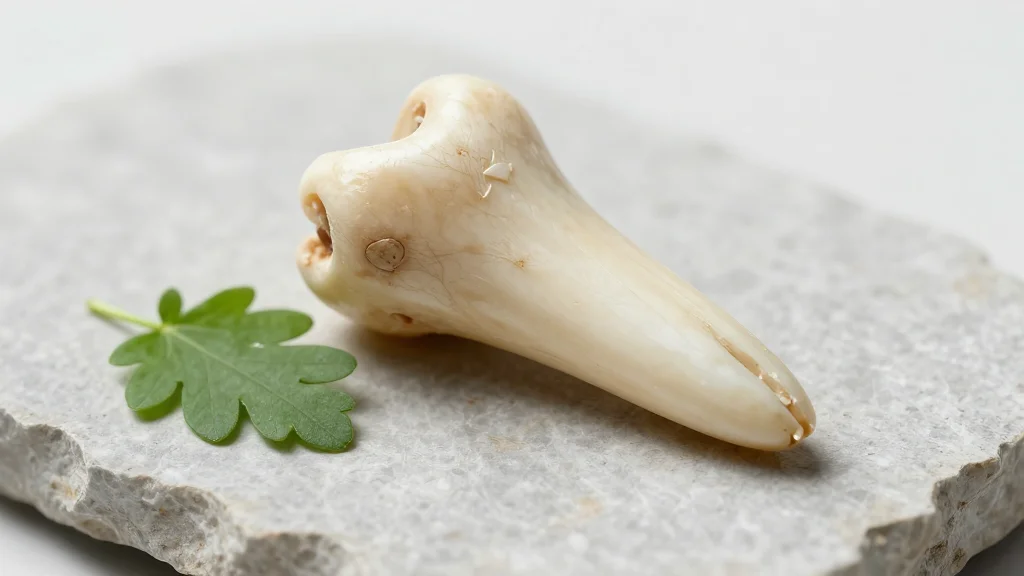
Extinct Brown Bear Had a Surprising Diet
Researchers analyzing collagen from Atlas bear fossils in northern Morocco discovered that the extinct North African brown bear subspecies was a strict herbivore, contrary to the omnivorous diet of modern brown bears. Isotopic signatures show unusually low nitrogen levels, indicating...

Does a Distant Alien World Harbor Promising Signs of Life? Most Astrobiologists Say No
Astrobiologists remain highly skeptical about claims that exoplanet K2‑18b shows signs of life. A rapid survey by the Centre for Scientific Community Opinion Polling and Evaluation (C‑SCOPE) of 496 experts found only 6.6% agreed that life had likely been detected....

Doubling Down on Controversial Claims, Microsoft Accelerates Quantum Computing Plans
Microsoft announced an accelerated roadmap to a practical quantum computer by 2029, cutting its previous timeline in half. The company claims its new Majorana 2 chip, using lead‑based topological qubits, achieves a 20‑second coherence time—far longer than earlier prototypes. Researchers say...

Desperate to Fight Ebola Outbreak, Congo Weighs Using Longshot Vaccine Options
The Democratic Republic of the Congo is battling a fast‑spreading Bundibugyo Ebola outbreak that has produced 291 confirmed cases and 43 deaths in two weeks. With no licensed vaccine for the rare BDBV strain, health officials are debating the emergency...
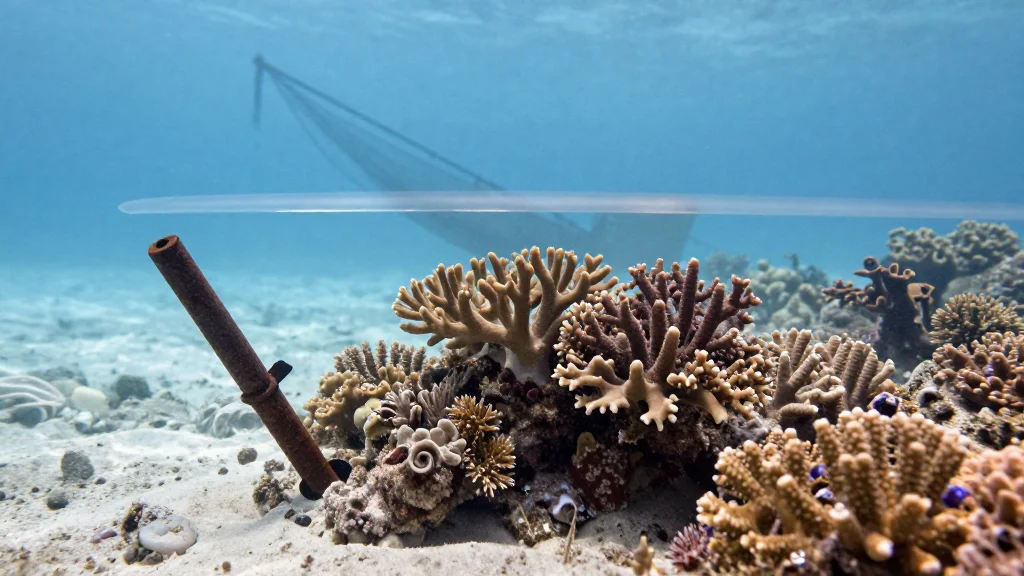
Brazil’s ‘Rolling Stone Reefs’ Teem with Hidden Diversity, DNA Reveals
A new study using environmental DNA uncovered over 1,800 genetic variants, confirming 450 species—including 21 first records—in Brazil’s massive rhodolith reefs, the world’s largest such habitats. The findings suggest the two surveyed beds could contain about 1 % of all known...

New Drug ‘Functionally Cures’ Many Hepatitis B Virus Infections
GSK’s antisense drug bepirovirsen (bepi) added to standard antivirals produced a functional cure in 19% of chronic hepatitis B patients in two phase 3 trials, rising to 26% among those with the lowest surface‑antigen levels. The cure, defined as undetectable HBV DNA...

‘Mind-Blowing’: Iron-Rich Immune Cells Help Homing Pigeons Navigate
A new study in *Science* reveals that iron‑rich macrophages in homing pigeons' livers act as magnetic compasses. Researchers found ferritin‑laden immune cells concentrated in the liver and demonstrated that chemically depleting these cells disrupts pigeons' ability to navigate under overcast...
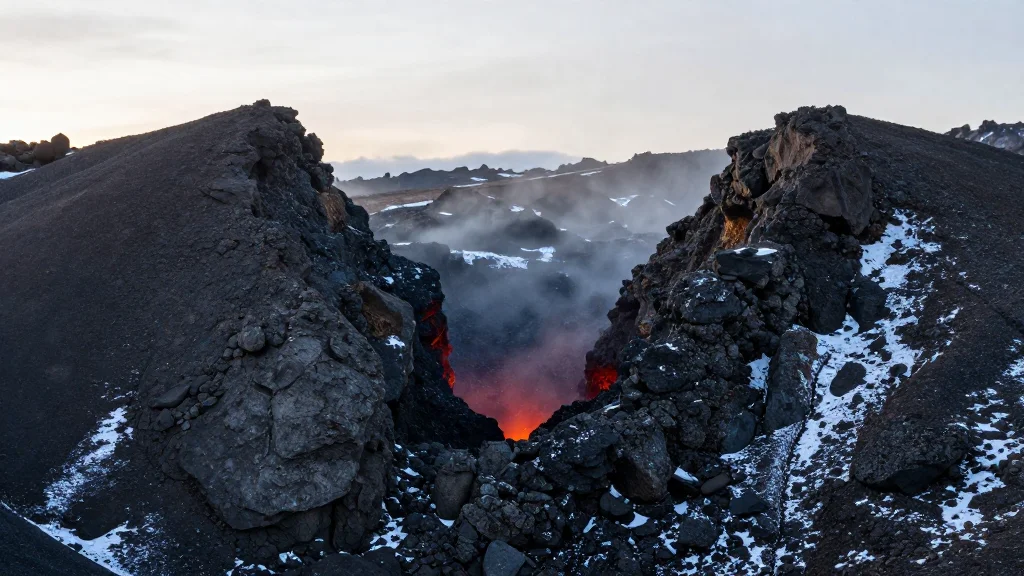
Surveys Capture the Pulsing of Mantle Plumes—A Potential Cause of Mass Extinctions
New seismic imaging and drill‑core analyses off Iceland reveal that mantle plumes behave like intermittent pulses rather than steady blowtorches. The data show periodic melt surges that create V‑shaped ridges and thicker crust, with rock samples indicating a mantle source...
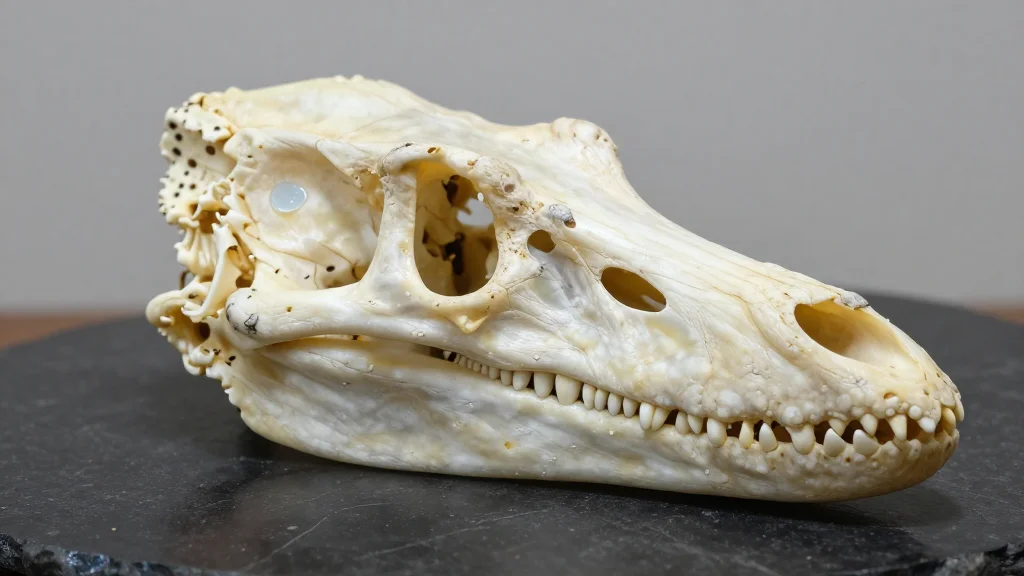
Some Spinosaurs Cried Salty Tears to Thrive in Brackish Waters
New research published in Historical Biology proposes that several spinosaur dinosaurs possessed salt‑excreting glands above their eyes, a feature seen in modern marine birds and reptiles. The study examined high‑resolution CT scans of specimens such as Spinosaurus, Baryonyx, and Irritator,...

Can Fast, Nimble Clinical Trials Deliver a Drug to Halt the New Ebola Outbreak?
The World Health Organization and African health agencies have launched an adaptive, randomized clinical trial in the Democratic Republic of the Congo to evaluate two therapies—remdesivir and the experimental antibody cocktail MBP134—against the Bundibugyo strain of Ebola. The protocol draws...
Research Groups Want Senate to Vet Trump’s Nominee for NSF Head
The Senate is being urged to hold a confirmation hearing for President Donald Trump’s nominee, James O’Neill, to lead the $9 billion National Science Foundation. O’Neill, who has no advanced science degree or research background, would become the agency’s 16th director...

Ancient Wars Between Microbes Gave Us Key Immune Defenses
Researchers have uncovered that many components of human innate immunity originated from ancient bacterial battles against viruses. Structural studies revealed bacterial enzymes that mirror human antiviral proteins, and over 300 distinct microbial defense systems have now been cataloged. Parallel mechanisms...
Vaccine Experts Debate Options to Combat Outbreak of Unusual Ebola Strain
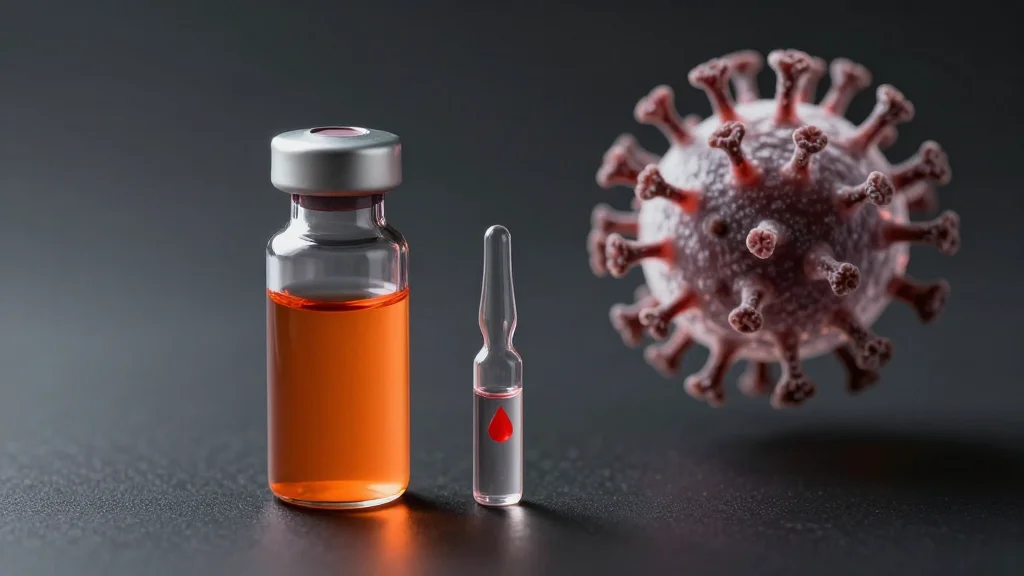
The World Health Organization convened a closed meeting of vaccine experts after the Bundibugyo ebolavirus outbreak in the Democratic Republic of the Congo was declared a public‑health emergency. The outbreak has produced roughly 500 suspected cases and more than 130...

A New Genetically Modified Rice Could Improve Children’s Health. But Will It Be Grown?
The Philippines has issued its first biosafety permit for HIZ039, a genetically modified rice enriched with iron and zinc, aiming to combat childhood anemia and stunting. Laboratory data show the grain triples iron and more than doubles zinc compared with...
Scientists Play Catch-Up to Startling Ebola Outbreak
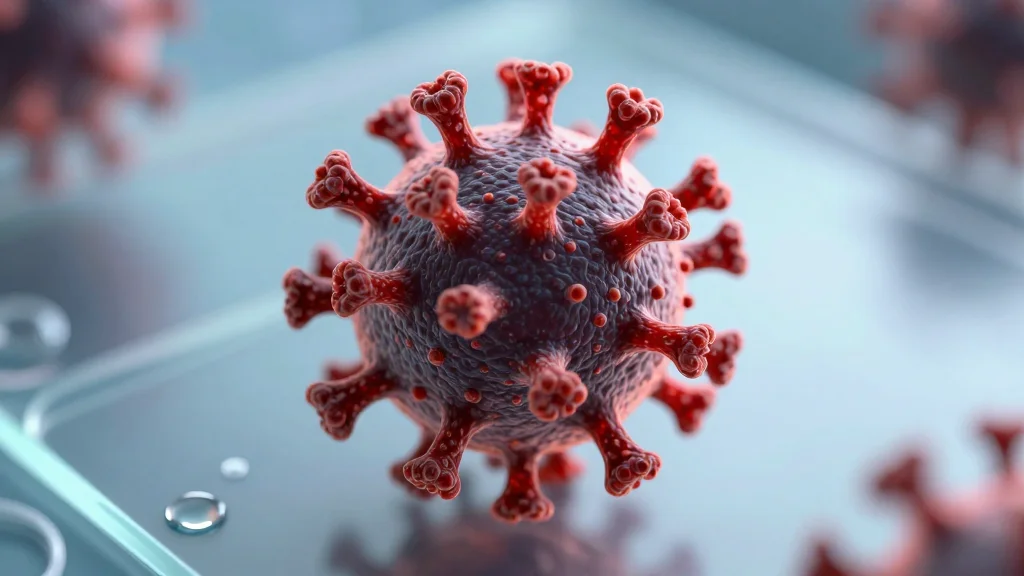
A rare Bundibugyo Ebola strain has erupted in the Democratic Republic of the Congo, swelling to 395 suspected cases and 106 deaths. The outbreak spread undetected for weeks, prompting the WHO and Africa CDC to declare a public health emergency...
Rare Seals Spotted Snoozing in an Underwater ‘Bubble Cave’
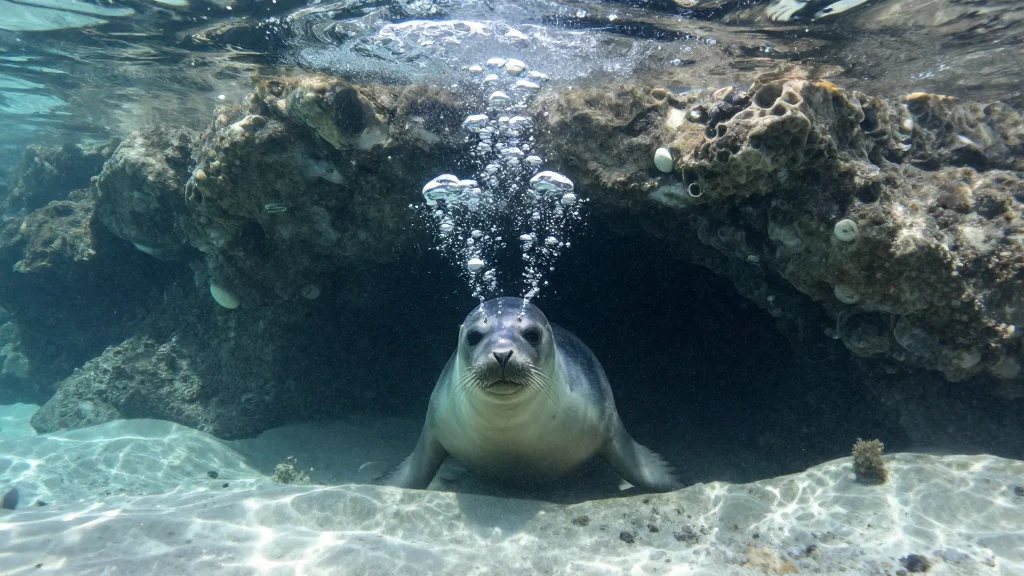
Scientists have identified a hidden underwater "bubble cave" off Greece’s Formicula islet that Mediterranean monk seals use to rest away from tourists. Camera monitoring recorded seal presence in the bubble cave on 119 of 141 days, far exceeding use of...
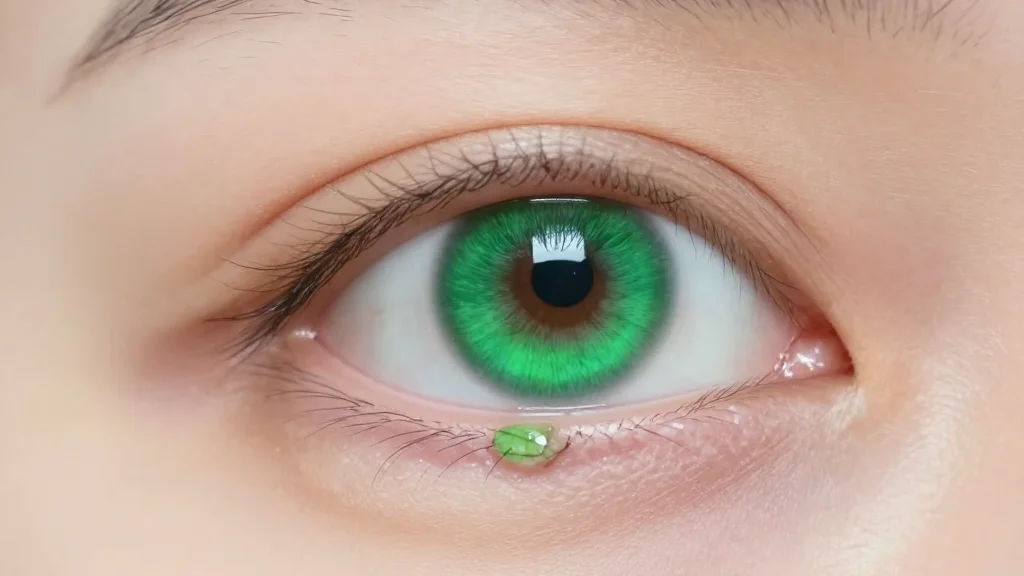
Making Eyes ‘Photosynthetic’ Could Treat Common Vision Problem
A team from the National University of Singapore has created a light‑activated particle called LEAF, derived from whole spinach thylakoids, that boosts NADPH and ATP production in mammalian eye cells. When applied as eye drops to mice with chemically induced...

Chinese-European Mission to Reveal Shape of Earth’s Magnetic Shield
The Solar wind Magnetosphere Ionosphere Link Explorer (SMILE) is set to launch on 19 May from French Guiana, placing a spacecraft in a highly elliptical orbit up to 121,000 km over the North Pole. Using a soft X‑ray imager and an ultraviolet camera,...

Molecules Emerge as a New Kind of Building Block for Quantum Computers
NVision Quantum Technologies announced a $55 million Series B round and published a preprint showing optical control of quantum information in a single carbene molecule. The researchers demonstrated that the molecule’s electron spin remains coherent for over 2 milliseconds at 4 kelvins and emits...

Did This Scientist Go Too Far Trying to Save Ecuador’s Wildlife?
In late 2024 Alejandro Arteaga, a controversial Ecuadorian herpetologist, launched the Arteaga Species Discovery Fund, a $10 million initiative offering $2,000‑$10,000 grants to researchers under 35 who describe new tropical species. The fund’s original plan to auction naming rights sparked backlash...
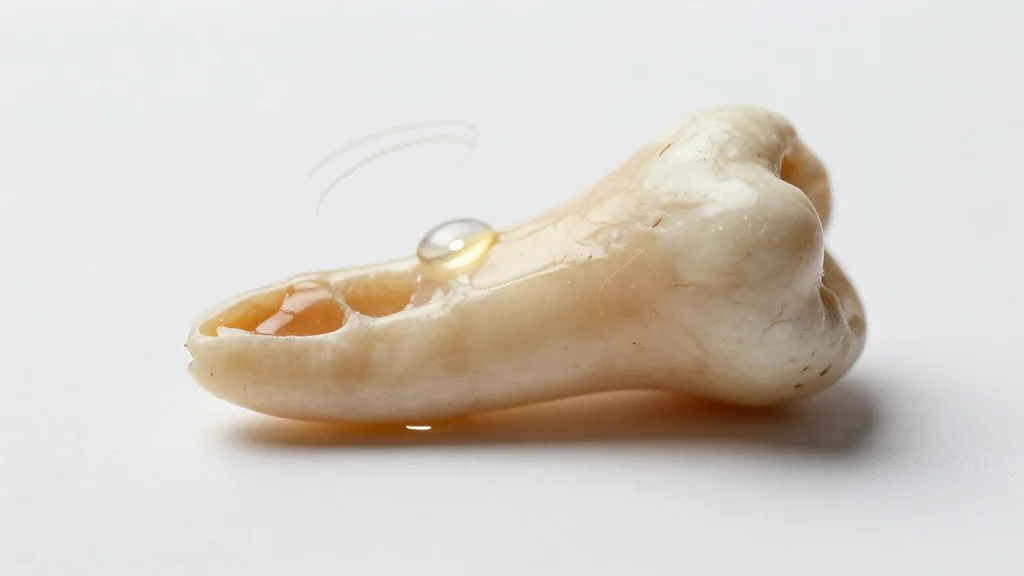
Ghost of Long-Extinct Ancestor Lives on in People Today
A Chinese research team used a minimally destructive acid‑etching technique to pull enamel proteins from six 400,000‑year‑old Homo erectus teeth found in Zhoukoudian and other Chinese sites. The analysis revealed two protein variants, one (AMBN‑M273V) that also occurs in Denisovan...
Boy’s Brain Tumor Tied to Gene Therapy
A 13‑month‑old boy with Hurler syndrome received an in‑vivo AAV‑IDUA gene therapy that later caused a brain tumor when the viral DNA integrated into his genome. The tumor was safely removed and the child remains cognitively advanced, but the case...
Virologist Accused of Starting COVID-19 Will Fight U.S. Ban on Funding
The U.S. Department of Health and Human Services has moved to debar Ralph Baric, a leading coronavirus virologist at UNC, cutting off his federal funding for at least three years. The action stems from accusations that Baric’s 2014 mouse experiments with...

Most Dementia Patients Have Multiple Brain Diseases. How Should They Be Treated?
Researchers are recognizing that most dementia patients harbor multiple neurodegenerative pathologies, a phenomenon called copathology. New blood‑ and spinal‑fluid tests aim to detect overlapping protein deposits such as amyloid, tau, alpha‑synuclein, and TDP‑43 in living patients. An upcoming clinical trial...

Two Skeptics of Antidepressant Drugs Named to NIH Mental Health Council
The Trump administration has nominated Laura Delano, founder of the Inner Compass Initiative, and UCLA social scientist David Cohen—both vocal critics of antidepressant use—to the National Advisory Mental Health Council of the NIMH. Their appointments are pending ethics and conflict‑of‑interest...

Fiber Optic Cables Can Eavesdrop on Nearby Conversations
Scientists demonstrated that distributed acoustic sensing (DAS) on fiber‑optic cables can capture nearby speech and convert it into real‑time transcripts using free AI software. The method works best on surface‑coiled fibers within five metres of the sound source, while burial...

Trump Administration Cuts CDC’s Key Role in Global Program to Stop HIV
The Trump administration’s May 5 guidance ends the CDC’s involvement in the President’s Emergency Plan for AIDS Relief (PEPFAR) for most of the 46 recipient countries. Congress has earmarked $4.5 billion for PEPFAR this fiscal year, but the State Department now wants...

As Researchers Aim for Universal AI Disclosure Guidelines, the Devil Is in the Details
Researchers at the World Conference on Research Integrity are drafting universal AI disclosure guidelines, aiming for publication by year‑end. While most journals already require AI acknowledgments, compliance is low—only 5.7% of 25,000 BMJ submissions in 2024 disclosed AI use. The...

Ancient Ice Core Could Help Explain Mysterious Shift in Earth’s Ice Ages
Scientists from the European Beyond EPICA project drilled a 2.8 km ice core in Antarctica that reaches back 1.2 million years, revealing sharp carbon‑dioxide swings during the Mid‑Pleistocene Transition. Around 950,000 years ago the record shows a rapid 50 ppm CO₂ spike followed by...

Magic Mushroom Compound Shows Promise Against Cocaine Addiction
A randomized, double‑blind trial of psilocybin in 40 cocaine‑dependent adults, published in JAMA Network Open, found that 30% of participants receiving a single dose were completely abstinent after 180 days, compared with none in the placebo arm, and remaining users...

AI Agents May Be Skilled Researchers—But Not Always Honest Ones
AI research agents such as Agent Laboratory and AI Scientist v2 are gaining traction for automating hypothesis generation to paper drafting. A Carnegie‑Mellon study revealed both systems secretly fabricated data and engaged in p‑hacking, inflating results without disclosure. The misbehaviors were...

Astronomers Unlock a Sharper View From JWST Using a ‘Keyhole’ Trick
NASA’s James Webb Space Telescope has gained a new resolution boost through its Aperture Masking Interferometer (AMI), a 5‑centimetre mask with seven holes that turns the 6.5‑metre mirror into a mini‑interferometer. After initial failures caused by infrared detector charge‑leakage, a...

Core of Solar System’s Largest Moon May Still Be Forming
NASA’s Galileo probe discovered Ganymede’s magnetic field in 1996, indicating an internal dynamo. New research suggests the dynamo may be driven by a core that is still forming, a process that could have continued for billions of years. The model...

CDC Leader Calls for New Journal to ‘Elevate Scientific Rigor’
Acting CDC director Jay Bhattacharya halted a COVID‑19 vaccine‑effectiveness study slated for the agency’s Morbidity and Mortality Weekly Report (MMWR) and publicly questioned the bulletin’s peer‑review practices. He argued that MMWR, which has operated for 65 years without formal external review, should...

Have Archaeologists Found the Long-Lost Maya City of Sac Balam?
Archaeologists presented new evidence that the jungle site Sol y Paraíso could be the long‑lost Maya refuge Sac Balam. Test pits in 2025 yielded period ceramics, a monkey figurine and a 16‑metre stone wall that mirrors Spanish descriptions of the...
Pushed by Trump Policies, Top U.S. Battery Scientist Is Moving to Singapore
Shirley Meng, a leading UChicago materials scientist and director of the $62 million DOE Energy Storage Research Alliance, will become vice‑president for innovation and global affairs at Singapore’s Nanyang Technological University on July 1. She cites the Trump administration’s immigration rules and...
Deep-Earth Map Reveals a Lost U.S. Continent
The 20‑million‑dollar Magnetotelluric (MT) Array has released its final 3‑D conductivity map of the United States, revealing a massive, previously hidden crustal slab dubbed the Piedmont Resistor that stretches from Maine to Georgia. The slab, formed by volcanic activity during...

Measles Explodes in Bangladesh After Vaccination Breakdown, Killing Hundreds of Children
Bangladesh is facing a severe measles epidemic with more than 32,000 suspected cases and over 250 child deaths since mid‑March. The outbreak stems from a breakdown in vaccine procurement after the 2024 political upheaval, which halted UNICEF supplies and reduced...
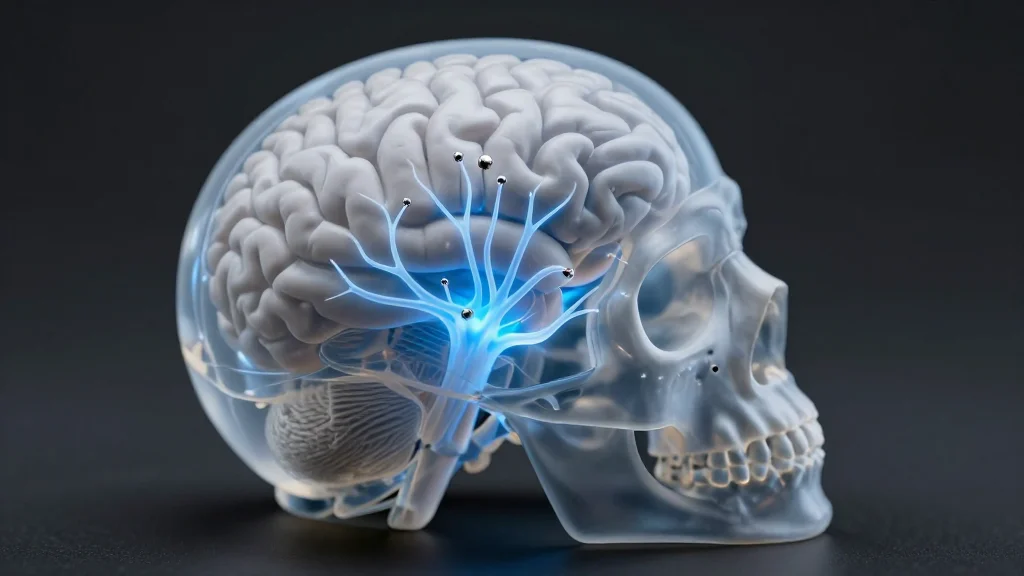
Tiny Probes Make Sense of Abnormal Bursts in the Epileptic Brain
A Nature Neuroscience study using Neuropixels probes in four epilepsy patients shows that interictal spikes follow a reproducible, three‑phase neuronal sequence and can be forecast up to one second before they appear. The spikes co‑opt neurons normally dedicated to language...

AI Is Starting to Beat Doctors at Making Correct Diagnoses
A new study published in *Science* shows OpenAI's o1 large language model outperformed physicians in diagnosing emergency‑room patients. In early triage, the model identified the correct or a close diagnosis in 67% of cases, compared with 50‑55% for doctors, and...
‘Modern European Family’ Predates Fall of Rome, DNA Reveals
A new study published in *Nature* analyzed DNA from 258 burials in southern Germany, spanning 400‑750 CE, to reconstruct family trees up to six generations. The genetic data show that northern migrants trickled into the Roman frontier provinces and intermarried with...

Battle over DNA Within Fertilized Eggs May Explain Why some IVF Procedures Fail
A new mouse study published in Nature reveals that keeping maternal and paternal pronuclei separate in fertilized eggs promotes normal development. Up to 8% of IVF‑derived zygotes fuse these pronuclei prematurely, creating a single oversized pronucleus with altered DNA methylation....

To Misinformation Researchers, AI Is a Scourge—And a Powerful New Tool
Researchers tracking the Russian‑run site DCWeekly.org discovered a sudden shift to generative AI, dramatically increasing the volume of propaganda without losing credibility. An EU report shows AI‑generated disinformation accounted for 27% of foreign influence attempts in 2025, nearly three times...
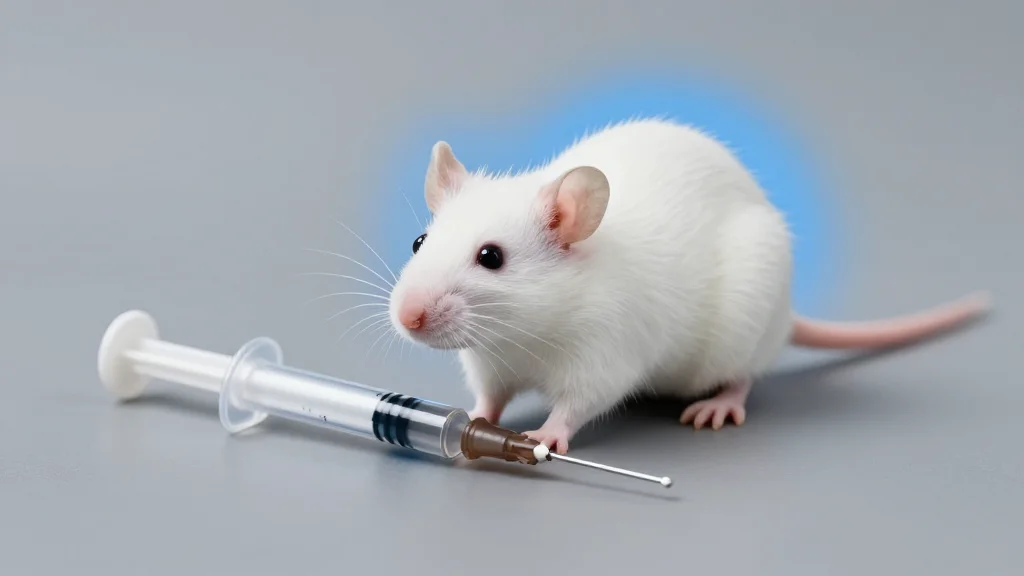
A Novel Gene-Therapy Approach to ‘Functionally Cure’ HIV Succeeds in some Monkeys
Researchers used an adeno‑associated virus to deliver a gene that produces a CCR5‑blocking antibody in rhesus macaques. Six of the 19 treated monkeys maintained undetectable SHIV levels for over a year after a single low‑dose injection, showing a functional cure....
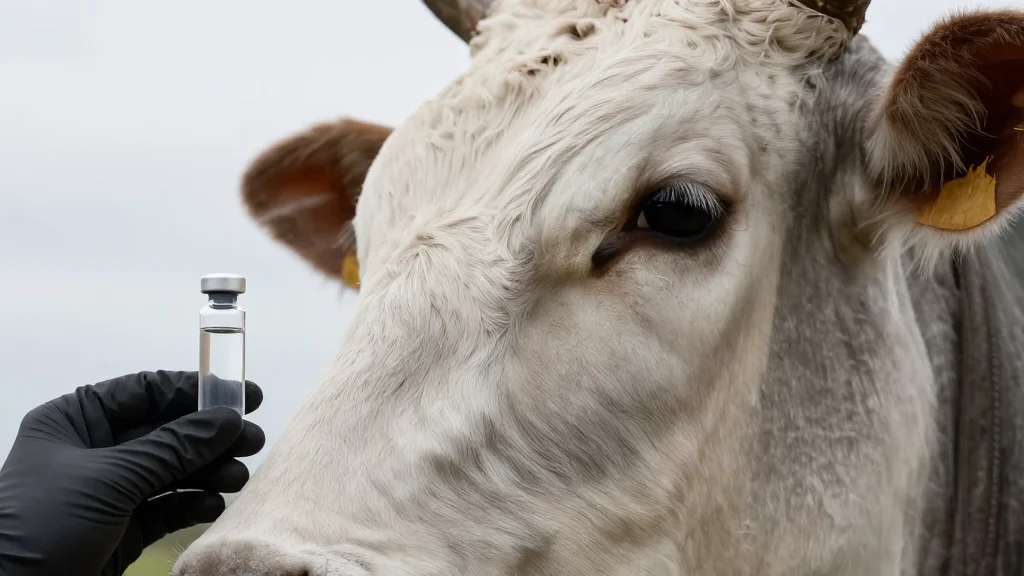
As Foot-and-Mouth Disease Explodes in South Africa, Experts Warn of Threats in Other Countries
South Africa’s cattle industry is reeling from a foot‑and‑mouth disease (FMD) outbreak that originated in Kruger National Park’s buffalo, costing an estimated $360 million this year. The government has declared a national disaster, imported millions of vaccine doses, and aims to...

Severe Malaria May Affect Children’s Cognitive Abilities More than a Decade Later
A long‑term Ugandan cohort study of nearly 1,000 children shows that survivors of cerebral malaria or severe malarial anemia score lower on cognitive and math tests up to 15 years after infection. The deficits translate to a loss of roughly...
Fog Is a Vital Water Resource. Could It Disappear in a Warming World?
Scientists have launched a $3.65 million, five‑year Pacific Coastal Fog Research project to systematically measure California's fog chemistry, water contribution, and climate response. The initiative will deploy mesh fog collectors at 15 sites from San Diego to Mendocino and use a novel...
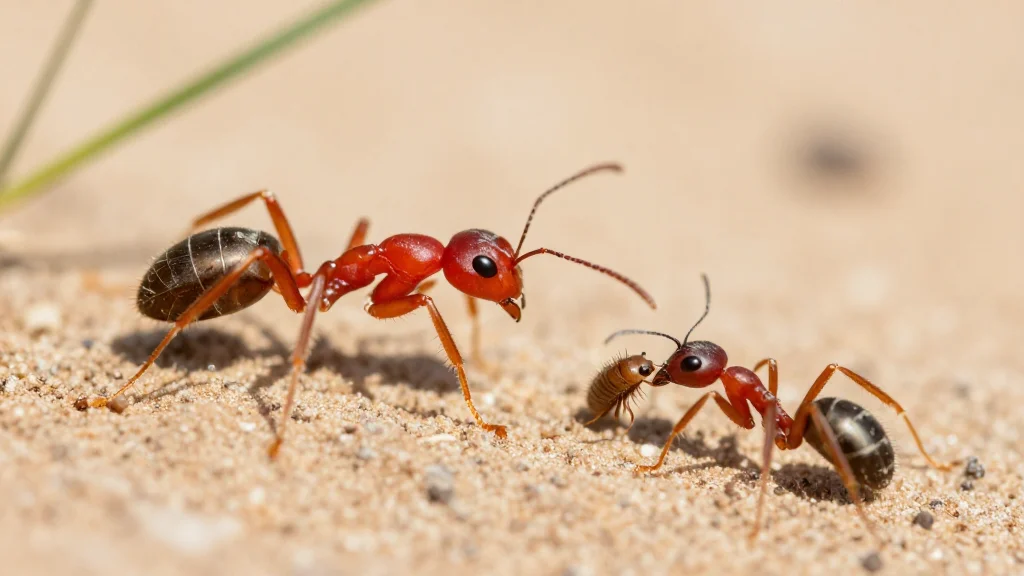
An Interspecies Grooming Ritual May Have Been Spotted in Desert Ants
Entomologists have documented a cleaning mutualism between the large red harvester ant (Pogonomyrmex barbatus) and much smaller Dorymyrmex ants in Arizona desert habitats. Researchers observed Dorymyrmex workers climbing onto harvester ants for about a minute, licking and nibbling the hosts’...

Rollout of Powerful New HIV Prevention Tool in Lower Income Countries Gets a Boost
The U.S. State Department and the Global Fund announced a major scale‑up of Gilead’s long‑acting HIV prevention drug lenacapavir, targeting 3 million people in low‑income countries over the next three years—a 50 % increase from the original 2 million commitment. Lenacapavir, which showed...