
Inbreeding Didn’t Doom the Neanderthals, Study Suggests
A new study published in *Nature* sequenced 27 high‑quality Neanderthal genomes from Belgium, roughly 45,000 years ago, dramatically expanding the genetic record. The analysis shows these late‑stage Neanderthals were genetically diverse, exhibited no signs of inbreeding, and lacked any modern human ancestry. This contradicts earlier theories that harmful mutations from inbreeding drove their extinction. Researchers now suggest that competition with modern humans or rapid climate change are more plausible drivers of the disappearance.

Researchers Caught in the Crossfire as Companies and Government Grapple over AI Safety
Anthropic released Fable 5, a heavily guarded AI model touted for scientific work, only to impose sweeping usage restrictions that blocked basic biology queries and silently degraded performance on frontier AI research. The backlash from researchers prompted a brief policy reversal,...
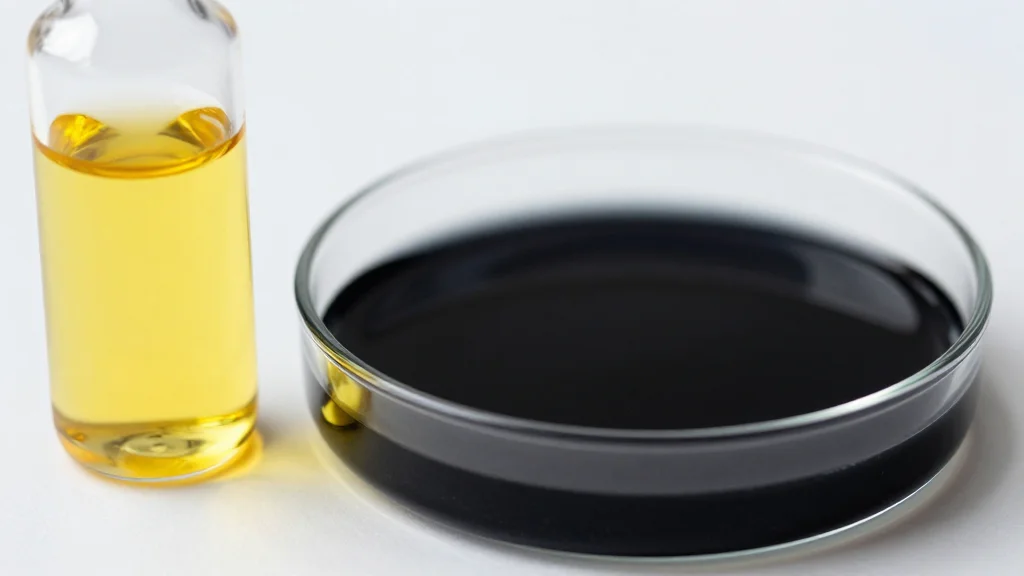
‘Light in a Bottle’ Liquid Can Harvest and Store Energy From Multiple Sources
Engineers at Northwestern University have created a metal‑free liquid that harvests energy from light, electricity, chemicals and even X‑rays, then self‑assembles into a gel to store that energy for months. The gel releases electrons when exposed to oxygen, functioning like...
New NIH Security Rules for Genomic Data Sets Are Slowing Research, Prompting Workarounds
Starting in January 2025, the NIH imposed NIST SP 800‑171 security standards on all its genomic data repositories, including the Adolescent Brain Cognitive Development (ABCD) study. The mandate forces researchers—even those using only non‑genomic data—to secure NIST‑compliant servers, a requirement...
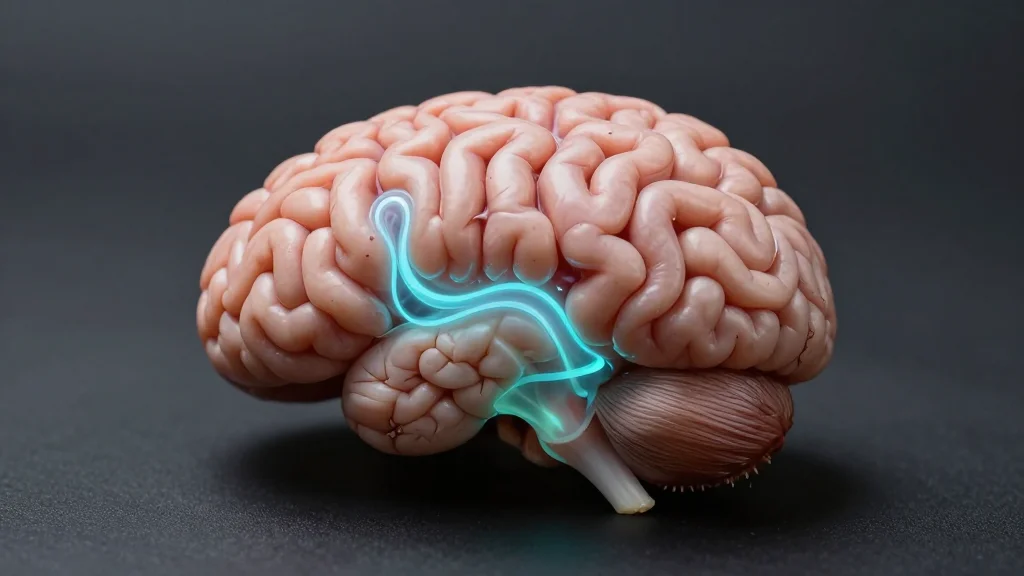
Speedy, Spiraling Electrical Waves May Be Key to Brain’s Information Flow
A team of University of Washington neuroscientists combined rapid wide‑field calcium imaging with Neuropixels probes to capture fast‑spinning, spiral‑shaped traveling waves that sweep across the entire mouse brain. The waves propagate along circular axonal pathways, linking cortical and deep structures...
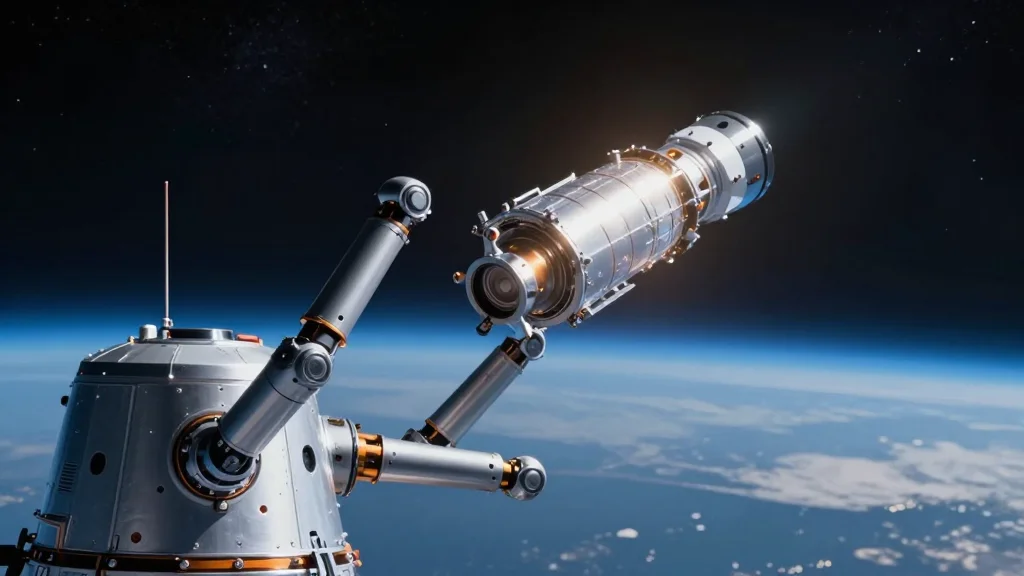
A Space Telescope Is Falling to Earth. NASA Is Racing to Rescue It
NASA is preparing a daring robotic rescue of the 22‑year‑old Swift space telescope, whose orbit has fallen from 600 km to 370 km and faces re‑entry by the end of 2026. The agency awarded a $30 million contract to startup Katalyst Space Technologies,...
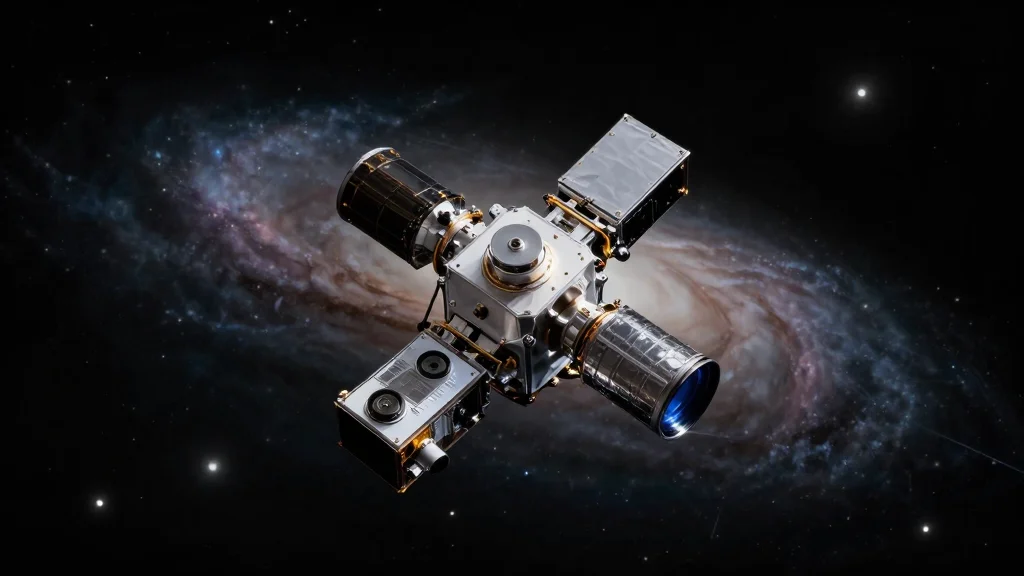
New Space Telescope Will Map Galaxies’ Ghostly Halos and Streams
The European Space Agency approved the €320 million (≈$350 million) ARRAKIHS telescope, slated for launch by the end of 2030. Designed as an F‑class fast‑track mission, it will use four UV‑visible‑IR telescopes to capture ultra‑faint stellar halos and streams around roughly 80...
After Years of Opposition, Mexico’s President Is Reconsidering Fracking
Mexico President Claudia Sheinbaum, who pledged to ban fracking, has convened a 30‑member scientific panel to evaluate whether low‑impact hydraulic fracturing could be reintroduced as part of a drive toward energy sovereignty. The committee will examine water‑recycling, LPG and super‑critical CO₂...
How Did the Cruise Ship Hantavirus Outbreak Start? Scientists Are Investigating New Scenarios
Scientists are probing the origins of a deadly Andes hantavirus outbreak that struck the cruise ship MV Hondius in April 2026, killing a 70‑year‑old Dutch passenger. Initial theories linking the infection to a landfill in Ushuaia, Argentina, have weakened after...
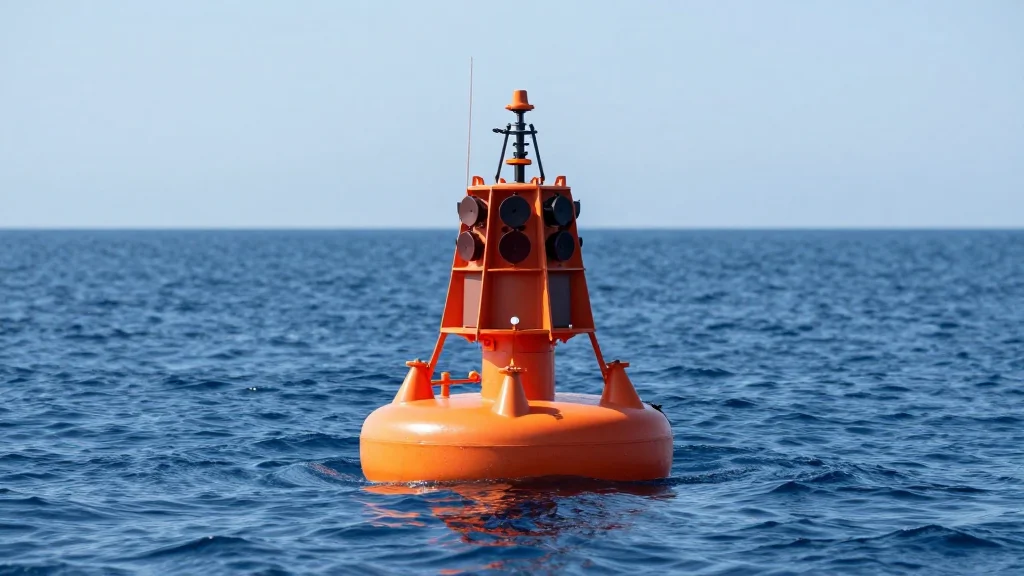
The Ocean Current that Warms Europe May Be More Resilient than Feared
New measurements from the Atlantic’s RAPID and OSNAP mooring arrays indicate the Atlantic Meridional Overturning Circulation (AMOC) remains robust despite decades of climate‑change warnings. While the AMOC’s flow continues to swing year‑to‑year, the data show no clear long‑term weakening and...
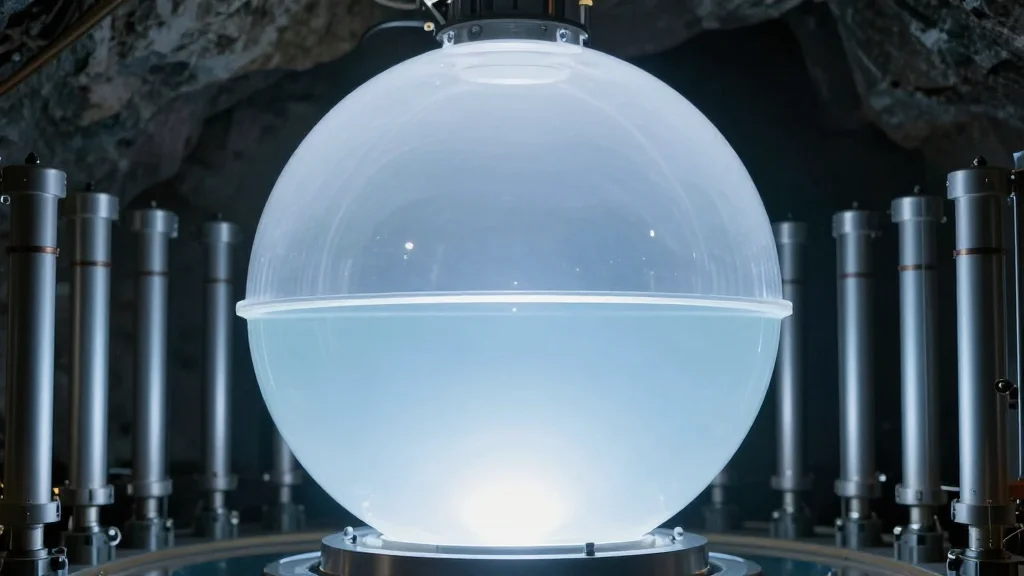
First Results Put Neutrino Experiment in China on Track for Breakthrough
The Jiangmen Underground Neutrino Observatory (JUNO) in China has delivered its first high‑precision results, cutting the uncertainty on two neutrino‑oscillation parameters by roughly one‑third after just 59 days of data. Using a 20,000‑ton liquid scintillator sphere and 43,183 custom‑built phototubes,...
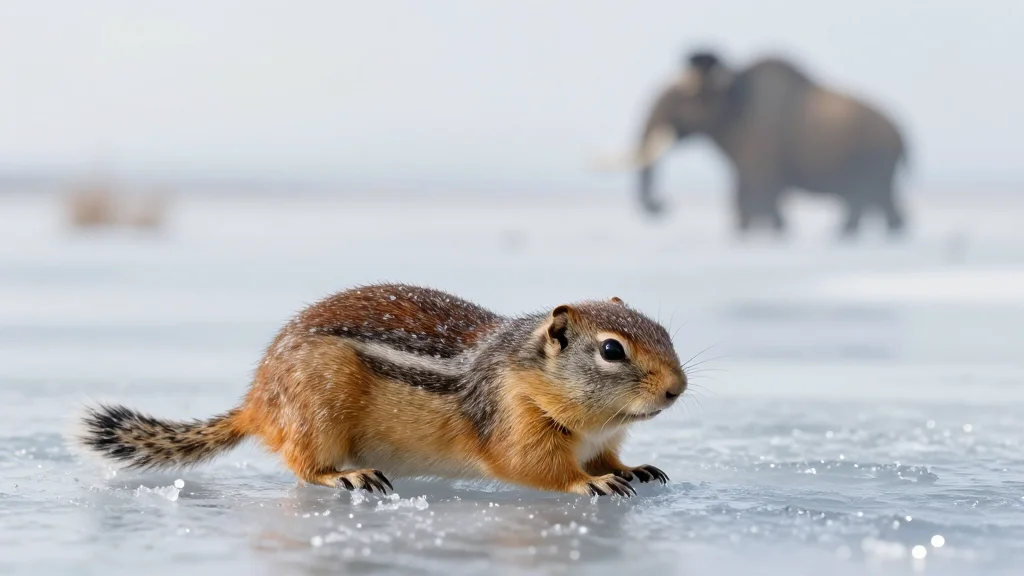
Frozen Squirrel Poop Rewrites Rodent Evolution, Reveals New Details About Mammoths
Researchers have extracted ancient DNA from frozen ground‑squirrel coprolites dating up to 700,000 years old, revealing a rich mix of genetic material from squirrels, mammoths, bison, plants and microbes. The analysis shows early North American ground squirrels were more closely...
NIH Plans to Cap Number of Grants a Scientist Can Have at Once
The National Institutes of Health announced a proposal to limit the number of research project grants a principal investigator can hold simultaneously, with caps ranging from two to four grants. The agency estimates that a two‑grant limit would free about...
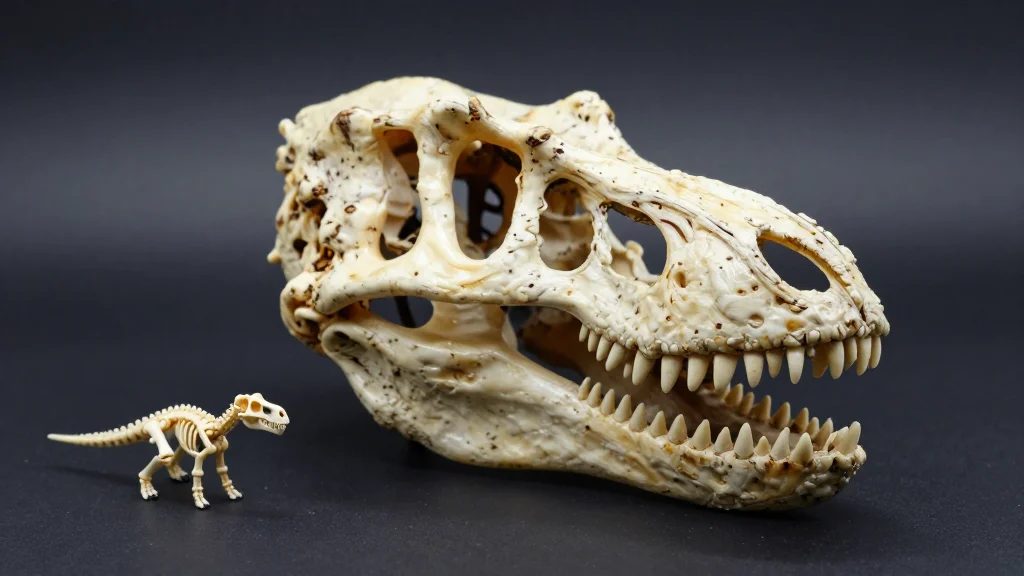
How Did so Many Theropod Dinosaurs Come to Have Tiny Arms?
New studies published in Proceedings of the Royal Society B explain why many theropod dinosaurs, including Tyrannosaurus rex, evolved tiny forelimbs. One analysis links the reduction to the development of larger, stronger skulls and jaws, making forelimbs less essential. A...
Protein Name Confusion Created Antibody Mix-Up Affecting Hundreds of Papers
A naming mix‑up between the tumor‑suppressor p16INK4a and the similarly named p16‑ARC led researchers to use the wrong antibodies in more than 300 published studies, including papers in Nature, Science Advances and Cancer Cell. Molecular biologist Sholto David identified the...