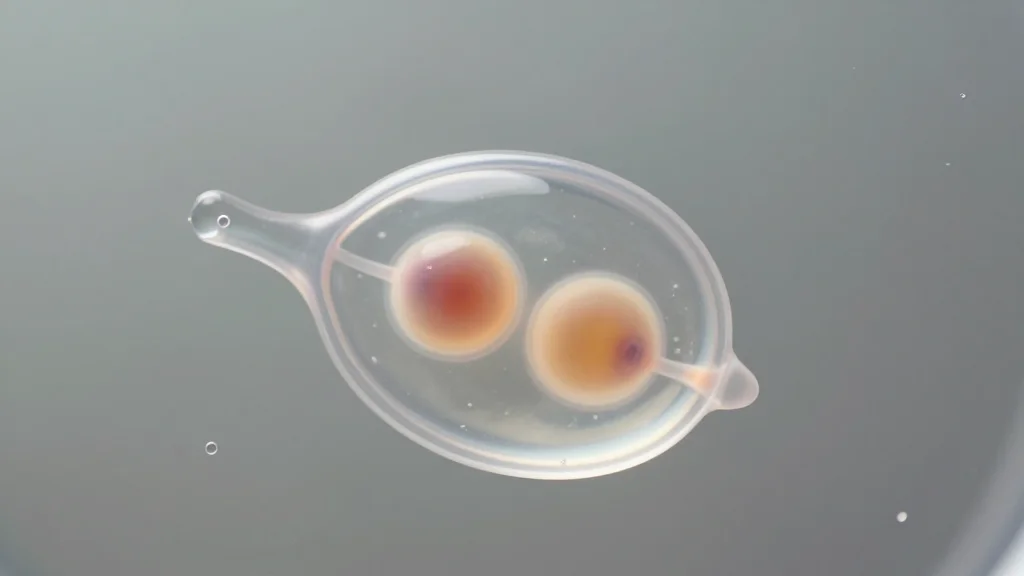
Battle over DNA Within Fertilized Eggs May Explain Why some IVF Procedures Fail
Why It Matters
The findings explain a biological cause behind IVF failures and could reshape how clinics handle single‑pronucleus embryos, potentially improving success rates and patient outcomes.
Key Takeaways
- •Up to 8% IVF zygotes show a single pronucleus.
- •Single pronucleus leads to abnormal DNA methylation patterns.
- •Two pronuclei embryos twice as likely to develop to term.
- •Pronuclear competition regulates cytoplasmic resource allocation.
- •Findings may prompt reevaluation of discarded single‑pronucleus embryos.
Pulse Analysis
In‑vitro fertilization relies on the delicate choreography of egg and sperm merging, yet a hidden step—maintaining separate pronuclei—has been largely overlooked. After fertilization, the maternal and paternal chromosomes reside in distinct pronuclear shells for several hours, allowing each to undergo precise epigenetic remodeling. When this separation fails, as seen in up to eight percent of IVF‑derived zygotes, the resulting single pronucleus expands abnormally and exhibits disrupted methyl‑group patterns, a key regulator of gene activity during early development.
The recent mouse experiment, led by Hirohisa Kyogoku and colleagues, used a novel injection technique to force premature pronuclear fusion. While both single‑ and two‑pronucleus embryos reached the two‑cell stage in vitro, only the latter group showed a near‑doubling of successful implantation and live birth rates in vivo. The authors attribute this advantage to a competitive dynamic: two pronuclei vie for limited cytoplasmic factors, keeping each nucleus small and ensuring balanced methylation. In contrast, a solitary pronucleus monopolizes resources, growing too large and skewing epigenetic marks, which hampers downstream development.
For fertility clinics, the study challenges the routine discard of single‑pronucleus embryos. Although the research does not yet prescribe specific protocol changes, it opens avenues for interventions that could restore normal methylation—perhaps through targeted supplementation of cytoplasmic components or timing adjustments in embryo culture. As IVF demand rises and egg supply remains constrained, re‑examining the fate of these embryos could boost overall success rates while prompting ethical discussions about embryo selection and manipulation.
Battle over DNA within fertilized eggs may explain why some IVF procedures fail
Comments
Want to join the conversation?
Loading comments...