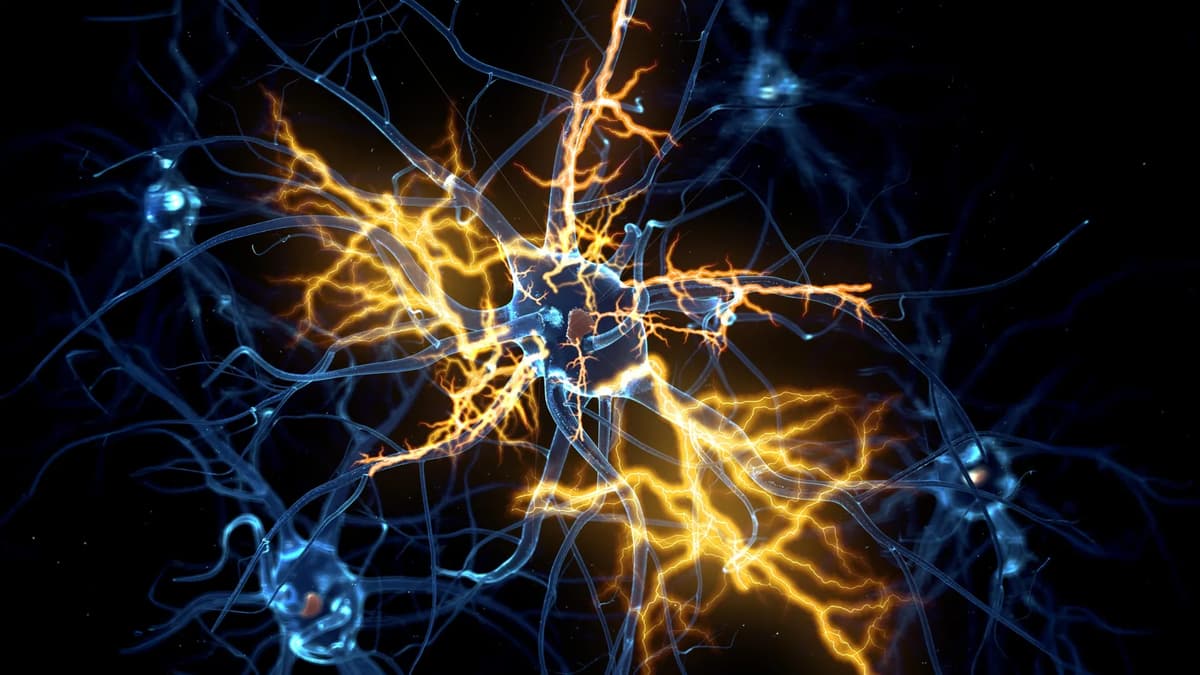
Human Organoids Reveal How to Reverse “Irreversible” Nerve Damage
Scientists at the University of Cambridge have engineered miniature human brain‑spinal cord organoids that form functional neural circuits capable of triggering muscle contractions. By culturing these linked organoids for over a year, they identified a developmental cutoff—around day 150, equivalent to mid‑pregnancy—after which axon regeneration sharply declines. Genetic analysis revealed a regulatory network that acts as a switch limiting regrowth, and pharmacological inhibition of key nodes restored axon growth. The hormone drug lynestrenol, already approved for menstrual disorders, markedly enhanced regrowth in damaged neurons, suggesting a repurposing avenue for nerve‑repair therapies.
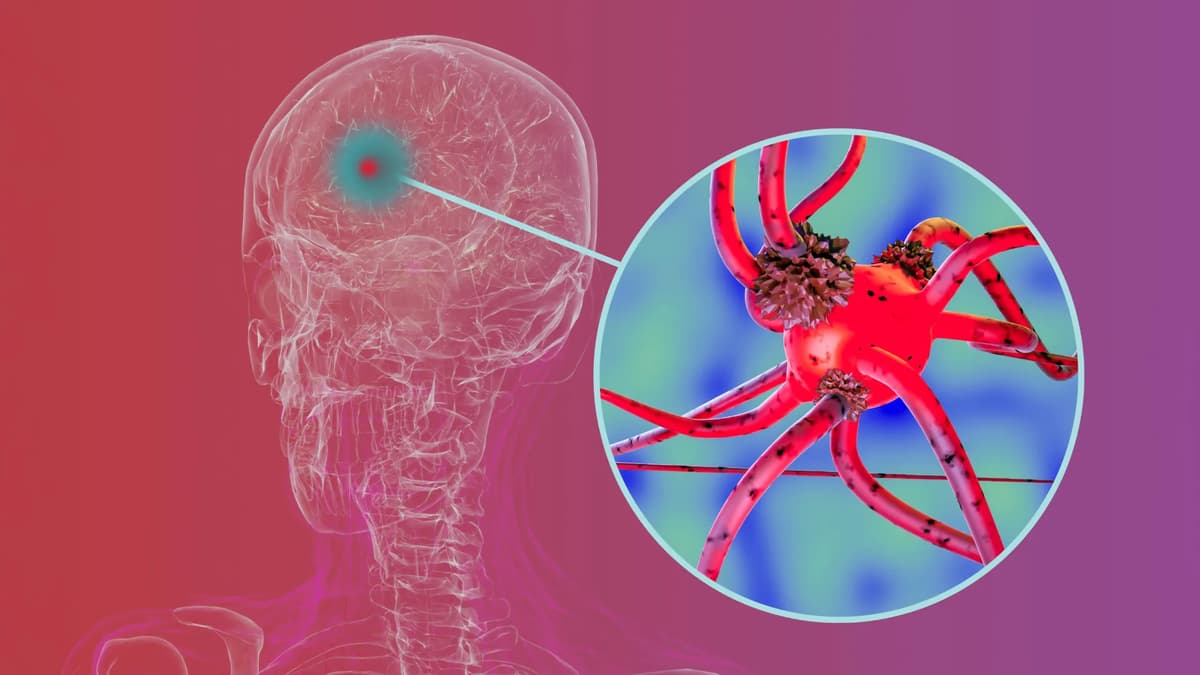
Researchers Block Key Protein that Helps Parkinson’s Spread Through the Brain
Researchers at the University of Pennsylvania have pinpointed the brain immune protein GPNMB as a catalyst for the spread of alpha‑synuclein in Parkinson’s disease. In pre‑clinical experiments, monoclonal antibodies that block GPNMB prevented the protein’s propagation between neurons. Analysis of...
Popular Anti-Aging Drug Combo Caused Severe Brain Damage in Mice
Researchers at the University of Connecticut discovered that the popular anti‑aging drug combo dasatinib plus quercetin (D+Q) causes severe myelin damage in mice, affecting both young and old subjects. The study, published in PNAS, showed dramatic loss of the protective...
Scientists Create Supercharged Vitamin K that Helps the Brain Heal Itself
Researchers at Japan's Shibaura Institute of Technology have engineered a novel vitamin K analogue that boosts neuronal differentiation threefold compared with natural MK‑4. By hybridizing vitamin K with retinoic‑acid motifs and a methyl‑ester side chain, the compound—dubbed Novel VK—demonstrates stronger...
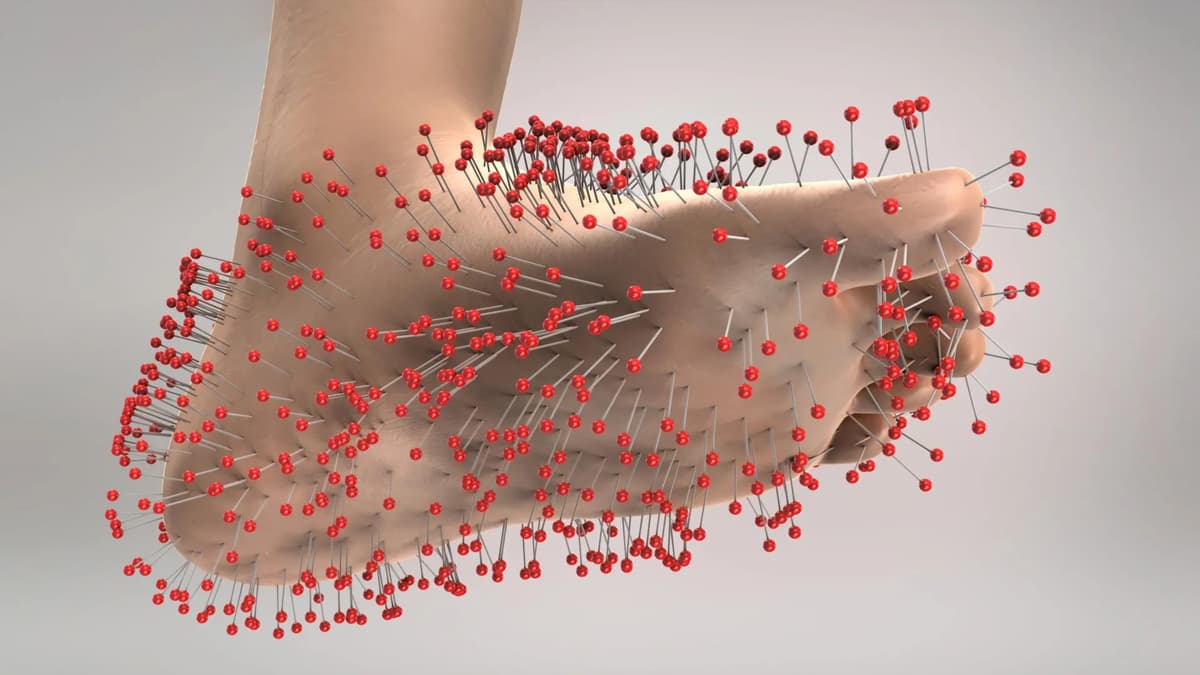
Scientists “Recharge” Damaged Nerves to Ease Chronic Pain
Scientists at Duke University School of Medicine demonstrated that restoring healthy mitochondria to damaged nerves can dramatically lessen chronic neuropathic pain. Using both human tissue and mouse models, they showed that boosting mitochondrial transfer via satellite glial cells cut pain...
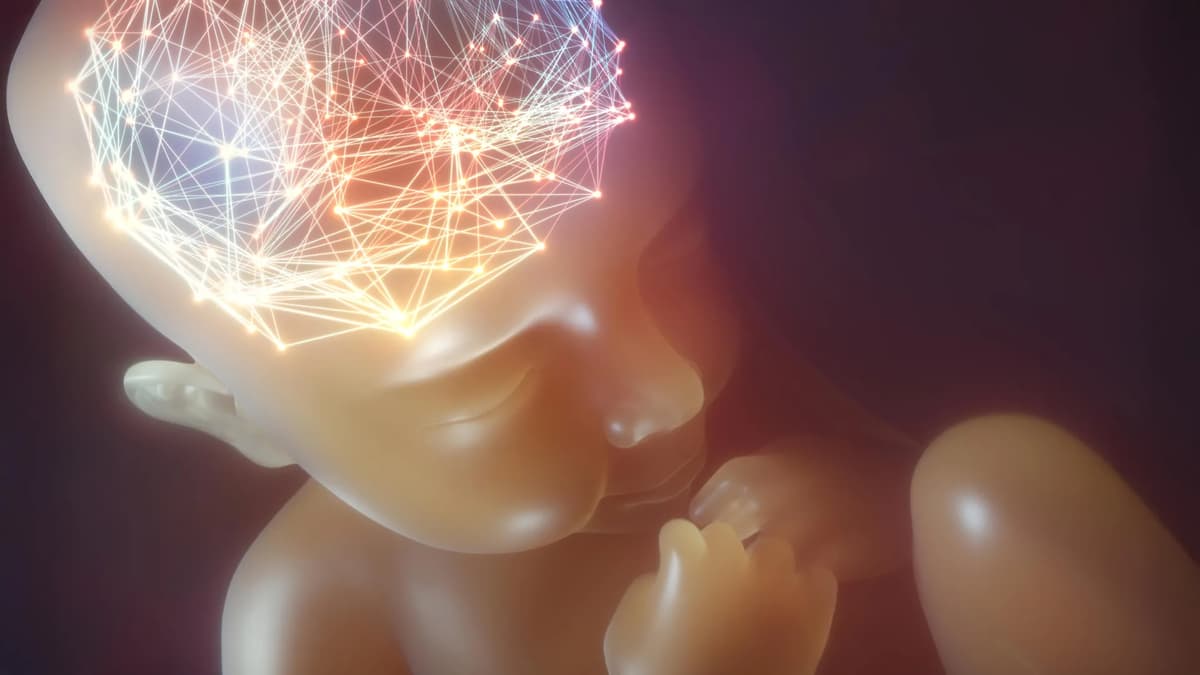
Common Pesticide Linked to Hidden Brain Damage, Scientists Warn
A new JAMA Neurology study links prenatal exposure to the insecticide chlorpyrifos (CPF) with lasting alterations in brain structure, metabolism, and reduced motor function in children aged 6 to 14. Researchers tracked 270 African‑American and Latino participants from birth, measuring...

Scientists Discover Why Alzheimer’s Risk Hits Women so Much Harder
Scientists at UC San Diego analyzed data from over 17,000 adults and found that several modifiable dementia risk factors have a disproportionately larger impact on women’s cognition than men’s. Women reported higher rates of depression, inactivity and sleep problems, while...
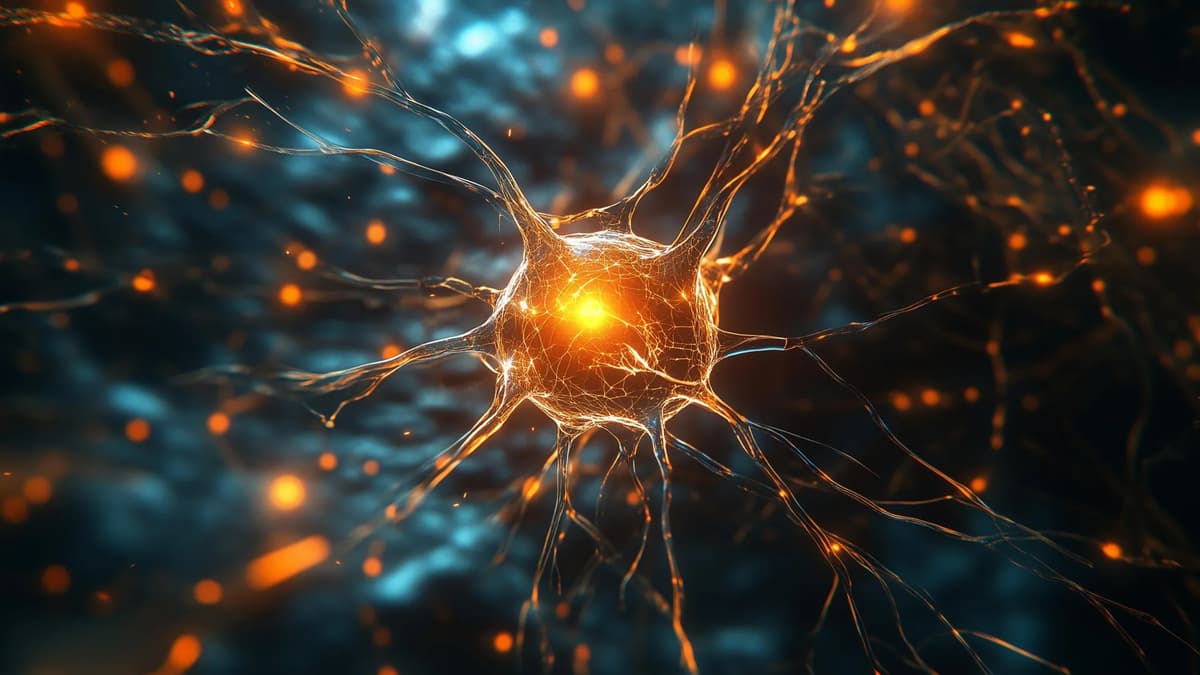
Scientists Found a Hidden Alzheimer’s Trigger and Shut It Down
Researchers at Indiana University identified the brain enzyme IDOL as a promising new target for Alzheimer’s therapy. Deleting IDOL from neurons in mouse models dramatically cut amyloid plaque buildup and lowered APOE levels, a key genetic risk factor. The findings...
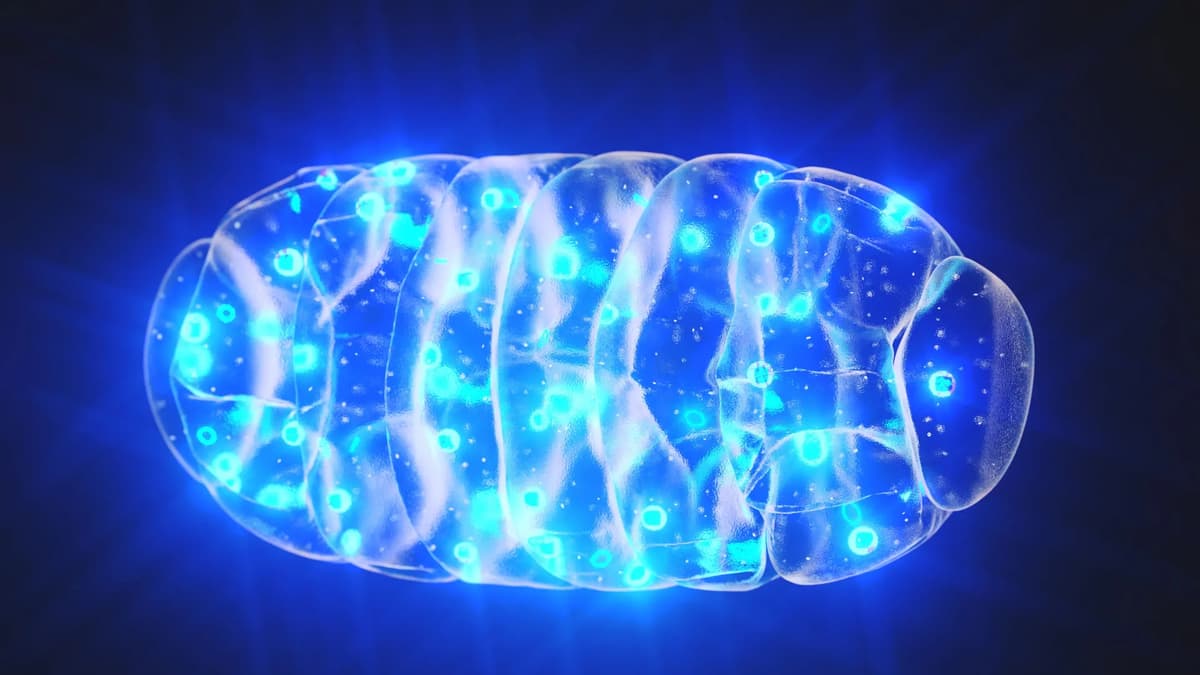
Scientists Reversed Memory Loss by Recharging the Brain’s Tiny Engines
Scientists at Inserm, the University of Bordeaux and the Université de Moncton have engineered a receptor, mitoDreadd‑Gs, that temporarily boosts mitochondrial activity in mouse models of dementia. Activating this tool restored normal energy production in neurons and markedly improved memory...

This 800-Year-Old Chinese Exercise Helps Lower Blood Pressure Naturally
A large multicenter randomized trial published in JACC found that practicing baduanjin, an 800‑year‑old Chinese exercise, lowered systolic blood pressure as effectively as brisk walking. Over 216 adults with stage 1 hypertension performed the 10‑15‑minute routine five days a week, achieving...
Brain Scans Reveal a Shocking Difference Between Psychopaths and Other People
Neuroscientists from NTU Singapore, the University of Pennsylvania and California State University reported that the striatum—a brain region tied to reward and motivation—is about 10 percent larger in adults with psychopathic traits than in a control group. The finding comes from...

Scientists Discover the Brain’s Hidden “Stop Scratching” Switch
Scientists at the University of Louvain have identified the ion channel TRPV4 as a key component of the brain's "stop scratching" feedback loop. By deleting TRPV4 only in sensory neurons of mice, they showed that the animals scratched less often...
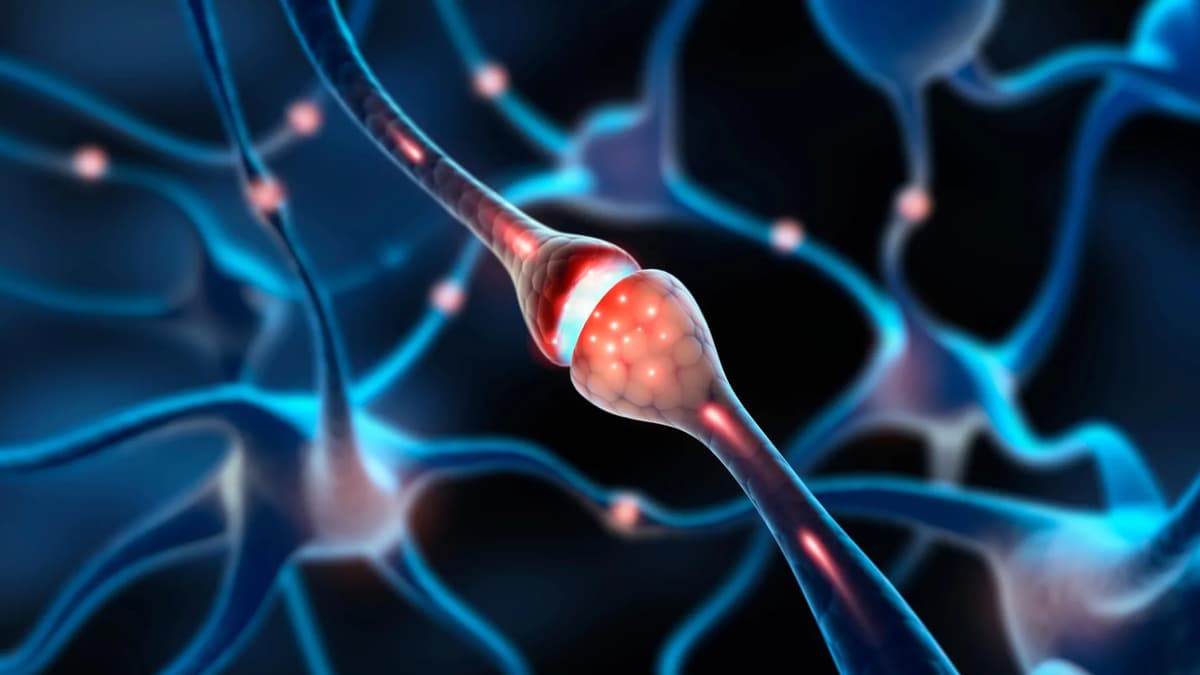
MIT Scientists Discover Millions of “Silent Synapses” In the Adult Brain
MIT neuroscientists have identified that roughly 30 percent of cortical synapses in adult mice are "silent," lacking AMPA receptors and remaining electrically inactive until needed for memory formation. Using the eMAP tissue‑expansion technique, they visualized abundant filopodia that contain only NMDA...

This Simple Blood Test Might Detect Depression Before Symptoms Appear
Researchers identified a blood‑based marker that could flag depression before patients report symptoms. By measuring epigenetic aging in monocytes, the study linked accelerated immune‑cell aging to emotional and cognitive signs of depression, especially in women with and without HIV. Traditional...
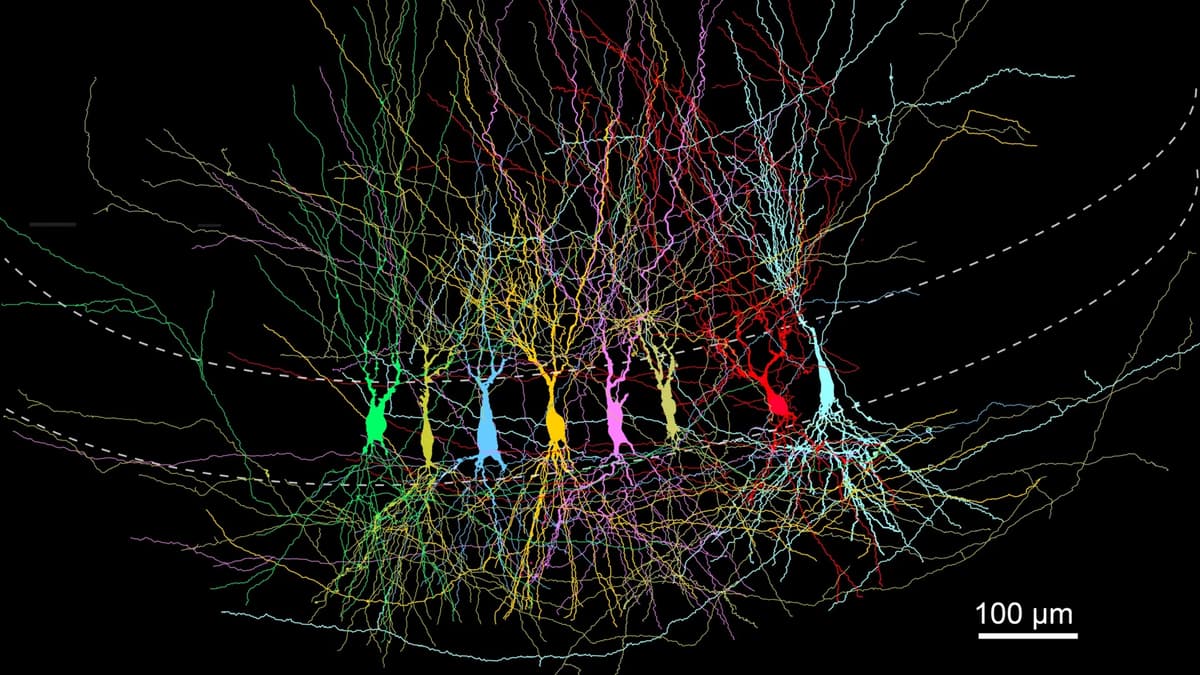
Scientists Found the Brain Doesn’t Start Blank, It Starts Full
Scientists at the Institute of Science and Technology Austria discovered that the hippocampal CA3 network is densely wired at birth and then undergoes extensive pruning, becoming more organized in adulthood. The study, published in Nature Communications, challenges the classic tabula...
Are Your Memories Real? Physicists Revisit the Boltzmann Brain Paradox
Physicists David Wolpert, Carlo Rovelli and Jordan Scharnhorst revisit the Boltzmann brain paradox, proposing a formal framework that isolates the assumptions about time and entropy that underlie the debate. They demonstrate that conventional arguments often embed circular reasoning between memory...
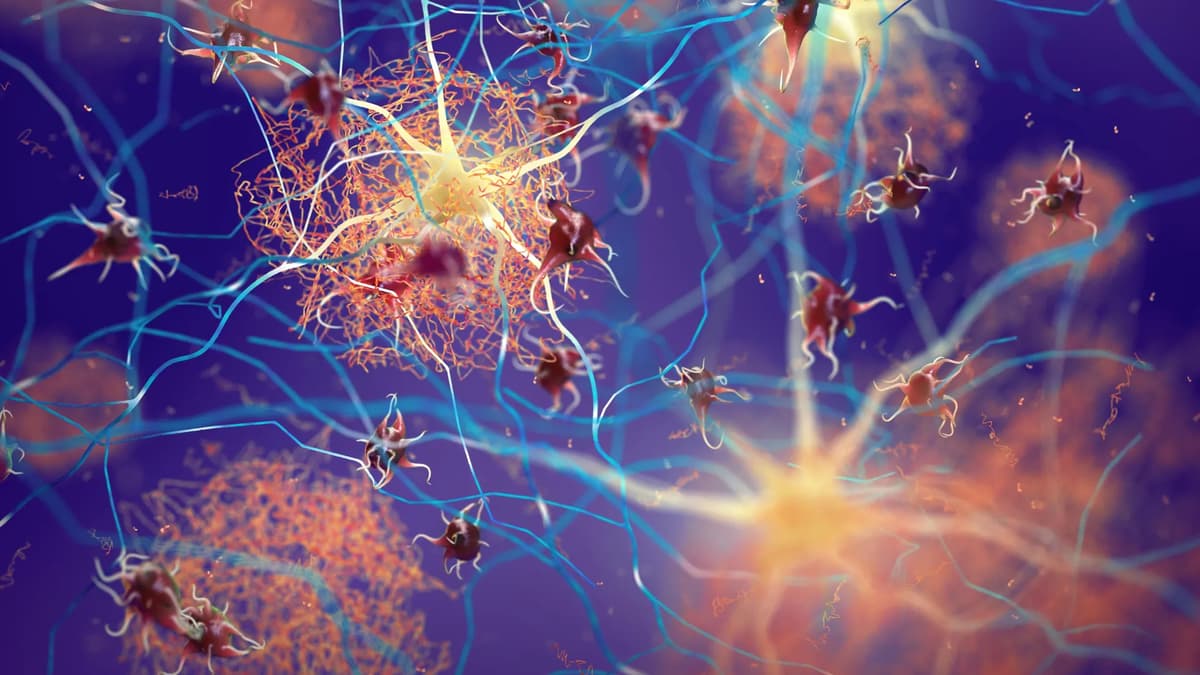
Boosting One Protein Helps the Brain Fight Alzheimer’s
Researchers at Baylor College of Medicine discovered that increasing the protein Sox9 in astrocytes enables mouse models of Alzheimer’s disease to clear existing amyloid plaques and retain memory performance. The study, published in Nature Neuroscience, showed that elevated Sox9 enhances...

This AI Knew the Answers but Didn’t Understand the Questions
In July 2025 researchers unveiled Centaur, a large‑language model tuned with psychological data that reportedly mastered 160 cognitive tasks, sparking excitement about AI that could mimic human thought. A new study from Zhejiang University challenges those claims, arguing Centaur’s success...

This Hidden Kind of Stress May Be Damaging Your Memory as You Age
Rutgers Health researchers found that internalized stress—feelings of hopelessness and the tendency to bottle up stress—significantly accelerates memory loss in Chinese Americans over 60. The analysis used data from the Population Study of Chinese Elderly (PINE), tracking more than 1,500...

These 80-Year-Olds Have the Memory of 50-Year-Olds. Scientists Now Know Why
Northwestern Medicine’s 25‑year SuperAging program has identified a cohort of 80‑plus adults whose memory performance matches that of people in their 50s. Researchers found that these “SuperAgers” exhibit unusually thick cortical regions and a higher density of von Economo neurons, which...
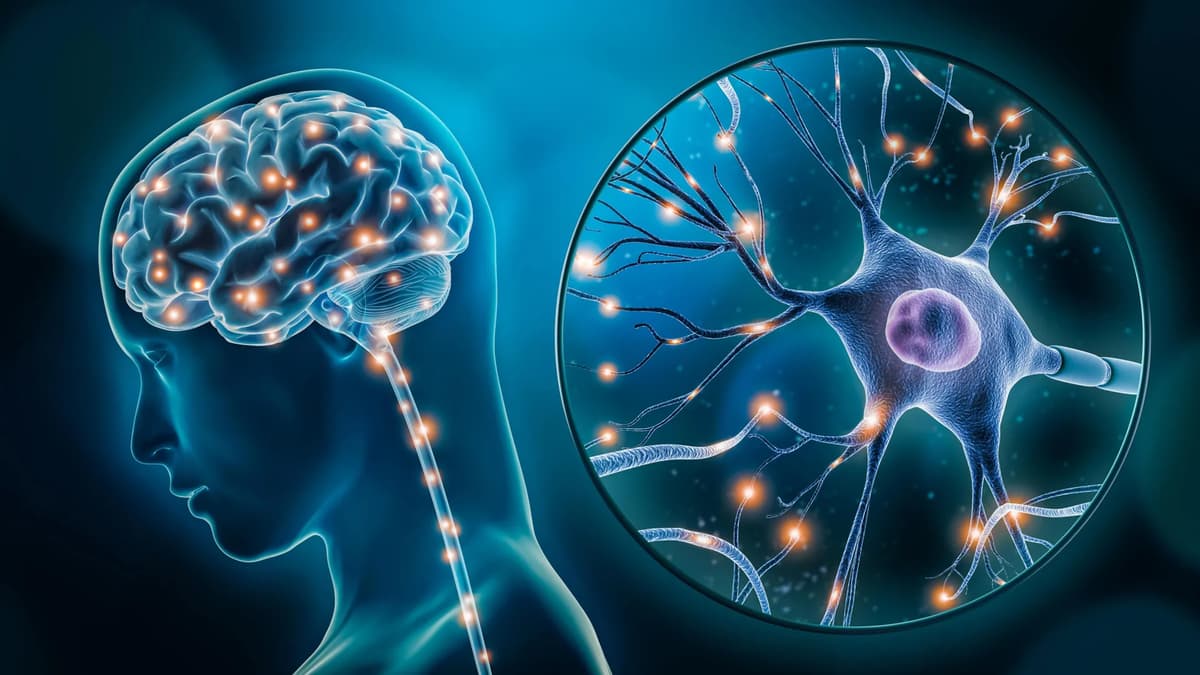
For the First Time, Scientists Pinpoint the Brain Cells Behind Depression
Scientists at McGill University and the Douglas Institute have identified two specific brain cell types—excitatory neurons and a microglia subtype—whose gene activity is altered in people with major depression. The discovery, published in Nature Genetics, leveraged single‑cell genomic analysis of...
The Surprising Reason You’re so Productive One Day and Not the Next
A twelve‑week study by the University of Toronto Scarborough, published in Science Advances, tracked university students’ daily cognitive performance and linked mental sharpness to productivity. The researchers found that on sharper days participants completed roughly 30‑40 extra minutes of work,...

Doing This Throughout Life May Cut Alzheimer’s Risk by 38%
Researchers tracking 1,939 older adults over eight years found that individuals with the highest lifelong cognitive enrichment experienced a 38% lower risk of Alzheimer’s disease and a 36% lower risk of mild cognitive impairment. The top 10% of participants delayed...

Your Nose Could Detect Alzheimer’s Years Before Symptoms Begin
Researchers at Germany's DZNE and LMU discovered that a declining sense of smell can signal Alzheimer’s disease years before memory loss appears. The study, published in Nature Communications, shows that microglia mistakenly attack nerve fibers linking the olfactory bulb to...
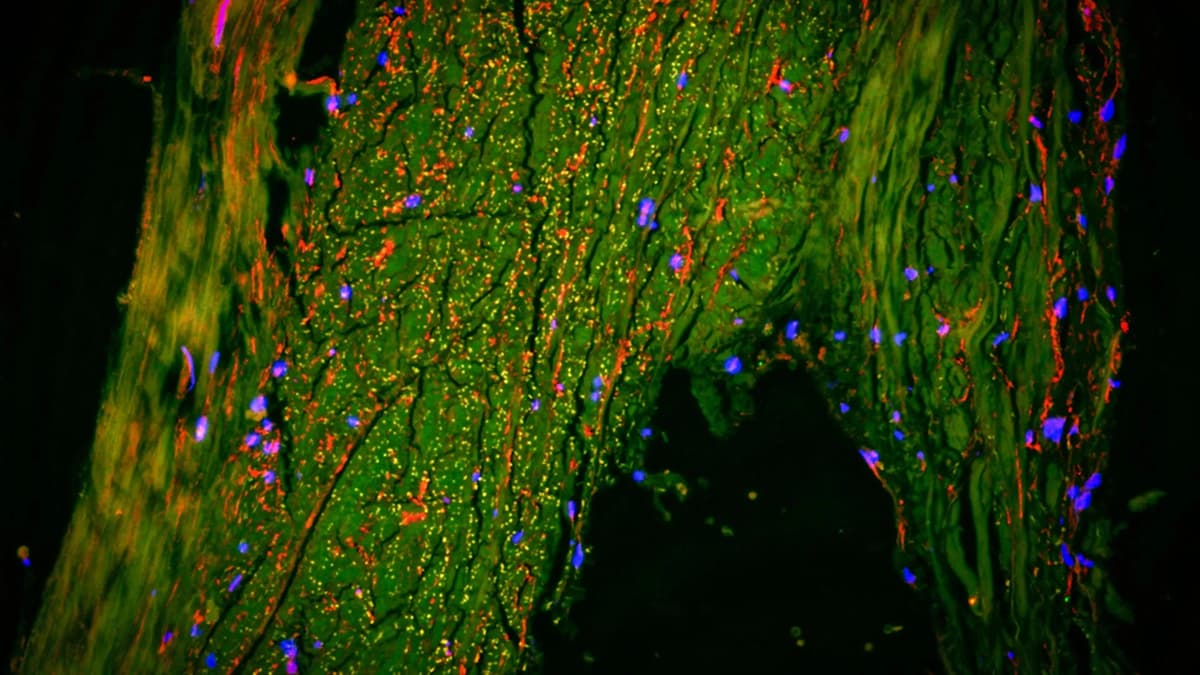
Scientists Just Found a Hidden “Drain” Inside the Human Brain
Researchers at the Medical University of South Carolina used real‑time MRI, originally developed with NASA, to observe slow‑moving fluid along the middle meningeal artery in five healthy volunteers. The flow pattern behaved like lymphatic drainage rather than blood, providing the...
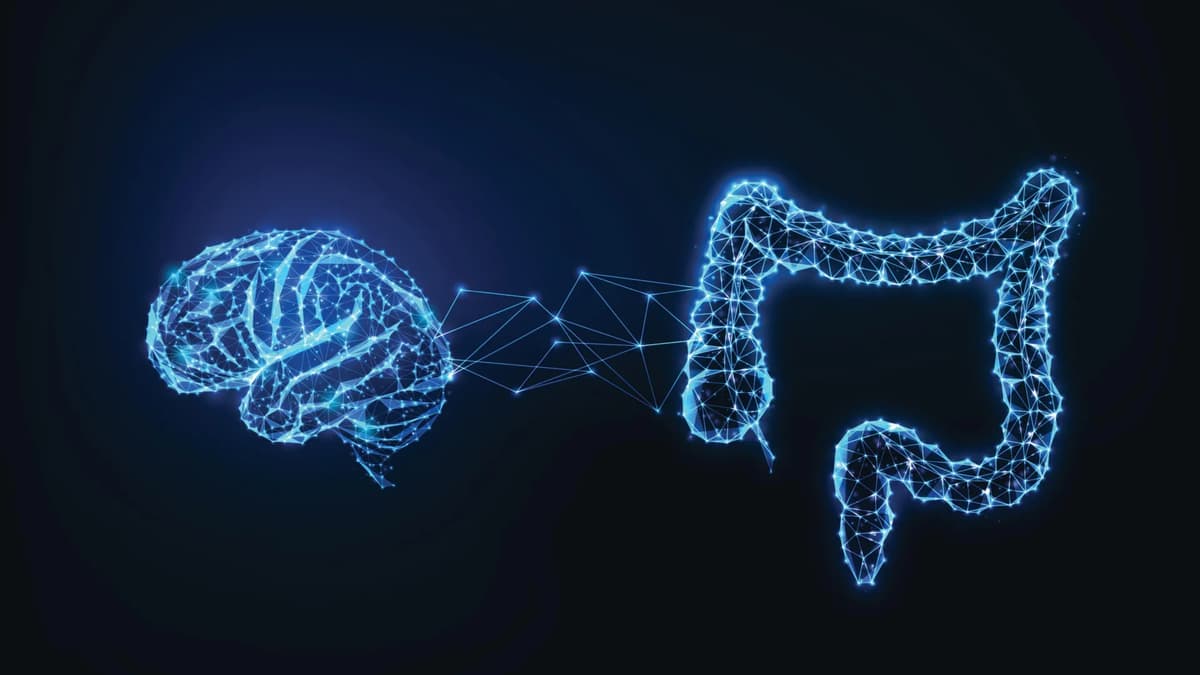
Scientists Discover Hidden Gut Trigger Behind ALS and Dementia
Case Western Reserve University researchers have identified a gut‑brain mechanism linking harmful bacterial glycogen to neuronal loss in amyotrophic lateral sclerosis (ALS) and frontotemporal dementia (FTD). In a study of 23 patients, 70% exhibited elevated levels of this inflammatory sugar,...

This “Rotten Egg” Brain Gas Could Be the Key to Fighting Alzheimer’s Disease
Johns Hopkins researchers, funded by the NIH, identified the enzyme cystathionine γ‑lyase (CSE) as a critical source of hydrogen sulfide—a brain‑derived gas that supports memory formation. Mice lacking CSE displayed progressive spatial‑memory loss, oxidative stress, DNA damage, and blood‑brain‑barrier breakdown,...

Scientists Map the Brain’s Hidden Wiring Using RNA Barcodes in Major Breakthrough
Researchers at the University of Illinois Urbana‑Champaign unveiled Connectome‑seq, a novel technique that tags neurons with unique RNA barcodes to map synaptic connections. The method charted over 1,000 neurons in a mouse pontocerebellar circuit, revealing previously unknown links and achieving...

Scientists Just Watched Alzheimer’s Damage Happen in Real Time
Oregon State University chemists have unveiled a real‑time method to observe how metal ions trigger amyloid‑beta protein clumping, a hallmark of Alzheimer’s disease. The technique captures aggregation events second by second and quantifies how chelating molecules can interrupt or reverse...

Scientists Say 7 Days of Meditation Can Rewire Your Brain
Researchers at UC San Diego demonstrated that a seven‑day residential retreat combining meditation, guided visualizations, and open‑label placebo activities produced measurable changes in brain function and blood biology. Functional MRI showed reduced activity in self‑referential brain regions, while post‑retreat plasma...

Scientists Find Hidden Brain Cells Helping Deadly Cancer Grow
Canadian researchers have uncovered that oligodendrocytes, a type of brain support cell, actively promote glioblastoma growth by signaling through the CCR5 receptor. In laboratory models, interrupting this communication dramatically slowed tumor expansion. The team also identified Maraviroc, an FDA‑approved HIV...
A Gene Mutation May Trap the Brain in the Wrong Reality in Schizophrenia Patients
MIT researchers identified a mutation in the grin2a gene that disrupts a mediodorsal thalamus‑prefrontal circuit, slowing adaptive decision‑making in mice. By sequencing 25,000 schizophrenia cases and 100,000 controls, they pinpointed grin2a among ten high‑risk genes. Mutant mice persisted longer in...

Scientists Discover Sleep Switch that Builds Muscle, Burns Fat, and Boosts Brainpower
Researchers at UC Berkeley mapped a hypothalamic circuit that controls growth hormone release during sleep, identifying how GHRH and somatostatin neurons interact and feed back to the locus coeruleus. Using optogenetic recordings in mice, the Cell study showed distinct hormone...

This New Therapy Turns Off Pain without Opioids or Addiction
Researchers at the University of Pennsylvania and collaborators have developed a preclinical gene therapy that selectively silences pain‑processing circuits in the brain, mimicking morphine’s analgesic effect without activating reward pathways. Using an AI‑driven system to map morphine‑responsive neurons in mice,...

Metformin’s Hidden Brain Pathway Revealed After 60 Years
Researchers at Baylor College of Medicine have identified a brain‑based pathway that underlies metformin’s glucose‑lowering effect. The study shows that metformin suppresses the Rap1 protein in the ventromedial hypothalamus, a region critical for whole‑body glucose regulation. Mice lacking hypothalamic Rap1...

This Tiny Implant, Smaller than a Grain of Salt, Can Read Your Brain
Cornell researchers have unveiled the microscale optoelectronic tetherless electrode (MOTE), a neural implant barely larger than a grain of salt. The 300 µm‑by‑70 µm device wirelessly transmits brain‑wave data via infrared light and has demonstrated chronic operation in awake mice for more...

Scientists Just Solved a Major Mystery About How Your Brain Stores Memories
Researchers at the University of Bonn discovered that the human brain stores memory content and context in two distinct neuron populations. By recording activity from more than 3,000 neurons in epilepsy patients, they identified content neurons responding to specific images...

Scientists Discover Surprising Brain Trigger Behind High Blood Pressure
University of Auckland researchers have identified the lateral parafacial region of the brainstem as a hidden driver of neurogenic hypertension, linking forced exhalations to sympathetic nerve activation. In animal models, silencing this nucleus normalized blood pressure, confirming a causal link...

Scientists Link Childhood Stress to Lifelong Digestive Issues
A study published in Gastroenterology demonstrates that stress during early life rewires gut‑brain pathways, increasing the risk of chronic digestive disorders. Mouse experiments showed sex‑specific motility changes and identified separate neural, hormonal, and serotonin mechanisms. Large human cohorts—over 40,000 Danish...
Scientists Finally Reveal How This Alzheimer’s Drug Really Works
Scientists from VIB and KU Leuven have identified the mechanism by which lecanemab (Leqembi) clears amyloid plaques in Alzheimer’s disease. Their study shows that the antibody’s Fc fragment engages microglia, reprogramming them to phagocytose and degrade plaques. Removing the Fc...

Common Pesticide May More than Double Parkinson’s Disease Risk
A UCLA Health study links long‑term residential exposure to the pesticide chlorpyrifos with a more than 2.5‑fold increase in Parkinson's disease risk. Researchers analyzed 829 Parkinson's patients and 824 controls, estimating exposure through California pesticide records, and corroborated findings with...

Scientists Discover ALS Protein that Links DNA Repair to Cancer and Dementia
Researchers at Houston Methodist identified the ALS‑linked protein TDP43 as a regulator of DNA mismatch repair genes. Dysregulated TDP43—whether under‑ or over‑expressed—triggers abnormal repair activity that destabilizes the genome. Analysis of large cancer datasets revealed that tumors with high TDP43...

Microplastics May Be Quietly Damaging Your Brain and Fueling Alzheimer’s and Parkinson’s
Researchers have identified five biological pathways through which microplastics can damage the brain, potentially accelerating Alzheimer’s and Parkinson’s disease. The systematic review, led by University of Technology Sydney and Auburn University, highlights inflammation, oxidative stress, blood‑brain barrier disruption, mitochondrial impairment,...